English
  عربى
عربى  中文简体
中文简体 
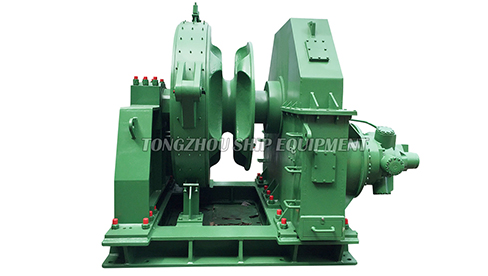

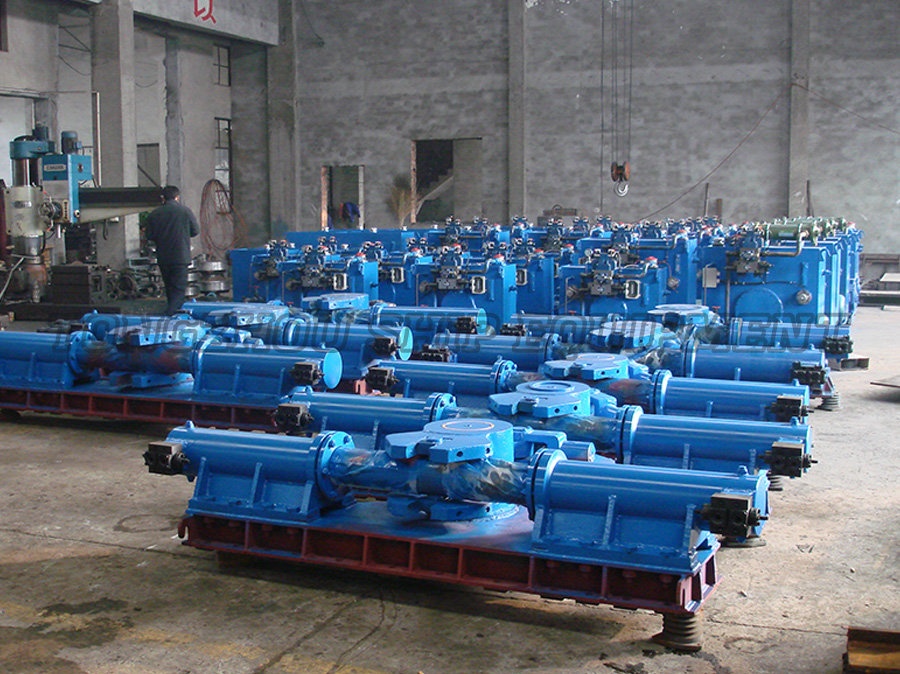
Specification
| Actuation Type | Linear / Angular (Fork Mechanism) |
| Force Output | 500 N to 150,000 N |
| Stroke Length | 50 mm to 1200 mm |
| Speed | 0.05 m/s to 2 m/s adjustable |
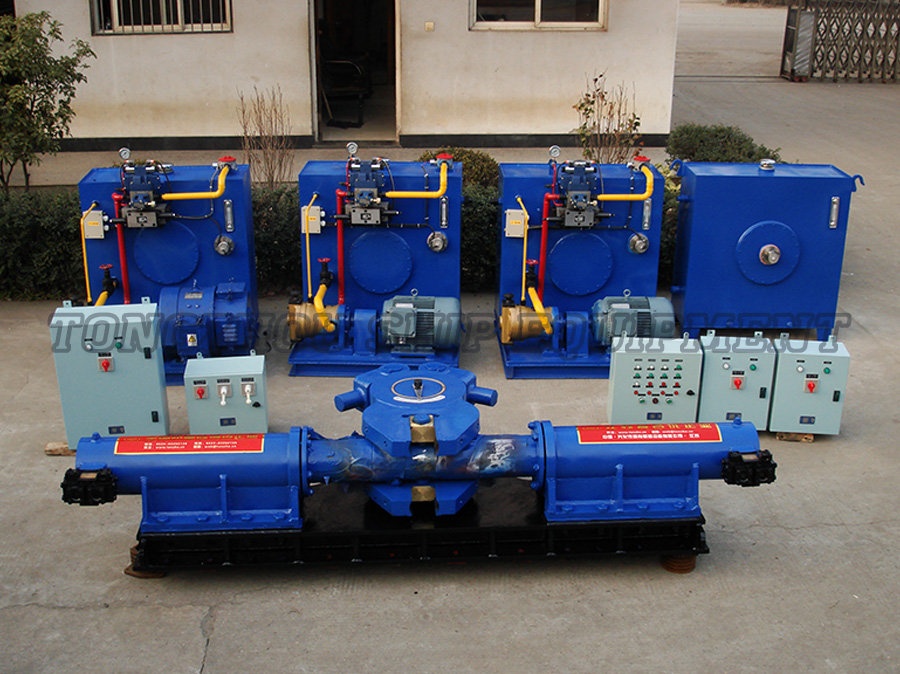
| Drive Options | Electric motor, hydraulic cylinder, pneumatic actuator |
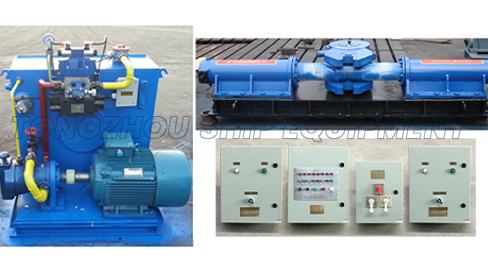
| Control Interface | Manual, PLC, or integrated sensor feedback |
| Operating Temperature | -20掳C to 80掳C (standard) |
| Protection | Overload sensors, end-of-stroke limiters, safety interlocks |
Application
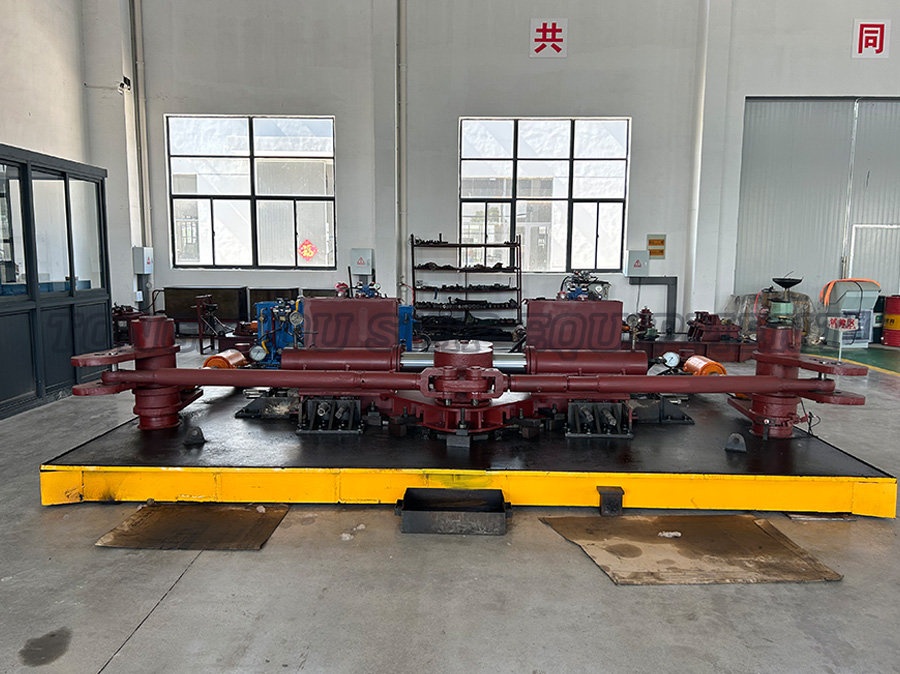
Fork-Type Actuation Devices are widely implemented in industries requiring precise linear or angular control:
- Automated production lines for precise part positioning
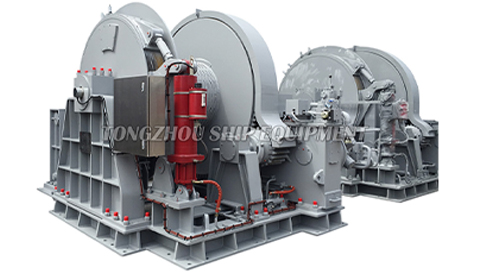
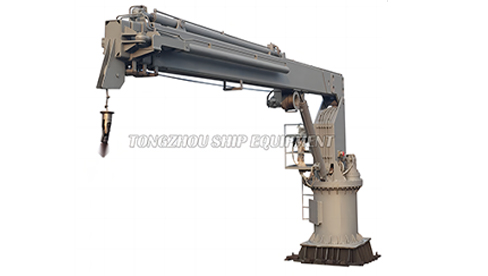
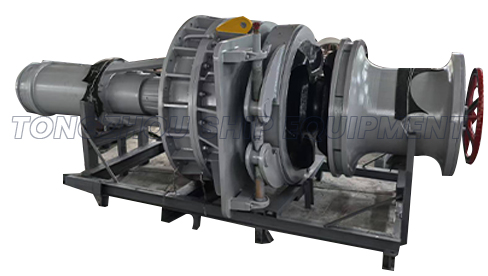
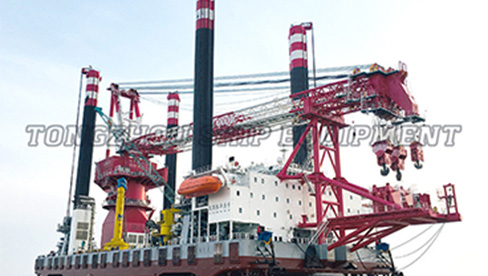
- Marine deck equipment such as hatch covers, winches, and anchor handling systems
- Heavy machinery requiring controlled movement of arms or gates
- Robotic assembly for manufacturing and material handling
- Energy systems for valve actuation, turbine control, or gate positioning
- Construction and lifting equipment for reliable motion control under high load
Advantages
Key benefits of Fork-Type Actuation Devices include:
- Precise control of linear and angular movements
- High load capacity suitable for heavy-duty applications
- Robust fork mechanism for consistent performance under stress
- Flexible integration with electric, hydraulic, or pneumatic drives
- Reduced maintenance due to reinforced design and quality components
- Compact and modular design for easy installation
- Built-in safety features to protect both operator and equipment
Materials and Structure
The devices are constructed using high-strength steel alloys for the fork arms and base structure, with precision-machined pins and bearings ensuring smooth movement. The housing can be made from aluminum or corrosion-resistant steel for marine or industrial environments. Seals and protective coatings are applied to prevent dust, moisture, and chemical ingress, while internal lubrication systems optimize service life and reduce friction.