English
  عربى
عربى  中文简体
中文简体 
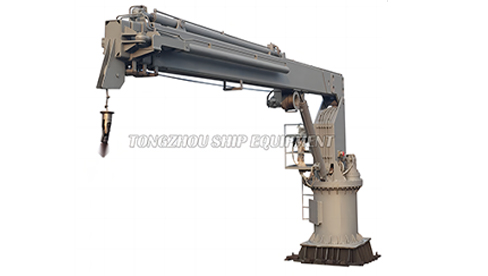
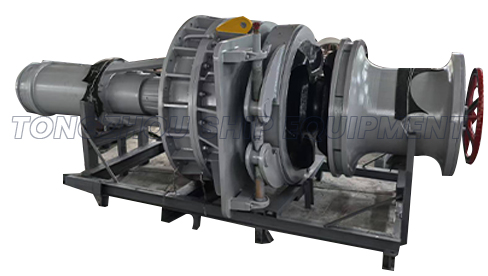
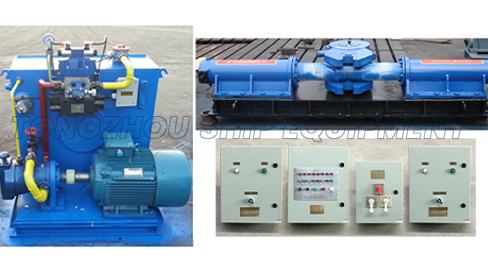
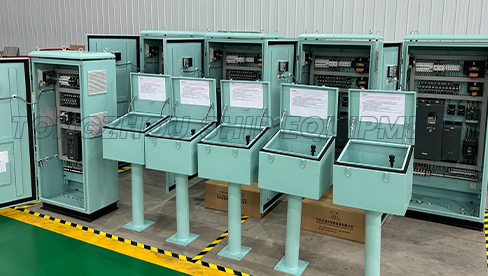
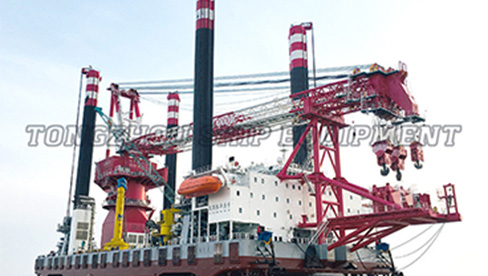

Specification
| Load Capacity | 10 to 500 tons, depending on model and configuration |
| Lift Height | 3 to 40 meters, customizable per operational requirement |
| Boom Type | Telescopic, fixed, or articulated booms with variable reach |
| Power Source | Electric, hydraulic, or diesel engines with optional hybrid configurations |
| Rotation | 360-degree slewing available for most cranes; limited rotation for winches and hoists |
| Control Systems | Manual, remote, or automated PLC-controlled operation |
| Safety Features | Overload protection, emergency stop, anti-collision systems, and load sensors |
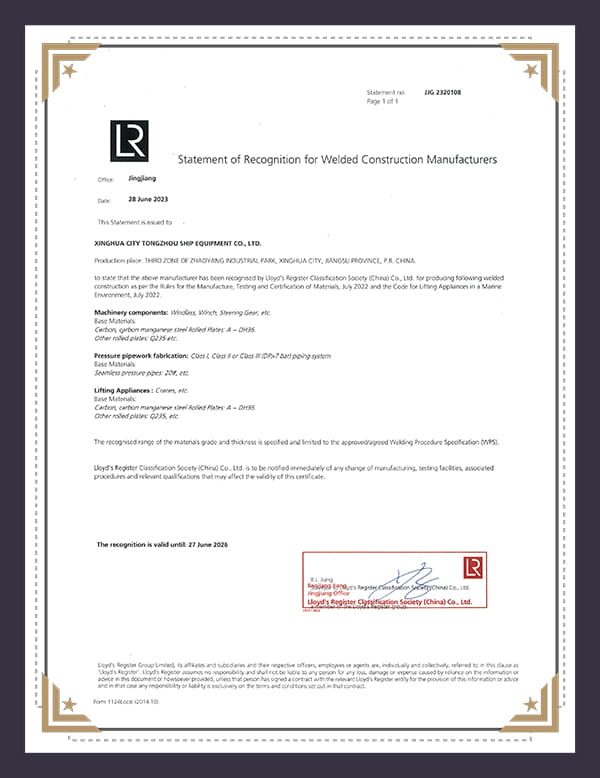
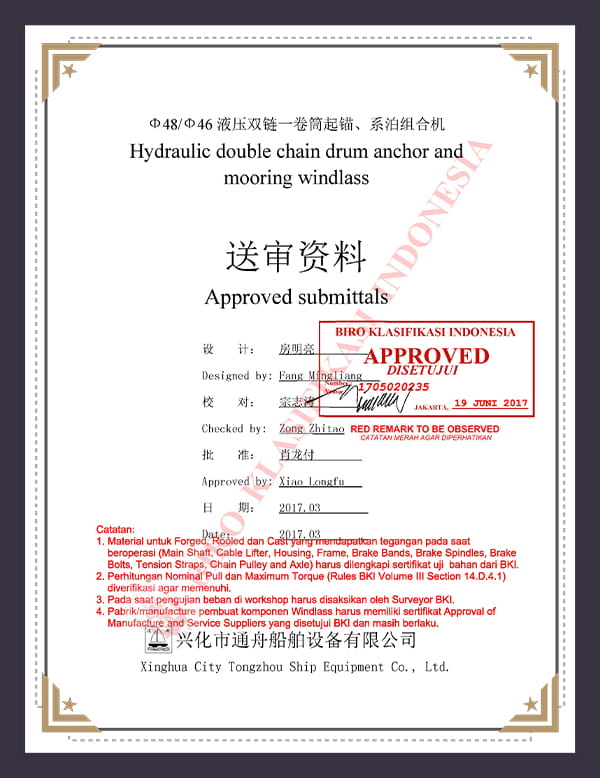
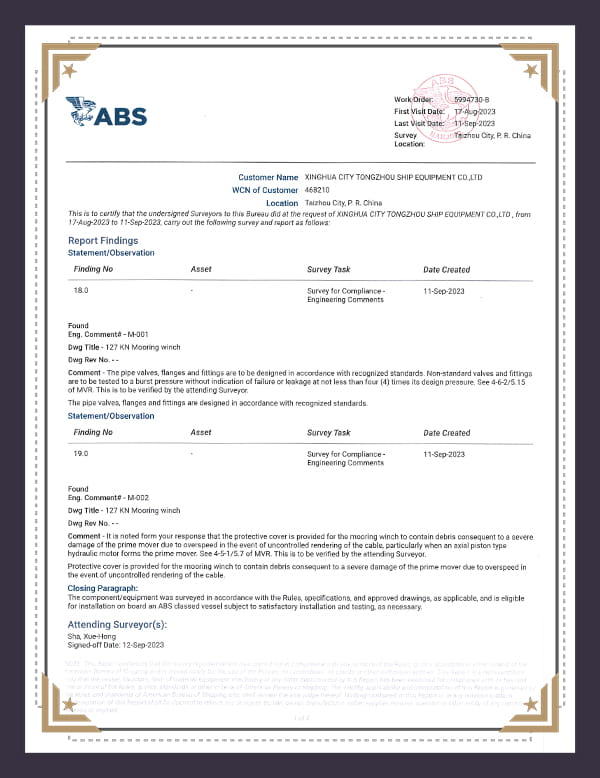
| Compliance | ISO 9001, ISO 14001, and applicable maritime or industrial safety standards |
Application
Heavy Load Hoisting Devices are essential in a variety of demanding environments:
- Construction sites for lifting prefabricated structures, steel beams, and heavy machinery
- Maritime operations for loading/unloading containers, engines, or offshore equipment
- Industrial plants for moving heavy materials, equipment assembly, and maintenance tasks
- Shipyards and ports requiring precise handling of large cargo or components
- Mining operations where oversized equipment or bulk materials are moved regularly
- Infrastructure projects, such as bridge or dam construction, needing high-capacity hoisting solutions
Advantages
The advantages of Heavy Load Hoisting Devices include:
- High lifting capacity with robust, stable construction for extreme loads
- Enhanced safety features including overload protection and emergency stop mechanisms
- Flexible installation on decks, industrial floors, or permanent frameworks
- Durability in harsh environments with corrosion-resistant and weatherproof materials
- Precision handling with smooth and controlled lifting/lowering operations
- Versatility in power options and control systems, including remote and automated solutions
Materials and Structure
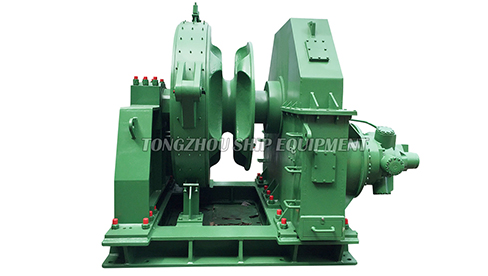
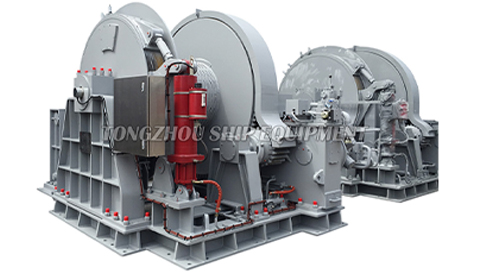
Heavy Load Hoisting Devices are manufactured using high-strength alloy steels and specialized composites for load-bearing components. Key structural elements, such as booms, frames, and joints, are reinforced with gussets, welds, and hardened pins to ensure long-term durability.
Protective coatings, galvanization, and marine-grade paints are applied to resist corrosion and wear, particularly for equipment used in maritime or outdoor environments. Bearings, gears, and pulleys are made from hardened alloys to withstand repeated heavy-load cycles while maintaining precise operation.