English
  عربى
عربى  中文简体
中文简体 
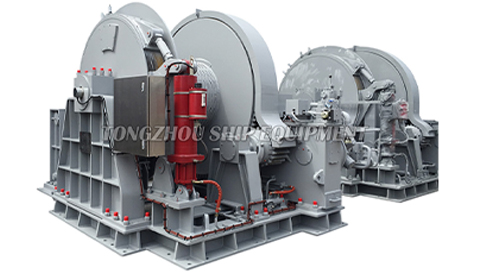
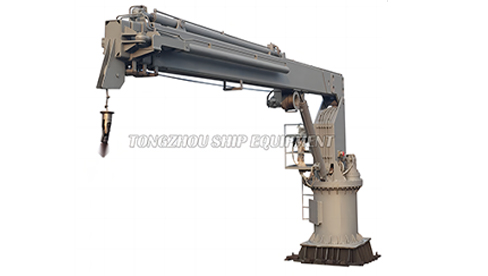
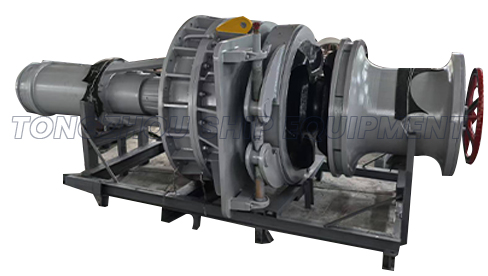
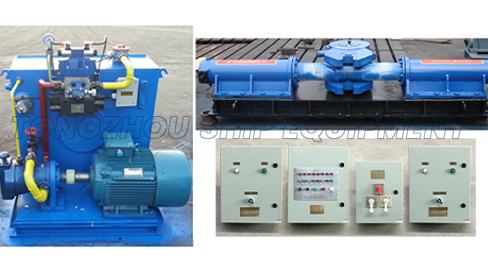

Specification
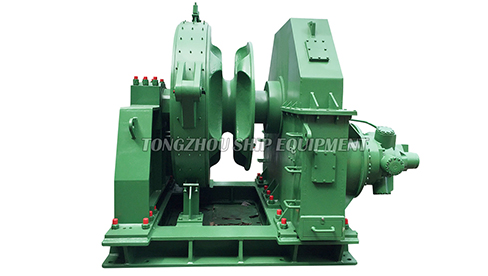
| Rated Pull Capacity | 30 kN to 650 kN depending on unit configuration |
| Line Compatibility | Steel wire ropes, synthetic mooring lines, composite cables |
| Drive Type | Hydraulic or electric motor with planetary or helical gearbox |
| Control Mode | Local, remote, or integrated bridge control interface |
| Speed Range | 0–8 m/min for precise slow-pull operations |
| Brake System | Hydraulic or mechanical disc brake with fail-safe and emergency stop |
| Duty Cycle | Continuous heavy-duty operation under high torque loads |
| Environmental Protection | Marine-grade coatings, corrosion-resistant housings, and sealed gearboxes |
Application
These pull units are used in operations requiring controlled high-torque, low-speed pulling of heavy lines or cables. Common applications include:
- Mooring large commercial vessels, tankers, and container ships
- Offshore support vessels managing multiple lines and dynamic positioning
- FPSOs and floating platforms requiring slow, controlled line deployment
- Tugboats assisting heavy towing or berthing operations
- Marine construction and offshore installations requiring careful handling of cables, anchors, and mooring lines
Advantages
Low Speed High Torque Pull Units provide key operational advantages:
- Controlled low-speed operation reduces sudden line stresses and jerks
- High torque capability enables handling of heavy and long lines
- Reliable braking system ensures safe tension control under extreme conditions
- Durable and corrosion-resistant construction for offshore and marine environments
- Flexible control modes allow both manual and automated operation
These advantages enhance crew safety, prolong line life, and reduce equipment wear, making operations more predictable and efficient.
Material and Structure
The main frame and structural components are made of high-strength steel or cast alloy to resist torsion, bending, and fatigue under heavy loads. Shafts, gears, and drive assemblies are precision-machined and heat-treated for long-term torque transmission and minimal wear.
Bearings are chosen to handle combined axial and radial loads, while high-quality seals protect against seawater, dust, and debris. All exterior surfaces are treated with marine-grade coatings, ensuring long-term resistance to corrosion and harsh marine environments.