English
  عربى
عربى  中文简体
中文简体 
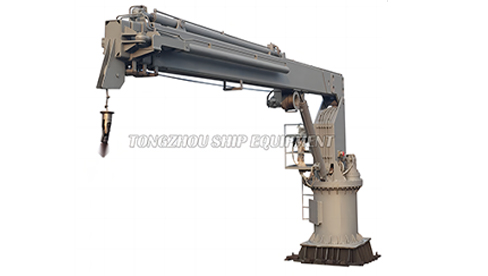
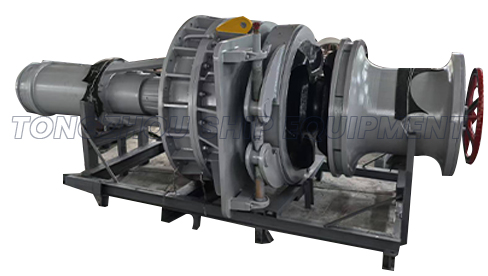
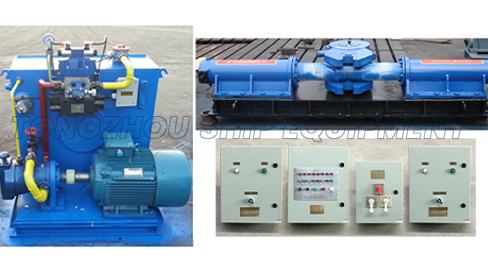
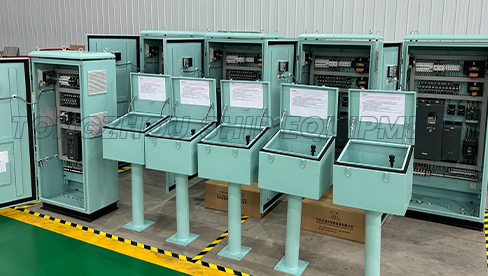
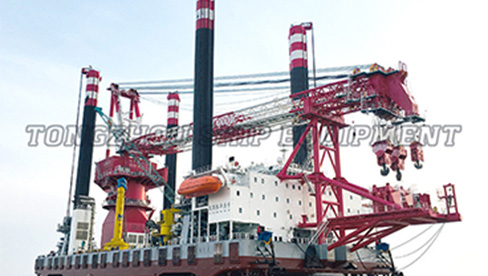


When your vessel needs to heave anchor quickly in a squall, or adjust mooring line tension precisely at the dock, a reliable anchor winch windlass is the core of safe deck operations. Although the terms windlass and winch are often used interchangeably, they perform distinct jobs: a windlass uses a gypsy wheel to handle anchor chain, while a winch uses a drum to handle ropes or cables. Choosing the right equipment depends on vessel size, anchor weight, drive type, and deck layout, and these factors directly affect operational safety and maintenance costs over the vessel's service life.
Content
What Is an Anchor Winch Windlass?
An anchor winch windlass is a deck-mounted machine that raises, lowers, and restrains the anchor chain or mooring lines on a vessel. It is essentially the muscle of your anchoring system, responsible for handling the heavy loads exerted by the anchor and rode in all sea conditions.
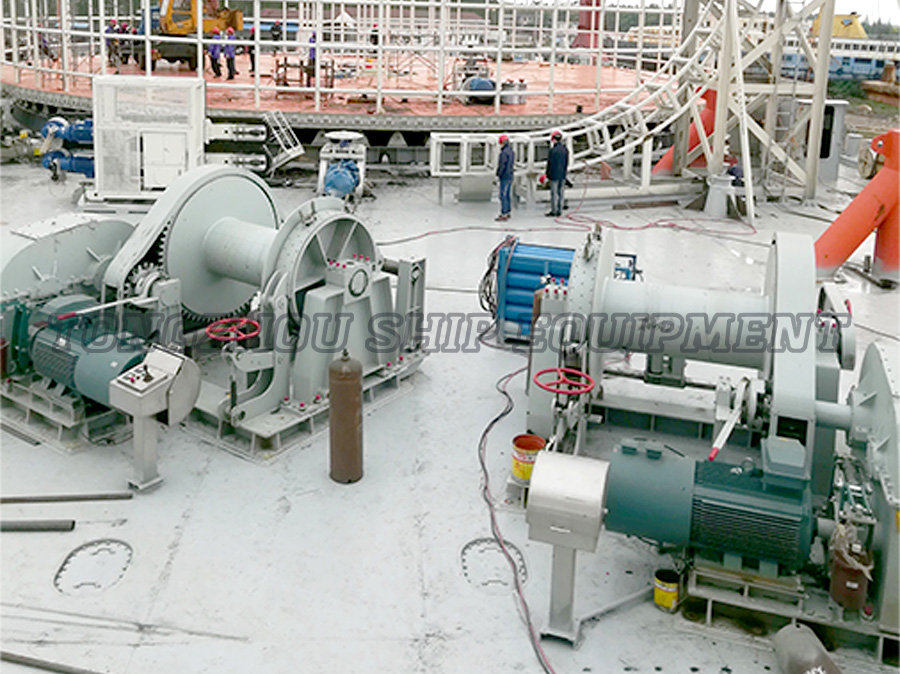
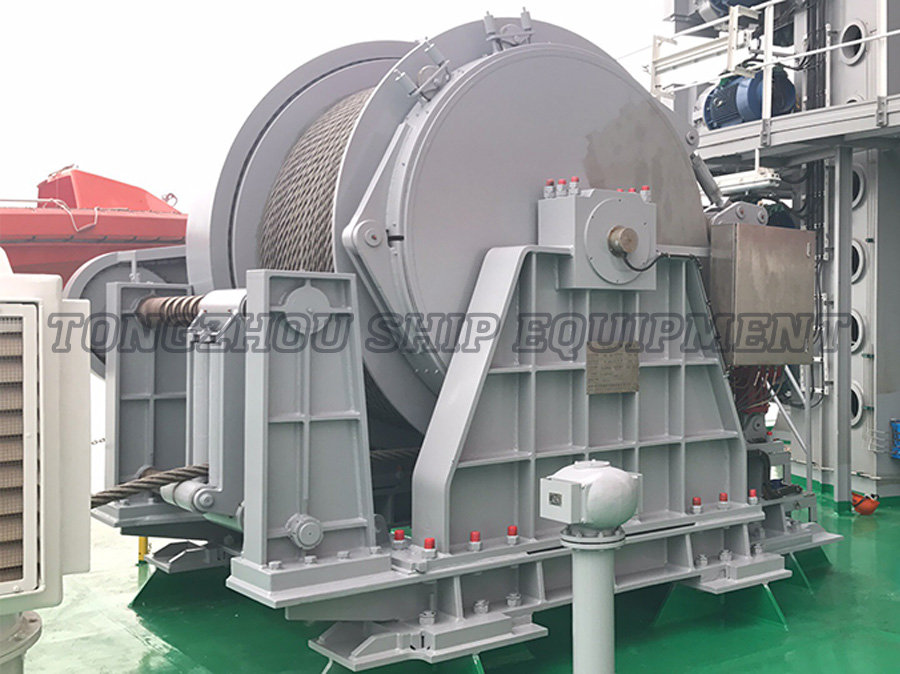
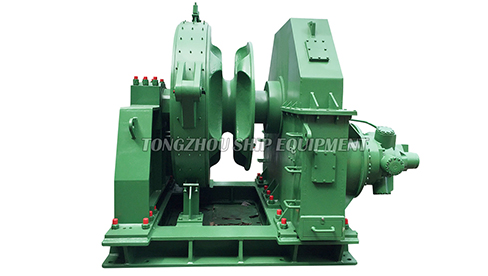
A windlass typically consists of the drive unit (hydraulic motor, electric motor, or diesel engine), a gypsy wheel for chain engagement, a drum for rope or cable handling, a transmission mechanism, and a braking system. The gypsy wheel has specifically shaped pockets that grip the anchor chain links and pull them through without slipping. The drum, when present, allows the unit to handle mooring lines as well.
The company's product lineup includes hydraulic, electric, and diesel-driven windlasses and winches, covering chain diameters from Ø12.5 mm to Ø152 mm and pull capacities from 10 kN to 3000 kN. For vessels that need both anchoring and mooring capability in one deck unit, combined windlass and mooring winch packages are available. To understand how chain handling equipment fits into the broader anchor system, you may refer to Anchor Chain Handling Equipment.
Anchor Windlass vs. Anchor Winch: Key Differences
The primary difference is that a windlass uses a gypsy wheel to handle anchor chain, while a winch uses a drum to handle rope or cable. This distinction drives every other difference in design, performance, and suitability.
| Feature | Anchor Windlass | Anchor Winch |
|---|---|---|
| Primary function | Raise, lower, and restrain anchor chain | Haul and tension mooring lines or cables |
| Core component | Gypsy wheel with chain pockets | Smooth drum or split drum |
| Load type | High shock loads from anchor and chain | Continuous tension from dock lines |
| Free-fall capability | Common on hydraulic models | Rare |
| Typical use | Anchoring operations | Mooring and towing |
A windlass is designed to handle the anchor chain specifically. The gypsy wheel's pockets match the chain's pitch and diameter, giving positive control without relying on friction. In contrast, a winch's drum relies on friction between the drum surface and the rope, which is effective for line handling but less suited for chain.
Choosing between them depends on your deck machinery set-up. If you only need to raise and lower an anchor, a dedicated windlass is the right choice. If your vessel also requires frequent mooring line adjustments, a combined windlass and mooring winch unit can simplify the deck layout.
Types of Anchor Winch Windlasses by Drive System
Hydraulic, electric, and diesel drive systems each serve different vessel profiles, and choosing between them is a matter of available power, required torque, and budget.
Hydraulic Windlass
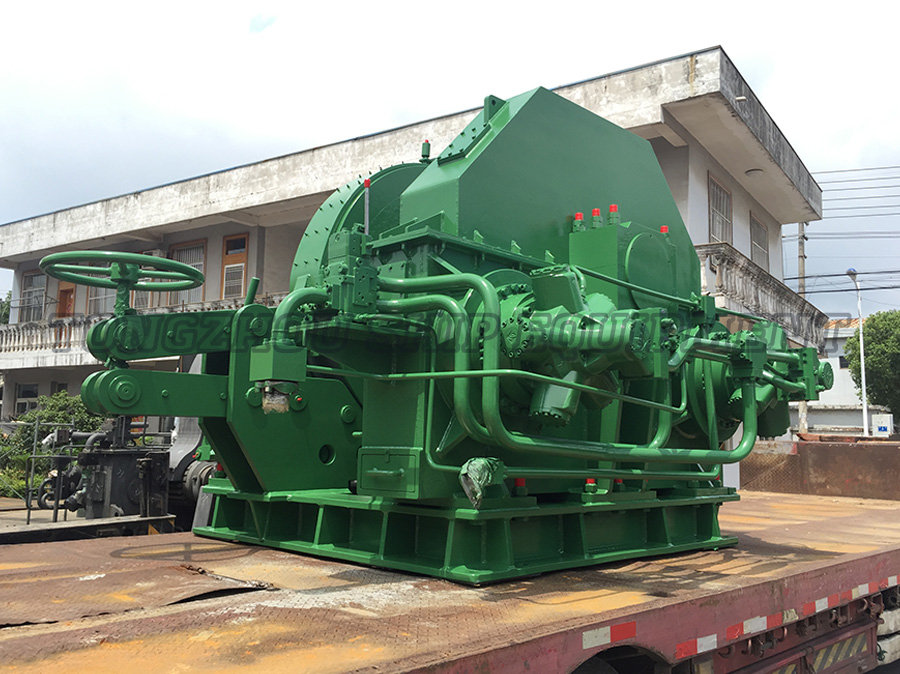
Hydraulic windlasses are the default choice for heavy-duty commercial vessels and offshore working vessels that need high torque, precise chain speed control, and reliable performance in rough conditions. A hydraulic system can deliver very high torque at low speed, which is exactly what a large anchor chain needs when breaking free from the seabed. Hydraulic units also offer smooth speed control and the ability to absorb shock loads without damage to the motor.
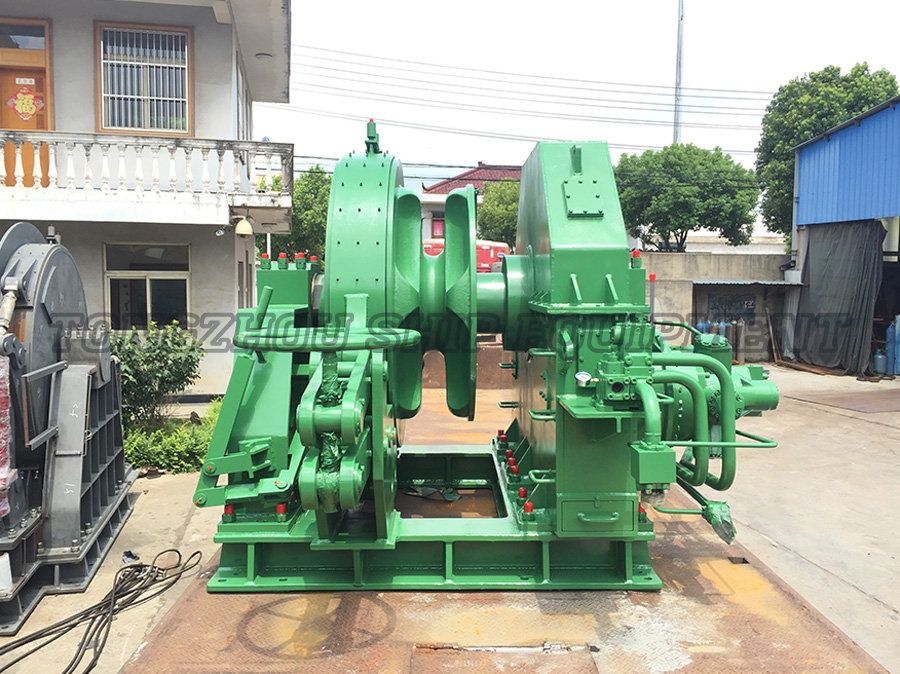 Marine Hydraulic Anchor Windlass for Heavy-Duty VesselsThis hydraulic windlass delivers high torque at low speed, ideal for breaking free heavy anchors in rough conditions. It offers smooth speed control and shock absorption, suitable for commercial and offshore vessels.View Product →
Electric Windlass
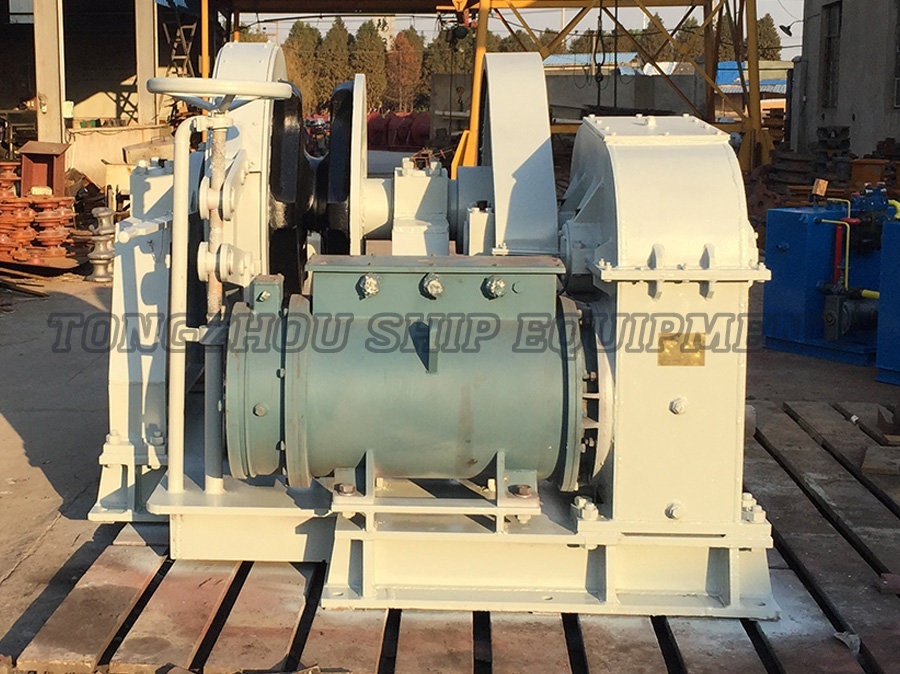
Electric windlasses are widely used on mid-sized vessels, yachts, and workboats where an electrical supply is available. They are simpler to install than hydraulic systems, have a smaller footprint, and generally cost less for the same rated pull. For chain diameters in the smaller to mid-range, an electric windlass with a DC or AC motor offers dependable service with manageable power consumption. Safety features such as circuit protection and emergency release are standard on reputable units.
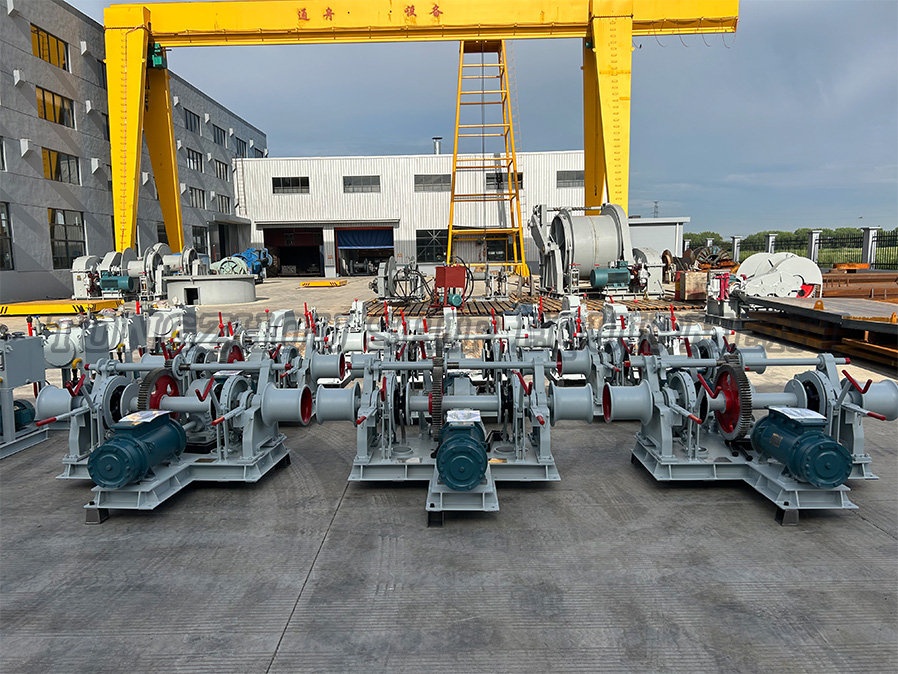 Marine Electric Windlass for Mid-Sized VesselsThis electric windlass is a cost-effective solution for vessels with electrical supply. It has a compact footprint, easy installation, and dependable performance for smaller to mid-range chain diameters.View Product →
Diesel-Driven Windlass
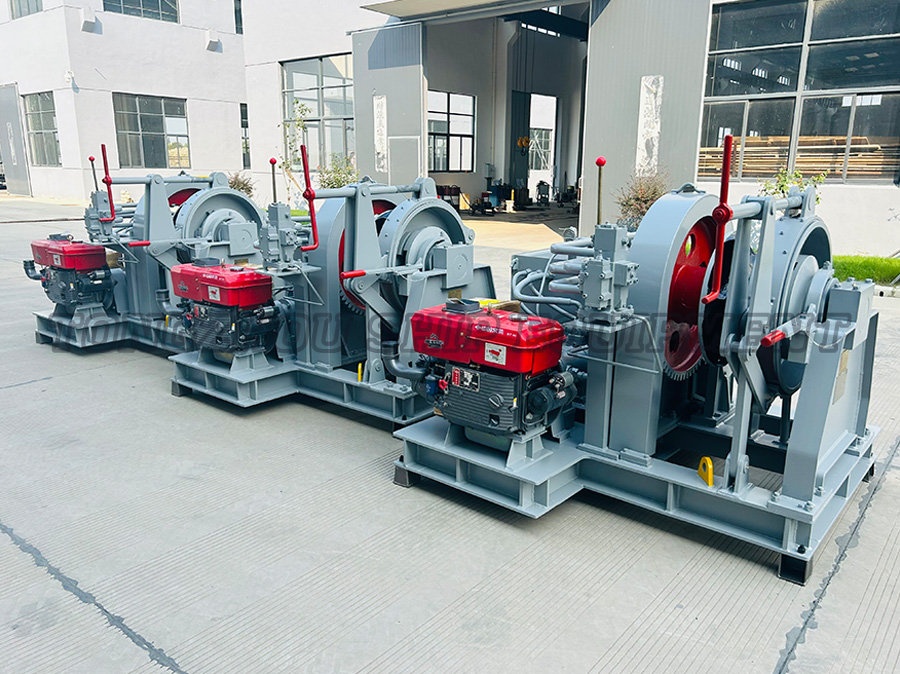
A diesel-driven windlass is selected for vessels and sites where no reliable electrical or hydraulic power source exists. The diesel engine drives the windlass directly or through a hydraulic transmission, providing independent power without depending on the ship's electrical system. This configuration is often found on barges, workboats, and vessels that lack a full electrical power plant.
| Drive Type | Torque Density | Installation Complexity | Maintenance | Typical Vessel |
|---|---|---|---|---|
| Hydraulic | High | Medium | Medium | Commercial vessels, offshore |
| Electric | Medium | Low | Low | Yachts, mid-size workboats |
| Diesel | High | High | High | Barges, remote sites |
How to Select the Right Anchor Winch Windlass
Matching chain diameter, rated pull, and drive type to your vessel's operating profile is the most reliable way to choose the right windlass.
First, the gypsy wheel must match your anchor chain's size and pitch. The company's windlasses accept chain diameters from Ø12.5 mm to Ø152 mm, which covers most commercial and recreational vessels. Second, the rated pull must exceed the anchor's holding load by a sensible margin. For example, a vessel with a 2-tonne anchor in a moderate anchorage typically requires a windlass with a rated pull of at least 50 kN, though the exact figure depends on scope, water depth, and seabed conditions.
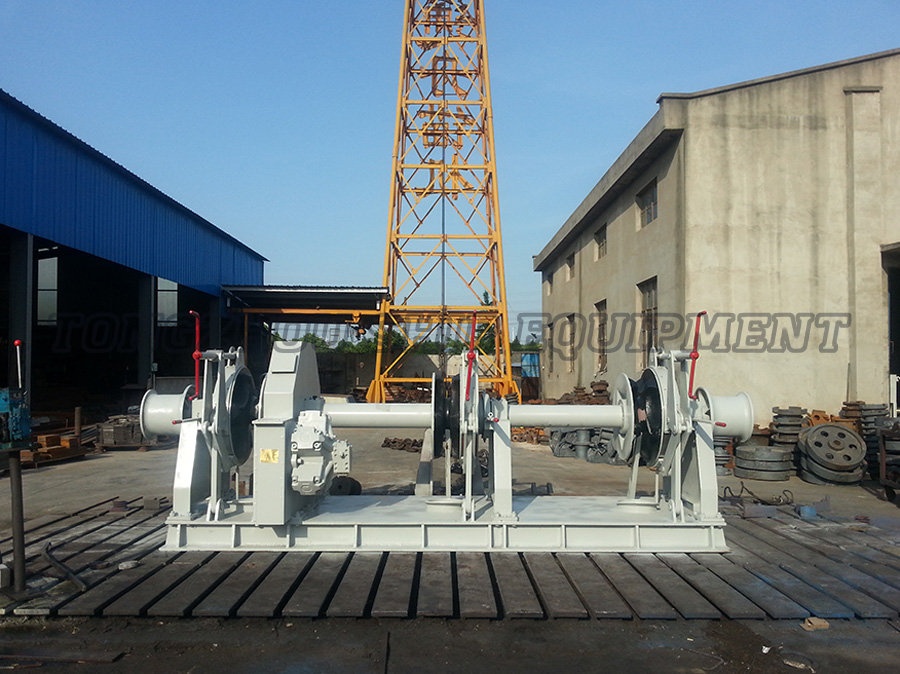
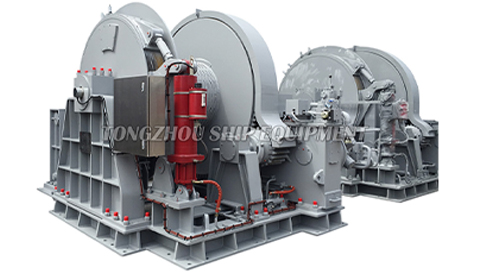
Third, decide on drive type based on your available power supply. Hydraulic drives are preferable for heavy anchors and deep water; electric drives are simpler for mid-range installations; diesel drives suit unmanned or remote operations. Fourth, consider whether a combined unit serving both anchoring and mooring makes sense for your deck layout. A hydraulic combined windlass and mooring winch can save deck space and reduce the number of separate machines.
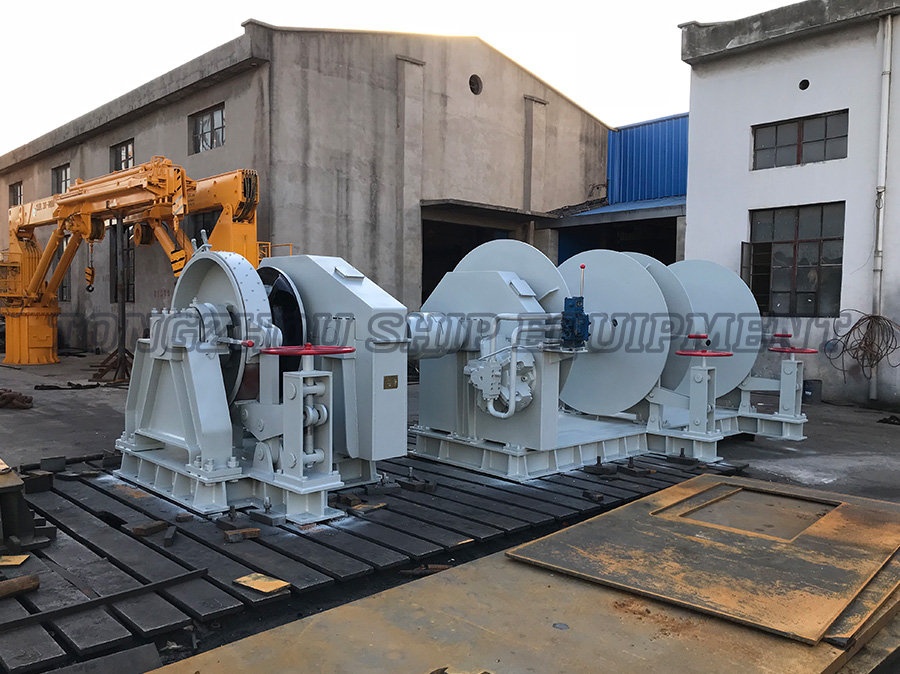 Hydraulic Combined Windlass and Mooring WinchThis combined unit saves deck space by integrating anchoring and mooring functions. It is driven hydraulically, providing reliable power for heavy-duty operations and can be certified by major classification societies.View Product →
Finally, check classification society requirements. Deck equipment that will be installed on classed vessels typically needs certification from bodies such as CCS, BV, ABS, LR, DNV, NK, KR, or BKI. The manufacturer should supply the necessary documentation to support the certification process.
Installation and Maintenance Considerations
Proper installation and regular maintenance are far more important than the initial price when it comes to long-term reliability.
Position the windlass on a reinforced deck section that can handle the design loads. The foundation plate must be flat and rigid enough to transmit loads to the hull structure without deflection. Leave adequate clearance around the unit for servicing the motor, brake, and gypsy wheel.
On the maintenance side, inspect the chain locker, gypsy wheel pockets, and brake pawls regularly. Grease the chain according to the chain manufacturer's schedule, and check oil levels in hydraulic units according to the oil analysis plan. Electrical systems should be inspected for corrosion and tight terminals. Many common windlass failures stem from neglected corrosion, worn chain pockets, or incorrect brake adjustment. For a complete checklist, refer to the manufacturer's windlass maintenance guide.
Frequently Asked Questions
Can a windlass and a winch be used interchangeably?
They can, but only within limits. A windlass with a gypsy wheel is purpose-built for chain. A winch with a smooth drum is purpose-built for rope. Using a winch to haul chain will cause chain jamming and rapid wear. Conversely, using a windlass gypsy to haul rope will damage the rope fibers. Some combined units have both, so you can handle either without problems.
Which is better: electric or hydraulic windlass?
For heavy anchors and commercial duties, hydraulic is usually the better choice due to higher torque density and smoother control. For mid-range vessels and yachts, electric windlasses provide simpler installation and lower total cost.
How do I know the correct windlass size for my vessel?
Start with the anchor chain diameter and the expected anchor weight. The windlass must be rated to heave both the anchor and the hanging chain, with capacity to spare. A rough guideline is that the working pull of the windlass should be about 2 to 3 times the combined weight of anchor plus chain.
Is a windlass necessary on small boats?
If you routinely anchor in sheltered waters and the anchor can be handled by hand, a windlass is optional. For any vessel above 30 feet, or when anchoring frequently, an electric or hydraulic windlass saves significant physical strain and improves safety.
What does emergency release do on a hydraulic windlass?
Emergency release allows the operator to drop the anchor by releasing the brake, letting the chain run out freely under the weight of the anchor. This is essential in emergencies where the vessel must anchor instantly to avoid danger.