English
  عربى
عربى  中文简体
中文简体 
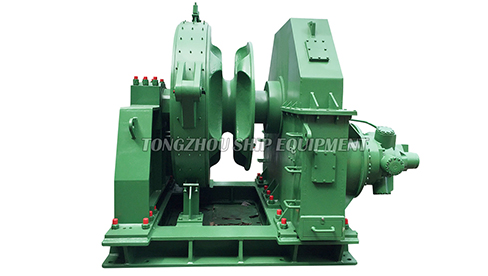
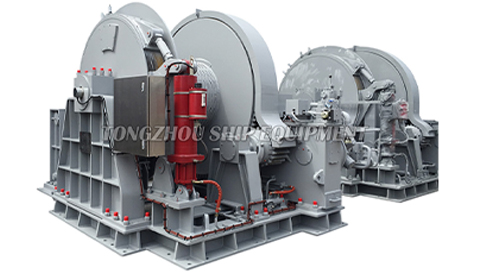
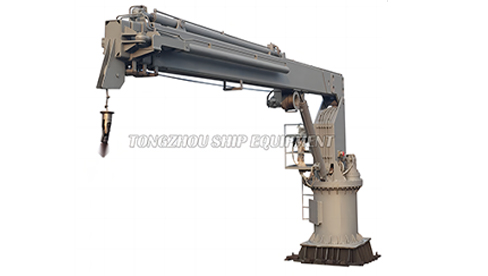
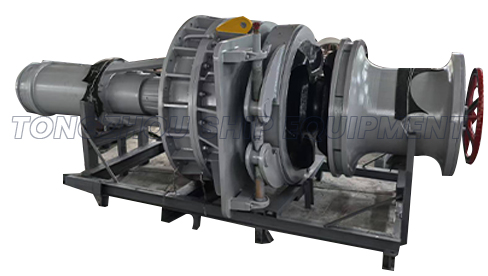
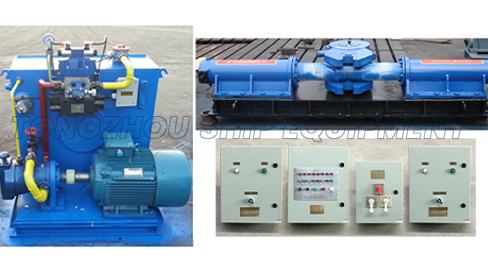
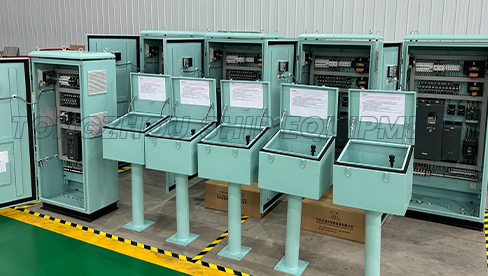
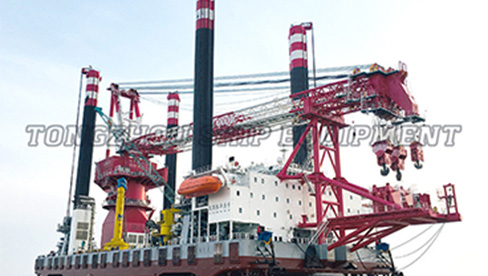


An anchor chain stopper is a rugged deck-mounted mechanism designed to grip and hold the anchor chain securely in place, preventing any unintended movement of the anchor while the vessel is underway or anchored. It works by applying a direct mechanical lock onto a single link of the chain, transferring the immense static and dynamic loads from the chain directly into the reinforced hull structure rather than allowing those forces to strain the windlass brake. Understanding exactly what an anchor chain stopper is and how it functions is vital for anyone responsible for vessel safety, because this relatively compact piece of deck hardware acts as the final, irreversible barrier against accidental anchor loss and the catastrophic consequences that can follow.
Content
- What Is an Anchor Chain Stopper and What Problem Does It Solve?
- How Does an Anchor Chain Stopper Work Mechanically?
- Main Types of Anchor Chain Stoppers and Their Applications
- Critical Factors in Selecting an Anchor Chain Stopper
- Installation and Deck Reinforcement Requirements
- Routine Inspection and Maintenance Procedures
- Frequently Asked Questions About Anchor Chain Stoppers
What Is an Anchor Chain Stopper and What Problem Does It Solve?
An anchor chain stopper is the definitive load-bearing restraint that locks the anchor chain when the anchor is fully housed, solving the critical problem of windlass brake failure and ensuring the anchor cannot release accidentally under any sea condition. The windlass, while equipped with a powerful brake, is primarily intended for controlled lowering and retrieval of the anchor. Over weeks and months at sea, brake band linings wear, hydraulic pressure can bleed down, and vibration can cause the wildcat clutch to creep. A dedicated chain stopper completely removes these failure risks by clamping the chain independently of the windlass. According to the International Association of Classification Societies (IACS) Unified Requirement UR S1, every seagoing ship must be fitted with chain stoppers that can withstand a holding load equal to 80% of the minimum breaking strength of the anchor chain. For a mid-sized cargo vessel using a 73 mm diameter Grade U3 stud-link chain with a breaking strength of approximately 3,920 kilonewtons (kN), the stopper must be capable of holding a staggering 3,136 kN without permanent deformation. This engineered strength ensures that even when a ship pitches violently in heavy weather, the anchor remains exactly where it should be, fully housed and absolutely secure.
How Does an Anchor Chain Stopper Work Mechanically?
An anchor chain stopper works by using a wedge-shaped bar, a pivoting pawl, or a hydraulically driven clamp to engage a single link of the chain and force it against a robust base plate, creating a high-friction lock that prevents any chain movement. In the most common guillotine-type stopper, a heavy steel knife-edge bar slides vertically down between two chain links. When the bar drops fully, its angled face presses the link tightly against a machined seat, converting any pull on the chain into an even tighter wedging force. The geometry ensures that the harder the chain pulls, the more firmly the stopper grips. This self-tightening principle is key to the reliability of the anchor chain stopper, because it requires no external power, no continuous hydraulic pressure, and no crew intervention once locked. The entire assembly is bolted or welded to a base plate that is in turn welded to heavily reinforced deck plating, distributing the load across stiffeners and girders. When the crew needs to deploy the anchor, they simply lift the stopper bar or release the pawl, and the chain is free to run out under windlass control. Once the anchor is hauled back in, the stopper is re-engaged immediately, and the windlass can be left with its brake lightly set, preserving the brake lining for actual anchoring operations.
Main Types of Anchor Chain Stoppers and Their Applications
Several distinct types of anchor chain stoppers are used across the maritime industry, each optimized for a specific vessel size, chain diameter, and operational profile. The table below compares the four primary stopper designs, highlighting how their engagement mechanisms and holding capacities align with different ship types.
| Stopper Type | Engagement Method | Typical Chain Diameter | Primary Vessel Application |
|---|---|---|---|
| Guillotine (Knife-Edge) Stopper | Vertical sliding wedge locks between links | 50–130 mm | Bulk carriers, tankers, container ships |
| Roller Pawl Stopper | Spring-loaded pawl rides over chain then locks behind link | 10–40 mm | Yachts, workboats, secondary stopper on large ships |
| Toggle (Turnbuckle) Stopper | Screw-tensioned claw grips a chain link | 15–50 mm | Small commercial vessels, fishing boats, emergency backup |
| Hydraulic Chain Stopper | Hydraulic cylinders close clamp or wedge remotely | 50–150 mm | Offshore supply vessels, dynamically positioned ships, naval ships |
Critical Factors in Selecting an Anchor Chain Stopper
The selection of an anchor chain stopper depends on several critical factors that must all be satisfied to ensure safe, reliable performance over the vessel's lifetime. The following key considerations must be evaluated before a purchase or retrofit decision is made:
- Chain diameter and grade: The stopper must be designed specifically for the exact chain link dimensions. An undersized stopper will not fully engage the links, while an oversized one can cause point loading and damage the chain surface over time.
- Holding capacity rating: The stopper's safe working load must meet or exceed 80% of the chain's minimum breaking strength as mandated by class rules. Always verify the manufacturer's test certificate matches the vessel's chain specification.
- Deck layout and approach angle: The chain should enter the stopper in a straight line from the windlass. Any lateral deflection increases wear on the stopper jaws and can lead to binding or incomplete locking.
- Classification society approval: Ensure the stopper carries type approval from a recognized classification body such as Lloyd's Register, DNV, or ABS, confirming it has been tested and certified for marine use.
- Corrosion protection: For vessels operating in saltwater environments, the stopper material and coating system must be compatible with the deck preservation scheme to prevent galvanic corrosion at the mounting interface.
Installation and Deck Reinforcement Requirements
Installing an anchor chain stopper is a structural engineering task that demands doubling plates, heavy stiffeners, and full-penetration welds to create a load path capable of handling forces that can exceed 4,000 kN without permanent deformation or cracking. The process must follow a strict sequence to guarantee the integrity of the entire assembly. The key steps in a professional installation are:
- Prepare the deck foundation: Verify that the deck insert plate and under-deck stiffeners meet the specified thickness and are aligned with the planned stopper position. All surfaces must be cleaned to bare metal prior to welding.
- Position and tack-weld the stopper base: With the anchor chain fully tensioned and running in a straight line through the intended stopper location, the base plate is set in place and tack-welded. This alignment step ensures the chain will not side-load the stopper during use.
- Complete full-penetration welding: All structural welds between the base plate and the deck insert are completed using qualified procedures. Non-destructive testing by ultrasonic or magnetic particle methods is performed on all weld seams to detect any flaws.
- Bolt the stopper body to the base: The stopper body is secured with high-tensile bolts tightened to the manufacturer's specified torque. Lock nuts and keeper plates are installed to prevent loosening from vibration.
- Conduct a load test: A static load equal to 80% of the chain's breaking strength is applied and held for a prescribed duration. The entire assembly is inspected for any movement, permanent deformation, or crack initiation. Only after passing this test is the anchor chain stopper certified ready for service.
Routine Inspection and Maintenance Procedures
An anchor chain stopper must undergo both daily visual checks by the deck crew and in-depth non-destructive examinations during each special survey period to detect cracks, corrosion, or deformation before they compromise holding strength. The daily inspection, conducted once per watch while at sea, involves confirming that the stopper is fully engaged with the wedge or pawl seated squarely on a chain link and that no daylight is visible between the locking element and the chain. Any gap indicates the stopper is not locked correctly and must be re-seated immediately. At the monthly planned maintenance interval, the hinge pins should be greased, the sliding surfaces of the wedge inspected for galling, and the bolt torques checked against the manufacturer's specifications. During the five-year special survey, the stopper is typically stripped down for magnetic particle or dye penetrant inspection of the wedge, the pawl, and the hinge pin bores. Fatigue cracks frequently initiate at the radius of the hinge pin hole or at the toe of the base plate weld. The anchor chain stopper is also tested under reduced load to verify it still holds without slipping; any movement indicates wear on the wedge face and necessitates re-machining or replacement of the contact surfaces.
Frequently Asked Questions About Anchor Chain Stoppers
Why can't the windlass brake serve as the sole chain restraint?
The windlass brake is designed for dynamic control during anchor lowering and for temporary holding, not for permanent stowage at sea. Brake linings wear, hydraulic pressure decays, and accidental release of the clutch can occur. A dedicated anchor chain stopper provides a positive, irreversible mechanical lock that does not rely on friction material or fluid power. Classification societies require a stopper precisely because the windlass brake alone is insufficiently reliable for long-term chain security.
What is the difference between a chain stopper and a chain compressor?
A chain compressor is a lighter device that holds the chain against the windlass wildcat to prevent it from riding up during hauling. It is not designed to carry the full weight and dynamic forces of the anchor and chain. An anchor chain stopper is a heavy, structurally integrated component rated to the chain's breaking strength. The two are not interchangeable, and a compressor must never be used as a substitute for a proper stopper.
How can I tell if my chain stopper needs repair or replacement?
Signs that an anchor chain stopper needs immediate attention include visible cracks on the wedge, bar, or pawl; deformation of the base plate or bolt holes; excessive play in the hinge pins; and any evidence of chain slippage under load, such as polished or gouged marks on the chain link where the stopper contacts. If the stopper fails to lock securely with full surface contact, it must be taken out of service until repaired or replaced.
Do all ships require an anchor chain stopper by law?
Yes. The International Convention for the Safety of Life at Sea (SOLAS) and the rules of all major classification societies mandate that anchoring equipment include a chain stopper capable of withstanding the prescribed load. A vessel cannot obtain or maintain its statutory certificates without a properly installed, tested, and certified anchor chain stopper.
From the moment the anchor clears the water to the instant it is needed again, the anchor chain stopper stands as the silent, unyielding guardian of the entire anchoring system. Its presence ensures that the heavy ground tackle remains exactly where it belongs, that the windlass gears are spared from constant strain, and that the vessel never faces the nightmare of an anchor plunging uncontrolled toward the seabed. Proper selection, installation, and diligent maintenance of this essential device are non-negotiable aspects of professional seamanship and safe ship operation.