English
  عربى
عربى  中文简体
中文简体 
News

What Makes an Electric Windlass Anchor Ideal for Modern Boats?
 2026.02.24
 Industry News
A windlass electric system is transforming how boaters handle anchors, offering convenience, safety, and efficiency. From small recreational boats to large yachts, the integration of an electric windlass for boats ensures smooth anchoring and reduces the physical effort needed.
Content
- What is a Windlass Electric?
- Advantages of an Electric Windlass for Boats
- Types of Electric Windlass
- Choosing the Right Electric Windlass for Boats
- Installation Tips for Windlass Electric
- Comparing Manual vs. Electric Windlass
- Maintenance and Troubleshooting of Electric Windlass Anchors
- FAQ About Electric Windlass
- Conclusion
What is a Windlass Electric?
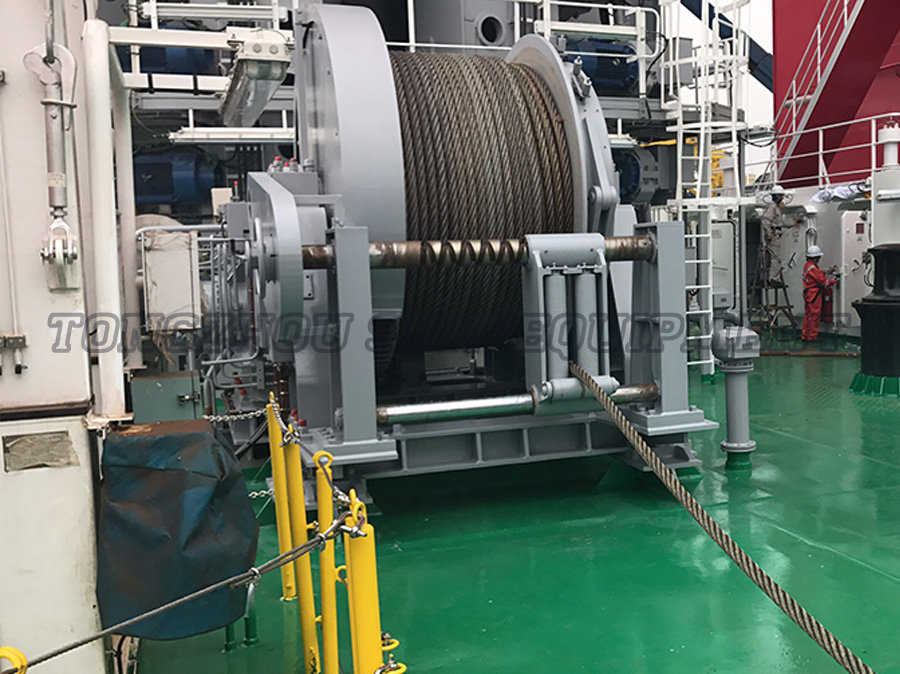
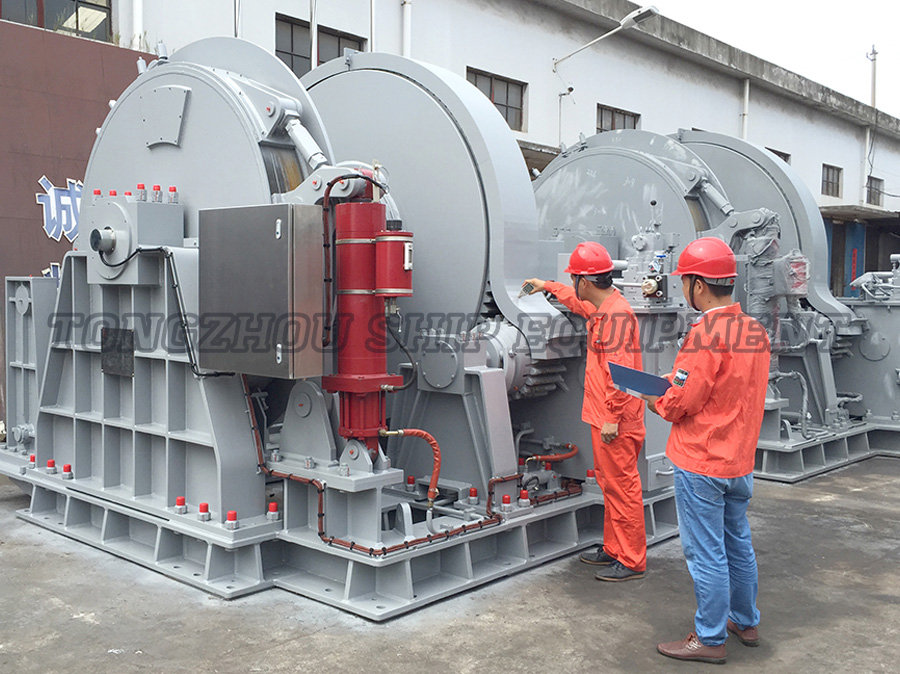
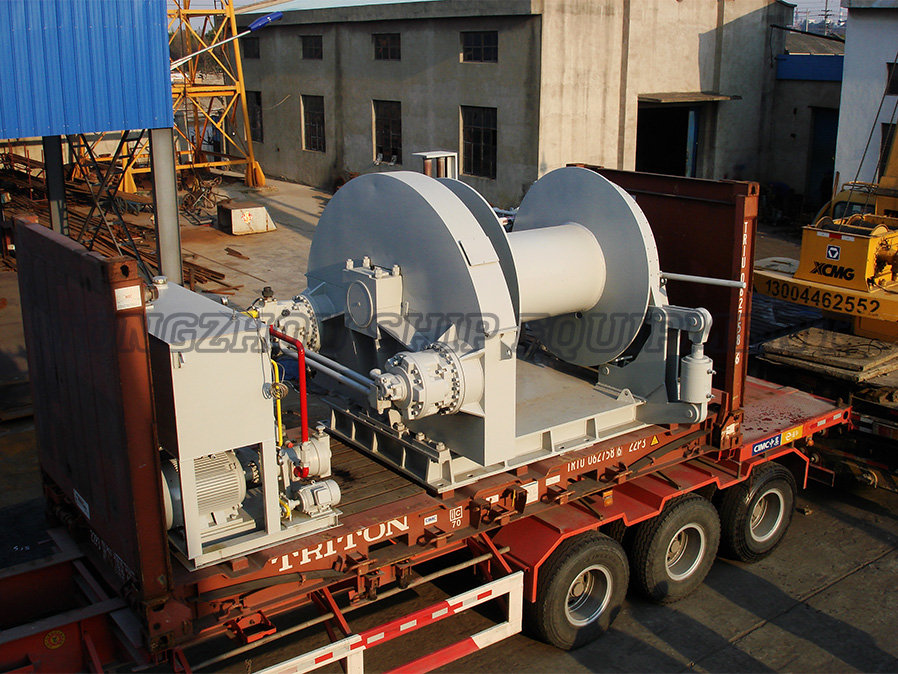
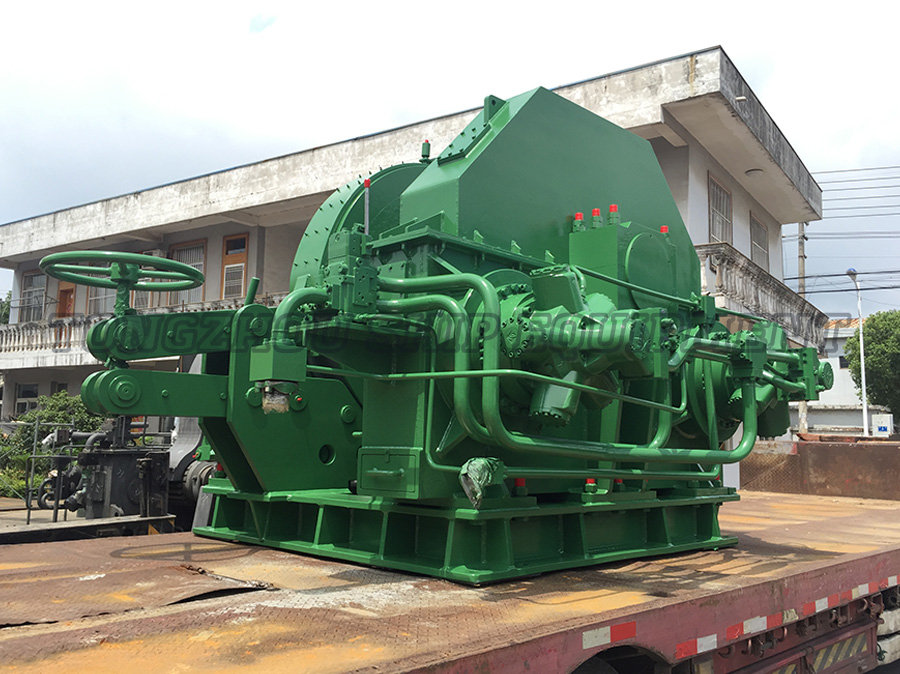
A windlass electric is a mechanical device powered by electricity designed to raise and lower a boat's anchor. Unlike manual windlasses that require significant effort, electric windlasses use an electric motor to provide controlled, effortless anchor handling. This technology has become essential for modern boating, especially for vessels with larger anchors.
How an Electric Windlass Anchor Works
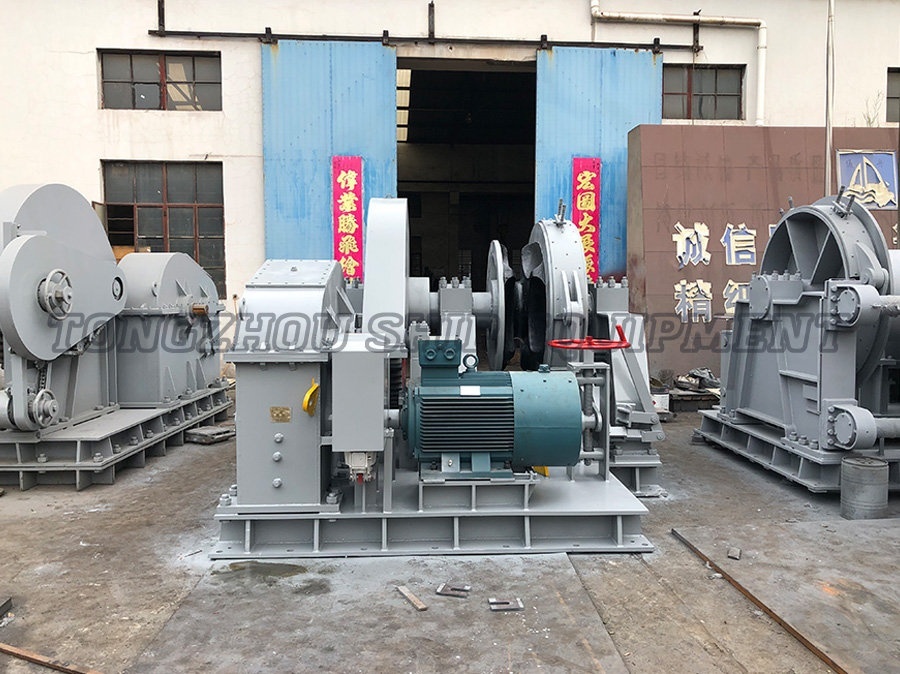
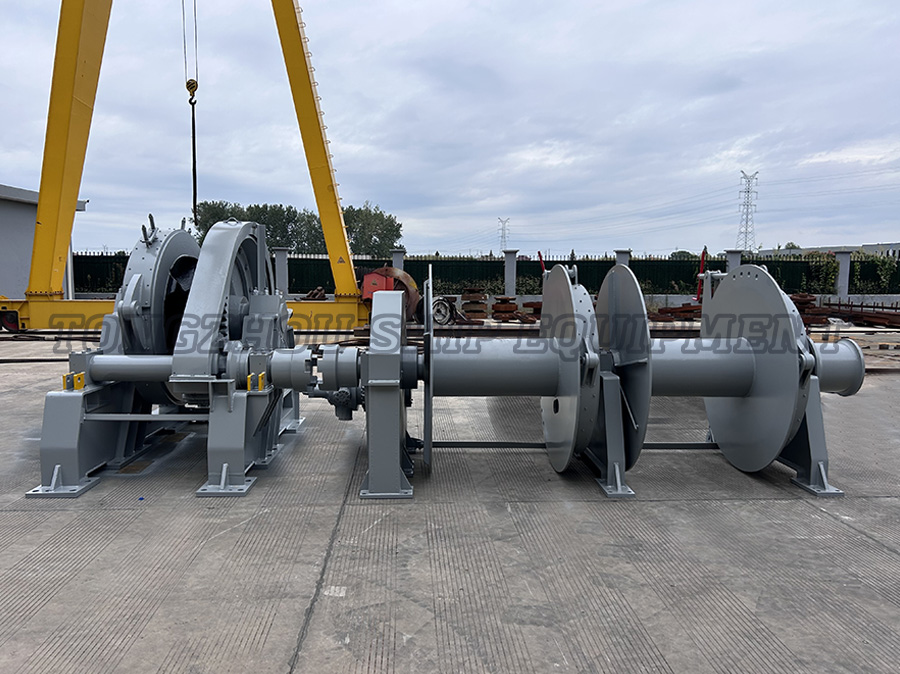
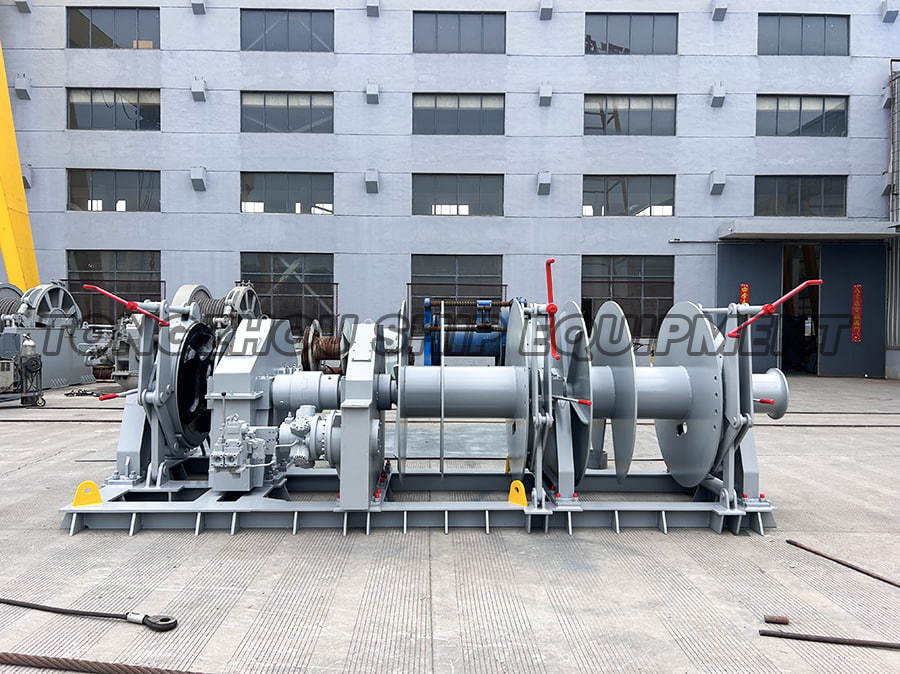
An electric windlass anchor consists of a motor, gypsy (or chain wheel), and controls. When activated, the motor turns the gypsy to pull the anchor chain or rope from the water. Most systems feature:
- Foot or remote controls: Allow operation from the deck or helm.
- Automatic braking: Prevents the anchor from free-falling.
- Chain and rope compatibility: Supports different types of anchoring lines.
Advantages of an Electric Windlass for Boats
Using an electric windlass for boats offers several key advantages:
- Ease of use: Eliminates the need for manual cranking, saving time and effort.
- Safety: Reduces the risk of injury from heavy anchors or chains.
- Efficiency: Quickly raises and lowers anchors, even in deep water.
- Durability: Designed to withstand harsh marine conditions with corrosion-resistant materials.
- Enhanced control: Smooth operation allows precise anchor positioning.
Types of Electric Windlass
Electric windlasses are available in different types based on their anchoring mechanisms and power source. Key types include:
| Type | Description | Best For |
| Vertical Electric Windlass | The motor is mounted vertically below the deck; chain and rope are pulled upwards. | Large yachts and vessels requiring high pulling power |
| Horizontal Electric Windlass | The motor is installed horizontally; suitable for smaller decks and moderate anchor weight. | Small to medium-sized boats |
| Capstan Electric Windlass | Uses a rotating drum to pull the rope; ideal for smooth handling of rope-only anchors. | Boats using rope anchors or mixed chain-rope systems |
Choosing the Right Electric Windlass for Boats
Selecting an appropriate electric windlass for boats depends on multiple factors:
- Boat size and weight: Larger boats require more powerful windlasses.
- Anchor type: Consider chain length, rope compatibility, and anchor weight.
- Installation location: Check deck space, motor accessibility, and alignment with the anchor roller.
- Power source: Ensure sufficient electrical supply from the boat’s battery system.
- Control options: Foot switches, remote controls, or helm-operated systems.
Installation Tips for Windlass Electric
Proper installation ensures the longevity and performance of an electric windlass anchor. Key considerations include:
- Secure mounting: Use reinforced backing plates to prevent deck damage.
- Correct alignment: Ensure chain and gypsy align for smooth operation.
- Electrical safety: Install circuit breakers and fuses to prevent overload.
- Lubrication and maintenance: Regularly clean and lubricate moving parts.
Comparing Manual vs. Electric Windlass
Understanding the differences between manual and electric systems helps in making an informed decision:
| Feature | Manual Windlass | Electric Windlass |
| Effort Required | High – requires physical cranking | Low – powered by motor |
| Speed | Slow, depending on user strength | Fast, consistent speed regardless of anchor size |
| Cost | Lower initial cost | Higher initial investment, but saves labor and time |
| Maintenance | Simple, less technical | Requires electrical system checks and occasional motor servicing |
| Safety | Risk of injury with heavy anchors | Enhanced safety with controlled operation |
Maintenance and Troubleshooting of Electric Windlass Anchors
Proper maintenance extends the lifespan of an electric windlass anchor and ensures reliable operation:
- Inspect the chain and rope for wear or corrosion.
- Clean salt deposits and marine debris from the motor and gypsy.
- Check electrical connections for corrosion or loose terminals.
- Test the brake mechanism and controls periodically.
- Lubricate moving parts as recommended by the manufacturer.
FAQ About Electric Windlass
| Question | Answer |
| Can an electric windlass lift heavy anchors? | Yes, modern electric windlasses are designed to lift large anchors and long chains efficiently, depending on motor size and boat requirements. |
| Is installation complicated? | Installation can be straightforward for experienced boaters, but professional installation is recommended for larger boats and complex electrical systems. |
| How much power does it consume? | Power consumption varies by motor size, but most systems are designed to operate within standard boat battery capacities. |
| Can it work in saltwater? | Yes, electric windlasses are built with corrosion-resistant materials suitable for both saltwater and freshwater environments. |
| What maintenance is required? | Regular inspection, cleaning, lubrication, and electrical checks are necessary to ensure long-term performance. |
Conclusion
A windlass electric system significantly improves boating convenience and safety. Selecting the right electric windlass for boats depends on vessel size, anchor type, and power supply, while proper installation and maintenance ensure reliable performance. Modern electric windlass anchors offer unmatched ease, efficiency, and safety, making them an essential investment for any serious boater.

-
Corporate Email:
-
Sales Email:
-
Address:No. 16 Kesheng Road, Development Zone, Xinghua City, Jiangsu Province, China