English
  عربى
عربى  中文简体
中文简体 

Specification
| Load Capacity | 500–50,000 kg |
| Drive Type | Hydraulic, Electric, or Electro-Hydraulic Hybrid |
| Speed Range | 0.1–100 rpm (variable) |
| Operating Temperature | -25°C to +60°C |
| Protection Rating | IP55–IP67 |
| Mounting Options | Flange-mounted, base-mounted, or bolted directly to deck structure |
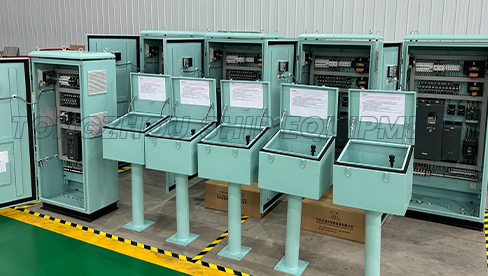
| Control System | Manual lever, PLC interface, or fully remote automation |
| Lubrication | Grease or high-performance marine oils, maintenance interval: 1000–2000 hours |
Application
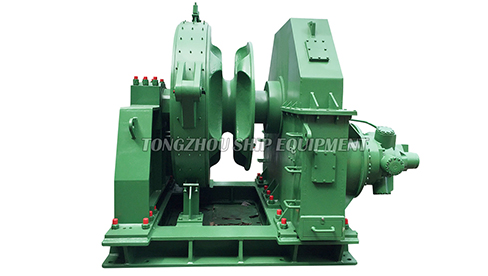
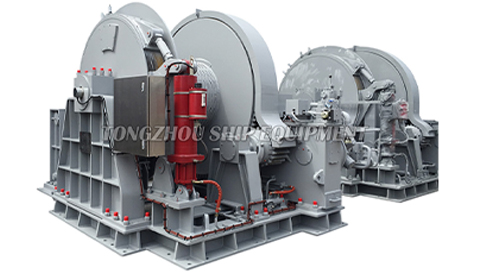
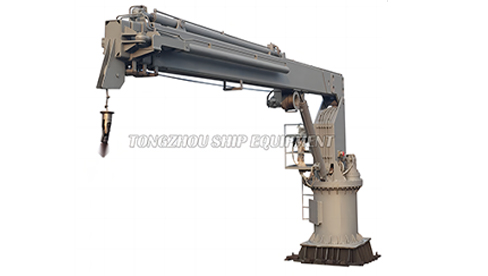
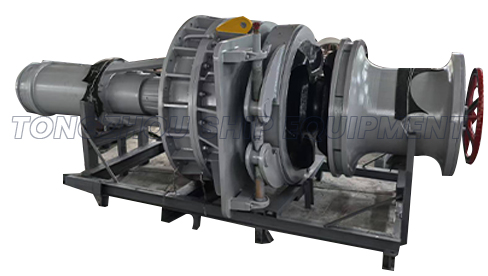
Deck Mounted Marine Equipment finds application across a variety of maritime operations, including:
- Offshore deck operations such as anchor handling and mooring
- Cargo lifting and deployment on commercial ships and ferries
- Deck machinery for offshore platforms and research vessels
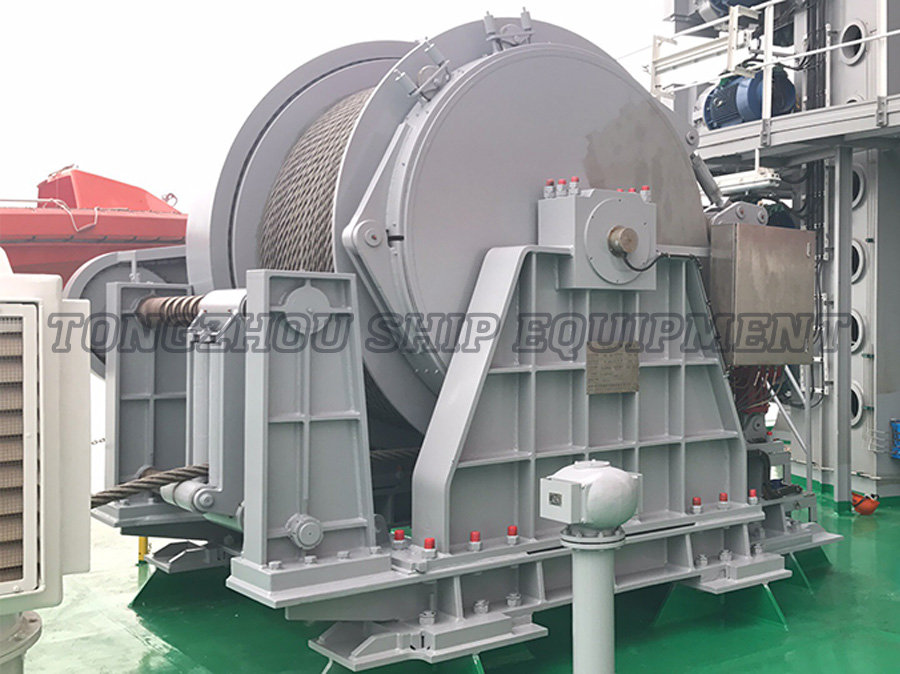
- Winches, hoists, and rotary actuators for deck handling of heavy loads
- Emergency and rescue operations requiring high reliability
This equipment is crucial in environments where operational reliability and safety are non-negotiable, and where mechanical systems must perform consistently under severe marine conditions.
Advantages
The key advantages of Deck Mounted Marine Equipment include:
- High reliability under continuous heavy-duty marine operations
- Corrosion-resistant design for saltwater and humid environments
- Flexible mounting and modular integration with existing deck layouts
- Advanced control options, including automation and remote operation
- Reduced maintenance requirements due to robust materials and construction
- Enhanced safety features such as overload protection and emergency stop systems
- Energy-efficient operation through optimized hydraulic or electric drive systems
Materials and Structure
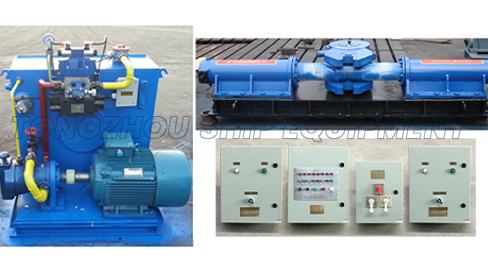
Deck Mounted Marine Equipment is constructed using high-grade stainless steels, marine-grade aluminum alloys, and corrosion-resistant coatings. Critical components, such as gears, shafts, and load-bearing structures, are precision-machined and heat-treated for maximum durability. Seals and bearings are designed to withstand saltwater exposure and heavy-duty operation.
Hydraulic systems incorporate high-pressure hoses, reinforced cylinders, and precision valves, while electric and hybrid systems use marine-rated motors, encoders, and drive electronics. Protective housings are rated IP55–IP67 to ensure performance in wet and harsh marine environments.