English
  عربى
عربى  中文简体
中文简体 
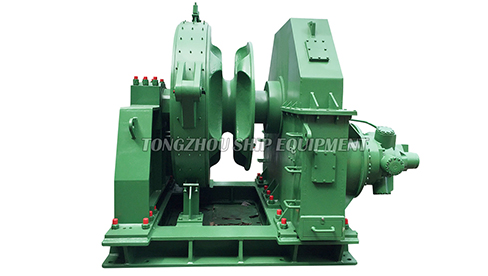

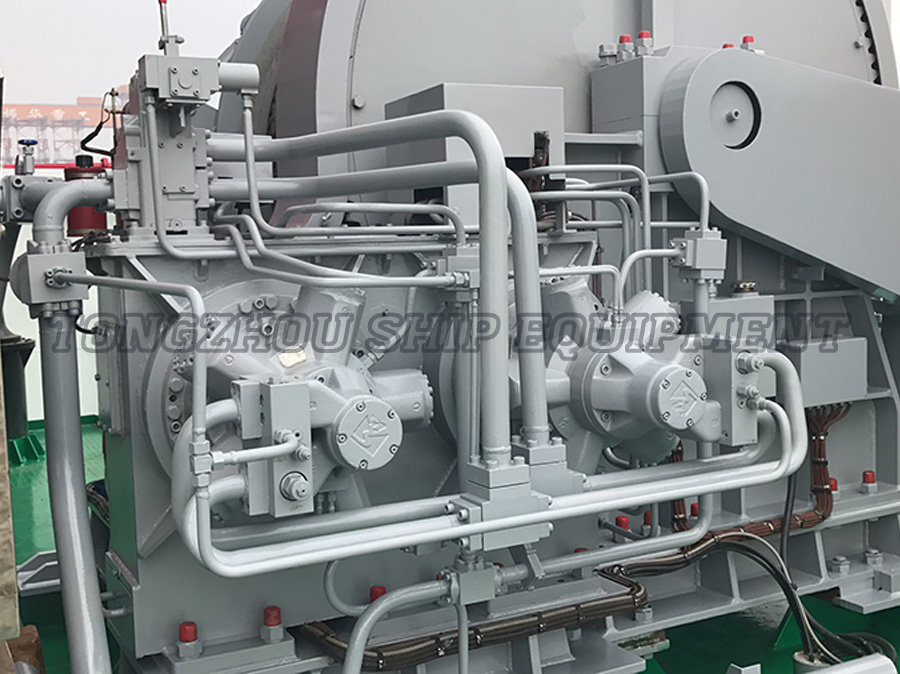
Specification
| Load Capacity | 1,000–100,000 kg |
| Drive Mechanism | Hydraulic, Electric, Electro-Hydraulic |
| Operating Speed | 0.1–75 rpm (adjustable) |
| Temperature Range | -30°C to +60°C |
| Protection Class | IP55–IP67 |
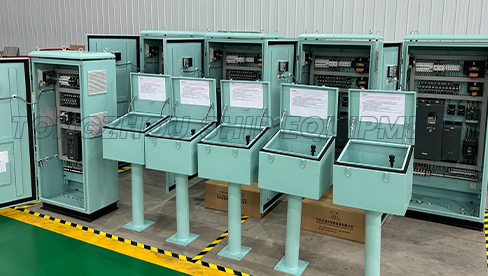
| Mounting Style | Direct bolting to hull/deck, reinforced base frames |
| Control Options | Manual lever, PLC interface, remote automation |
| Lubrication | Marine-grade grease or oil, maintenance every 1000–2000 hours |
Application
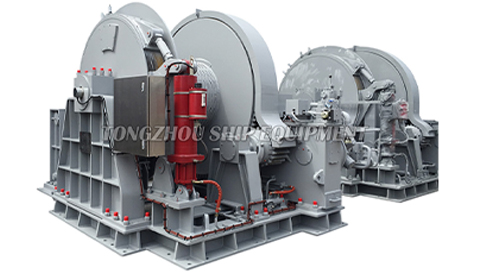
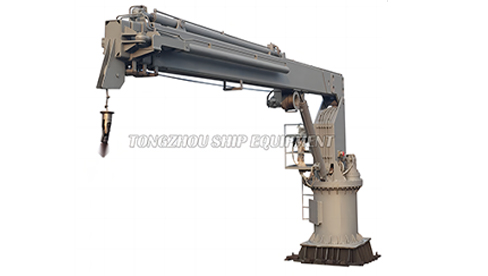
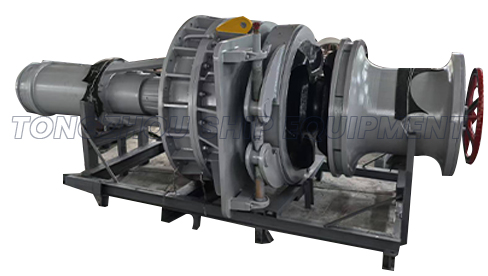
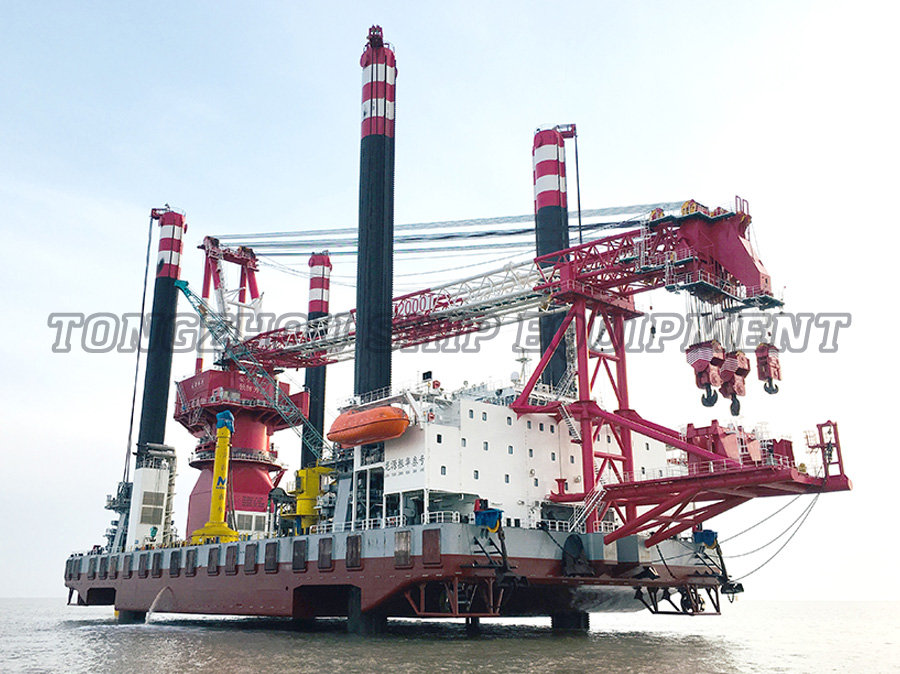
Foundation Fixed Ship Equipment is widely applied in maritime operations that demand structural stability and high reliability. Typical applications include:
- Offshore oil and gas deck operations including anchor handling and mooring
- Cargo handling and lifting equipment for commercial vessels and ferries
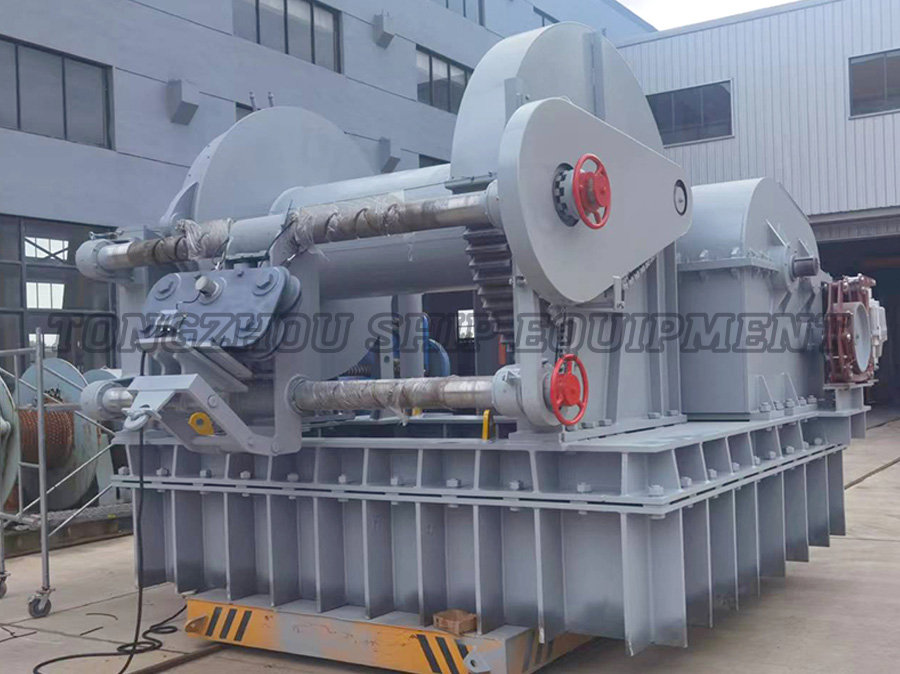
- Fixed winches, hoists, and rotary actuators on research and survey vessels
- Hydraulic and mechanical systems for offshore platforms
- Emergency deck operations requiring precise, continuous performance
These applications benefit from the permanent, stable mounting, which allows for higher load capacities, improved control, and longer service life compared to mobile or modular systems.
Advantages
Key advantages of Foundation Fixed Ship Equipment include:
- Superior stability and vibration control due to permanent mounting
- High durability and corrosion resistance for long-term marine operations
- Enhanced load handling capacity for heavy-duty maritime tasks
- Modular control options, including remote and automated operation
- Reduced maintenance requirements and extended service intervals
- Reliable operation in extreme weather and heavy-duty cycles
- Optimized design for deck integration and structural support
Materials and Structure
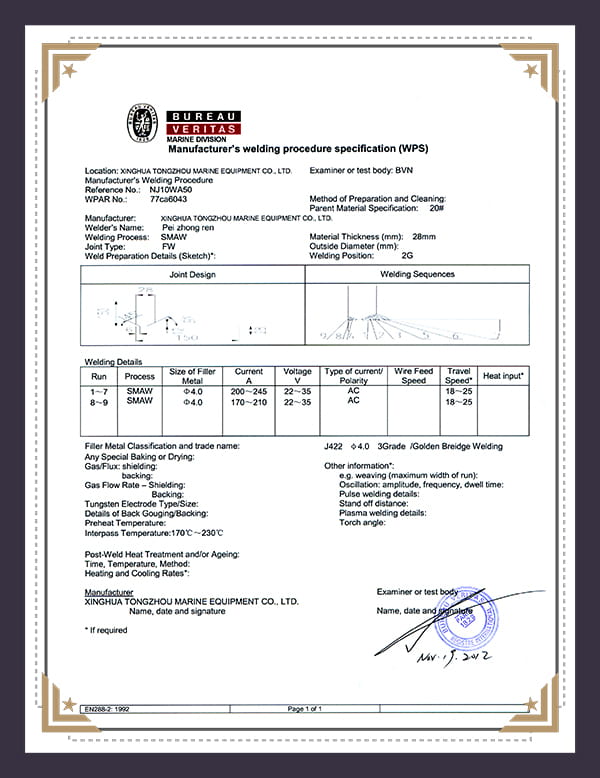
Foundation Fixed Ship Equipment is constructed using high-strength stainless steel, marine-grade aluminum, and corrosion-resistant alloys. Critical components, including gears, shafts, and load-bearing structures, are precision-machined and heat-treated for maximum durability. Bearings and seals are selected to withstand saltwater exposure, vibration, and continuous heavy-duty use.
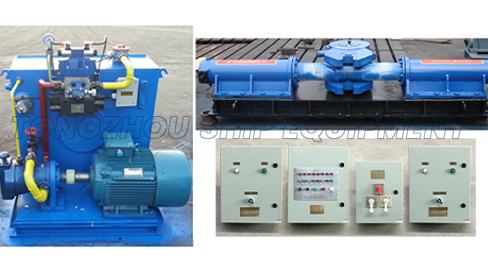
Hydraulic systems utilize high-pressure hoses, reinforced cylinders, and precision valves, while electric and hybrid systems incorporate marine-rated motors, encoders, and protective housings. Protective coatings and housings meet IP55–IP67 standards, ensuring resistance to moisture, salt, and environmental stress.