English
  عربى
عربى  中文简体
中文简体 

Specification
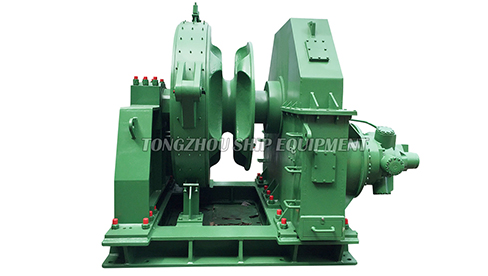
| Load Capacity | 500–50,000 kg |
| Drive Type | Hydraulic, Electric, Electro-Hydraulic |
| Rotation Speed | 0.05–60 rpm, adjustable |
| Operating Temperature | -25°C to +55°C |
| Protection Class | IP55–IP66 |
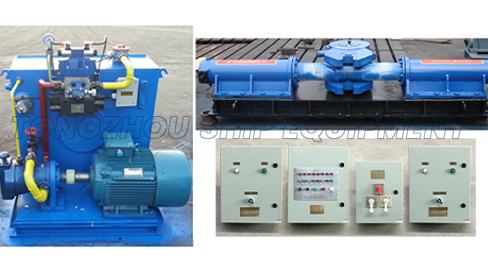
| Control Options | Manual, PLC, Remote Interface |
| Power Supply | 380–690 V AC / 50–60 Hz, or as customized |
| Mounting Style | Fixed deck installation, reinforced mounting brackets |
Application
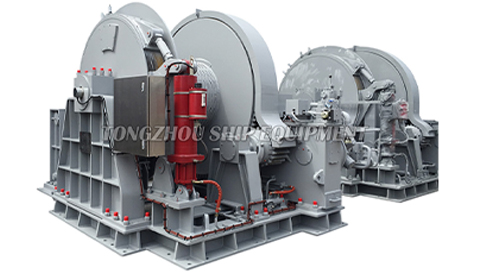
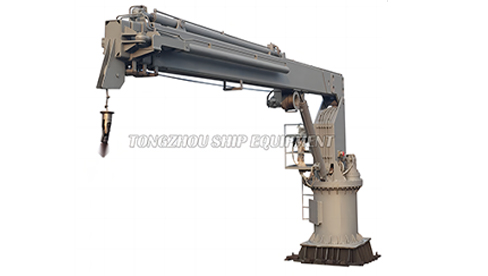
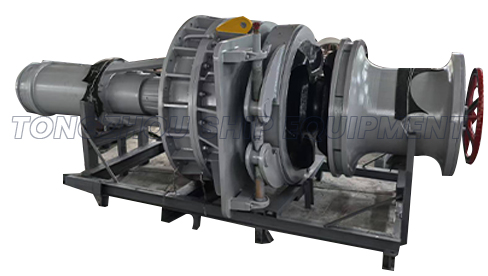
Integrated Deck Machinery Units are used in a wide range of maritime operations requiring synchronized mechanical performance and compact design. Typical applications include:
- Mooring operations on offshore platforms and large commercial vessels
- Anchoring systems for cargo ships, tankers, and research vessels
- Cargo and container handling in ports or at sea
- Deck lifting and rotary operations, including cranes and capstans
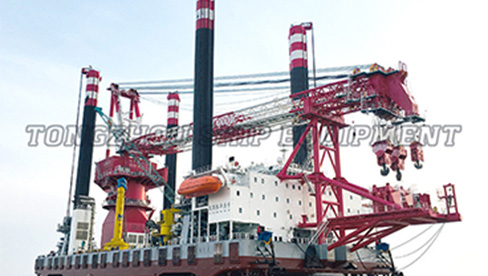
- Specialized offshore tasks, such as ROV deployment, towing, and offshore construction
These units are particularly valuable in scenarios where deck space is limited but multiple functions are required simultaneously, enabling safer and more efficient operations.
Advantages
Key advantages of Integrated Deck Machinery Units include:
- Compact integration of multiple functions into a single system
- Enhanced operational safety and reduced manual intervention
- High load-handling capacity with precise control
- Durable construction for long-term reliability in marine environments
- Reduced maintenance needs due to centralized and standardized components
- Customizable control systems with options for automation and remote operation
- Optimized for space-efficient deck installation
Materials and Structure
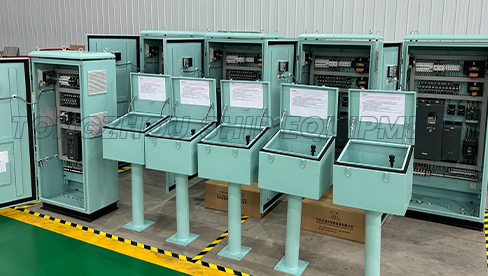
The structure of Integrated Deck Machinery Units typically combines marine-grade stainless steel, high-strength alloys, and corrosion-resistant coatings. Critical load-bearing parts, such as shafts, gears, and drum assemblies, are precision-machined and heat-treated for maximum strength. Hydraulic and electric components are fully enclosed in IP66-rated housings to ensure protection against water, dust, and salt exposure.
Seals, bearings, and couplings are selected to withstand continuous high-load operation and marine environmental conditions. Lubrication systems are designed for extended intervals, using marine-grade oils and greases to reduce wear and extend the service life of moving components.