English
  عربى
عربى  中文简体
中文简体 
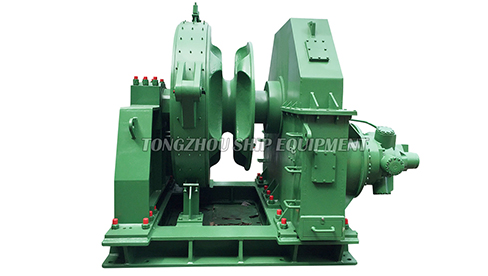
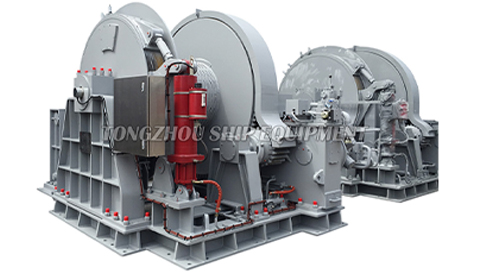
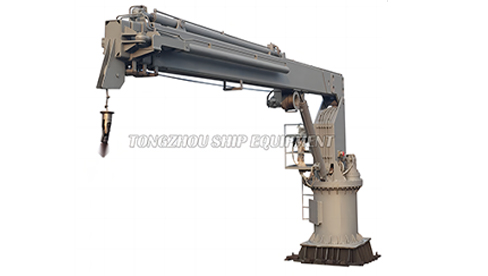
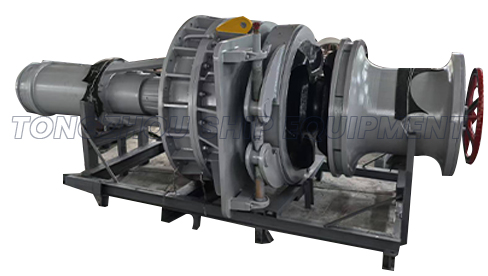
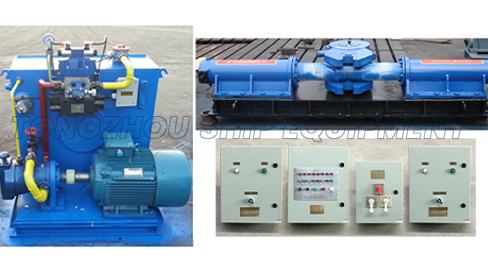


An anchor chain stopper is a deck fitting that locks the anchor chain and transfers the load from the windlass to the ship's structure. In plain terms, it is the device that holds the chain after the anchor is set or housed, so the windlass does not carry the continuous strain. It is not a tensioner: you tension the chain with the windlass and then close the stopper to hold it. For any vessel with a chain windlass, the stopper is a safety-related component just as important as the anchor chain handling equipment around it.
Content
What Is an Anchor Chain Stopper?
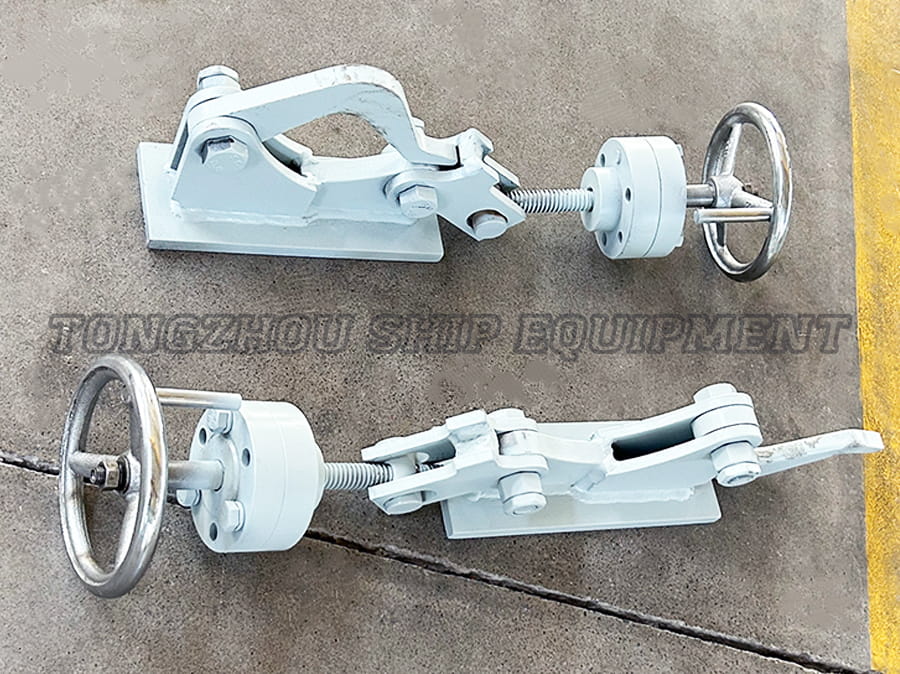
An anchor chain stopper, also called a cable stopper, is a steel fitting installed on the deck between the windlass and the chain pipe or hawsepipe. Its main parts are a strong base, a hinged pawl or jaw, and a release mechanism. When the stopper is closed, the pawl settles between two chain links and creates a positive connection between the chain and the deck structure.
The purpose is simple: to relieve the windlass from the anchor load. While the vessel is riding at anchor, the stopper carries the strain. While the anchor is housed for sea passage, the stopper holds the anchor in place. The windlass is then used only to lift, pay out, or retrieve the chain.
- Protects the windlass gearbox and brake from continuous anchor loads.
- Prevents accidental anchor deployment when the vessel is under way.
- Creates a dedicated structural load path for the anchor and chain.
- Allows routine windlass maintenance while the anchor remains secure.
How Does an Anchor Chain Stopper Work?
The stopper is left open while the anchor is being lowered or raised. Once the anchor is on the bottom and the vessel has laid back on the chain, the operator stops the windlass, applies the brake, and closes the stopper. The pawl lands on a link or between two links, and the strain is transferred from the windlass drum to the stopper base. From there the load goes into the deck foundation.
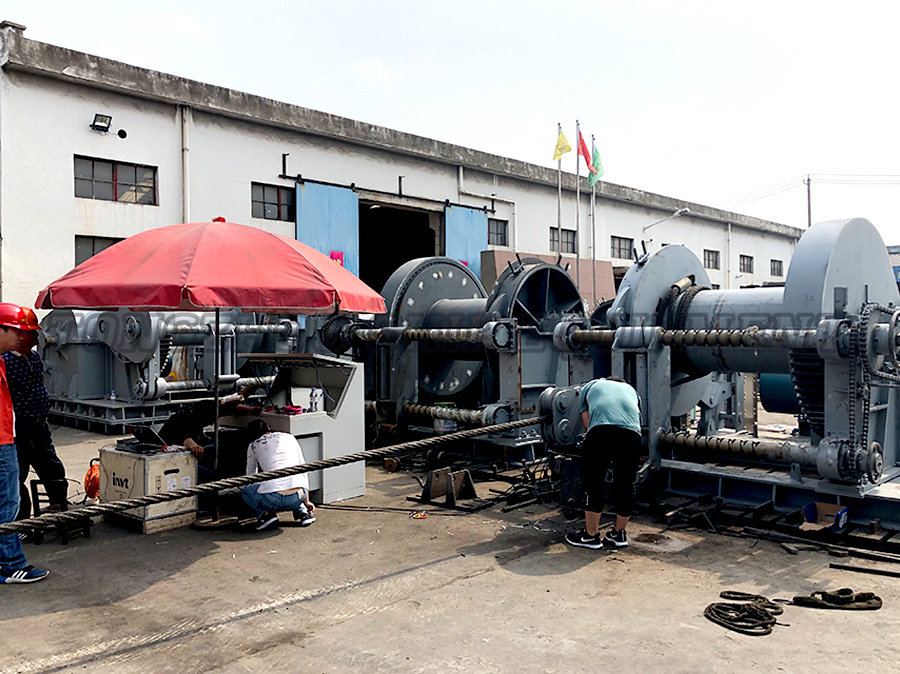
This sequence is why alignment and load rating are critical. A stopper must sit in the same vertical plane as the chain. If it is misaligned, the chain can jump, the pawl can skip, or the links can be damaged. The stopper should also be matched to the rest of the anchor handling system. A strong and properly rated hydraulic anchor windlass, for example, still needs a stopper with the same load class to be safe under extreme conditions.
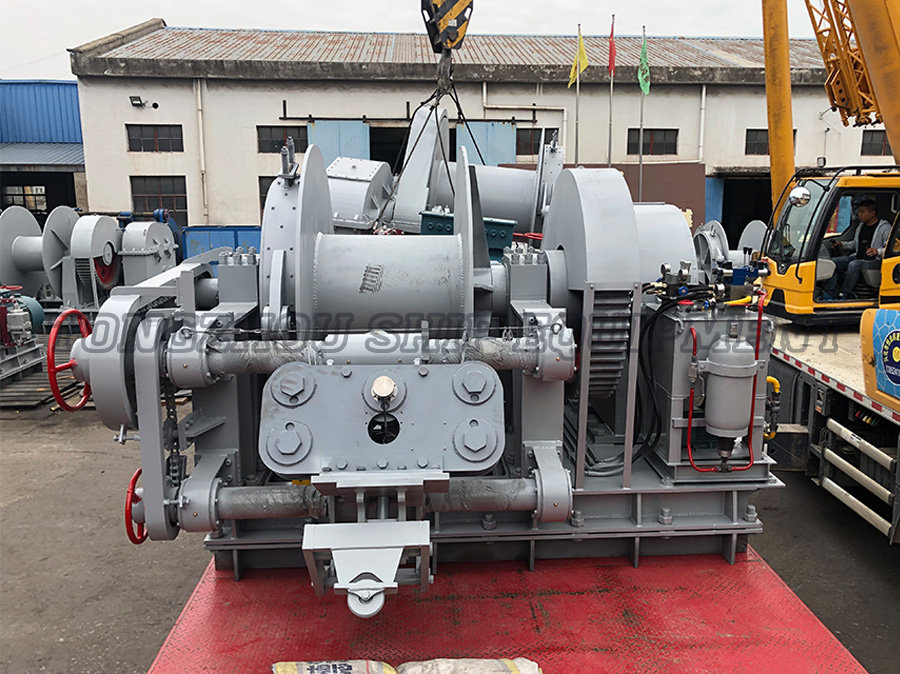
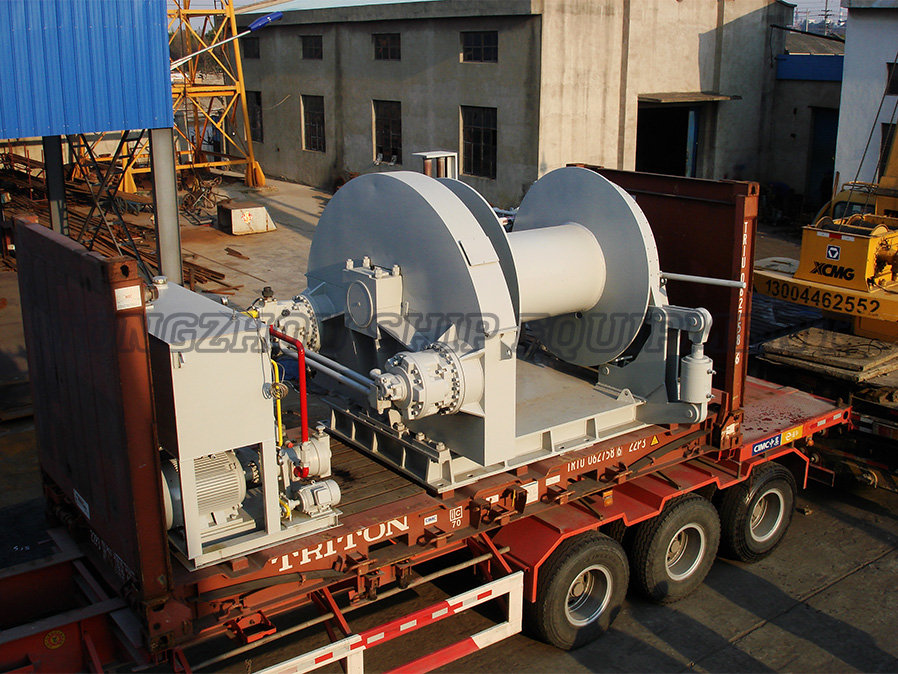
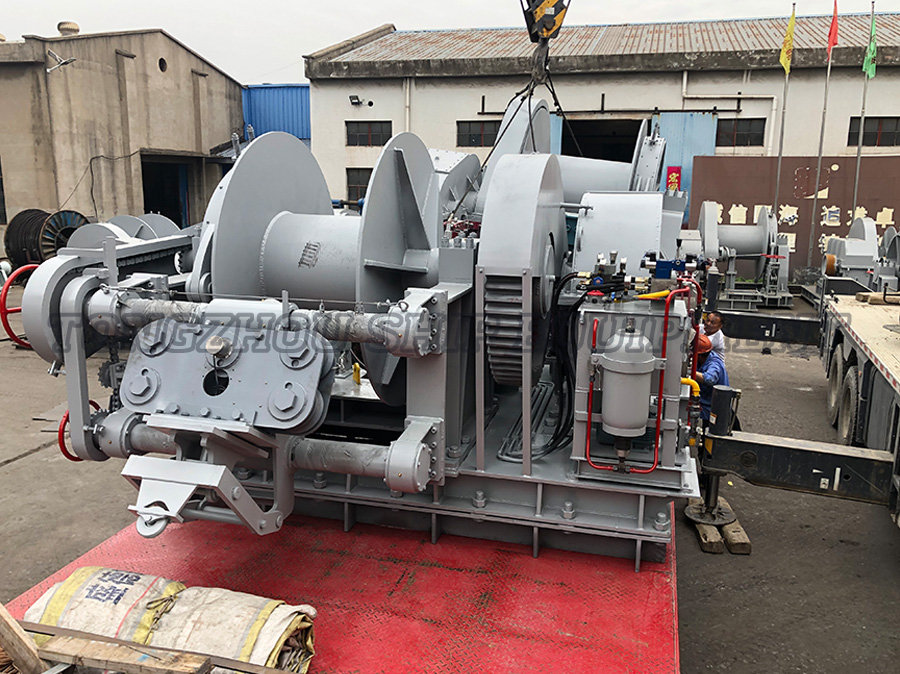
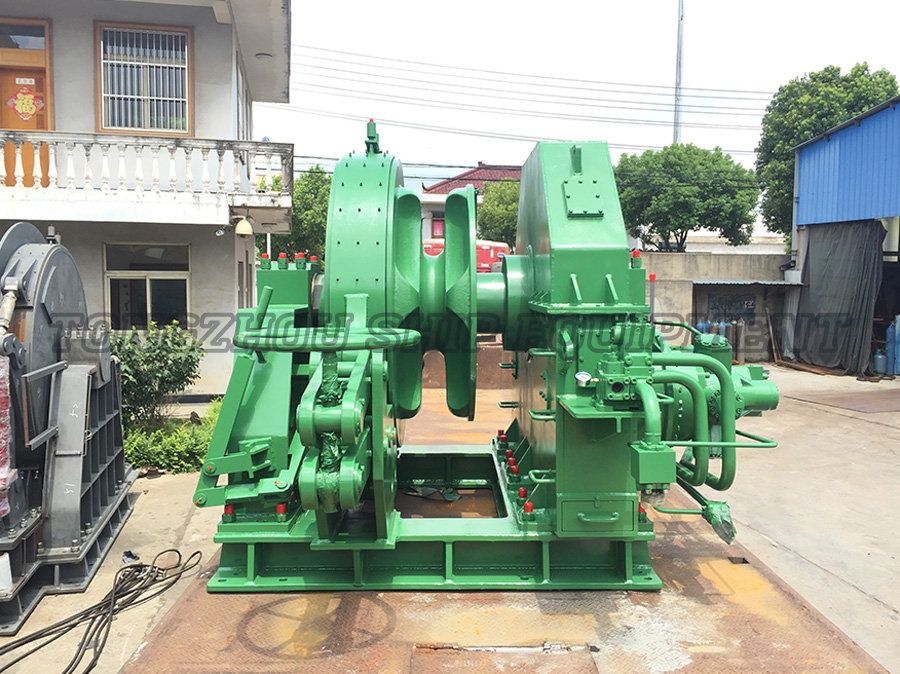 Hydraulic Deck Winch Factory, Hydraulic Anchor Winch ManufacturerAs China hydraulic deck winch factory and hydraulic anchor winch manufacturer, Xinghua Tongzhou Ship Equipment Co., Ltd. offers high-qual...View Product →
Important: a chain stopper is not a tensioning device. Close it only after the chain has been set with the windlass. If you close it on slack chain, the next wave can create a shock load that is far higher than the static rated load.
Main Types and Configurations
Most chain stoppers use the same pawl principle, but the control system varies with vessel size. A manual pawl stopper is operated by hand and is common on fishing vessels, workboats, and small commercial ships. A hydraulic release version can be opened and closed from a remote station, which is useful when the anchor deck is not always manned. Some stoppers are also supplied with an integrated chain guide or fairlead.
On vessels that combine anchoring and mooring in one deck machine, a hydraulic combined windlass and mooring winch still needs a separate stopper, because the anchor load should never pass continuously through the mooring drum or the winch brake.
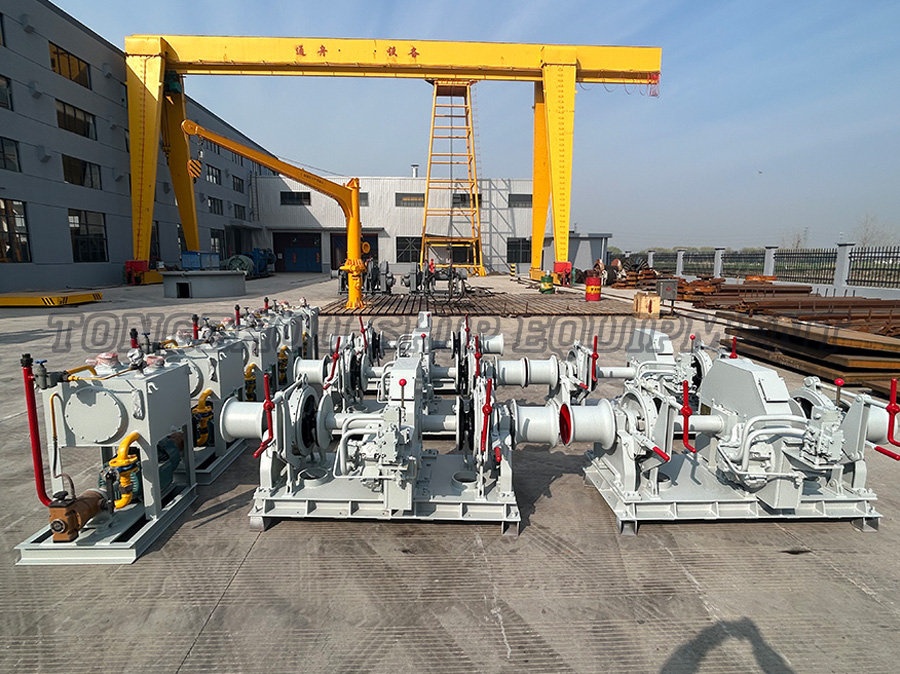
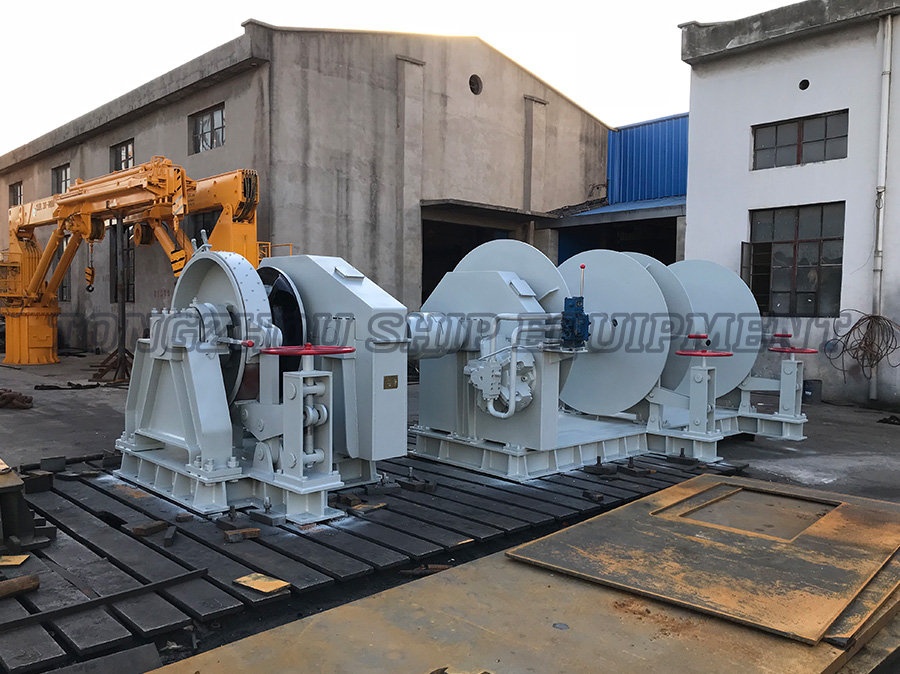 Custom Marine Hydraulic Combined Windlass And Mooring Winch Suppliers, CompanyAs China Marine Hydraulic Combined Windlass And Mooring Winch suppliers and custom Hydraulic Combined Windlass And Mooring Winch company,...View Product →
| Operation | Windlass role | Chain stopper role |
|---|---|---|
| Anchor lowered | Controls chain speed under load | Open; no load |
| Anchor set and stopper closed | Holds only briefly while the stopper is being closed | Carries the continuous anchor load |
| Anchor housed for sea | Lifts the final length of chain | Holds the anchor weight after closure |
| Emergency stop | Brake and drive must resist shock | Provides a fixed structural anchorage |
Load and Capacity Considerations
The most common mistake in stopper selection is to size it from anchor weight. In reality, the stopper must hold the anchor plus the hanging chain, the drag from current, and the snubbing force when the vessel pulls on the anchor. A 1,000 kg anchor can easily create a 10-tonne to 50-tonne chain load, depending on depth and weather.
Therefore, use the chain minimum breaking load or the windlass maximum pull as the design reference, not the anchor weight. The stopper working load should match the windlass capacity, and the stopper minimum breaking load should be at least equal to the chain grading.
- Chain diameter and link pitch: the pawl must sit cleanly in the actual link.
- Chain type: stud-link and open-link chains have different openings.
- Deck foundation: the load goes through the base plate into the hull stiffening, not just into the bolts.
- Release system: manual is simple, hydraulic adds remote operation.
- Classification society approval: verify that the stopper has the required test certificate.
How to Choose the Right Anchor Chain Stopper
Start by writing down the chain size, chain grade, and maximum anchor depth for your vessel. Then check the windlass pull and deck layout. The chosen stopper should fit the chain links, be rated for the expected load, and be easy to operate in the space available. If you are replacing an old stopper, measure the existing chain carefully; links can be slightly different from nominal dimensions after years of service.
Decide whether you need a manual or hydraulic release. Manual stoppers are normally sufficient for smaller vessels. Hydraulic release is worth considering for large anchors, frequent anchoring, or remote-control deck machinery packages. A reputable deck machinery manufacturer will ask for the same information as the windlass supplier: chain diameter, chain grade, expected load, and deck elevation.
When comparing products, check the manufacturer's load test procedure. A stopper must be proof-tested to a defined load, not just visually inspected. The anchor chain stopper range supplied by Tongzhou is rated to meet this requirement and can be delivered with the necessary material and test documentation for classification society review.
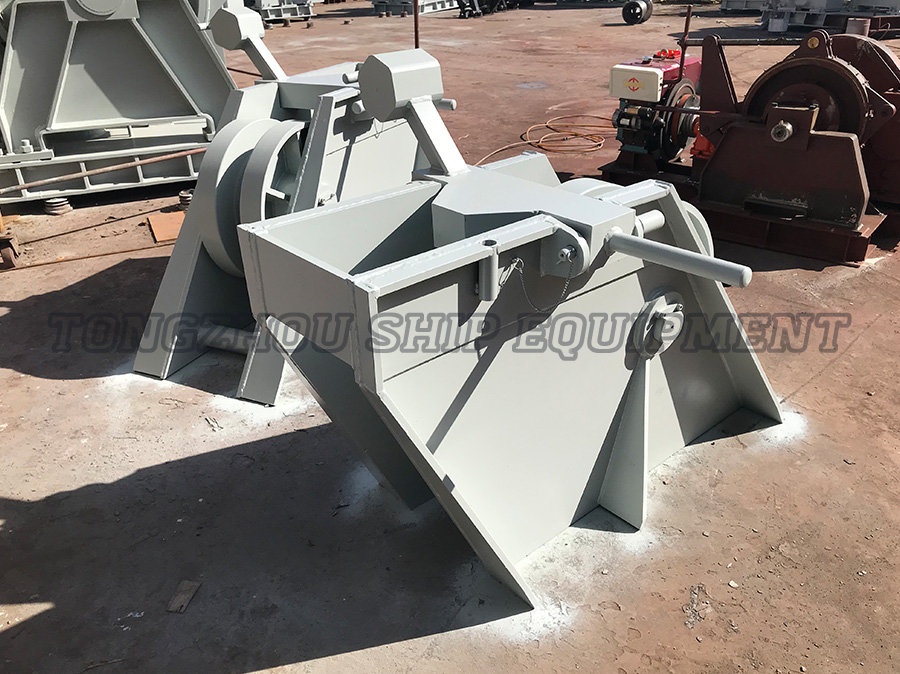 Marine Chain Stopper Factory, Wholesale Chain Stopper ManufacturerXinghua Tongzhou Ship Equipment Co., Ltd is China Marine Chain Stopper factory and wholesale Chain Stopper manufacturer, we have been eng...View Product →
Installation and Maintenance
Correct installation is as important as the load rating. The stopper should be placed in a straight line between the windlass and the chain pipe. The seating plate must be flat and rigid; if the deck is curved, use a proper foundation rather than forcing the base into place. After mounting, close the pawl on a chain link and verify the seating visually and by feel.
Routine maintenance is straightforward but essential in a saltwater environment.
- Clean and lightly lubricate the pivot pin, spring, and pawl contact surfaces.
- Check the pawl for wear, bending, or cracks.
- Tighten foundation bolts after the first weeks of service and then periodically.
- Verify the stopper does not rub against the chain when the chain is under normal tension.
- Test the stopper under a partial load at least once a year.
A neglected stopper is a common cause of delayed anchor retrieval. It also puts unnecessary stress on the windlass. For the rest of the anchor machinery, follow the windlass maintenance guide we have published for good practice on brakes, drives, and electrical checks.
Frequently Asked Questions
Is a chain stopper necessary if the windlass has a brake?
Yes. The brake is designed to control the chain during anchoring, but a continuous anchor load on the brake can cause gradual slipping and fatigue in the windlass drive. A chain stopper creates a positive mechanical lock and is the only component that fully relieves the windlass.
Can a chain stopper be used to tension the anchor chain?
No. A stopper is a holding device, not a tensioning device. Set the anchor scope and tension with the windlass first, then close the stopper. Closing a stopper on slack chain can create a large shock load when the next wave loads the chain.
What causes a chain stopper to fail?
The usual causes are an undersized or misaligned stopper, a damaged pawl, a loose base, or corrosion. A pawl that does not fall freely is especially dangerous because the chain can race through the stopper before the pawl engages. Regular checks and a proof test are the most effective protection.
Can a chain stopper be added to an existing vessel?
Usually yes, but the deck reinforcement and chain lead must be evaluated first. A custom foundation can be fabricated, and the stopper can be aligned by adjusting the base height. The final arrangement should be reviewed by a marine engineer or the equipment manufacturer.
An anchor chain stopper is a small component with a critical job. It protects the windlass, holds the vessel, and keeps the anchor secured when it is housed. Choose the correct load class, align it carefully, and inspect it regularly. The cost of a well-made stopper is tiny compared with the damage a loose anchor can cause to a windlass, a deck, or the crew.