English
  عربى
عربى  中文简体
中文简体 


A ship bollard (also called a bitt) is a short, heavy vertical post welded or bolted to a vessel's deck to secure mooring lines, towing lines, and occasionally anchor chain. It is the onboard counterpart of a quayside bollard and serves as the primary load-bearing point between the ship and its mooring arrangement. In practical terms, the bollard is one of the most safety-critical deck fittings on any vessel: a poorly selected or incorrectly installed unit can lead to parted lines, shifted fenders, or structural damage to the deck itself.
This guide explains what ship bollards are, how they differ from dock bollards, which materials and standards govern their manufacture, and what to consider when selecting, installing, and maintaining them.
Content
What Is a Ship Bollard?
A ship bollard is a robust vertical post mounted on the deck of a vessel to secure ropes or cables during mooring, towing, or alongside operations. The crew wraps the line around the post once or twice; friction between the rope and the curved surface holds the load while allowing controlled slack adjustment.
Although the function sounds simple, the engineering is not. Bollards must withstand cyclic line loads, chafe, corrosion, and accidental impact without pulling loose from the deck. This is why classification societies treat bollards as structural deck equipment rather than simple fittings.
Ship Bollards vs. Dock Bollards
The two types serve the same purpose but are engineered differently. Dock bollards are cast into or anchored to a concrete quay and are typically much larger, absorbing the full mooring force of a vessel. Ship bollards are lighter because they transfer load through a steel deck structure, and their positions match the vessel's mooring plan.
| Aspect | Ship Bollard | Dock Bollard |
|---|---|---|
| Location | Welded or bolted to deck plating | Cast into concrete quay or piled structure |
| Load path | Transferred to deck girders and hull structure | Transferred to quay foundation |
| Sizing basis | Mooring line breaking load plus deck strength | Whole-ship mooring load plus berthing impact |
| Typical material | Forged or cast carbon steel, sometimes stainless | Cast steel, cast iron, or composite |
Types of Ship Bollards and Their Applications
Three manufacturing approaches dominate the market, and each has a distinct performance profile. The right choice depends on the vessel type, the expected line load, and the corrosion environment.
Cast Bollards
Cast steel bollards are made in one piece and suit heavy-duty applications best. Their smooth shape reduces chafe, and large fillets avoid stress concentrations. They are common on offshore supply vessels and tugs.
Forged Bollards
Forged bollards offer higher strength per unit weight than castings, making them attractive for high-load towing bitts on workboats. They are more expensive and usually custom-designed.
Welded Bollards
Fabricated from rolled plate and pipe, welded bollards are cost-effective for lighter duties and can be built to fit tight deck layouts. They require careful weld inspection and corrosion protection at the seam.
Shape also matters. Single-post bollards suit lines approaching from one direction, while double-post bitts allow the crew to take more turns and control the line more safely. Some deck layouts use a combined bollard and fairlead assembly to guide the line while holding it.
Materials, Standards, and Certifications
Material selection is not optional; it determines whether the bollard survives a decade of saltwater service or cracks in the first season. Carbon steel with a proper coating system is the default, stainless steel is reserved for yachts and high-visibility areas, and ductile iron appears mainly on inland and low-cost builds.
Standards to Specify
Classification societies such as CCS, ABS, DNV, LR, and BV require bollard design to be verified against the vessel's mooring arrangement. In practice, this means the bollard's safe working load must be documented and its connection to the deck structure checked by a naval architect. Chafe protection, edge radii, and drain holes also form part of the review.
| Material | Strength | Corrosion | Cost | Typical Use |
|---|---|---|---|---|
| Carbon steel (cast/forged) | High | Needs coating | Low to medium | Merchant ships, workboats |
| Stainless steel (316L) | Medium to high | Excellent | High | Yachts, coastal vessels |
| Ductile iron | Medium | Needs coating | Low | Inland, utility craft |
Load Capacity and Selection Criteria
Selecting a bollard starts with the mooring line's minimum breaking load, not with the vessel's gross tonnage. A typical design rule is that the bollard must hold the full breaking load of the largest line that will be made fast to it without permanent deformation.
Working Load vs. Breaking Load
Three values matter when specifying a bollard:
- Safe working load (SWL): the load the bollard can carry continuously during normal mooring operations.
- Breaking load: the line's failure threshold; the bollard should not yield below this value.
- Design load: the transient load from a sudden surge or tug pull, typically calculated with a safety factor of 1.5 to 2.0 against the SWL.
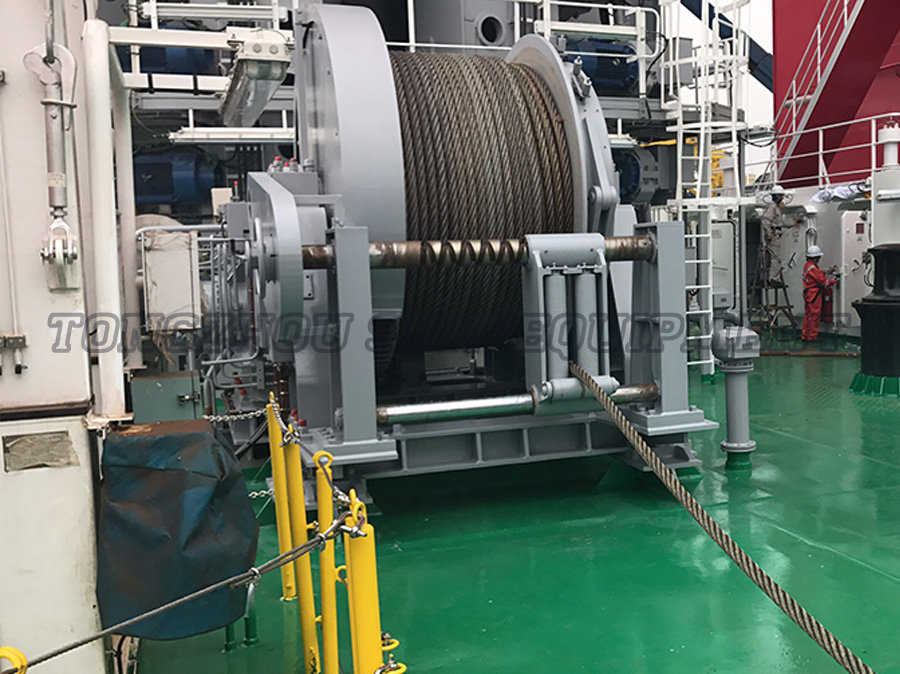
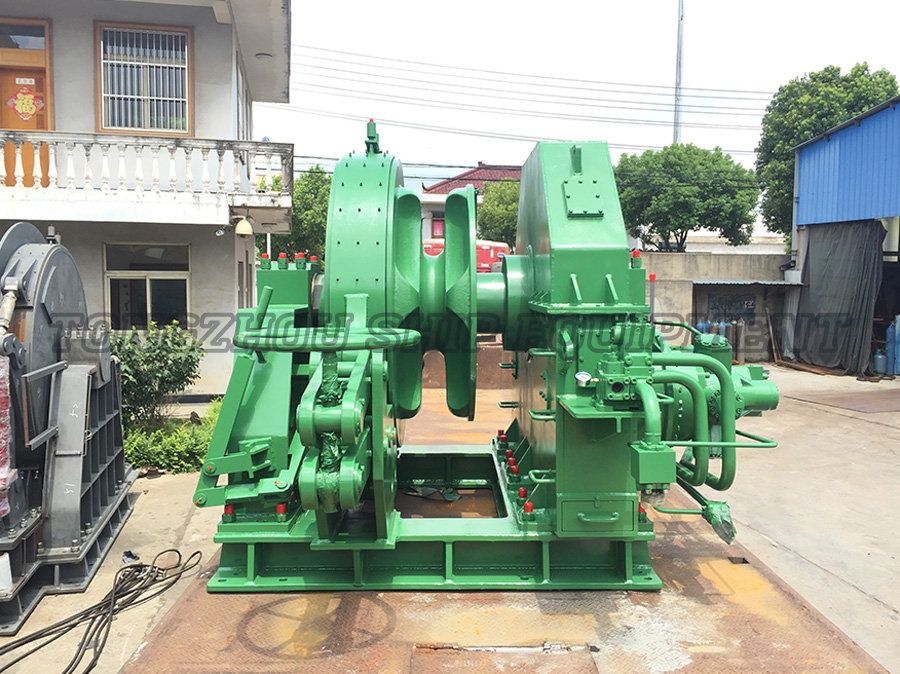
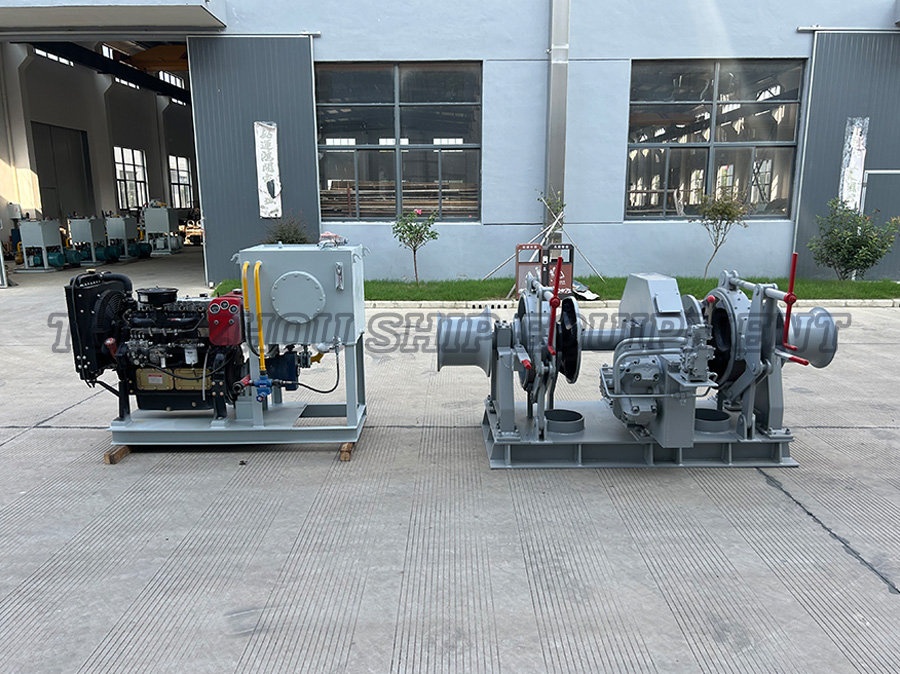
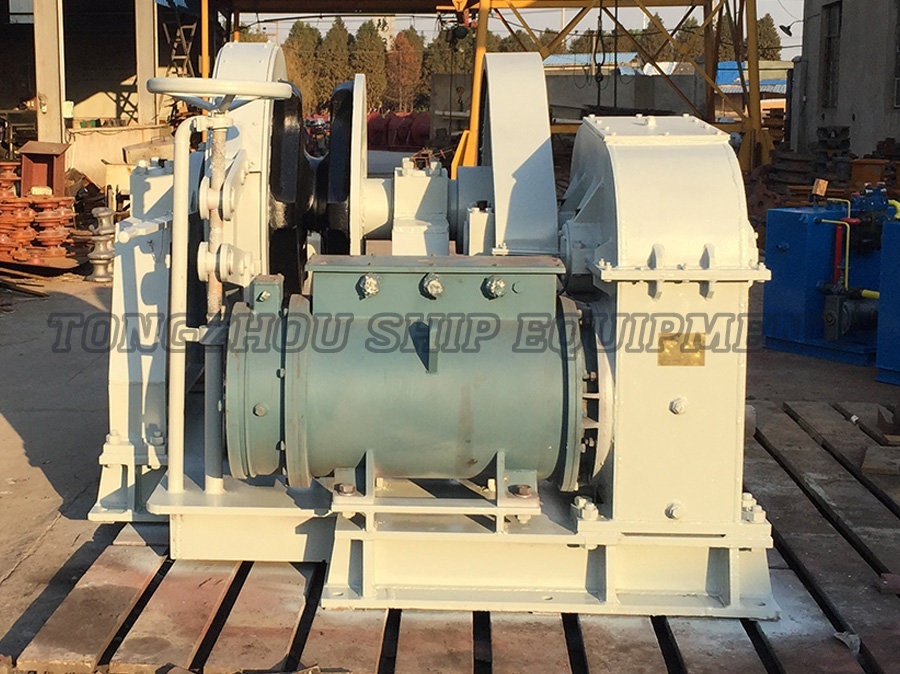
To understand how windlasses work together with bollards on the same deck, the critical insight is that the windlass handles the anchor chain while bollards handle mooring lines; both must be factored into the same deck load plan. For an overview of the role of windlasses, see how a marine windlass supports anchoring and mooring operations.
Practical Selection Checklist
- Determine the maximum line size and its breaking load from the mooring plan.
- Confirm the bollard's SWL is equal to or greater than that value.
- Check the deck structure under the bollard base; stiffeners and backing plates may be required.
- Choose the base style (flat base, angle base, or flanged) that matches the deck contour.
- Verify the bollard diameter is large enough to avoid damaging the rope's outer braid.
When reviewing the complete mooring arrangement, the bollard works together with fairleads, capstans, and mooring winches. A poorly positioned fairlead can pull the line at too sharp an angle, wrapping it around a sharp edge and reducing its effective strength to a fraction of its rated value. That is why mooring line handling devices must be designed as one system rather than as individual fittings.
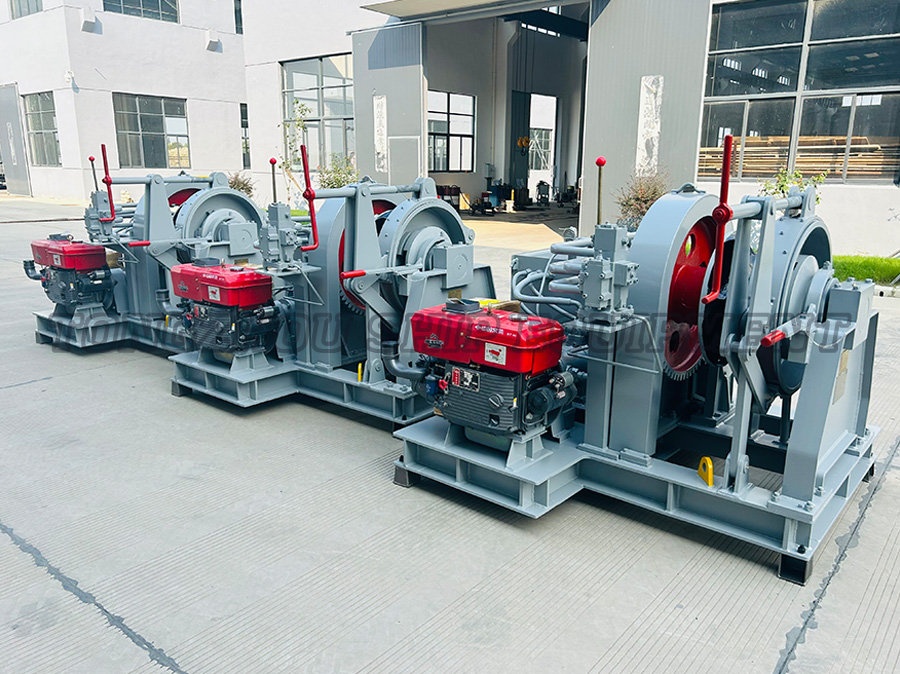
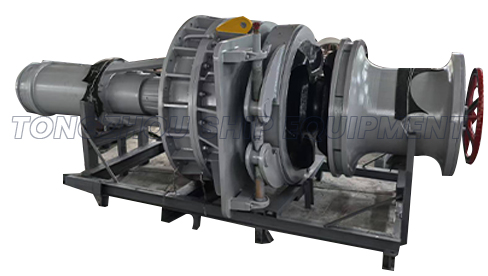
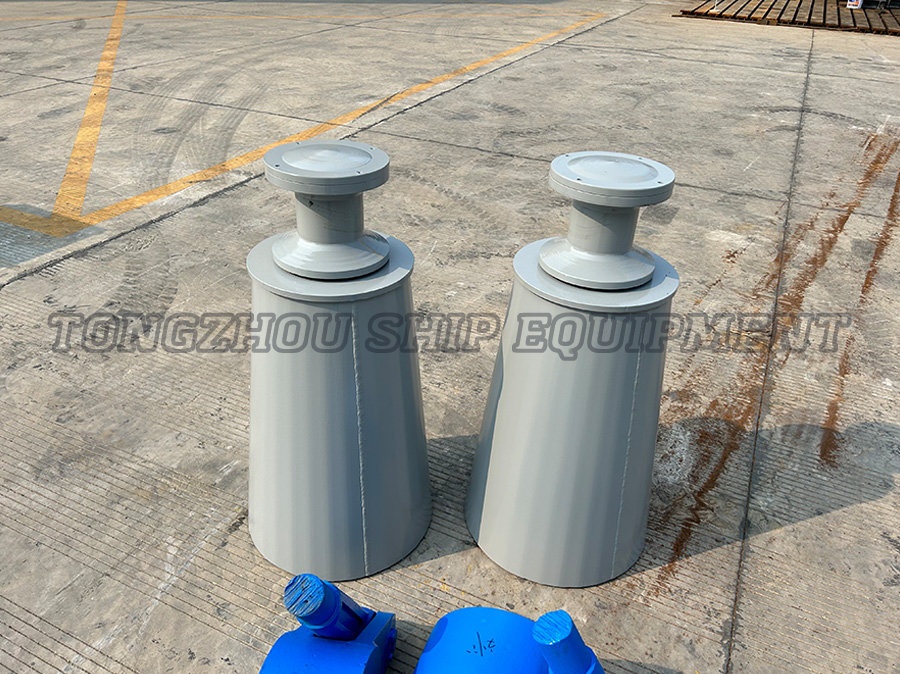
For heavy working vessels that frequently shift berths, a dedicated pulling point is often added near the bollard so the crew can heave the ship along the quay without using the main mooring winch. An anchor capstan provides this additional pulling force while leaving the bollard free to hold the final position.
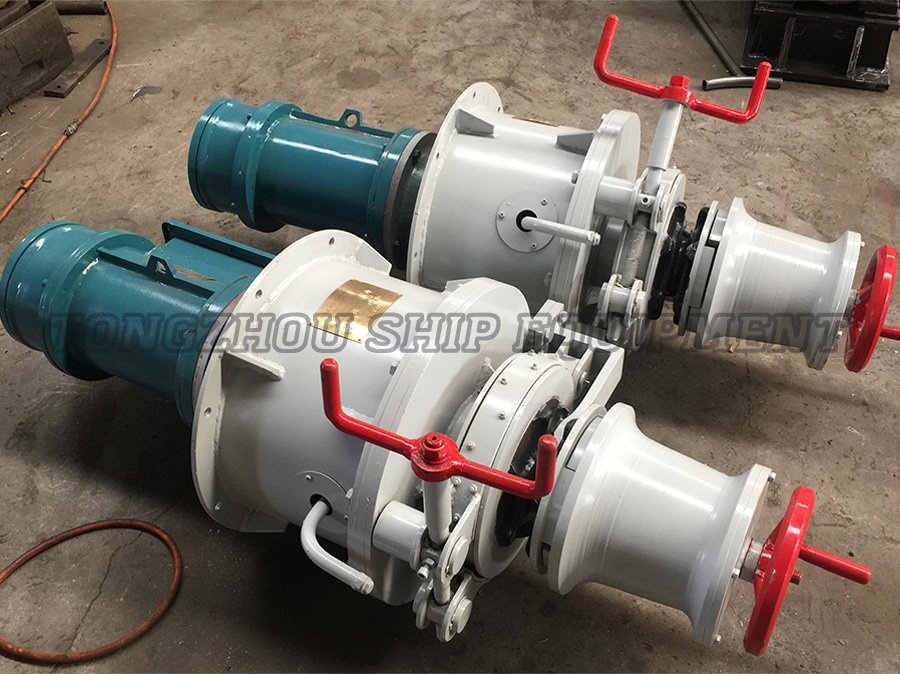 Custom Marine Anchor Capstan Suppliers, CompanyAs China Marine Anchor Capstan suppliers and custom Anchor Capstan company, Xinghua Tongzhou Ship Equipment Co., Ltd. offers high-quality...View Product →
Installation and Maintenance
An incorrectly installed bollard is a hazard regardless of its rated capacity, because the deck-to-bollard connection is where most failures actually occur. Whether the unit is welded or bolted, the base interface must distribute load into the deck structure rather than concentrating it at four bolt holes.
Installation Requirements
- Welded bollards require continuous full-penetration welds and visual plus ultrasonic inspection where the load is high.
- Bolted bollards need a matching backing plate below deck and locking hardware to resist vibration.
- All base edges should be sealed against water ingress; trapped moisture under the base is the fastest route to corrosion.
- After welding, touch up the coating and add a sacrificial anode if the vessel's cathodic protection does not cover the area.
The fairlead position is just as critical. A deck fairlead that is offset by even a few degrees can force the line to rub against the bulwark edge, so the bollard and fairlead should be aligned to within about five degrees of the expected lead direction.
 Marine Fairlead Factory, Wholesale Fairlead ManufacturerXinghua Tongzhou Ship Equipment Co., Ltd is China Marine Fairlead factory and wholesale Fairlead manufacturer, we have been engaged in th...View Product →
Maintenance and Inspection Routine
Bollards are inspected with the rest of the deck equipment, but three specific checks are worth doing on every occasion:
- Look for cracks at the weld toe and around base fillets; these are fatigue-prone zones.
- Use a hammer or ultrasound to check for delamination under the base plate.
- Verify that no drain hole is blocked; a plugged drain allows standing saltwater to erode the bollard from the inside.
In extreme environments, replace bollards after 15 to 20 years of service or whenever section loss exceeds 10% of the original wall thickness. When planning new capacity, most shipyards replace legacy units with deck-mounted anchoring and mooring devices that have documented load ratings and class-approved designs.
How Bollards Fit Into the Complete Mooring System
A bollard alone cannot moor a ship safely. It is part of a chain of deck equipment: the mooring winch pays out or hauls in the line, the fairlead guides it through the rail, and the bollard holds tension once the line is stopped.
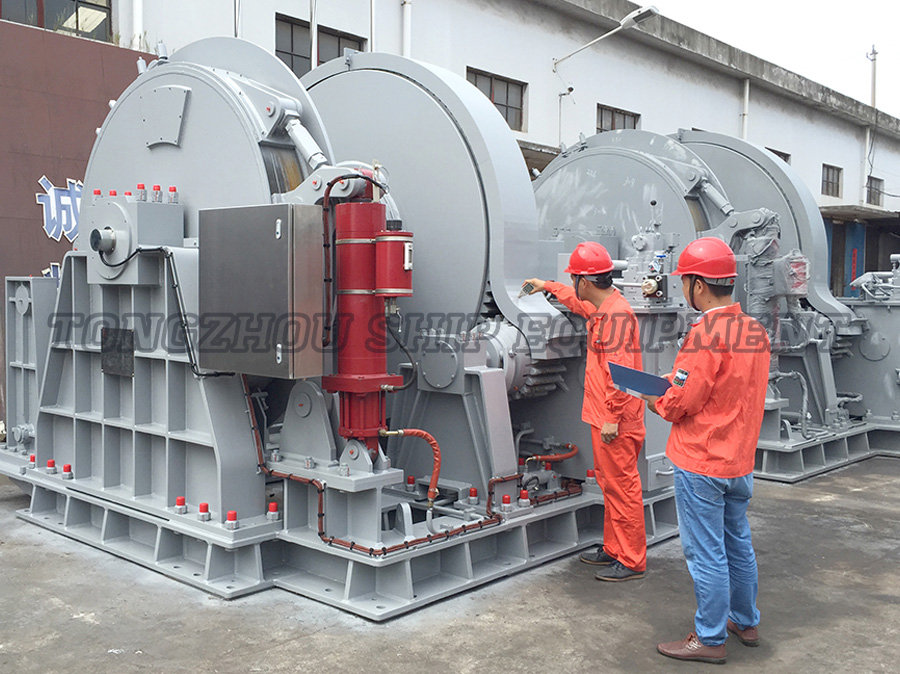
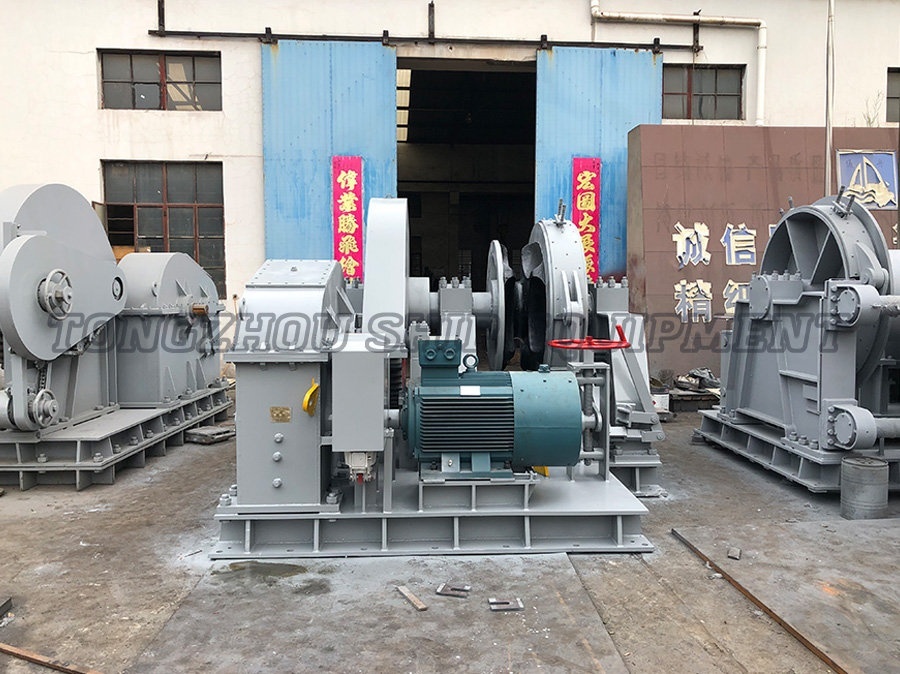
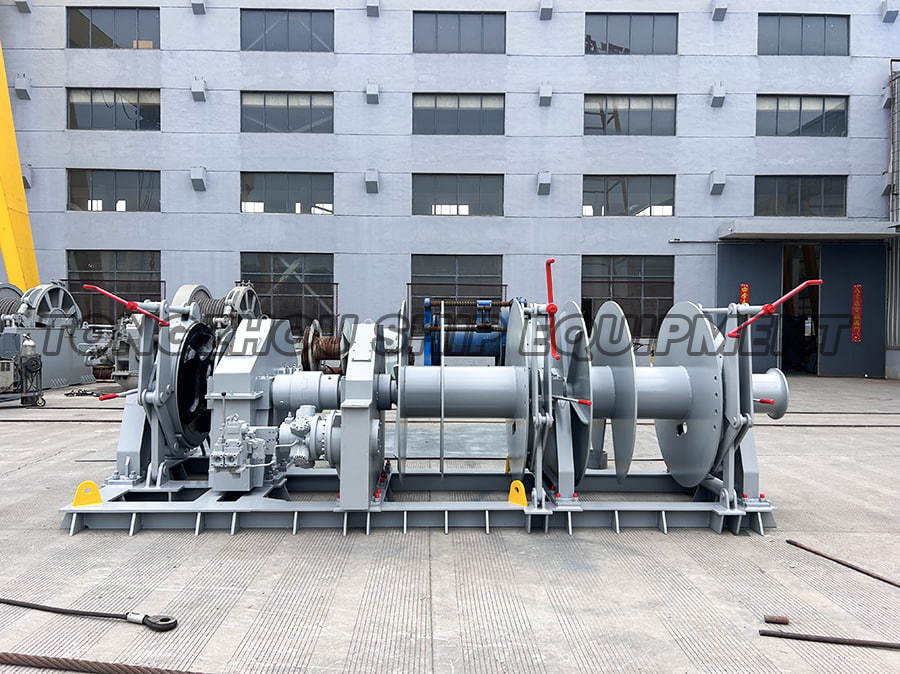
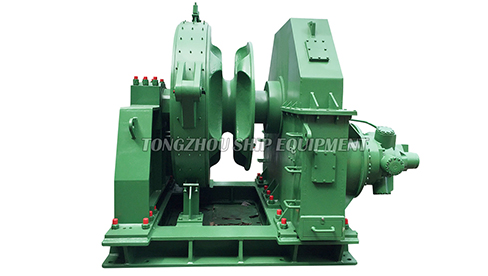
On vessels where deck space is tight, shipyards increasingly specify a combined windlass and mooring winch to serve both anchoring and mooring functions from a single footprint. This approach reduces the number of deck penetrations, shortens cable runs, and simplifies the control system. The bollard remains the holding point, but the winch arrangement determines how quickly and smoothly the line can be set up and released.
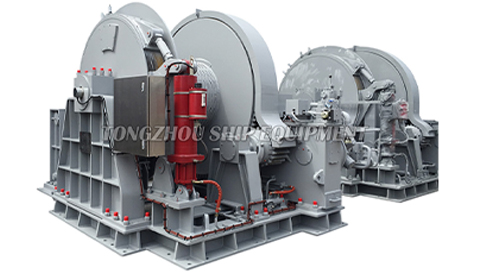
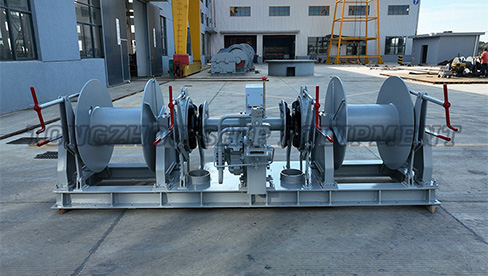 Mooring Winch Manufacturers, Mooring Equipment FactoryAs China mooring equipment factory and mooring winch manufacturers, Xinghua Tongzhou Ship specialize in the wholesale of mooring equipme...View Product →
In short, the bollard is the anchor point, but the team around it, including winches, fairleads, capstans, and cleats, decides how safely and efficiently that anchoring happens.
Frequently Asked Questions
What is the difference between a bollard and a cleat?
A bollard is a heavy vertical post used for large mooring lines and high loads. A cleat is a smaller, lighter fitting with horns, used for lines up to about 20 mm in diameter on small craft. Even the smallest ship bollard carries more load than the largest cleat.
Can a ship bollard be installed on deck without a backing plate?
No. Without a backing plate or local stiffening, the bollard will deform the deck plate when loaded. The deck structure must be verified by a qualified engineer to accept the bollard's rated load.
Do bollards need class approval?
Yes in most cases. Classification societies require bollards and their deck connections to be documented and inspected because they are safety-critical structural elements. Vessels that are not classed may still be required to meet flag state rules.
How many tons can a ship bollard hold?
Ship bollards typically have safe working loads from 5 to 200 tonnes, depending on ship type. Large bulk carriers and tankers often use bollards rated at 80 to 150 tonnes, while fishing vessels may use units rated at 5 to 20 tonnes.