English
 عربى
 中文简体

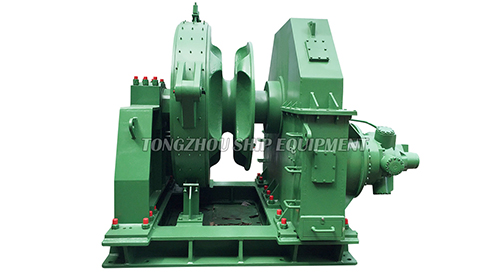
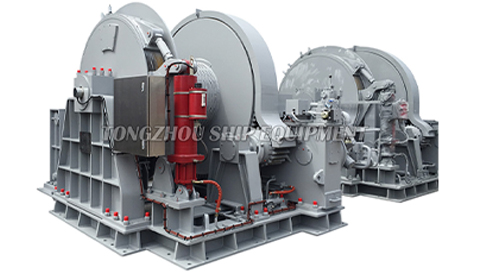
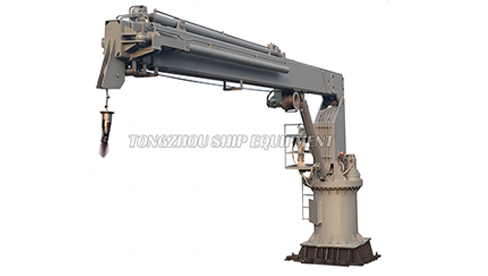
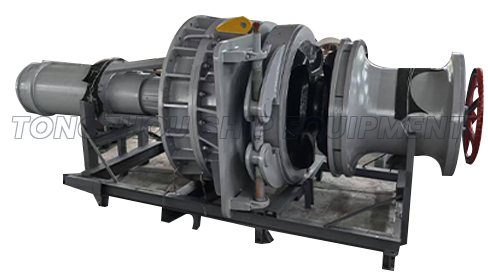
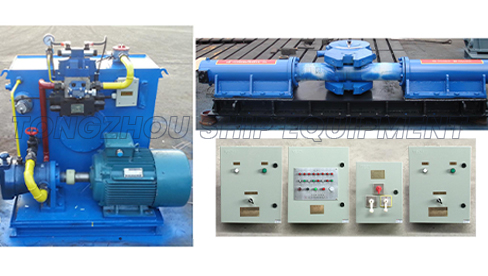
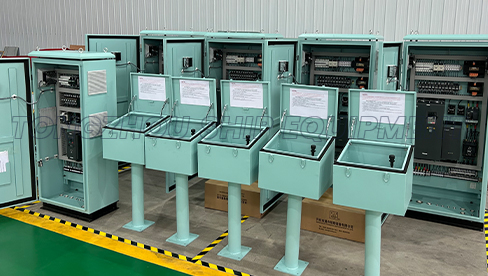
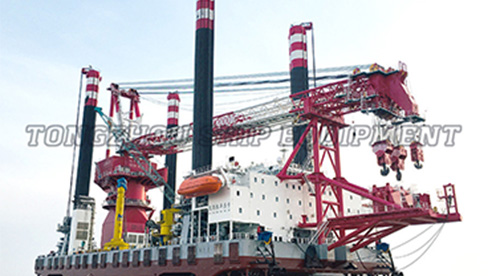


Boat deck equipment is sized by load case, not by catalogue photography. If you know the anchor mass, the chain diameter and grade, the maximum mooring line tension and the class notation the vessel will trade under, machine selection usually follows in a handful of steps. If you do not, a windlass that looked perfectly adequate in a quotation will slip chain, overheat its motor or stall at the exact moment the anchor has to come up.
Put simply, boat deck equipment is the group of machinery and fittings bolted to a vessel's working deck that controls chain, wire and rope under load: anchoring, mooring, towing, lifting, and the steering and control hardware that supports them. It is the part of the ship the crew touches every day, and the part most exposed to salt, impact and improvisation.
Content
- What Counts as Boat Deck Equipment
- Core Systems at a Glance
- Hydraulic, Electric or Diesel: Choosing the Drive
- Anchoring and Mooring: One Machine or Two?
- The Specification Checks That Prevent Rework
- Installation, Commissioning and Class Approval
- Maintenance That Extends Service Life
- Frequently Asked Questions
What Counts as Boat Deck Equipment
The category divides into four duty groups, and nearly every machine on deck belongs to one of them.
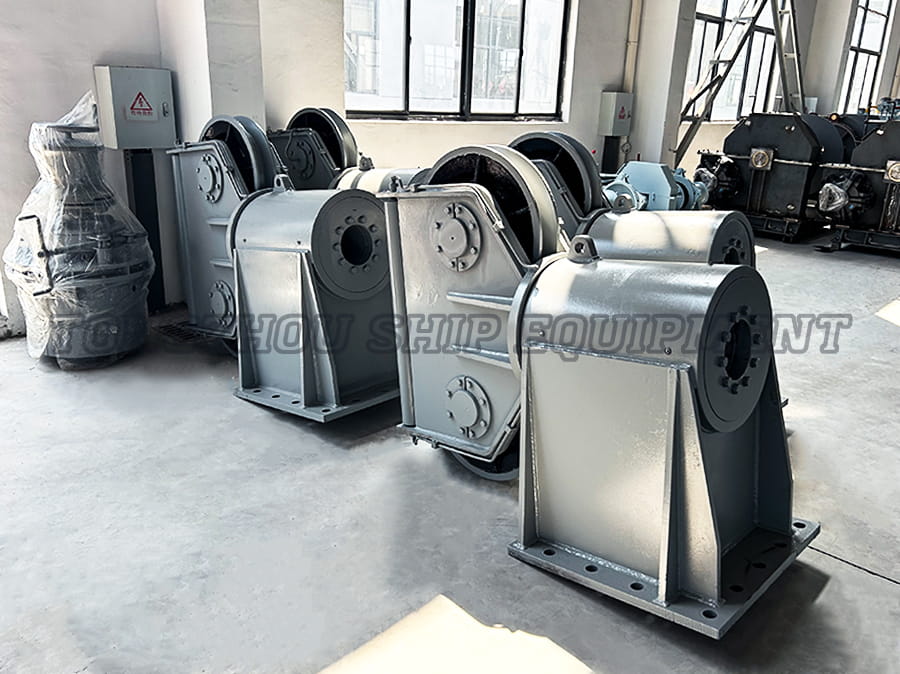
- Anchor handling. Windlasses, anchor capstans, chain stoppers, chain cable, and the hawse and chain pipe arrangement that guides the chain over the side.
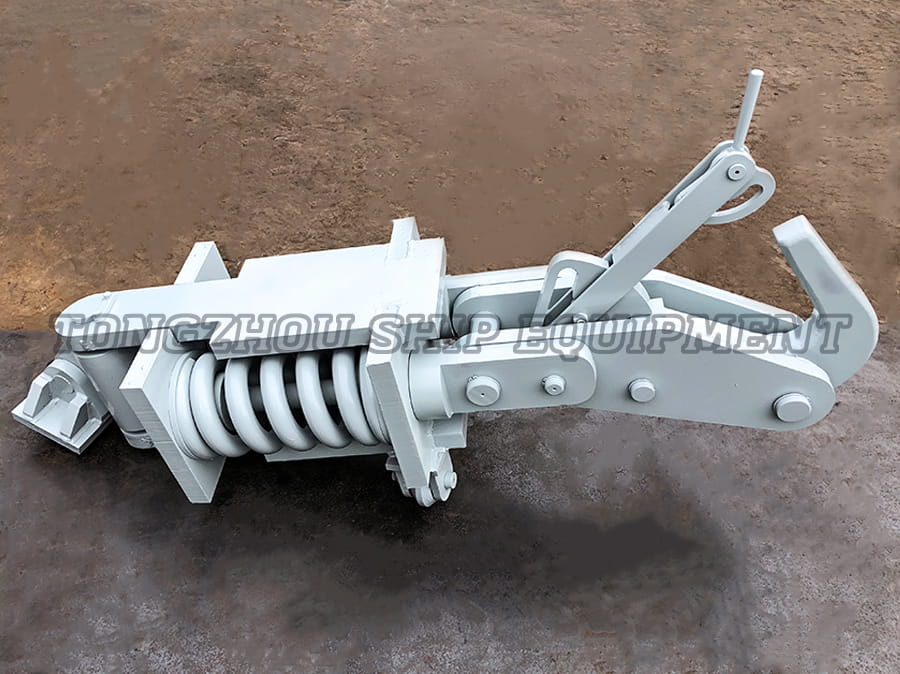
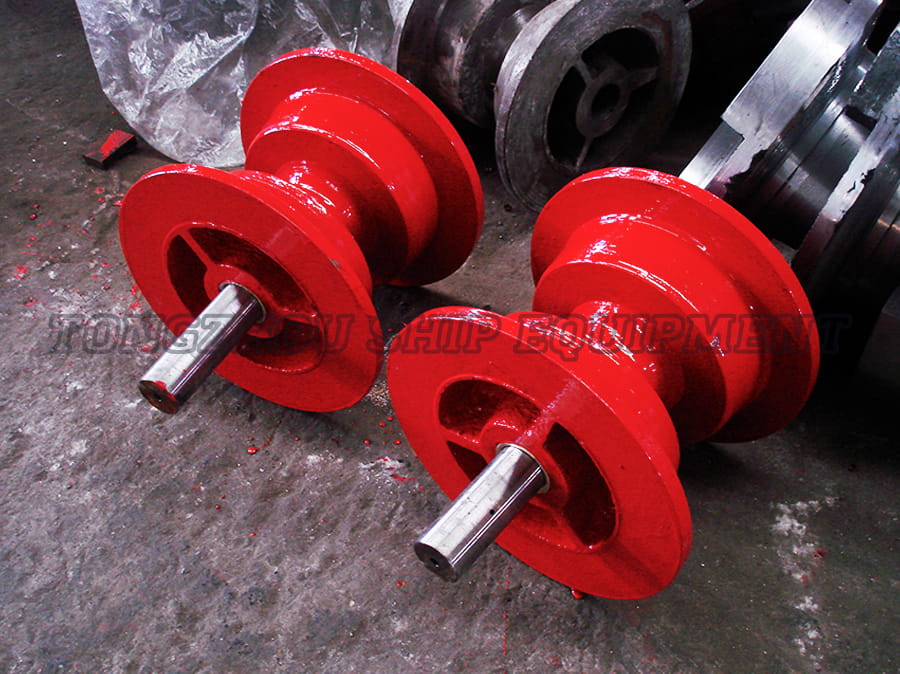
- Mooring and towing. Mooring winches, capstans, combined windlass and mooring units, fairleads, guide wheels, tow hooks and shark jaws.
- Lifting. Deck cranes, hoisting winches, and the sheaves and lifting structures that support them.
- Steering and control. Hydraulic steering gear, hydraulic power units, deck control cabinets and the cabling that ties the drives together.
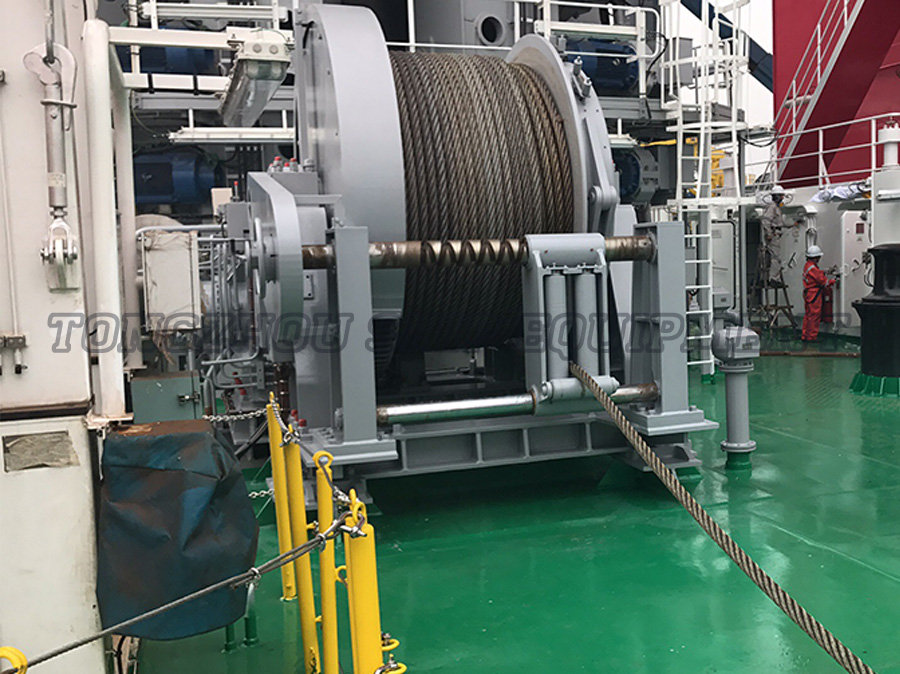
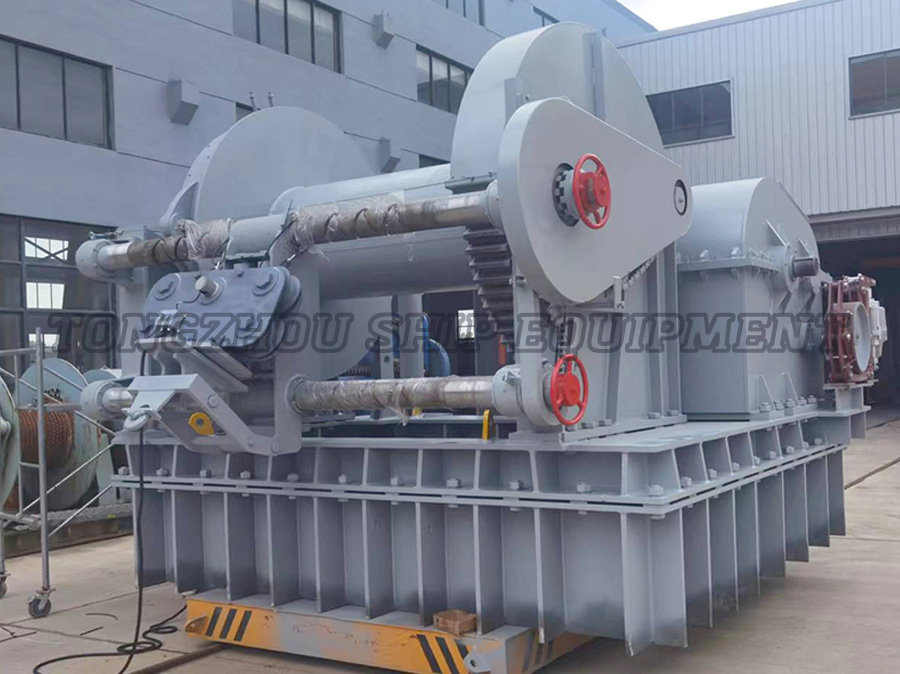
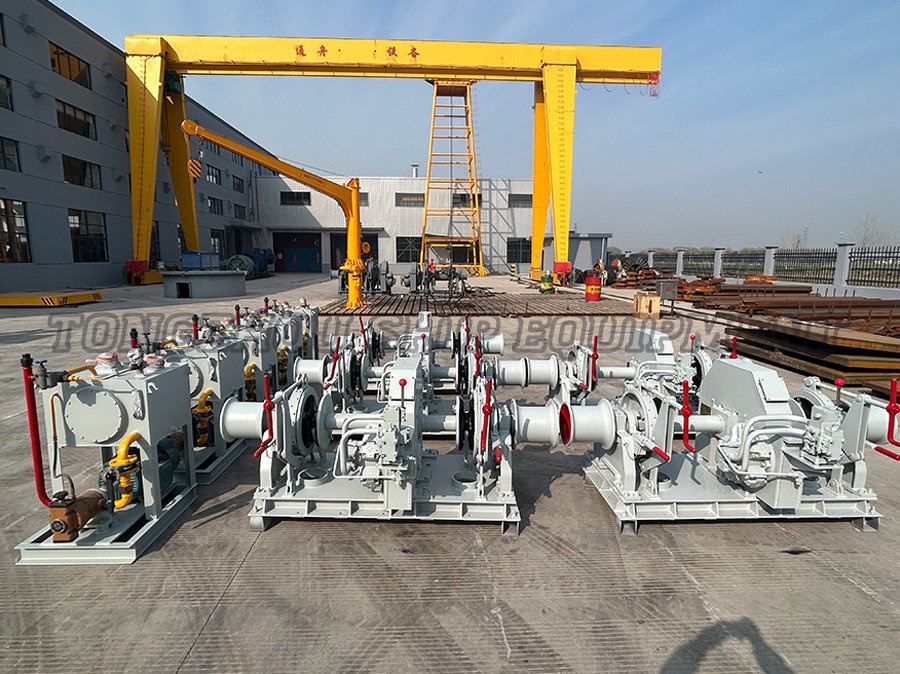
A windlass carries the heaviest concentrated load on most working decks, because it has to break the anchor out of the seabed rather than simply hold it. The choice between hydraulic, electric and diesel drive comes down to how much power the vessel can spare and how often the anchor actually moves.
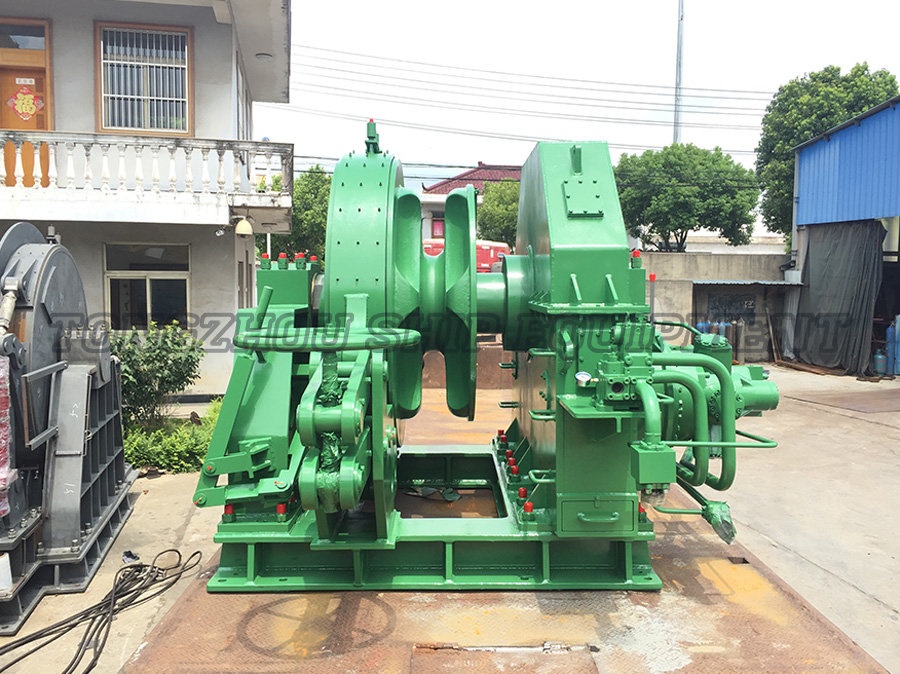 Hydraulic Anchor Windlass Range for Heavy Deck LoadsFor decks where anchor breakout loads dominate, this range covers hydraulic windlass models with motor-driven sprocket control and holding brakes for larger vessels.View Product →
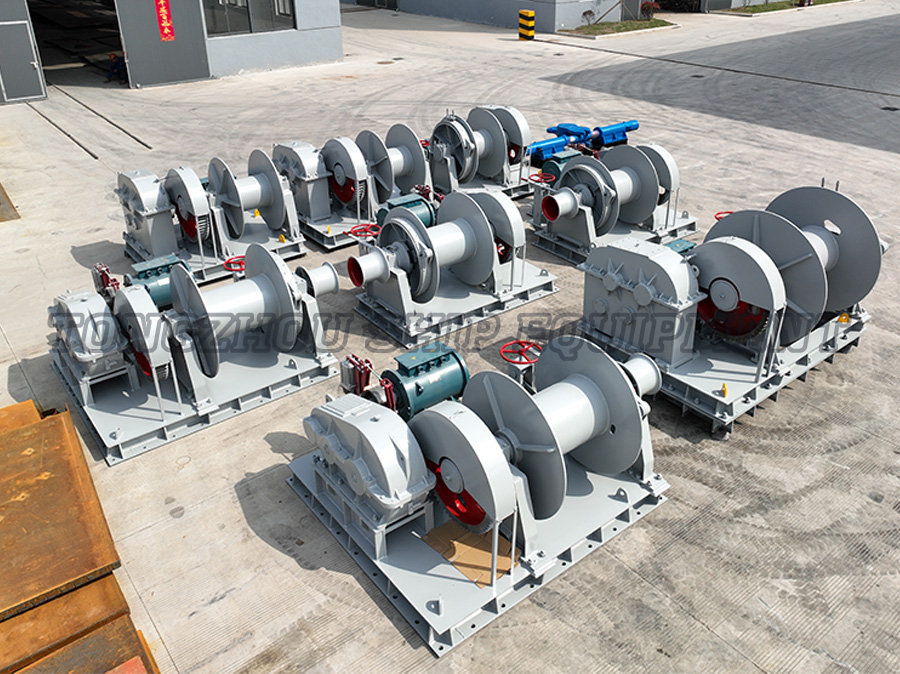
Towing and lifting follow the same principle as anchoring: a drum, a brake and a gearbox sized against a working load, not a marketing figure. A winch rated for a steady pull behaves very differently from one asked to absorb the surge of a towline in a following sea, and that difference is decided by brake design and gearbox rating, not by drum size.
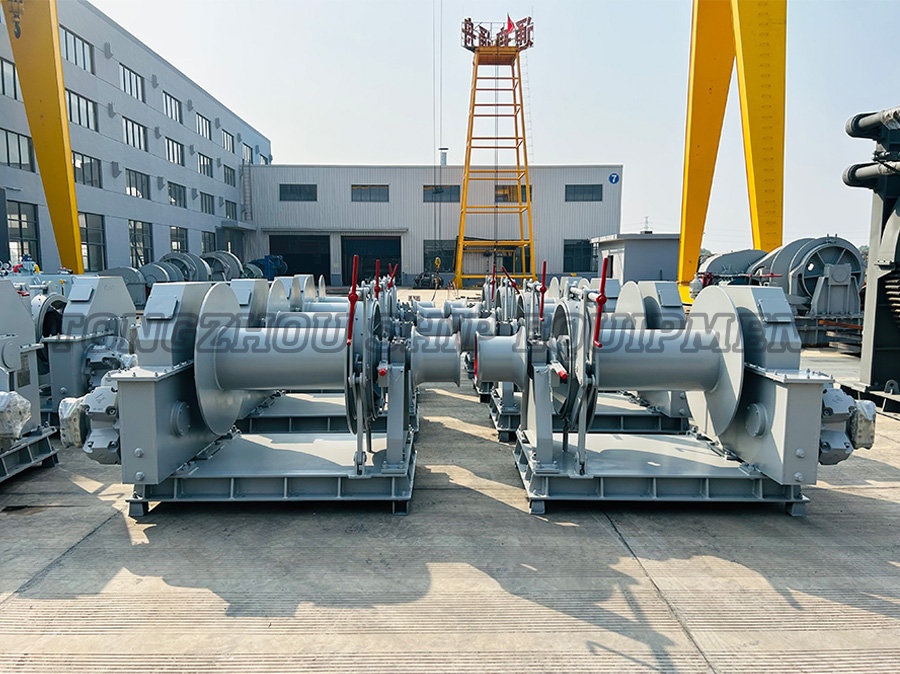 Marine Hydraulic Winch Range for Controlled PullWhere towline surge and load control matter, this category lists hydraulic winches with remote pump placement and applications from mooring to offshore lifting.View Product →
Core Systems at a Glance
Each group on that list exists to convert rotary power into controlled chain or line tension at a predictable speed, and each is fixed by a specific set of numbers.
| System | What it does | Data that fixes the size | Common buying mistake |
|---|---|---|---|
| Anchor windlass | Hauls chain and stows the anchor | Anchor mass, chain diameter and grade, chain speed under load | Sizing only on brake holding load |
| Combined windlass and mooring winch | Handles chain and mooring line from one frame | Both chain and line duties, and which one governs the frame | Assuming one drum gives independent working brakes |
| Mooring winch | Pays out and recovers line at controlled tension | Line tension, line construction, surge tolerance | Specifying constant tension when duty is intermittent |
| Capstan | Warps line or wire around a powered drum | Required pull, line diameter, number of wraps | Ignoring slip and heat build-up on the drum |
| Deck crane | Lifts stores and equipment over the side | Safe working load at radius, hook height, heel angle | Quoting capacity at minimum radius only |
| Steering gear | Turns rudder torque into rudder movement | Rudder torque, stroke, pump flow and pressure | Matching torque but not hydraulic flow |
| Control cabinet | Starts, protects and interlocks the drives | Motor rating, enclosure class, alarm interfaces | Treating it as a generic industrial panel |
Hydraulic, Electric or Diesel: Choosing the Drive
Match the drive to the ship's power budget and to how the machine will actually be used, because each option carries a different maintenance burden rather than a different quality level.
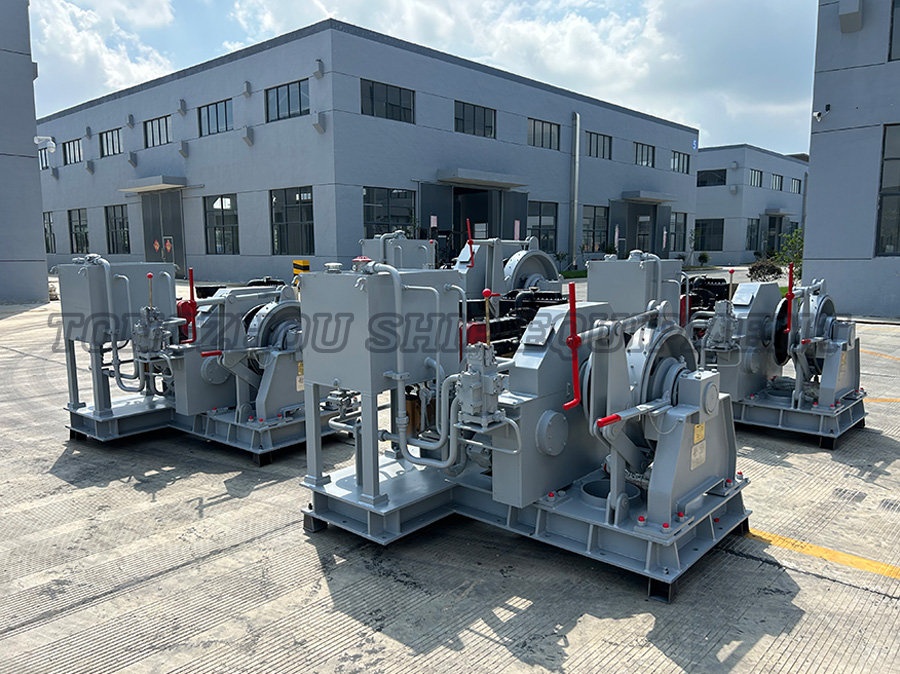
- Hydraulic. High torque from a compact package, stepless speed control, tolerant of stalling and continuous duty. It needs a power pack, hoses and clean oil; leaks become a maintenance and environmental issue, so hose routing deserves as much thought as the machine itself.
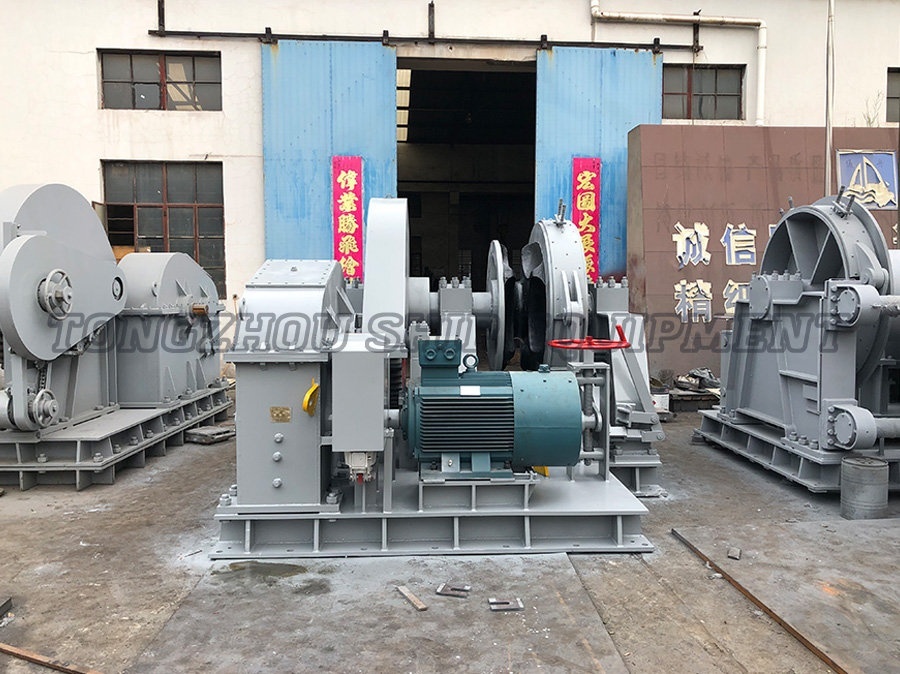
- Electric. Cleaner deck, simpler commissioning, no fluid handling, and precise speed control with a variable frequency drive. It depends on stable ship's power, motor starting capacity and real enclosure protection against salt ingress.
- Diesel. Independent of ship's power, which matters on barges, small craft and vessels with limited generation. It brings fuel handling, noise, local exhaust and a second maintenance routine.
A hydraulic machine is only as good as the hydraulic power unit behind it. Undersized reservoirs, poorly placed coolers and unlabelled valve manifolds are the usual cause of a windlass that runs hot after twenty minutes of work.
Speed figures matter as much as pull figures. A windlass that recovers chain quickly at light load may crawl when the anchor comes up loaded with mud; ask for the speed at working load, not at no load, and treat the difference between the two as a specification in its own right.
Anchoring and Mooring: One Machine or Two?
If deck space is tight and anchoring and mooring never happen at the same moment, a combined unit is usually the better buy; if both duties run together, separate machines with independent brakes are the safer arrangement.
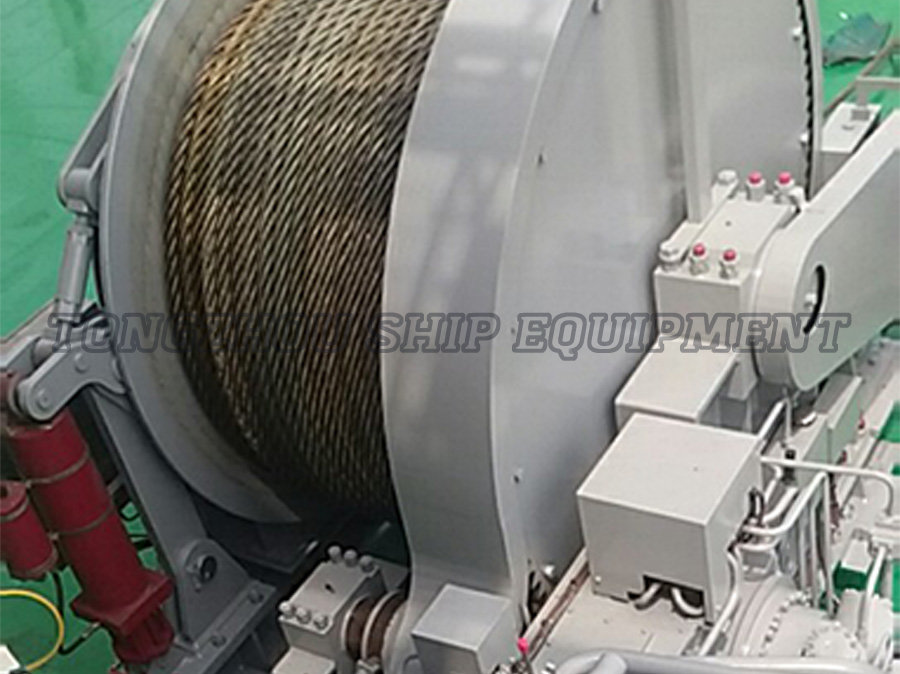
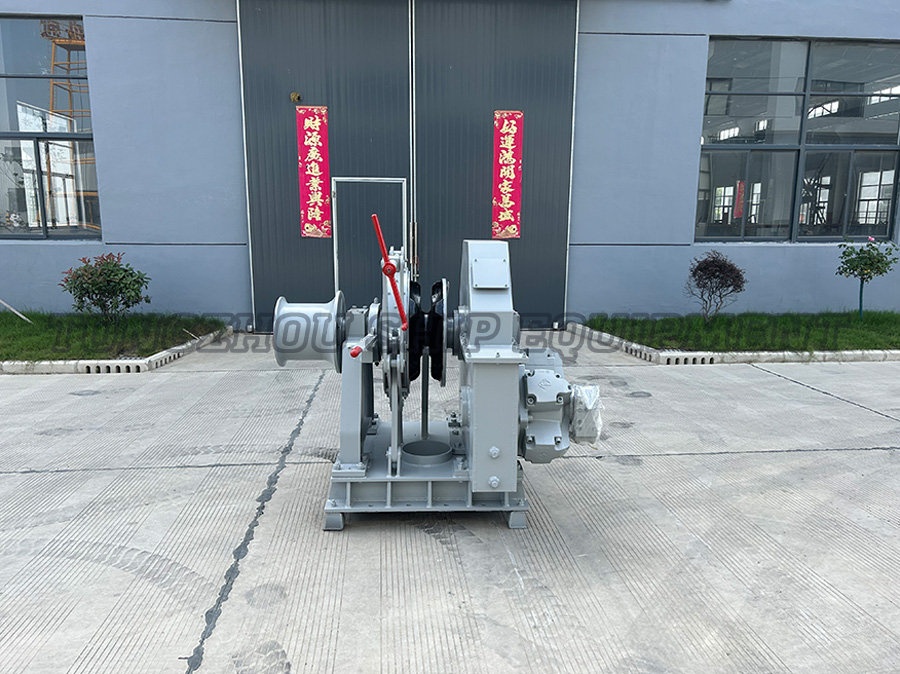
Combined windlass and mooring winches earn their place on workboats, tugs, dredgers and fishing vessels, where every square metre of deck has a job. The engineering question is not whether the frame can carry both drums, but whether each drum has its own clutch, brake and control interlock, and whether the anchor duty or the mooring duty governs the gearbox rating. Suppliers who cannot state which duty governs should not be shortlisted.
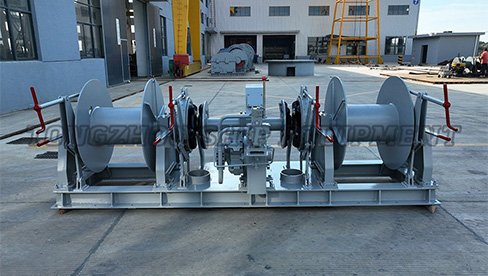 Combined Windlass and Mooring Winch Drive OptionsFor workboats needing anchoring and mooring on one frame, review hydraulic, electric and diesel variants, then check per-drum clutch, brake and control arrangements.View Product →
Check the braking arrangement carefully. A brake that holds a chain in calm water and a brake that holds it in a swell are the same casting under very different loads, and emergency release or free-fall behaviour must be demonstrated, not described.
The Specification Checks That Prevent Rework
Before any price comparison, put these seven items on a single page; suppliers who can answer all of them are generally the ones worth shortlisting.
- Anchor mass and chain diameter and grade, with the chain speed required at working load.
- Working load versus holding load, since a brake's holding capacity is not a working rating.
- Duty cycle: anchoring or mooring operations per day, and how long each run lasts.
- Line or chain size, construction and minimum breaking load, together with the safety factor your class requires.
- Available power: voltage, frequency, generator headroom and permissible starting current.
- Deck envelope: footprint, foundation bolt pattern, chain lead angle and clearance around the chain pipe.
- Environment and enclosure: ingress protection class, coating system, ambient temperature and corrosive zone.
Watch the units. Pull in kN and torque in kN·m both appear in deck machinery literature and are not interchangeable, and a chain diameter quoted without grade tells you almost nothing about strength. A one-digit error at this stage usually surfaces as a foundation problem later.
Installation, Commissioning and Class Approval
Class approval is a gate rather than a formality: machinery without a certificate from the society covering the vessel's notation cannot simply be installed and signed off.
The practical sequence is short but unforgiving. Confirm the foundation and bolt pattern before the machine ships, check chain lead and alignment after it lands, pressure-test hydraulics before first load, and record insulation resistance before energising. Acceptance tests worth insisting on include a no-load run, a load test at rated pull, a brake holding test, an emergency release test and an alarm simulation.
Controls deserve the same attention as the mechanics. A marine electrical control box differs from an industrial panel in circuit protection, enclosure sealing and alarm handling, and those differences are what keep a crew safe when a contactor fails at anchor in a tideway.
Maintenance That Extends Service Life
Most deck machinery failures trace back to lubrication, contamination or corrosion rather than to overload, and most of them are visible a month before they stop the job.
- Grease anchor chain stoppers, brake linkages and bearing points on a fixed interval, not when a part starts squealing.
- Sample hydraulic oil annually and change filters on condition; water ingress and fine particles do the damage long before a pump fails.
- Inspect brake bands and drum wear at every dry-docking, and verify holding capacity afterwards rather than assuming it.
- Keep deck drains clear so water does not stand around foundations and fasteners.
- Re-torque foundation bolts after the first month of service, then on the normal inspection cycle.
Frequently Asked Questions
What is included in boat deck equipment?
Anchoring machinery such as windlasses and capstans, mooring and towing winches, deck cranes, hydraulic steering gear, and the control cabinets and fittings that support them, including chain stoppers, fairleads, guide wheels and tow hooks.
Is hydraulic or electric better for a windlass?
Hydraulic suits high loads and continuous duty, electric suits vessels with clean, stable power and limited maintenance access. Neither is universally better; the deciding factors are duty cycle, available power and who will maintain it.
How do I size a windlass for my boat?
Start from anchor mass, chain diameter and grade, then add required recovery speed under load and the class safety factor. Brake holding capacity should be verified separately from rated pull.
Can one unit handle both anchoring and mooring?
Yes, combined windlass and mooring winches are common on workboats and fishing vessels, provided each drum has independent clutch, brake and interlock, and the governing duty is stated in writing.
What documents should come with deck machinery?
Class or type approval certificates, a load and brake test record, hydraulic and electrical schematics, an operation and maintenance manual, and a spare parts list. Missing schematics become expensive the first time a valve or contactor fails.
The short version: write down anchor mass, chain size and grade, line tension, duty cycle, available power and deck envelope before you talk to anyone, then compare machines against that page instead of against each other. A supplier who asks for all six numbers is usually a supplier who has built the equipment before, and that is a better signal than any catalogue photograph.