English
 عربى
 中文简体

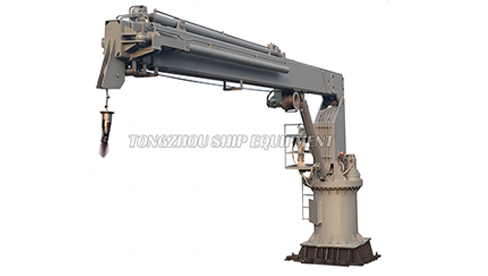


A stocked anchor is an anchor whose shank carries a rigid crossbar — the stock — set at right angles to the arms, so that the anchor cannot lie flat on the seabed and is forced to topple onto a single fluke. The practical consequence for anyone specifying, stowing or handling one is straightforward: a stocked anchor cannot be drawn up into a hawsepipe, it needs a defined deck stowage position with a davit, cathead or crane to recover it, and it will usually be heavier than a modern stockless pattern doing the same job. Deck machinery has to be planned around that geometry from the start, not adapted to it after the anchor arrives.
That one design detail drives everything else on board: how the anchor sits on passage, how the chain leads to the windlass, where the chain stopper is mounted, and how the crew secures the anchor in weather. On traditional and sail-training vessels, workboats, barges and permanent moorings the stocked anchor is still a working tool, and the buying decisions around it are the same ones that matter on any commercial deck — load path, certification, coating and access for maintenance.
Content
- What a Stocked Anchor Is and How the Stock Works
- Stocked vs Stockless Anchors: The Practical Differences
- Where a Stocked Anchor Still Earns Its Place
- Stowage and Deck Gear That Handles a Stocked Anchor
- Sizing a Stocked Anchor: What to Compare Before You Buy
- Procurement Risks Worth Checking Before Ordering
- Maintenance and Wear Points That Matter
- Frequently Asked Questions
What a Stocked Anchor Is and How the Stock Works
A stocked anchor holds by toppling rather than by weight alone: the stock acts as a lever that rolls the anchor onto one fluke as soon as the rode comes under tension.
The main parts are common to nearly every pattern, and knowing them makes specification conversations much shorter:
- Crown — the base of the anchor where the two arms meet the shank.
- Arms and flukes — two arms, each ending in a fluke; only one fluke is intended to engage the seabed at a time.
- Shank — the long member connecting the crown to the shackle and rode.
- Stock — the crossbar near the head of the shank, perpendicular to the plane of the arms. On older patterns it is a fixed forging; on some later patterns it is a bolted or pinned item that can be removed for stowage.
- Shackle or balance eye — the attachment point for the anchor shackle, swivel or chain.
- Tripping palm — a small plate fitted on some patterns to help the anchor turn over on a hard seabed.
Because the stock sits at right angles to the arms, the anchor cannot rest evenly. When the chain tightens, the stock levers the anchor over and one fluke digs in; the second arm then stands up above the seabed. That standing arm is the reason stocked anchors can foul their own rode after a tide change, and why tidal anchorages often call for a veered scope or a second anchor.
Stocked vs Stockless Anchors: The Practical Differences
A stockless anchor wins on stowage and handling, while a stocked anchor wins on simple construction, inspectability and, on small craft, on cost — the summary table below is the fastest way to see which trade-off fits a given vessel.
| Aspect | Stocked anchor | Stockless anchor |
|---|---|---|
| Stowage | Catted on deck or carried in chocks; needs a clear deck footprint and a securing arrangement for sea passage | Drawn up against the shell in a hawsepipe |
| Recovery method | Davit, cathead, deck crane or hand haul on small craft | Direct through the hawsepipe, no davit needed |
| Deck gear layout | Windlass positioned for a fair lead to the stowed position; stopper carries the seaway load on deck | Windlass aligned with the hawsepipe; stopper usually integrated in the same assembly |
| Holding power to weight | Generally lower; plan on a heavier anchor for the same duty | Generally higher; a lighter anchor achieves comparable holding |
| Behaviour on tide change | Second arm stands proud; rode fouling risk to manage | Both flukes stay close to the shank |
| Typical application | Traditional and replica vessels, small craft, kedge and secondary anchors, moorings, workboats and barges | Commercial vessels and any hull with a hawsepipe |
| Maintenance profile | Few parts, wear is visible, often repairable in a local yard | More complex; pivot wear and hawsepipe distortion need regular checking |
Where a Stocked Anchor Still Earns Its Place
A stocked anchor remains the right choice wherever simplicity and deck stowage outrank hawsepipe convenience.
- Traditional, replica and sail-training vessels — the anchor is stowed on deck anyway, and the pattern is part of the vessel's documented arrangement.
- Small craft without a hawsepipe — a modest anchor lifted by hand or on a short davit fall is easier to inspect than a hawsepipe installation that hides corrosion.
- Kedge and secondary anchors — a fixed stock helps an anchor set on short scope when it is deployed from a tender.
- Moorings and permanent installations — set once, inspected by divers, and rarely recovered.
- Workboats and barges — handled by a deck crane, stored in chocks, and expected to be repaired rather than replaced.
Where it does not earn its place: any hull designed around a hawsepipe, and any vessel whose crew expects to recover the anchor from the bridge without sending anyone forward.
Stowage and Deck Gear That Handles a Stocked Anchor
Handling a stocked anchor is a deck-gear problem before it is an anchor problem: the load path runs from the chain through a stopper into the deck structure, and the windlass should never be the component holding the vessel at anchor.
Windlass and rode lead
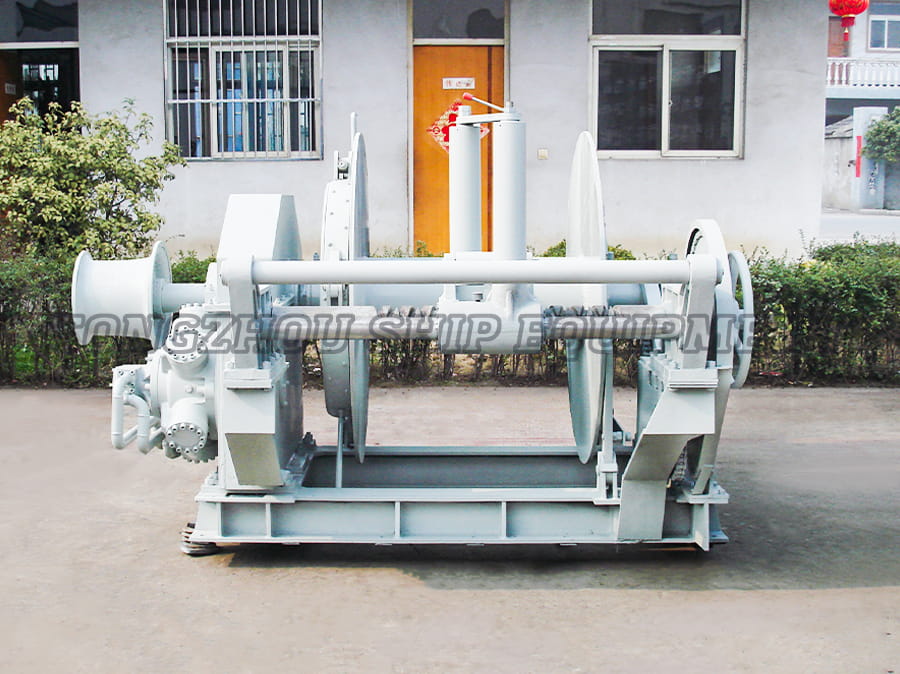
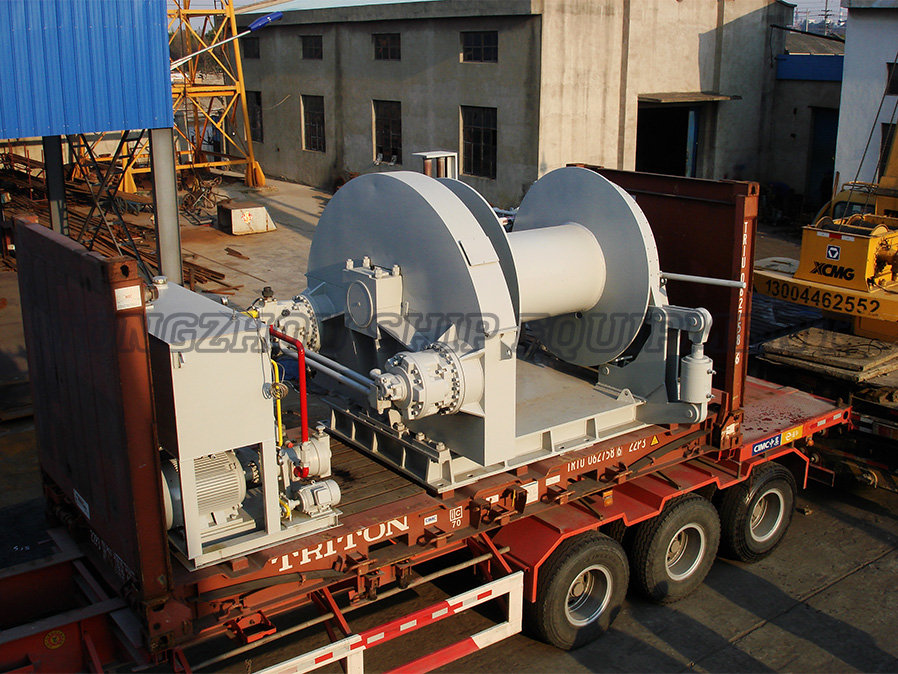
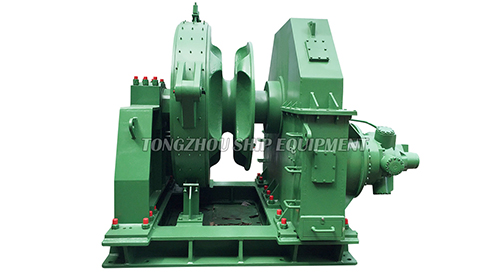
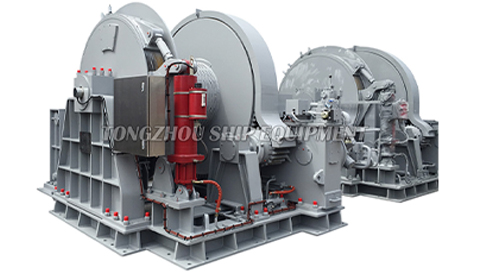
The windlass hoists and controls the rode; it does not secure the vessel. On a stocked-anchor installation, position it so the chain leads fair from the bow roller or deck sheave towards the stowed anchor, and check whether a warping end is needed to take a line during catted recovery. Because there is no hawsepipe to align with, the layout is usually decided by the fairlead and the stowage position rather than by the hull — see these deck-mounted anchoring devices for the typical arrangement.
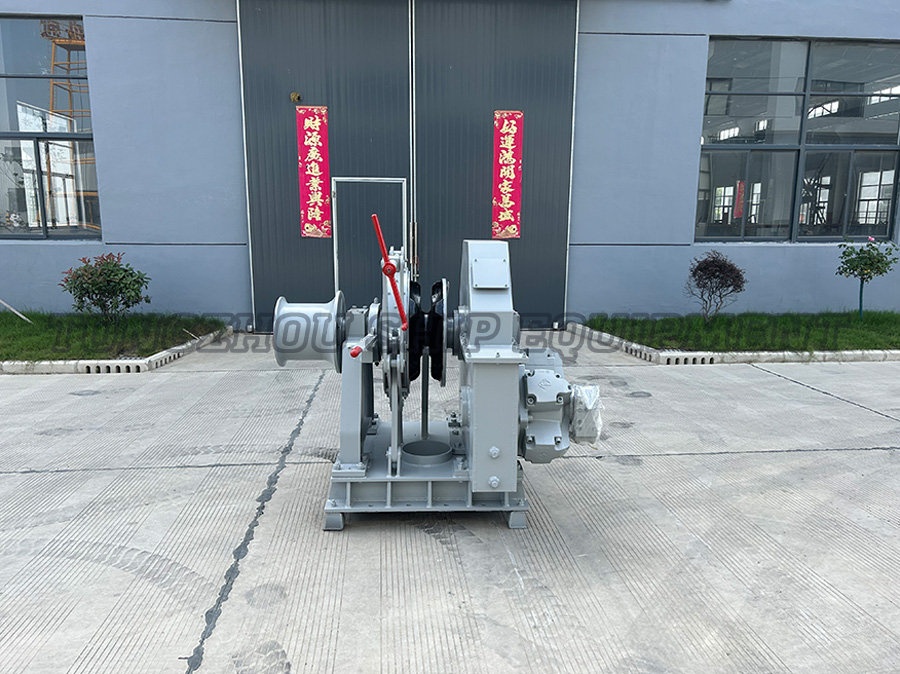
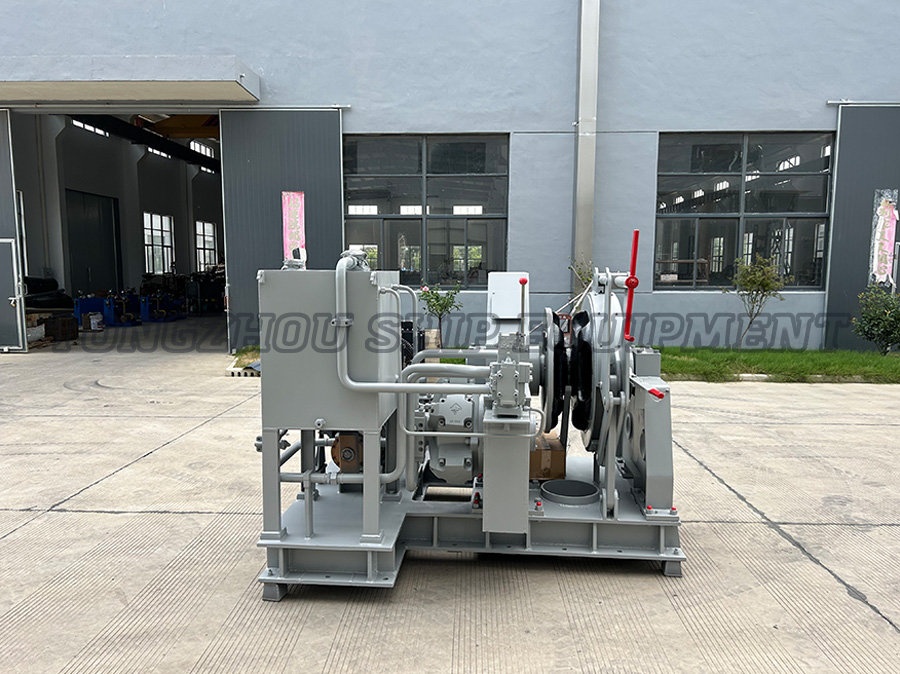
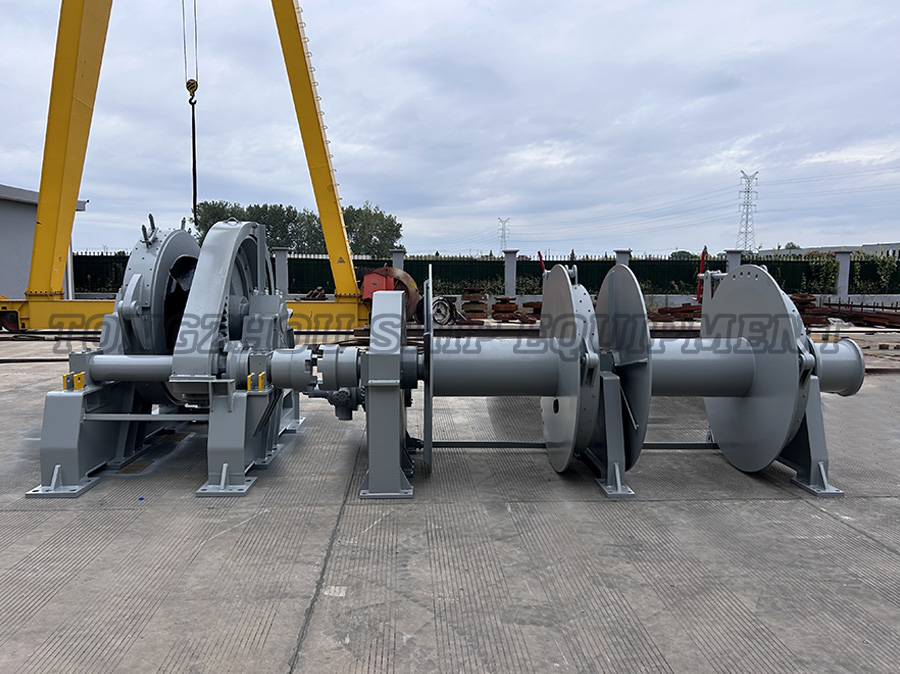
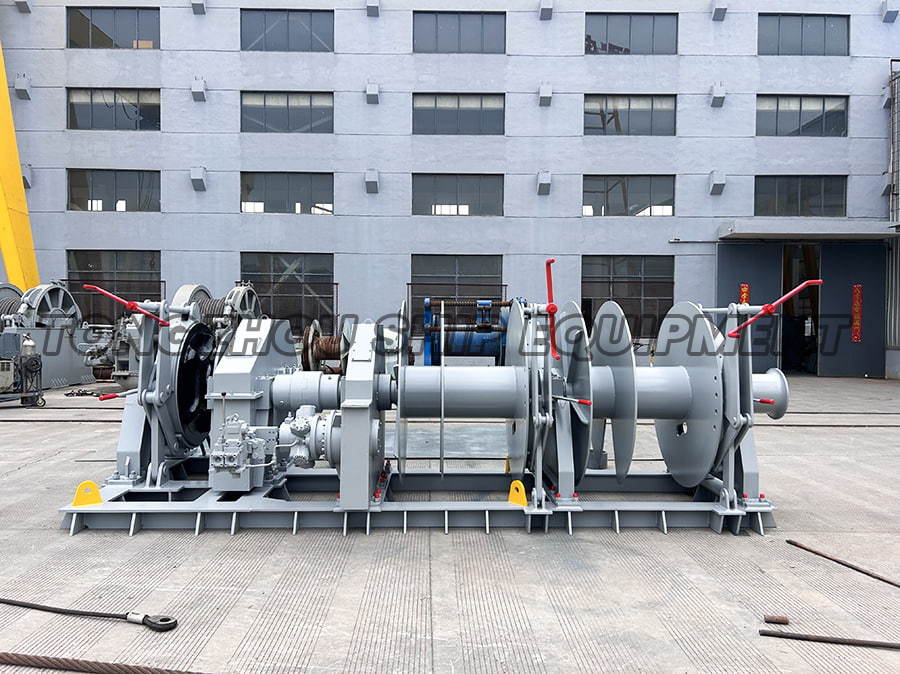
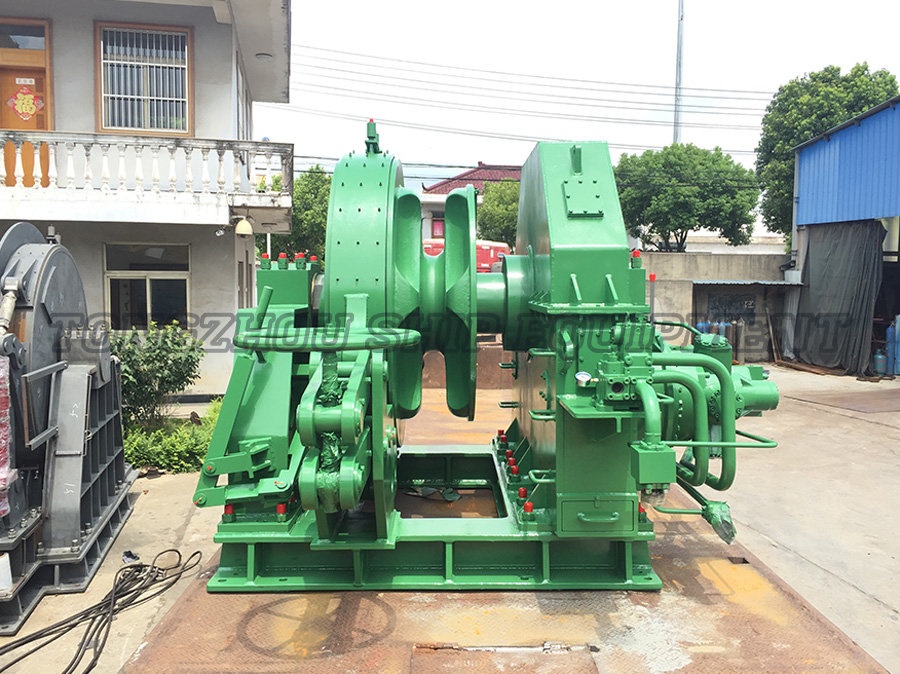 Marine Hydraulic Anchor Windlass SupplierTongzhou products have successively obtained recognition from major ship inspections such as ZC, CCS, ZY, BV, ABS, LR, DNV, NK, KR, BKI, etc. The products are exported...View Product →
Chain stopper and load transfer
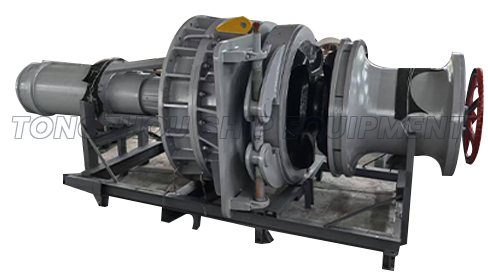
A chain stopper takes the anchor load off the windlass brake and passes it into the deck. On a stocked anchor the stopper matters more than usual, because the anchor is held in its stowed position by tension rather than by the geometry of a hawsepipe; any slack in the stopper becomes movement of the stock against the bow chock in a seaway.
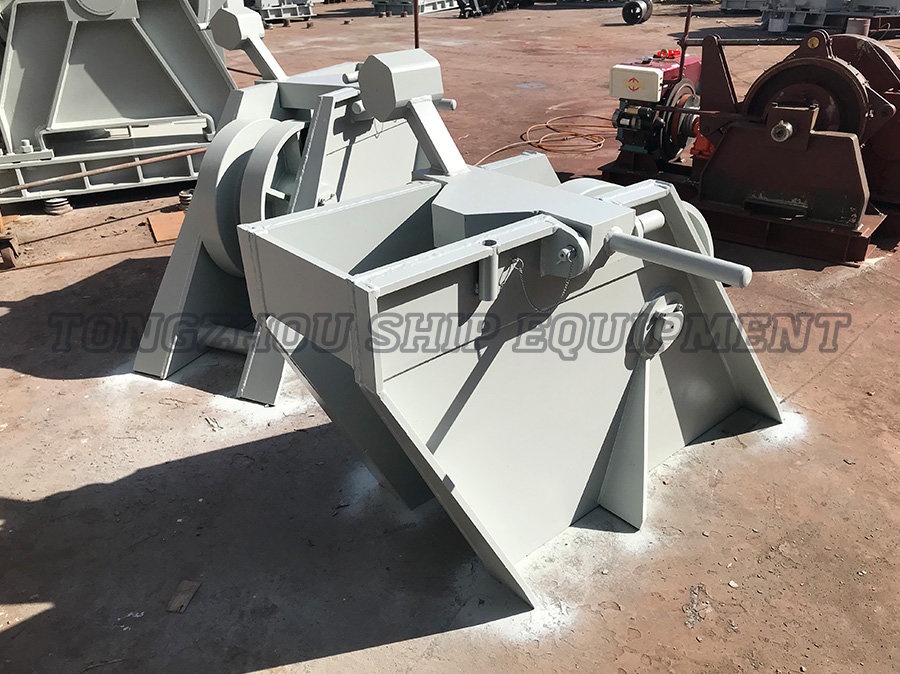 Marine Chain Stoppers for Anchor Load ControlChain stopper range in rod, guillotine and roller types, with locking mechanisms to hold chain load off the windlass and secure stocked anchors.View Product →
Chain handling at the bow
Where the anchor is stowed hard against a chock or near the deck edge, dedicated chain handling fittings reduce the need for crew to lean out over the bow. The wider topic of guides, stoppers and releasing gear is covered under anchor chain handling equipment, and a releaser is often the simplest addition where the rode has to be tripped quickly.
 Cable Releaser for Emergency Anchor AbandonmentEmergency anchor-release device for tripping the rode quickly when the windlass fails; offered in simple, spiral and latch types.View Product →
Sizing a Stocked Anchor: What to Compare Before You Buy
Anchor weight is a system decision rather than a lookup table: stock weight, chain caliber, scope, seabed and the stowage position all change the answer. For the same vessel, a stocked anchor will normally need to be heavier than a high-hold stockless design, so compare fluke area and certified holding power rather than weight alone, and always against the seabed you actually anchor in.
| What the supplier needs | Why it changes the answer |
|---|---|
| Vessel length, displacement and windage area | Sets the holding power the anchor and rode must develop |
| Chain caliber, grade and total rode length | Determines shackle interface, stopper size and windlass pull rating |
| Stowage position and available deck space | Stock width and catted height drive the deck layout and davit reach |
| Coating and service environment | Galvanizing thickness and touch-up intervals depend on salt exposure and use frequency |
| Required certification | Class and flag requirements decide which inspection documents must accompany the anchor and chain |
| Haul speed and retrieval method | Davit, crane or hand haul changes both the safety plan and the windlass specification |
Procurement Risks Worth Checking Before Ordering
Most stocked anchor problems start in the enquiry rather than in service, so a few questions at quotation stage remove nearly all of the risk.
- Stock retention. Confirm the pin or bolt diameter, material and locking method, and ask whether the stock is welded, bolted or forged in one piece — a welded stock cannot be removed for stowage.
- Cast versus fabricated construction. Ask which parts are cast and which are welded, and which non-destructive inspection applies to the welds.
- Interface tolerances. The anchor shackle, swivel and chain link must fit without forcing; a shackle that only fits with a hammer is a fit problem, not a rigging problem.
- Coating specification. State the galvanizing thickness you expect. Paint over mill scale is not a substitute, and touch-up access on a stocked anchor is easy only if the coating is sound.
- Certification scope. On commercially operated vessels the anchor and chain are normally subject to class rules; confirm what inspection records will arrive with the goods.
- Spares. A spare stock pin, shackle pin and securing arrangement cost very little at order stage and are difficult to source at sea.
- Stowage geometry. Measure the stock width and catted height before the order is placed, and check the anchor clears the bow roller through the full range of motion.
Maintenance and Wear Points That Matter
A stocked anchor has almost no moving parts, so nearly every failure is corrosion, wear or an assembly error — and all three are visible in a short inspection.
- Stock pin or bolt: look for corrosion, elongation and lost locking wire; replace a bent pin rather than straightening it.
- Shackle and swivel: check for wear at the crown and at the pin seat, where most load is concentrated.
- Fluke tips and arms: blunted tips reduce penetration in hard sand; dress or replace before the loss of holding becomes noticeable.
- Chain stopper and bow roller: grooving and flat spots cause chain jumps under load; check both after a heavy anchoring season.
- Coating: touch up chips at the crown and stock ends, which are the first areas to break down.
Frequently Asked Questions
Is a stocked anchor better than a stockless anchor?
Neither is better in general. A stockless anchor is the practical choice for any vessel with a hawsepipe, while a stocked anchor suits vessels that stow the anchor on deck, want a simple pattern that can be inspected and repaired locally, or need a dependable secondary anchor.
Can a stocked anchor be stowed in a hawsepipe?
Normally no. The stock is wider than the hawsepipe opening and sits across the plane of the arms, so the anchor cannot be drawn up against the shell. It has to be catted or carried in chocks on deck.
What does the stock actually do?
It prevents the anchor from resting flat and levers it onto one fluke as the rode tightens. Without the stock the anchor tends to slide rather than dig, especially on hard sand.
How heavy should a stocked anchor be?
Follow the vessel's stability data, the class rules that apply and the anchor manufacturer's tables, and expect a heavier unit than a high-hold stockless design for the same duty. Weight alone is a poor guide — fluke area and certified holding power matter as much.
Can an electric or hydraulic windlass handle a stocked anchor?
Yes, provided the chain leads fair to the stowed position and a stopper carries the load when the anchor is secured. The windlass hauls and controls; the deck hardware holds.
A stocked anchor is not an outdated fitting — it is a different stowage philosophy. Once the deck footprint, the fair lead and the stopper are designed as one system, the anchor becomes predictable to handle, easy to inspect and straightforward to replace, which is exactly what a working deck needs.