English
  عربى
عربى  中文简体
中文简体 
News
 HOME / NEWS / Industry News / Comprehensive Guide to Windlasses for Boats: Essential Anchoring Tools
 Comprehensive Guide to Windlasses for Boats: Essential Anchoring Tools
 2026.02.05
 Industry News
Windlasses for boats are crucial devices designed to help with the operation of anchor systems. Whether you’re anchoring in calm waters or in challenging conditions, a windlass is your best friend. This article delves deep into various types of windlass gypsies, anchor windlasses, and provides a complete breakdown of how these tools work. Additionally, we will explore the differences between windlass tools, maintenance tips, and more, making sure you’re fully informed about the best equipment for your boat.
Content
What is a Windlass?
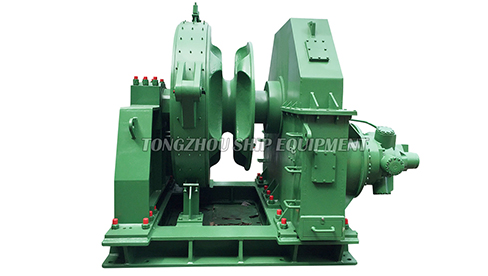
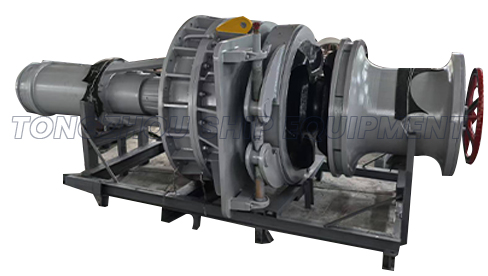
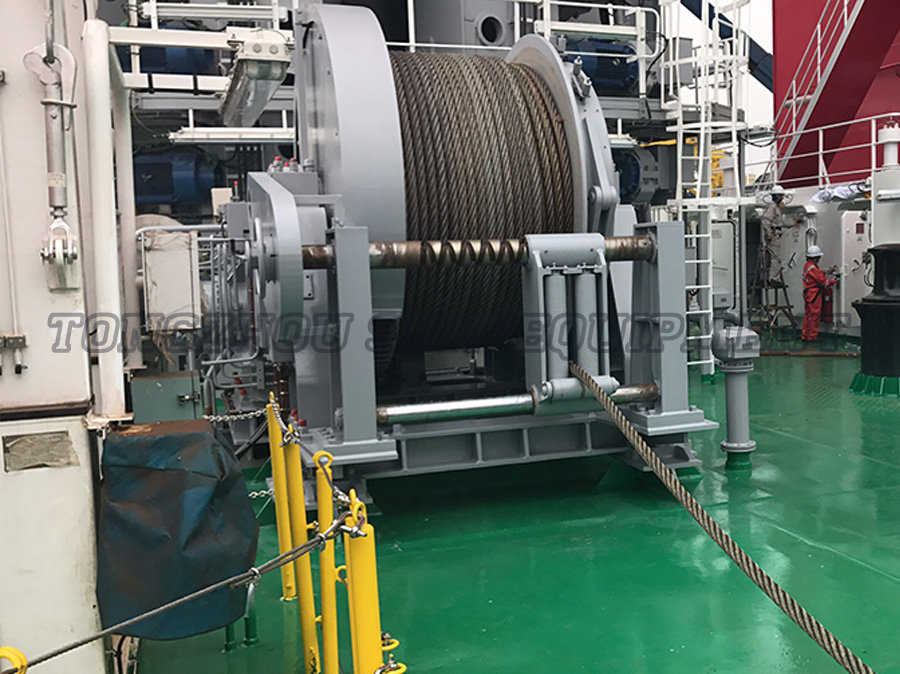
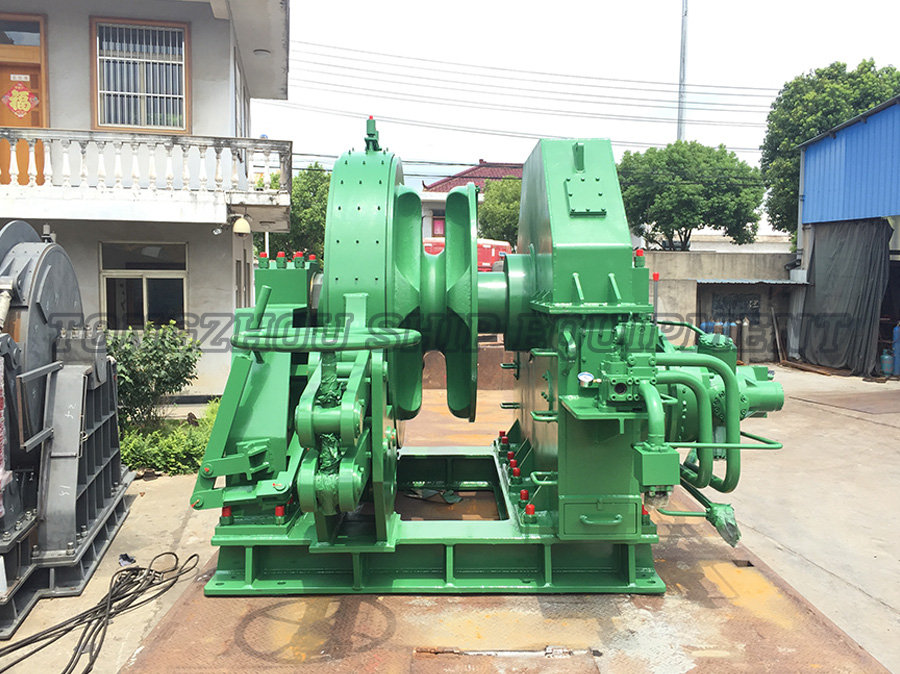
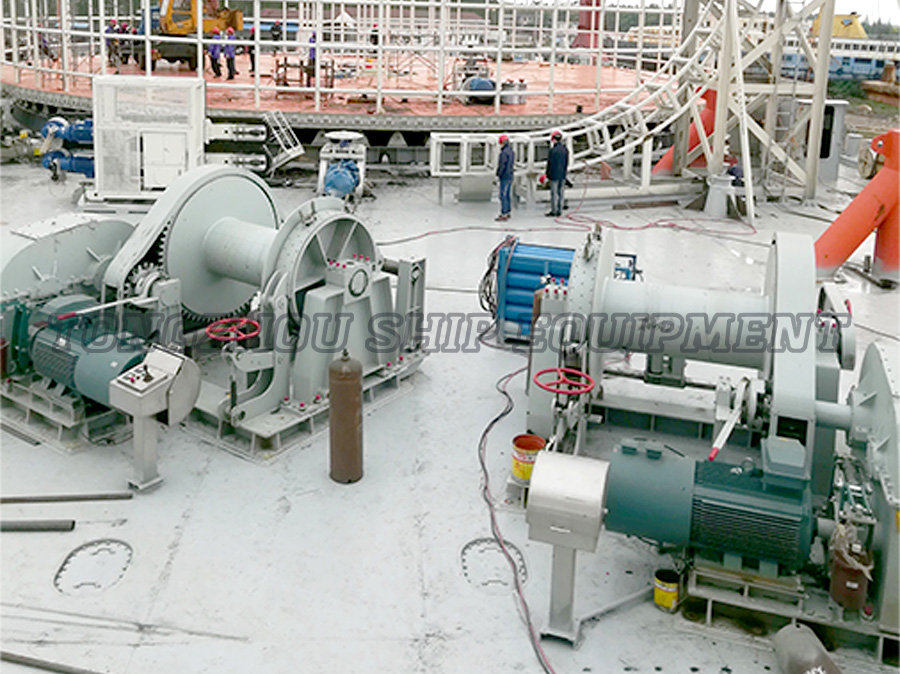
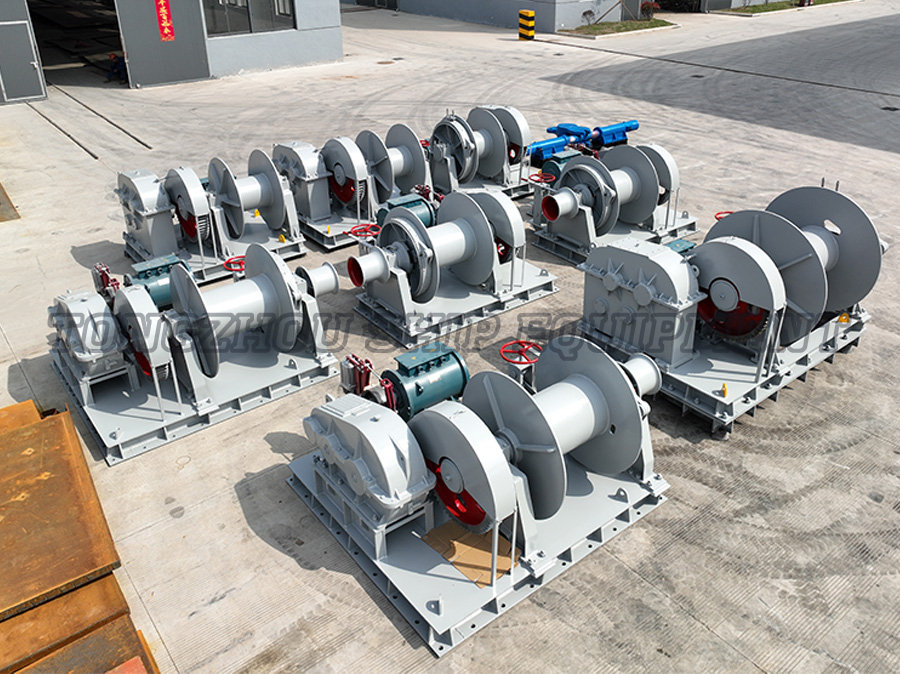
A windlass is a mechanical device used on boats to raise and lower anchors. It works by winding the anchor chain or rope around a rotating drum, known as the gypsy. This allows for a smoother, quicker anchoring process compared to manual methods. Windlasses can be powered manually, electrically, or hydraulically depending on the boat's requirements. With the right windlass, anchoring becomes a hassle-free task.
Components of a Windlass
A windlass is made up of several key components that work together to perform its function:
- Gypsy: The rotating part that holds and winds the anchor chain. It is the primary working component of the windlass.
- Motor: Electric or hydraulic motors are used in powered windlasses to raise and lower the anchor automatically.
- Brake: The braking mechanism controls the speed and ensures the anchor does not drop too quickly.
- Chain Stopper: This prevents the anchor chain from falling back into the water after the anchor has been deployed.
- Deck or below-deck mounting: Windlasses can be mounted either above the deck for easier accessibility or below deck for more compact installation.
Types of Windlasses for Boats
When selecting a windlass for your boat, it’s important to choose one that matches your boat's size and anchoring requirements. Below, we’ll go over the most common types of windlasses used by boaters.
Manual Windlasses
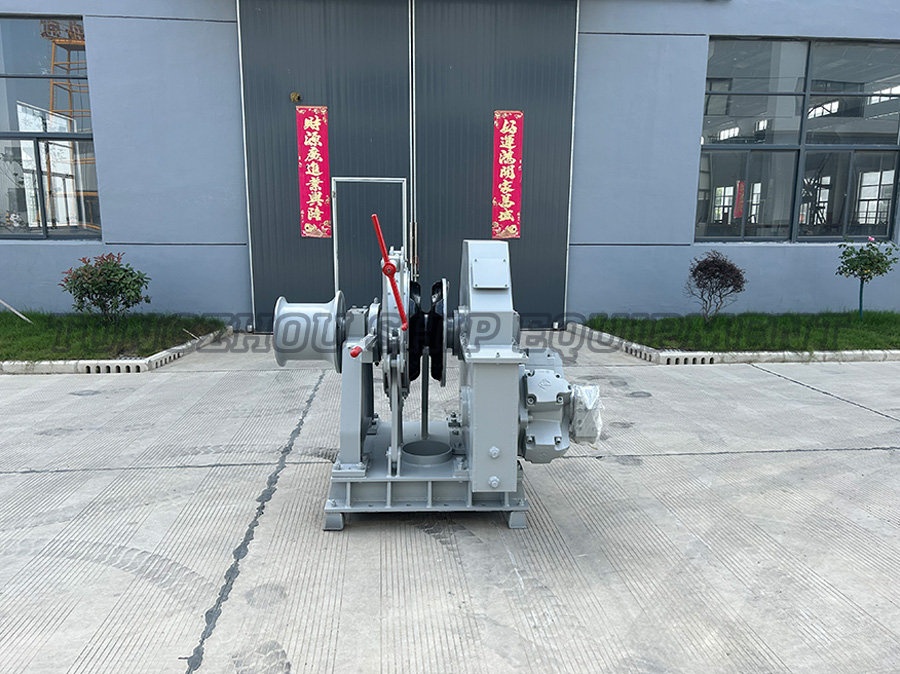
Manual windlasses are operated by hand cranks or winches. While these windlasses are more affordable, they require significant physical effort to operate, especially on larger boats. Manual windlasses are most commonly used on smaller boats with lighter anchors.
Advantages of Manual Windlasses:
- Lower cost
- Simple construction
- Lightweight and compact
Disadvantages of Manual Windlasses:
- Labor-intensive
- Not suitable for large anchors
- Can be slow and tiring on larger boats
Electric Windlasses
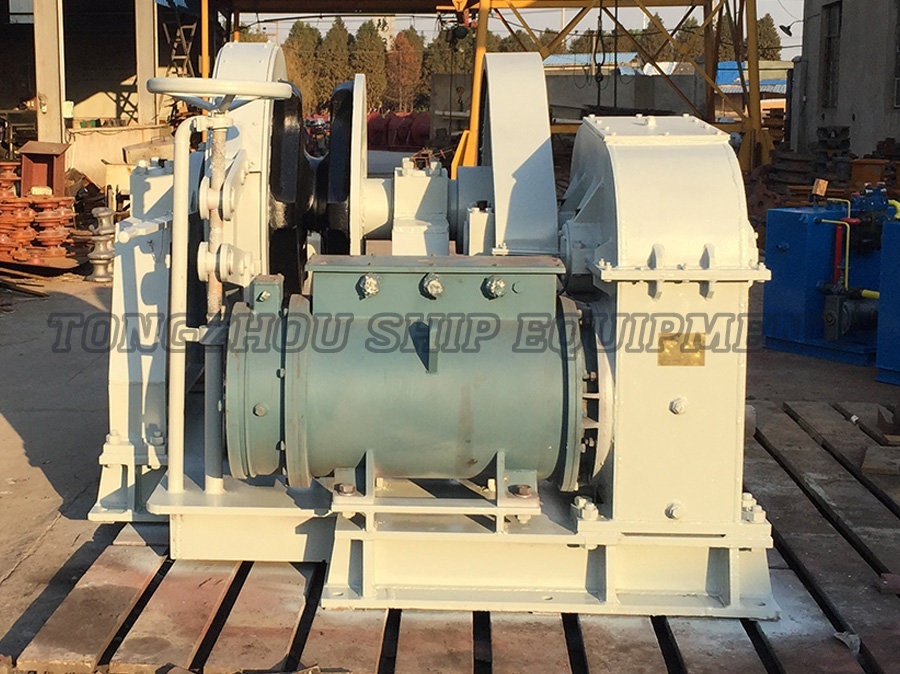
Electric windlasses offer a much easier anchoring process by utilizing an electric motor to raise and lower the anchor. These windlasses are typically found on medium to large boats that require frequent anchoring or have heavier anchors.
Advantages of Electric Windlasses:
- Effortless operation with just the push of a button
- Quick and efficient anchor retrieval
- Ideal for larger boats or frequent anchoring
Disadvantages of Electric Windlasses:
- Higher initial cost
- Requires access to an electrical system
- More complex installation
Hydraulic Windlasses
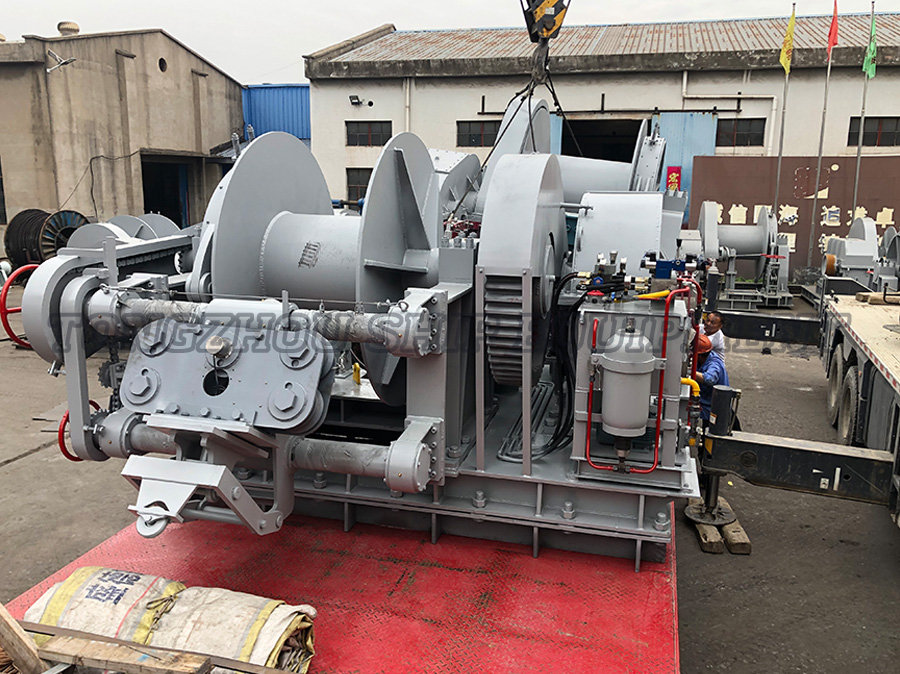
Hydraulic windlasses operate using hydraulic pressure to raise and lower the anchor. These are generally used for large boats or yachts with very heavy anchors, where electric windlasses might not have enough power. Hydraulic systems provide consistent performance and reliability.
Advantages of Hydraulic Windlasses:
- Powerful enough to handle very heavy anchors
- Continuous and consistent operation
- Less strain on the boat’s electrical system
Disadvantages of Hydraulic Windlasses:
- High cost
- Requires a hydraulic system on the boat
- More complicated installation and maintenance
Vertical vs. Horizontal Windlasses
Windlasses can also be categorized based on their orientation: vertical or horizontal. Below is a detailed comparison of these two types of windlasses:
| Feature | Vertical Windlasses | Horizontal Windlasses |
|---|---|---|
| Installation | Mounted above deck | Mounted below deck |
| Space Requirement | Requires more deck space | Compact, space-saving design |
| Visibility | Visible on deck | Hidden from view below deck |
| Suitability | Best for larger boats and deeper anchoring | Ideal for boats with limited deck space |
| Efficiency | Highly efficient anchor retrieval | Efficient but less accessible |
Choosing the Right Windlass for Your Boat
When choosing a windlass, there are several factors to consider to ensure you get the best fit for your boat and needs. Here are some key points to guide your decision:
- Boat Size: Larger boats with heavier anchors require more powerful windlasses, like electric or hydraulic models.
- Anchor Weight: Always choose a windlass that is strong enough to handle the weight of your anchor and chain. Check the manufacturer's specifications to match windlass power with anchor weight.
- Installation Type: Depending on your boat’s layout, choose between a vertical or horizontal windlass. Consider if you have sufficient deck space for above-deck installations.
- Ease of Use: If you plan on anchoring often, an electric or hydraulic windlass may be more convenient than a manual version.
Windlass Maintenance Tips
Proper maintenance of your windlass ensures long-lasting performance and reliability. Here are some key maintenance tips:
- Lubrication: Regularly lubricate the moving parts of the windlass, including the gypsy, motor, and chain stopper.
- Check for Wear: Inspect the chain, brake system, and anchor chain for any signs of wear and tear.
- Electrical Check: If you have an electric windlass, make sure the electrical components are working properly, and the connections are secure.
- Cleaning: Clean the windlass to remove salt buildup and debris. This is especially important for boats used in saltwater environments.
Frequently Asked Questions (FAQ)
What is the difference between a windlass and a winch?
While both devices are used to pull or lift objects, a windlass is specifically used for raising and lowering anchors, whereas a winch can be used for various other tasks such as pulling lines or hauling sails.
How do I install a windlass on my boat?
Installation typically requires some mechanical and electrical knowledge. If you’re installing an electric or hydraulic windlass, ensure the electrical system is set up correctly, and if it’s below-deck, confirm there’s enough space for installation.
Can I use a manual windlass on a large boat?
Manual windlasses are generally better suited for small boats or light anchors. For larger boats or heavier anchors, an electric or hydraulic windlass is recommended for efficient operation.
Conclusion
Choosing the right windlass is crucial for safe and efficient anchoring. Whether you prefer the simplicity of a manual windlass or the ease of an electric or hydraulic version, it’s important to understand the specific needs of your boat. With proper maintenance, a windlass will provide you with years of reliable service and make your boating experience smoother and more enjoyable.

-
Corporate Email:
-
Sales Email:
-
Address:No. 16 Kesheng Road, Development Zone, Xinghua City, Jiangsu Province, China