English
  عربى
عربى  中文简体
中文简体 
News

Why Should You Choose an Electric Windlass Over a Manual Windlass?
 2026.01.30
 Industry News
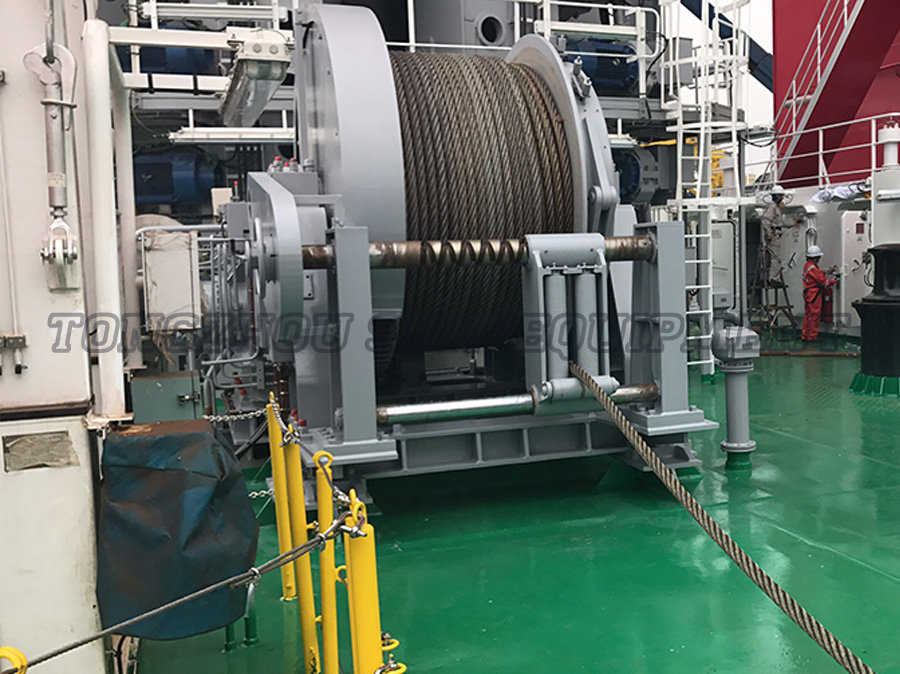
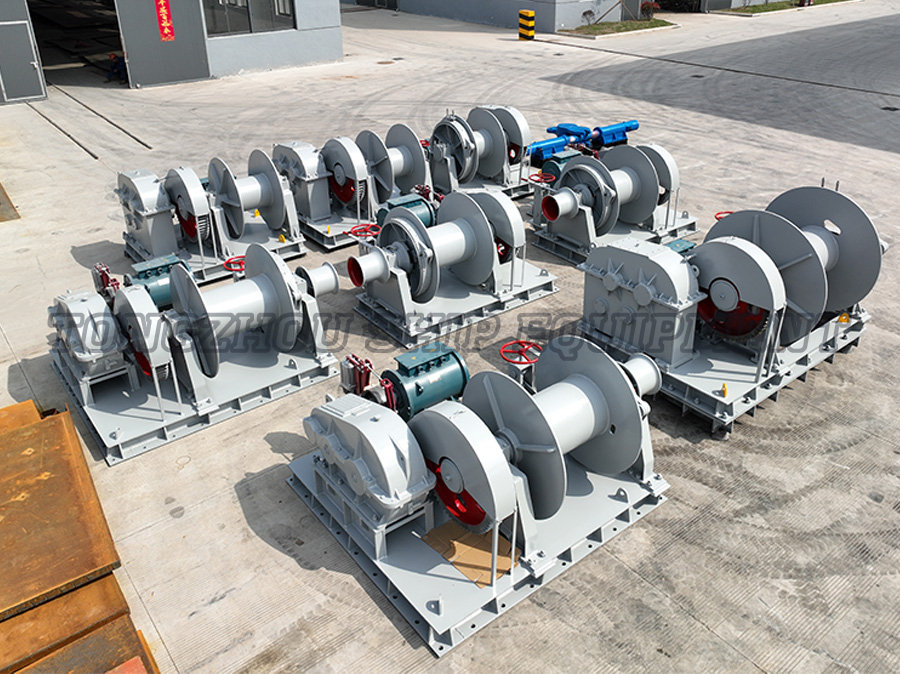
Electric Windlass and manual windlass systems are essential equipment for boat owners, providing the ability to raise and lower anchors efficiently. Choosing the right type of windlass can have a significant impact on safety, convenience, and overall boating experience. While manual windlasses have been used for decades, the growing popularity of electric windlasses has revolutionized anchor handling for recreational and commercial vessels alike.
Content
- What Is an Electric Windlass?
- Advantages of Choosing an Electric Windlass
- Comparing Electric and Manual Windlasses
- Installation Considerations for Electric Windlasses
- Common Misconceptions About Electric Windlasses
- Choosing the Right Electric Windlass
- FAQ About Electric Windlasses
- Conclusion: Why Electric Windlasses Are Worth the Investment
What Is an Electric Windlass?
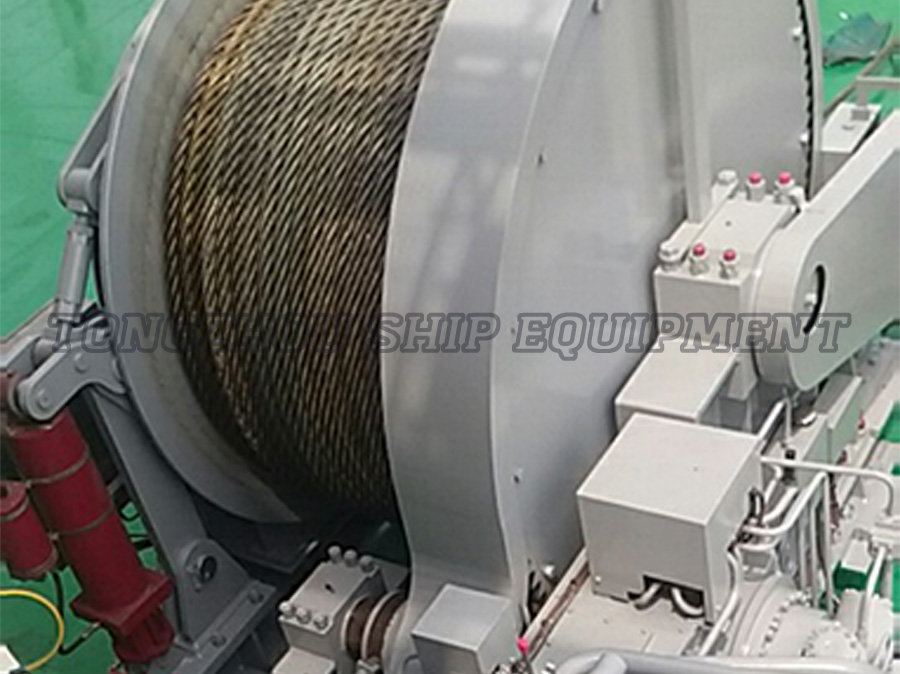
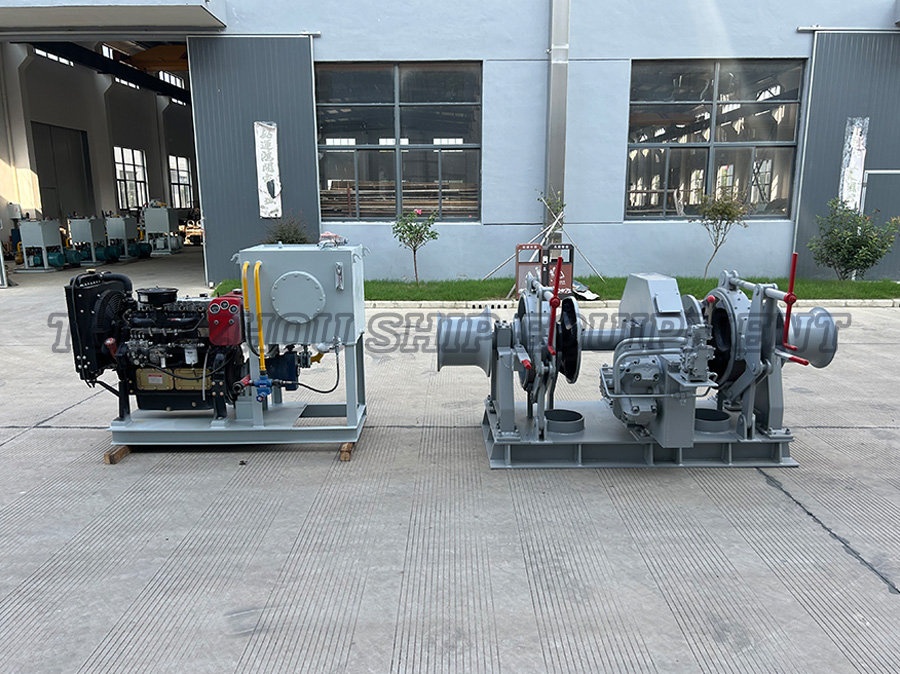
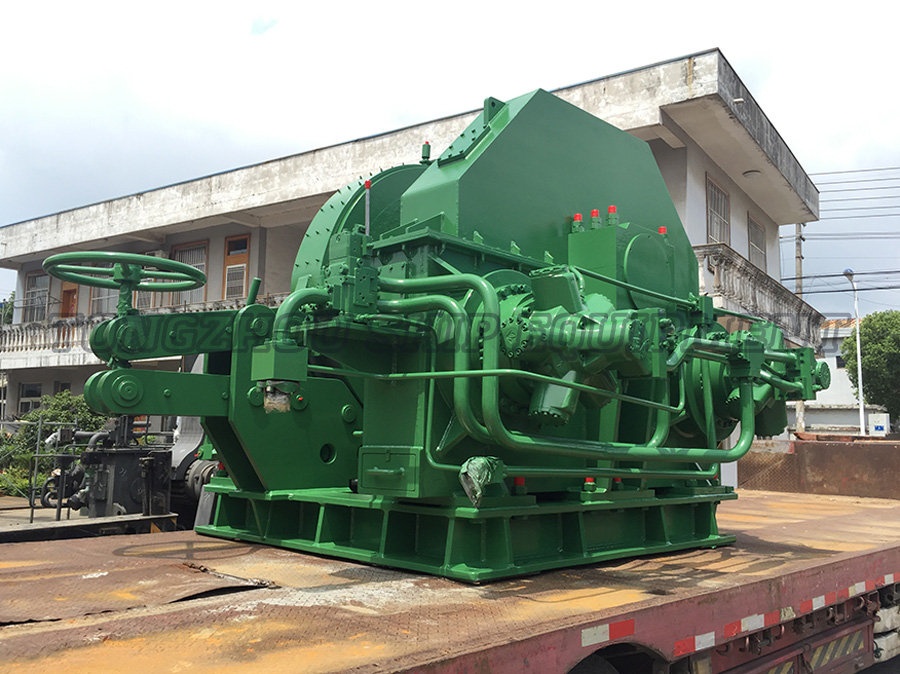
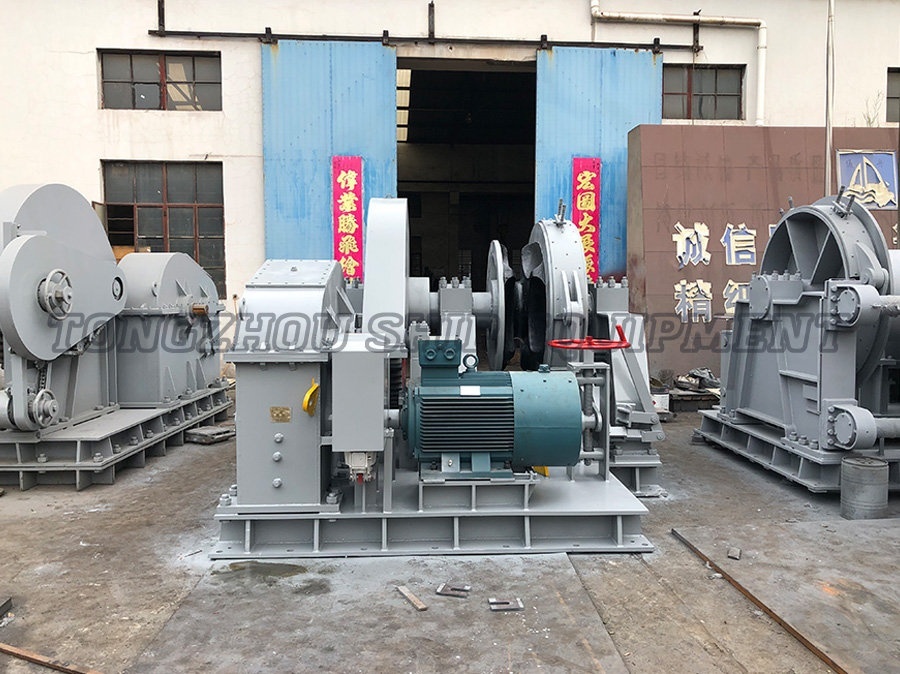
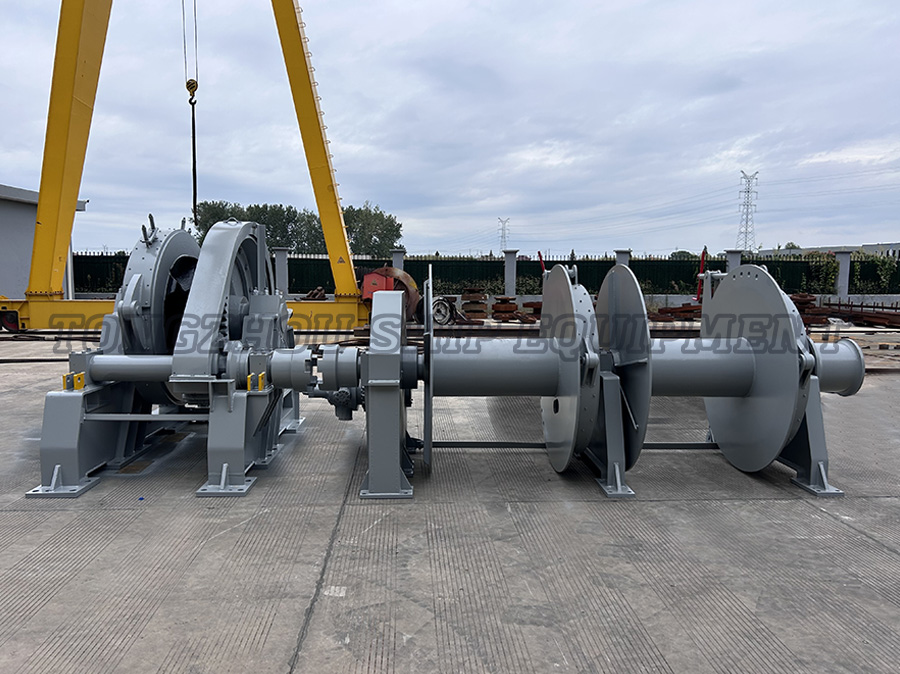
An electric windlass is a powered anchor-handling device that uses an electric motor to lift and lower the anchor. Unlike manual windlasses, which require physical effort from the operator, electric windlasses operate at the push of a button, reducing fatigue and increasing efficiency. They are typically installed on the bow of a boat and can handle different anchor sizes and chain lengths.
Advantages of Choosing an Electric Windlass
There are several reasons why many boat owners prefer an electric windlass over a manual alternative:
1. Ease of Use
Operating an electric windlass requires minimal physical effort. The anchor can be raised or lowered simply by pressing a button, which is particularly beneficial for larger anchors and heavy-duty chains. In contrast, manual windlasses demand significant physical strength and can be exhausting during long anchoring sessions.
2. Time Efficiency
An electric windlass dramatically reduces the time required to deploy and retrieve an anchor. Whether you’re entering a crowded marina or anchoring in a windy bay, a fast and efficient electric windlass saves valuable time compared to a manual windlass.
3. Safety Enhancement
Electric windlasses reduce the risk of injuries caused by handling heavy anchors and chains. With manual windlasses, operators are exposed to strain and potential accidents, especially in rough sea conditions. Electric systems allow for controlled operation, even in challenging environments.
4. Suitable for Larger Vessels
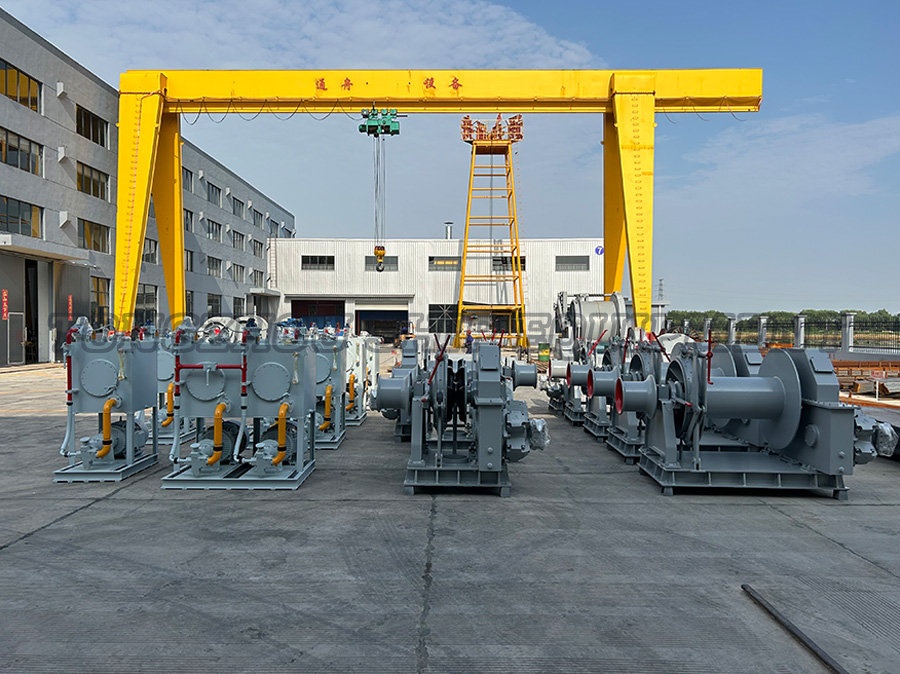
Electric windlasses are ideal for medium to large vessels where manual operation is impractical. They can handle heavy anchors and long chains effortlessly, providing reliable performance for yachts, commercial boats, and fishing vessels.
5. Integration with Modern Boat Systems
Many electric windlasses can be integrated with remote control systems, foot switches, and anchor chain counters, offering precise control and enhancing convenience. This level of automation is simply not possible with a manual windlass.
Comparing Electric and Manual Windlasses
| Feature | Electric Windlass | Manual Windlass |
| Effort Required | Minimal, button-operated | High, requires physical strength |
| Deployment Speed | Fast, consistent | Slow, depends on operator stamina |
| Maintenance | Requires electrical inspection | Simple, mostly mechanical |
| Cost | Higher upfront cost | Lower initial cost |
| Suitability for Large Vessels | Excellent | Limited |
Installation Considerations for Electric Windlasses
Installing an electric windlass requires proper planning to ensure optimal performance and longevity. Key considerations include:
- Power Supply: Ensure the boat's electrical system can handle the windlass load.
- Anchor Chain Alignment: Correct alignment prevents unnecessary wear on the windlass and chain.
- Mounting Surface: A solid, reinforced bow area is necessary to support the windlass weight.
- Remote Controls: Foot switches or wireless controls enhance ease of operation.
Common Misconceptions About Electric Windlasses
Some boat owners hesitate to switch from manual to electric windlasses due to misconceptions. Common myths include:
- Electric Windlasses Are Unreliable: Modern units are highly durable and built to withstand harsh marine conditions.
- High Maintenance: While electric systems require electrical checks, routine maintenance is straightforward.
- Expensive to Run: The energy consumption is minimal and can be supported by standard marine batteries.
Choosing the Right Electric Windlass
When selecting an electric windlass, consider the following factors:
- Anchor Weight and Chain Size: Ensure the windlass is rated for your specific anchor and chain type.
- Boat Size: Larger vessels require windlasses with higher pulling capacity.
- Operational Speed: Consider how fast you need to deploy and retrieve the anchor.
- Features: Look for remote controls, chain counters, and automatic brakes for added convenience.
FAQ About Electric Windlasses
Q1: Can an electric windlass fail, and how can I prevent it?
While electric windlasses are reliable, failures can occur due to battery issues, improper installation, or lack of maintenance. Regular inspections and proper electrical support prevent most problems.
Q2: Are electric windlasses noisy?
Modern electric windlasses operate quietly. The noise is generally limited to the mechanical components and motor, far less than the effort required with a manual windlass.
Q3: How much power does an electric windlass consume?
Power consumption varies by model and load. Typical units draw between 50-150 amps during operation, which most marine battery systems can easily accommodate.
Q4: Is it possible to retrofit an electric windlass on a boat with a manual system?
Yes, retrofitting is possible, but it may require structural reinforcement, proper electrical connections, and space for motor and control components.
Q5: How long does an electric windlass last?
With proper care and maintenance, an electric windlass can last 10-15 years or more, making it a long-term investment for boating enthusiasts.
Conclusion: Why Electric Windlasses Are Worth the Investment
For boat owners seeking efficiency, safety, and convenience, an electric windlass is a superior choice over manual alternatives. They save time, reduce physical strain, and provide reliable performance even under challenging conditions. While the initial cost is higher, the long-term benefits, particularly for larger vessels or frequent anchoring, make electric windlasses a smart investment for enhancing the boating experience.

-
Corporate Email:
-
Sales Email:
-
Address:No. 16 Kesheng Road, Development Zone, Xinghua City, Jiangsu Province, China