English
 عربى
 中文简体

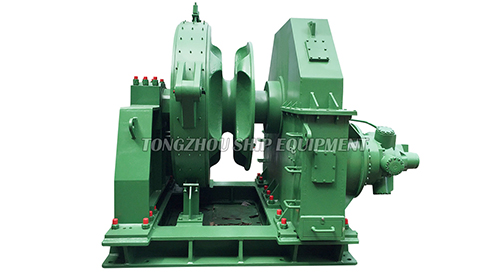
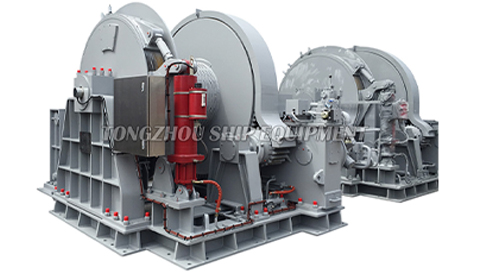
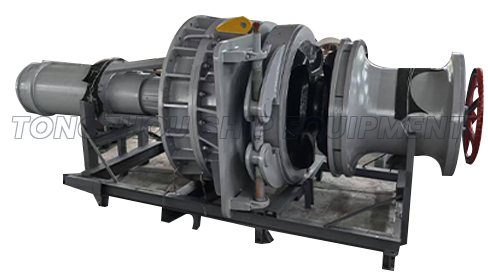
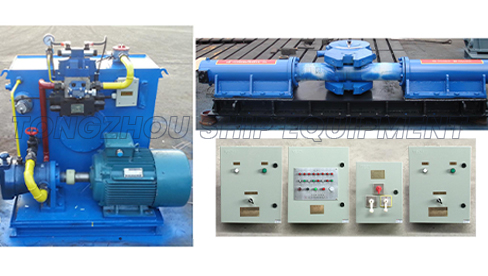
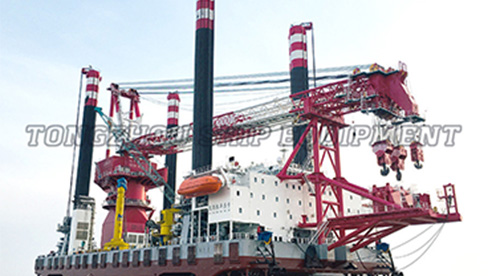


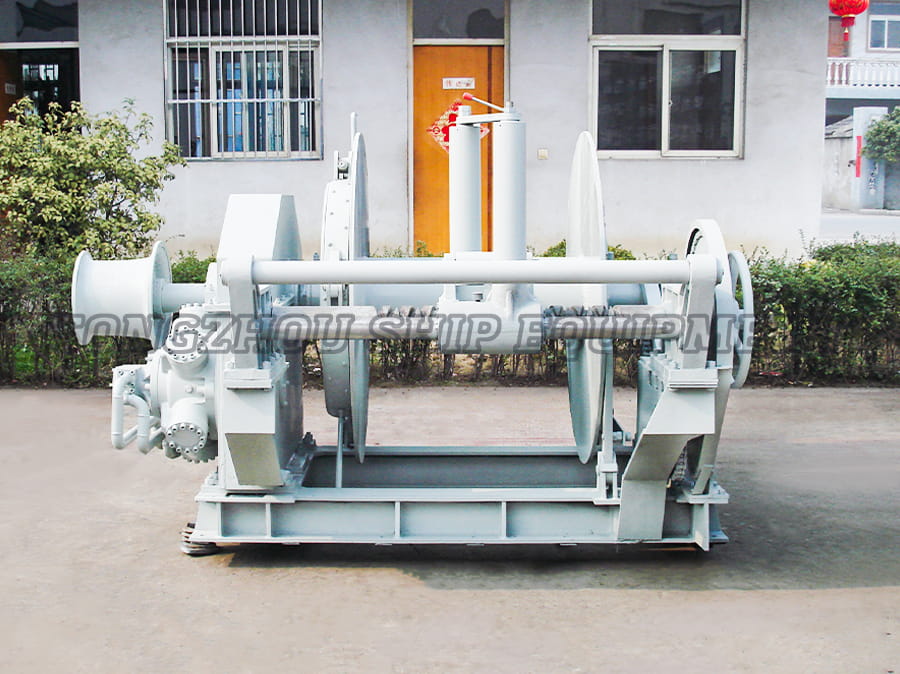
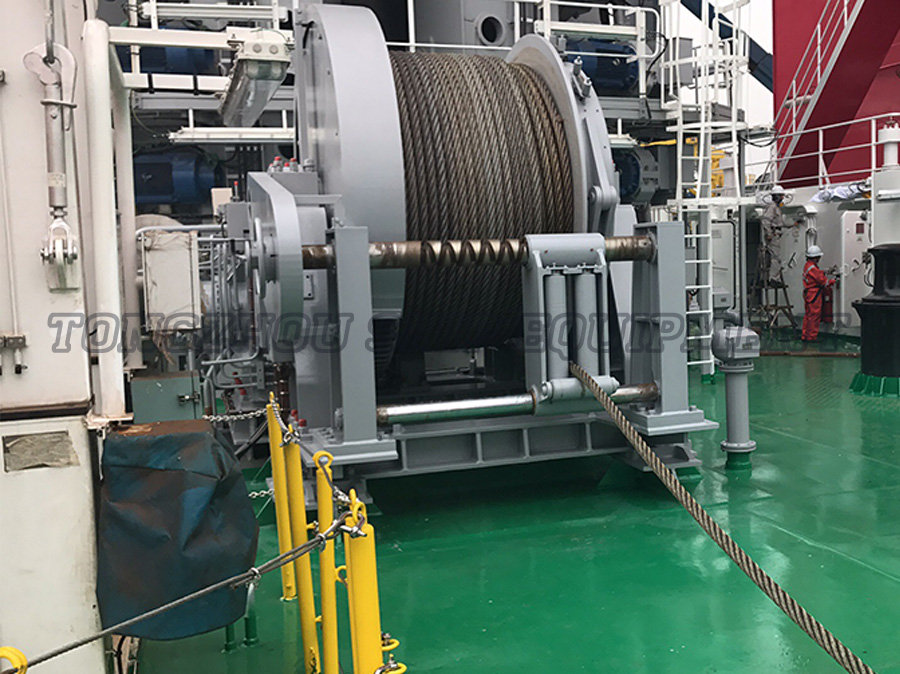
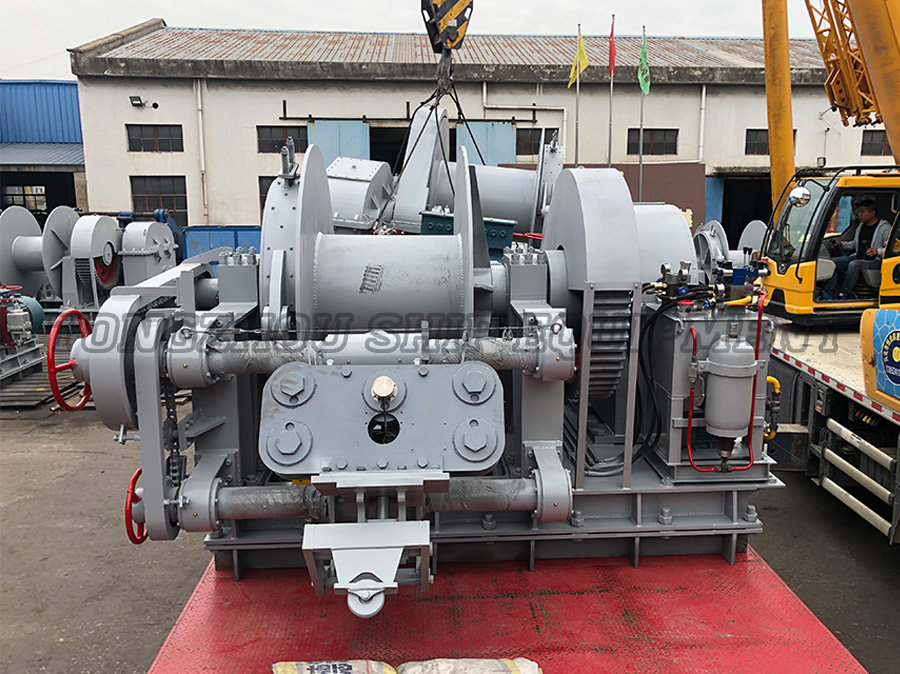
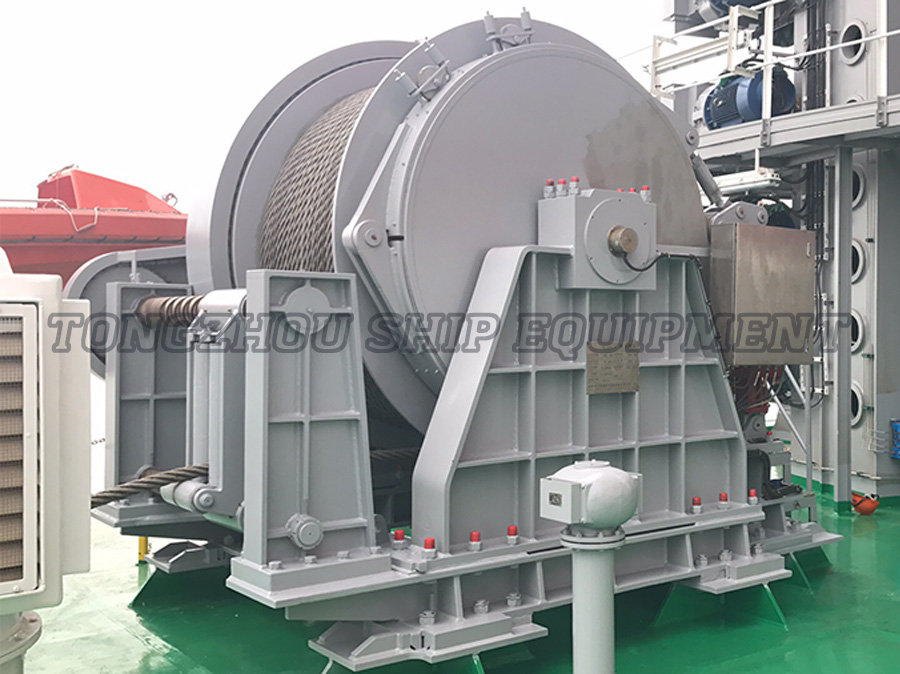
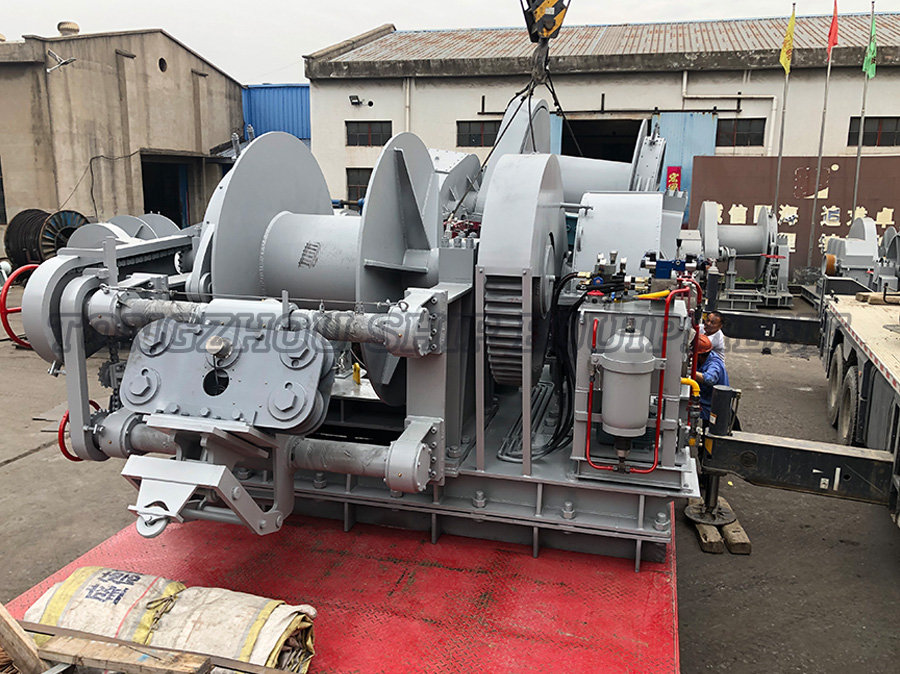
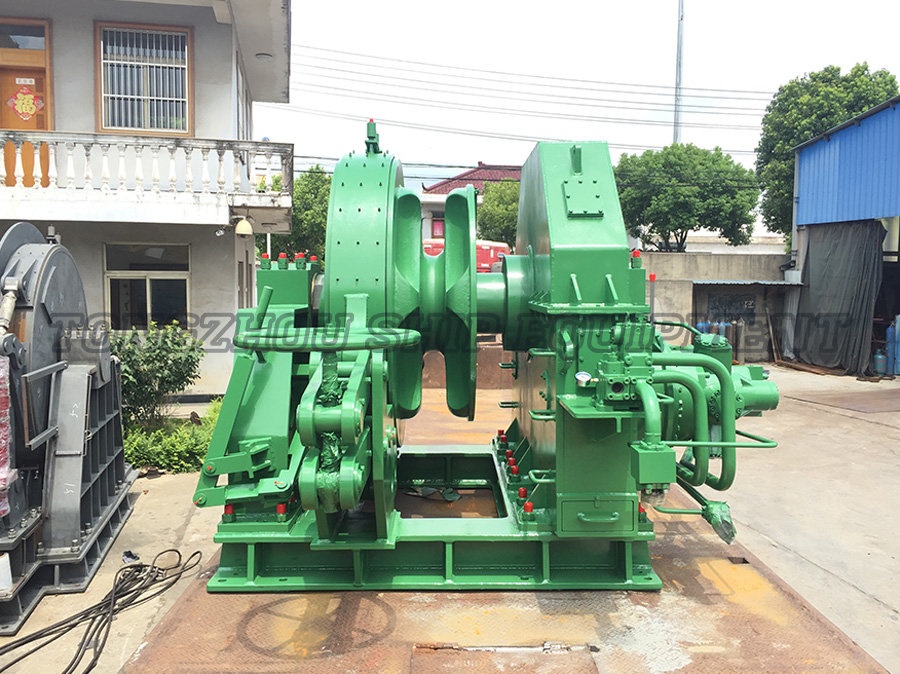
An electric windlass is a deck-mounted machine that pays out and hauls back the anchor rode with a geared electric motor instead of a hand crank. It is the right choice for most recreational and light commercial vessels, but only when four things are settled before you buy: chain standard and size, total ground tackle weight, available supply voltage, and the duty cycle you realistically expect.
Get those right and weighing anchor becomes a two-minute, single-handed routine in a crowded bay. Get one wrong and the symptoms are predictable: a breaker that trips exactly when the anchor breaks free, a motor that smells hot on the third attempt, or a gypsy that jumps and chews chain links because the pitch does not match.
The sections below follow the order a buyer should work in: what the machine contains, how drive types compare, how to size it, how to feed and protect it electrically, and how to install and run it so it lasts more than a season.
Content
- What an Electric Windlass Contains, and Which Part Fails First
- Electric, Hydraulic, or Manual: Choose by Duty Cycle, Not by Habit
- Sizing: Three Numbers Decide the Model
- Power Supply, Cable, and Circuit Protection
- Installation Details That Decide Service Life
- Operating Habits That Prevent Damage
- Troubleshooting: Where to Look First
- Frequently Asked Questions
What an Electric Windlass Contains, and Which Part Fails First
Blame the motor last. In service, the gypsy, the clutch, and the contactor decide whether a windlass survives its first year, because those are the parts that meet chain wear, salt water, and switching arcs on every trip.
A typical unit is a chain of seven parts:
- Motor: series-wound DC at 12 V or 24 V on small and mid-size craft, three-phase AC on larger vessels.
- Gearbox: worm drive for compact vertical units, planetary sets for horizontal layouts.
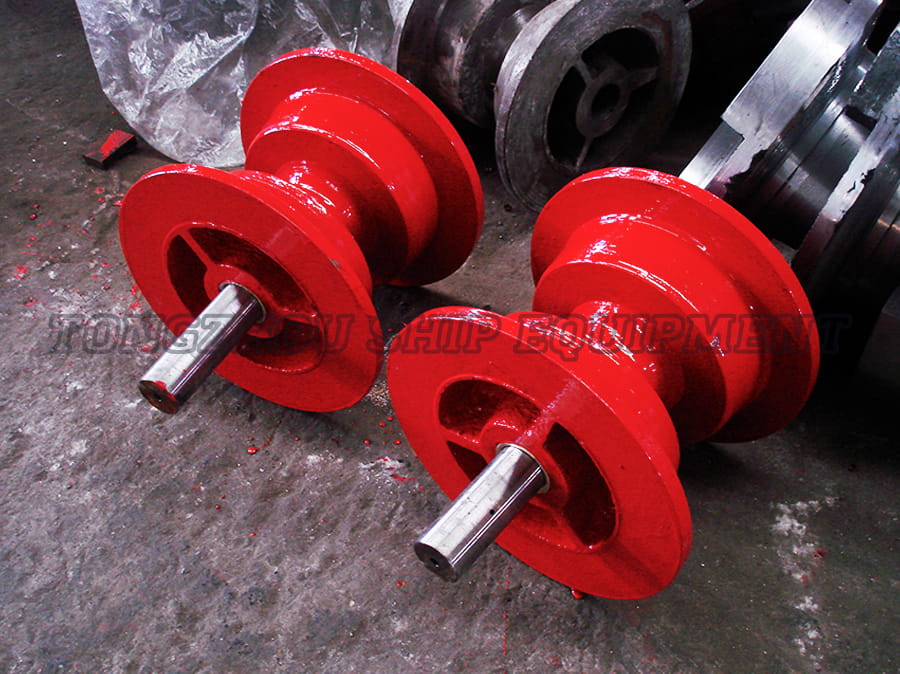
- Gypsy, also called a chainwheel: machined for one chain pitch and one chain standard. A mismatch here is the most common purchase error.
- Warping head or capstan drum: for rope work and a second line.
- Clutch and band brake: the manual interface that lets chain run out under control.
- Contactor box, breaker, and remote or foot switches: the electrical half of the system.
- Deck plate, gasket, and backing plate: the mechanical half that keeps water out of the accommodation.
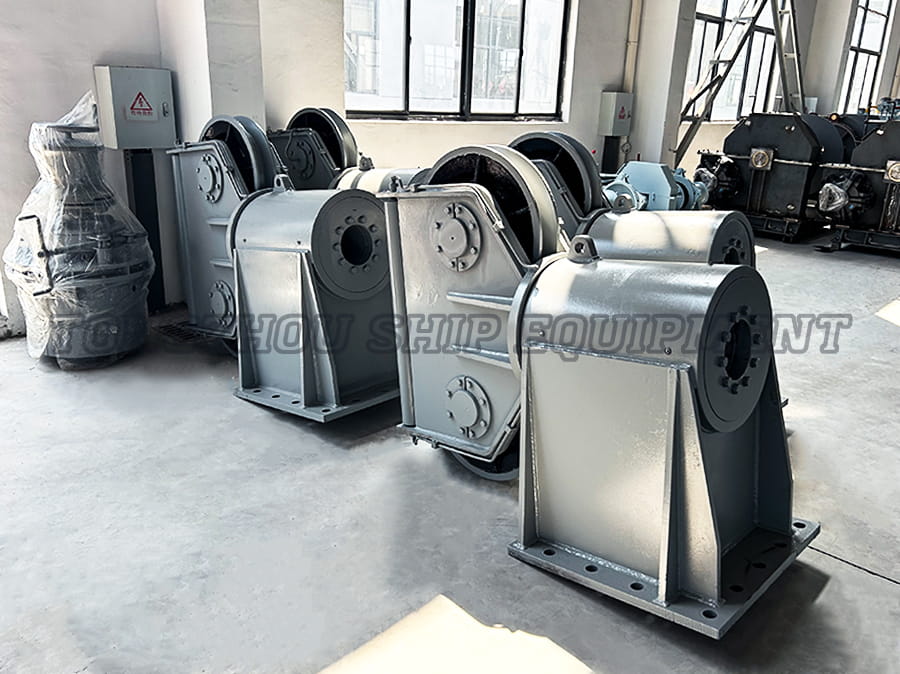
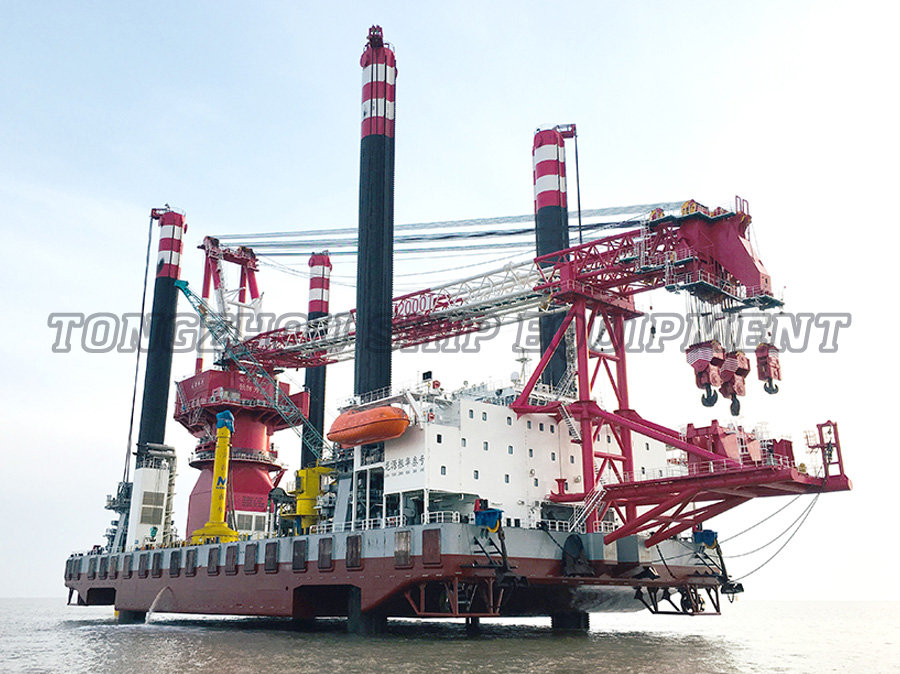
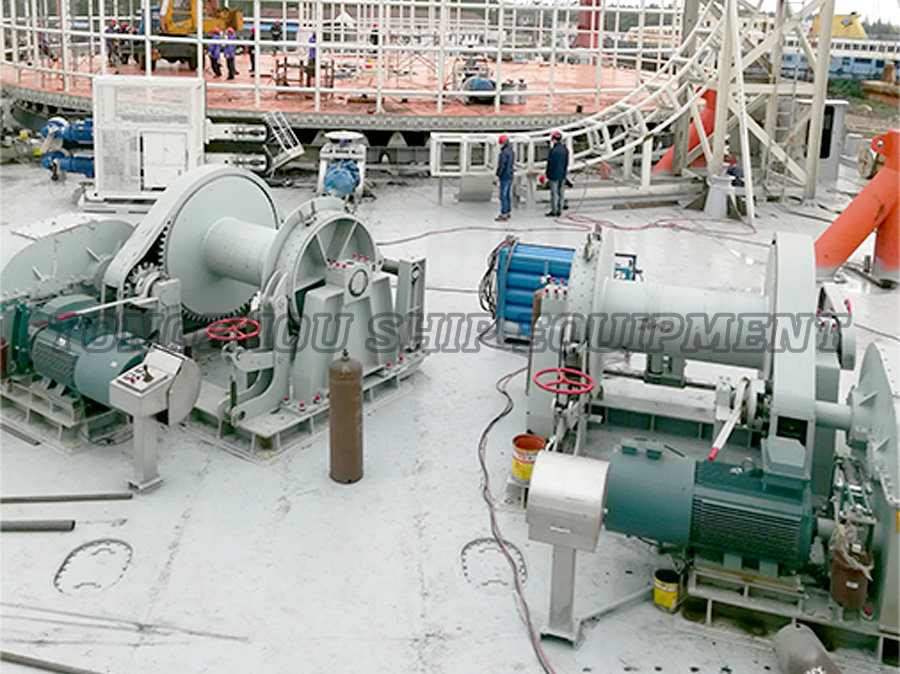
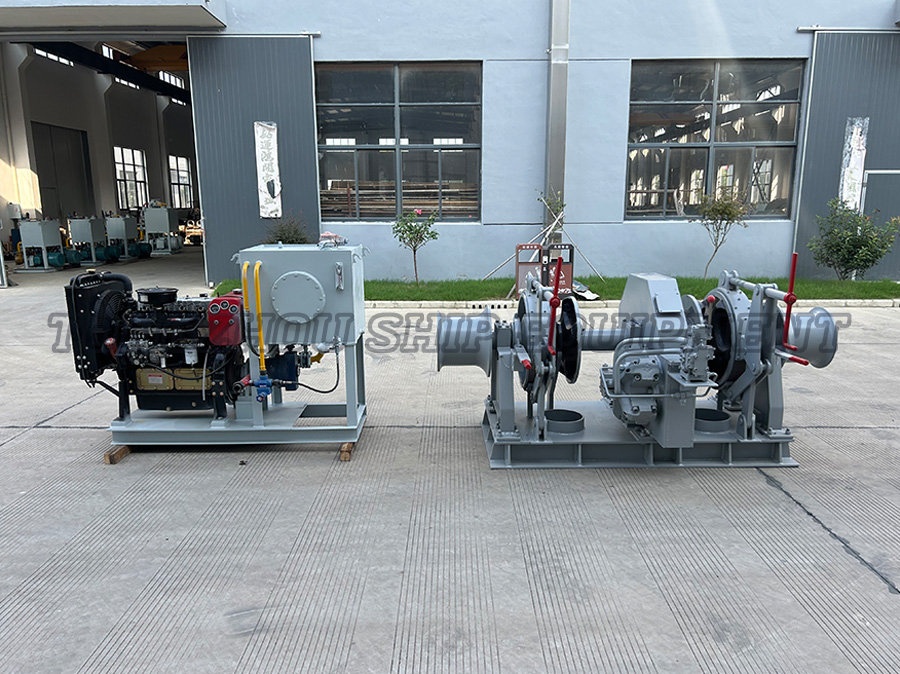
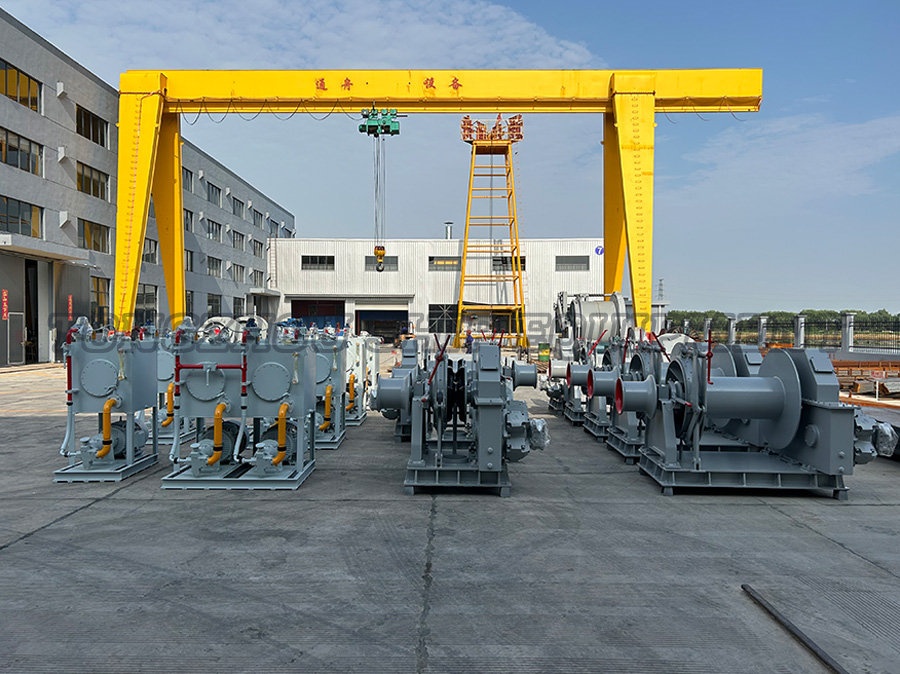
Xinghua Tongzhou Ship Equipment has designed and built deck machinery since 2003, and its electric windlass range sits inside a wider electro-driven deck machinery family that also covers electric winches, capstans, and combined windlass and mooring units. That matters at the specification stage: a supplier who builds the control gear as well as the machine can match contactor rating, cable size, and duty cycle to the motor instead of leaving the yard to guess.
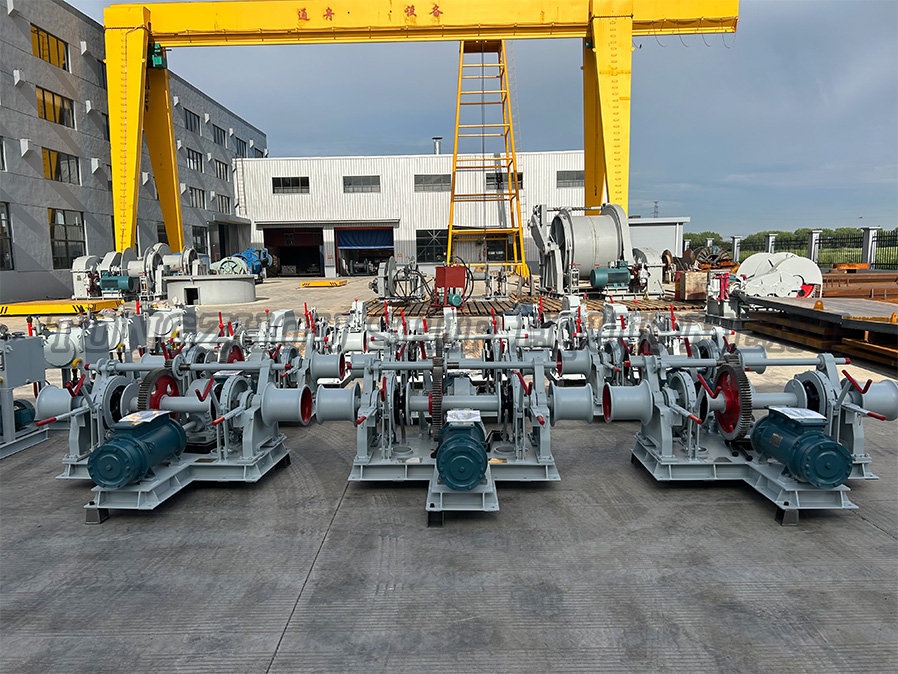 Marine Electric Windlass SupplierTongzhou products have successively obtained recognition from major ship inspections such as ZC, CCS, ZY, BV, ABS, LR, DNV, NK, KR, BKI, etc. The products are exported...View Product →
Electric, Hydraulic, or Manual: Choose by Duty Cycle, Not by Habit
Electric wins for intermittent anchoring on boats with a healthy DC supply; hydraulic wins where the machine must pull hard and often; manual survives only where anchor and chain together are light enough to lift by hand.
| Consideration | Electric | Hydraulic | Manual |
|---|---|---|---|
| Power source | 12/24 V DC or AC three-phase | Engine-driven pump and reservoir | Operator effort |
| Typical fit | Recreational and light commercial craft | Larger vessels, repeated or long pulls | Dinghies and small dayboats |
| Duty cycle | Short bursts with cooling pauses | Continuous without heat build-up | Limited by the crew |
| Installation scope | Cable run, breaker, contactor, switches | Hoses, pump, tank, cooling | Deck space and a handle |
| Routine attention | Brushes, seals, contactor contacts, terminals | Oil, filters, hose condition | Grease and inspection |
| Strongest argument | Fast, simple, easy to control remotely | Torque density and heat tolerance | No electrical demand at all |
Sizing: Three Numbers Decide the Model
Work backwards from the chain, not from boat length. Boat length tells you what the market usually stocks; chain size, ground tackle weight, and supply voltage tell you what will actually hold and haul.
- Total ground tackle weight equals anchor plus swivel or shackle plus the whole chain. A 15 m boat with 60 m of 8 mm chain at roughly 1.4 kg per metre and a 15 kg anchor is already hanging about 100 kg over the bow.
- Working load: a widely used rule is that rated working load should be at least three times total ground tackle weight, which puts that same boat near 300 kg.
- Maximum or overload pull: usually about 1.5 times working load, intended for short bursts to break the anchor out, never as a recovery winch.
Then confirm the chain interface, because the gypsy cannot be adapted later:
| Detail | Where you meet it | What to confirm |
|---|---|---|
| Chain standard | Short-link DIN 766 or ISO 4565 on many yachts, BBB or ACCO on others | Gypsy machined for that standard and pitch, not just the diameter |
| Chain diameter | Marked on the chain or in the vessel documentation | Measured with a caliper on a worn link, not assumed |
| Chain grade | Grade 30, 40, or 70 markings | Grade sets strength, while the gypsy still depends on standard and pitch |
| Chain length and locker depth | Foredeck locker layout | Enough fall for chain to clear the gypsy without stacking |
Power Supply, Cable, and Circuit Protection
Voltage drop damages more electric windlasses than overloading does. A motor seeing 10.5 V instead of 12 V draws more current, runs hotter, and trips a breaker that was correctly sized for a healthy supply.
- Supply: 24 V halves the current for the same power, which is why it is preferred where the cable run from the battery is long.
- Cable: sized for round-trip length and motor current, not for what fits the terminal. Long runs often call for two sizes above the manufacturer's minimum.
- Protection: a thermal-magnetic breaker or time-delay fuse close to full-load current; a fast-acting fuse will nuisance-trip on every anchor break-out.
- Switching: contactor near the motor to keep heavy cables short, control wiring to the helm, foot switches on the foredeck.
- Corrosion control: dedicated isolator, tinned cable, sealed terminals, and a drip loop before the deck gland.
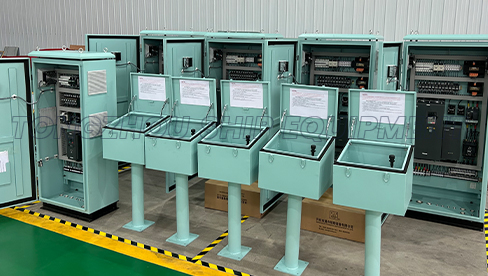
Where the windlass and its control gear come from one supplier, matching the machine to a marine electrical control box becomes a specification exercise rather than a shopping one: contactor rating, enclosure class, and circuit protection are selected together with the motor.
 Marine Electrical Control Boxes for Onboard Power ControlCategory of sealed, corrosion-resistant control boxes that house circuit breakers, relays, and terminals for marine electrical systems and windlass control gear.View Product →
Installation Details That Decide Service Life
Most early failures are installation failures. Three recur constantly: too little chain fall, a deck that flexes under load, and a cable gland that lets water follow the wiring below.
- Chain fall: a vertical unit needs clear depth under the gypsy for chain to fall away without stacking, commonly 300 mm or more plus room to clear the locker.
- Deck stiffness: a backing plate at least as large as the deck plate, through-bolted, spreading load across solid laminate rather than a foam or balsa core.
- Alignment: gypsy, bow roller, and stopper in one line so chain does not side-load the gypsy cheeks. The stopper and roller belong to the same deck-mounted anchoring devices group as the windlass and are worth ordering together.
- Sealing: bedding compound under the base, a fresh gasket, and a drip loop so water sheds before it reaches the gland.
- Wiring route: heavy cables in a protected channel away from bilge water and heat, with a service loop at the motor.
Operating Habits That Prevent Damage
The windlass is a lifting machine for chain, not a winch for the boat. Nearly every burned-out motor traces back to an operator using it to pull the vessel towards the anchor.
- Lower with the brake rather than the motor, letting chain run out under control.
- Snub the chain on a stopper or bridle once the anchor is set, so the windlass carries no load at rest.
- Break the anchor out with engine power and the vessel's momentum, then haul with the windlass.
- Keep hands, feet, and loose clothing clear of the gypsy; use a chain hook, never fingers.
- Respect duty cycle: short pulls with cooling pauses, especially on 12 V installations.
Troubleshooting: Where to Look First
Most faults are electrical or installation-related rather than mechanical, so check the simple causes before dismantling anything.
| Symptom | Likely cause | First check |
|---|---|---|
| Breaker trips during break-out | Voltage drop or undersized protection | Measure voltage at the motor under load |
| Motor runs, chain does not move | Clutch slipping or failed key | Clutch adjustment, key, and shear pin |
| Slow haul, warm cables | Cable too thin or corroded terminals | Terminal temperature and volt drop |
| Water inside the motor | Failed gland or base gasket | Bedding, gasket, and drip loop |
Frequently Asked Questions
Do I need a freefall windlass?
Only if you anchor in deep water often. Freefall uses a clutch to let the anchor drop fast, which is convenient but wears the brake faster; a standard electric windlass with a controlled brake is easier to manage in shallow, crowded anchorages.
Can one electric windlass handle both anchoring and mooring?
Not as a routine practice: the gypsy is built for chain and the warping head for light rope work. Where mooring happens daily, a combined windlass and mooring winch is the better specification because the mooring drum carries its own load rating.
 Electric Combined Windlass and Mooring Winch UnitsIntegrated electric deck units combining anchoring and mooring functions, with overload protection and emergency shutdown for simplifying ship operations and saving deck space.View Product →
12 V or 24 V?
24 V wherever the vessel already has it, because the same power draws half the current and tolerates thinner cable and longer runs. On a 12 V boat, keep the run short and the cable generous.
How long can it run continuously?
Treat it as intermittent duty: recreational units are rated for a few minutes at working load with cooling between pulls. If your anchoring routine exceeds that, specify a larger machine or move to hydraulic drive.
What should I confirm before ordering?
- Chain standard, diameter, grade, and length.
- Total ground tackle weight and the required working load.
- Supply voltage, cable run length, and protection rating.
- Deck thickness, available chain fall, and locker volume.
- Certification required for the vessel's class or flag state.
Short version: match the gypsy to the chain, size working load at roughly three times ground tackle weight, keep voltage drop under control, and install with enough chain fall and deck stiffness. Do those four things and the windlass quietly earns its place at the bow for years; skip one and you will meet the breaker, the hot motor, or the chewed chain link sooner than you expect.