English
  عربى
عربى  中文简体
中文简体 
News
 HOME / NEWS / Industry News / How Do Anchor Capstans and Anchor Rodes Work Together for Efficient Mooring?
 How Do Anchor Capstans and Anchor Rodes Work Together for Efficient Mooring?
 2026.02.12
 Industry News
The reliability of a ship's anchoring system is essential for safety in marine operations. Two of the most important components in any anchoring system are the anchor capstan and the anchor rodes. Understanding their functions, differences, and advantages is crucial for choosing the right equipment.
Content
What is an Anchor Capstan?
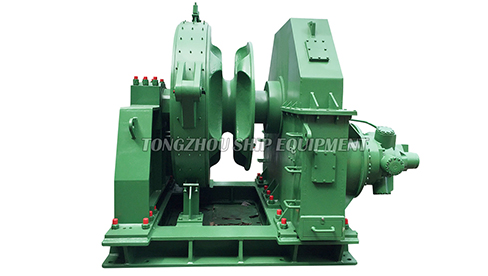
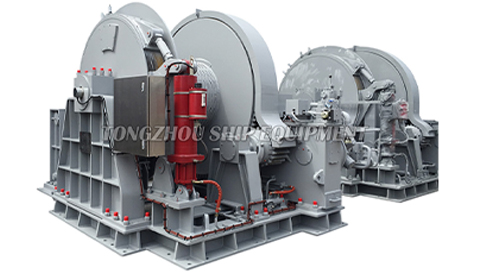
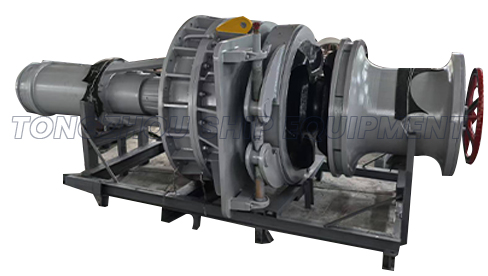
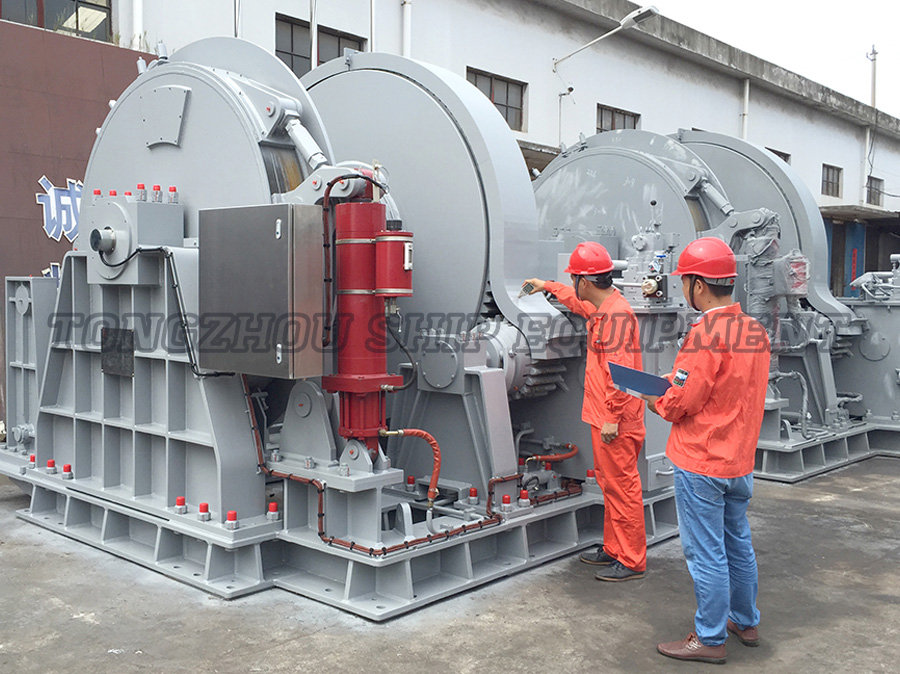
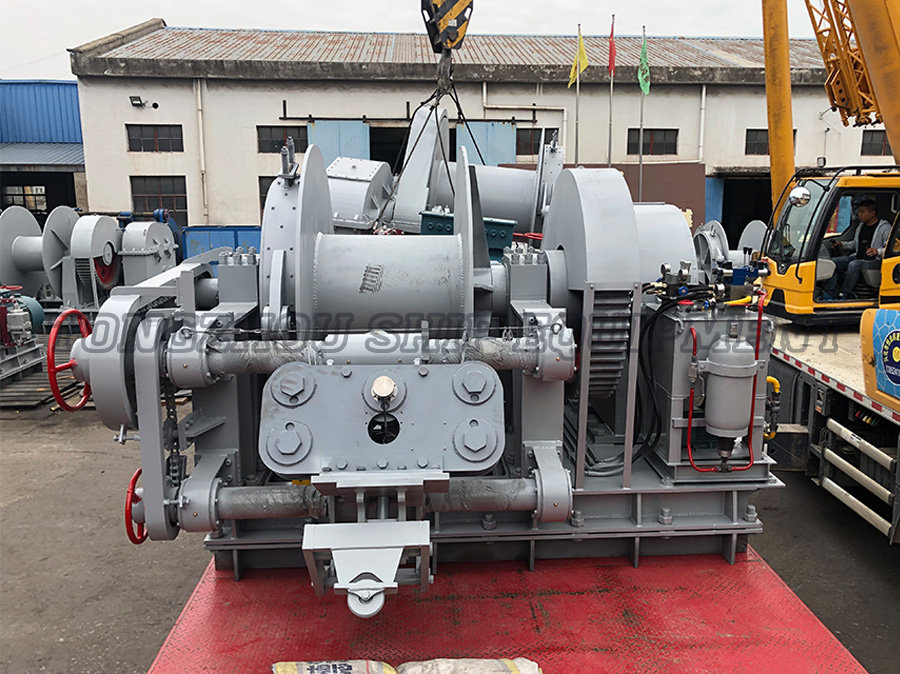
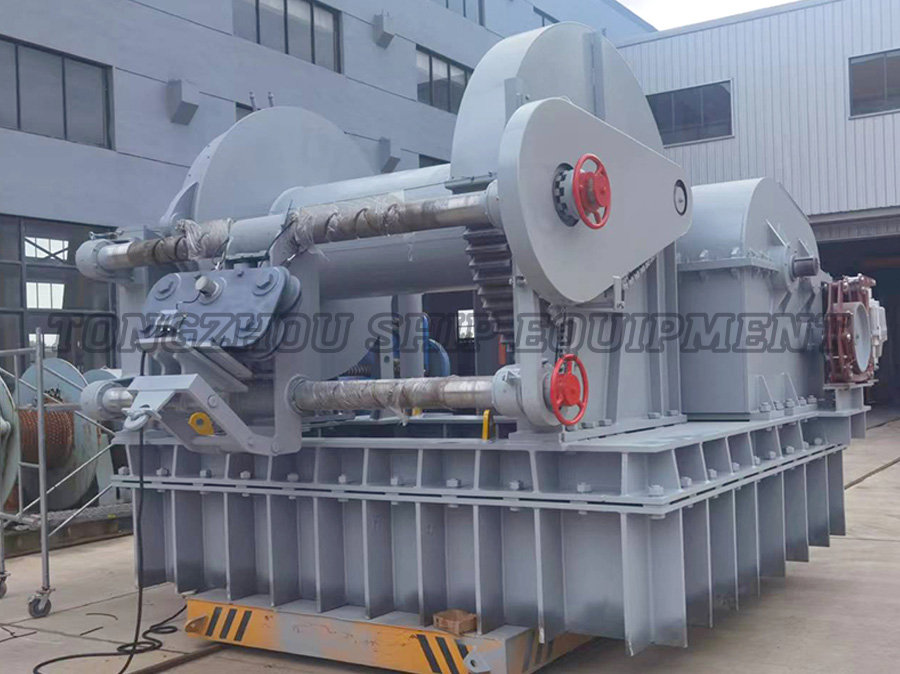
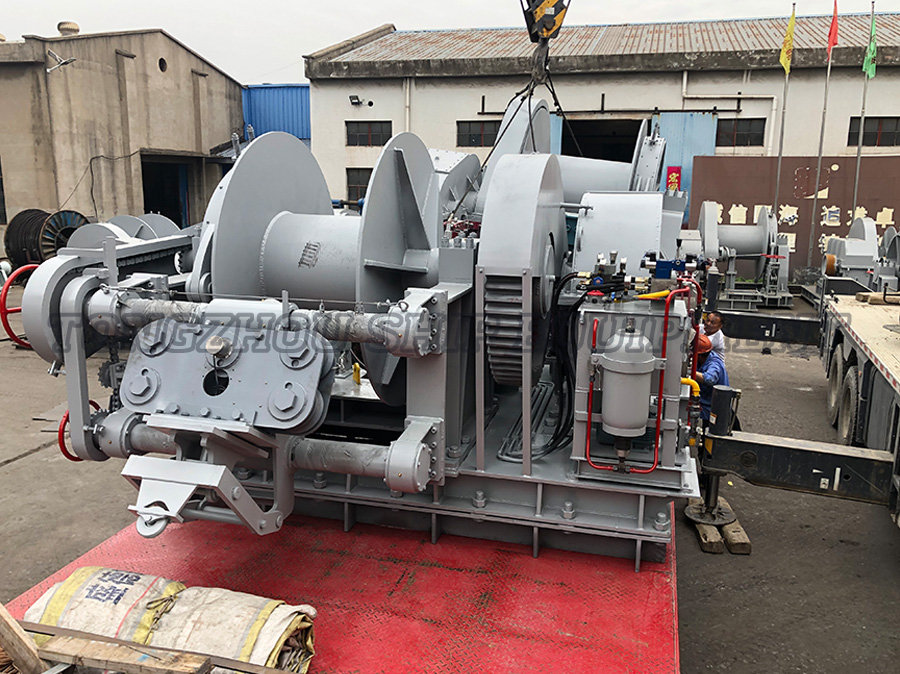
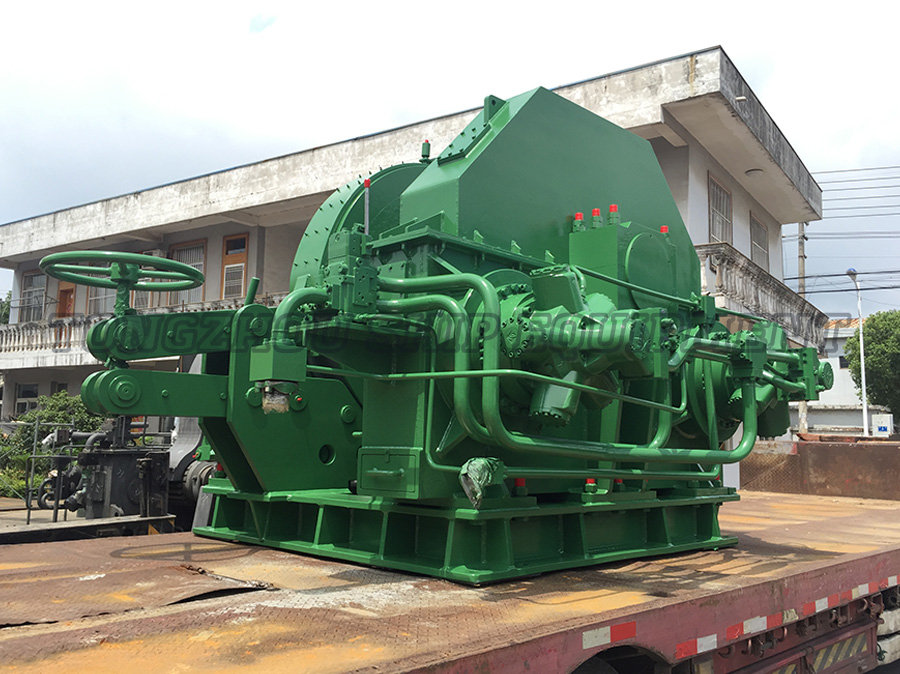
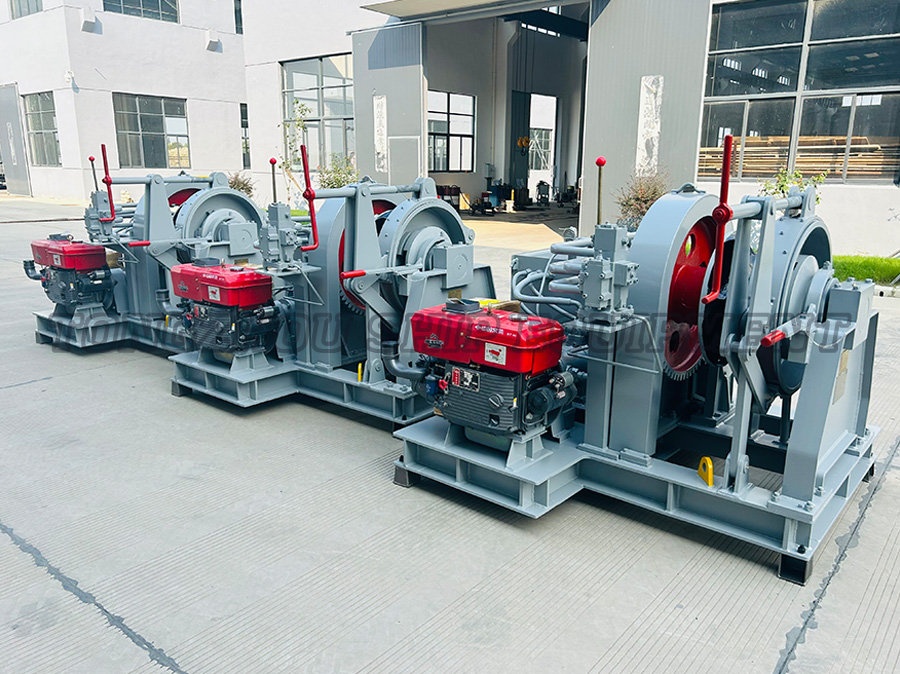
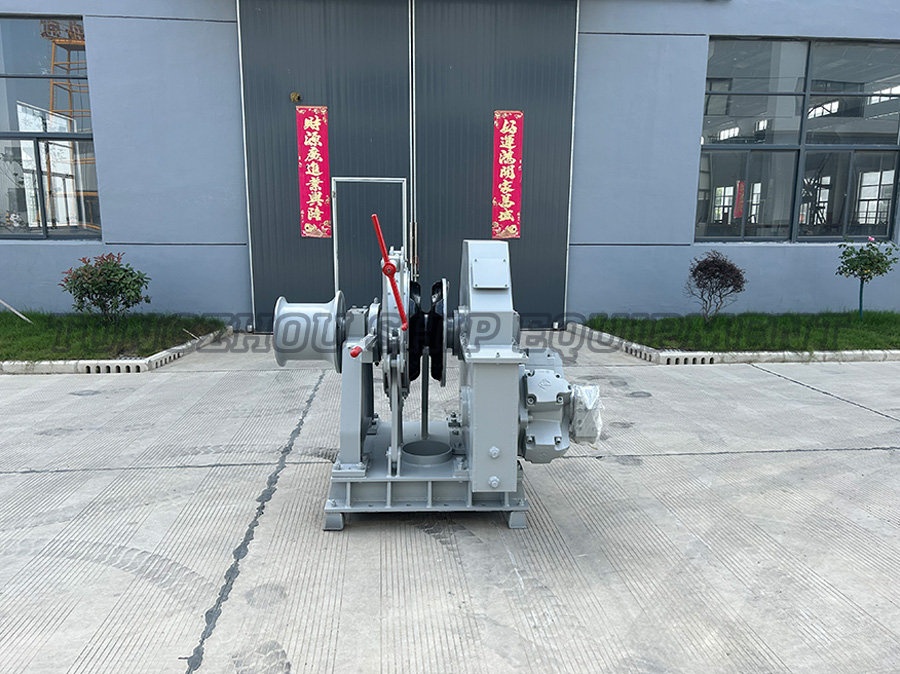
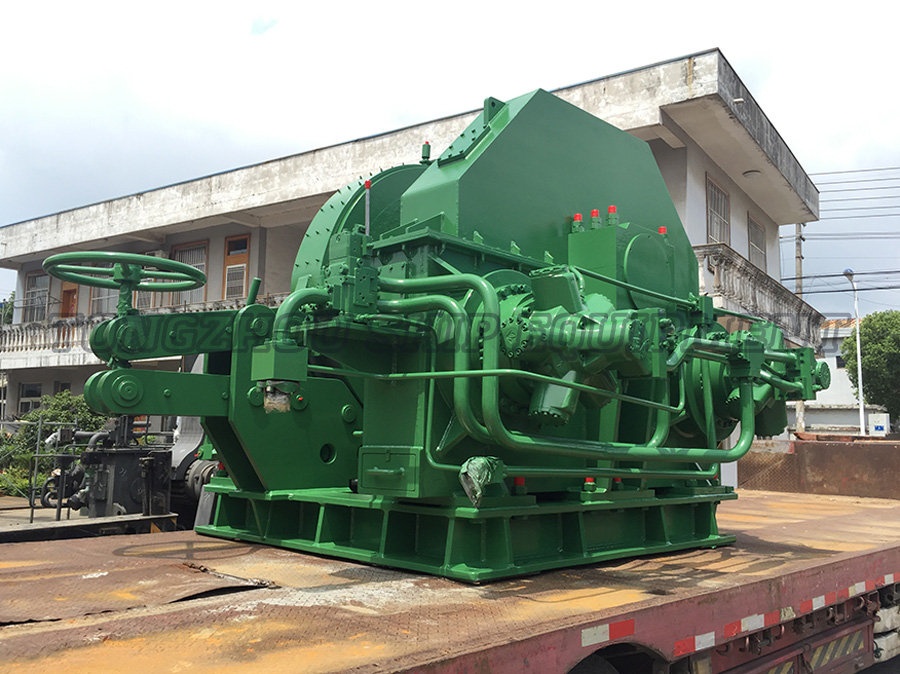
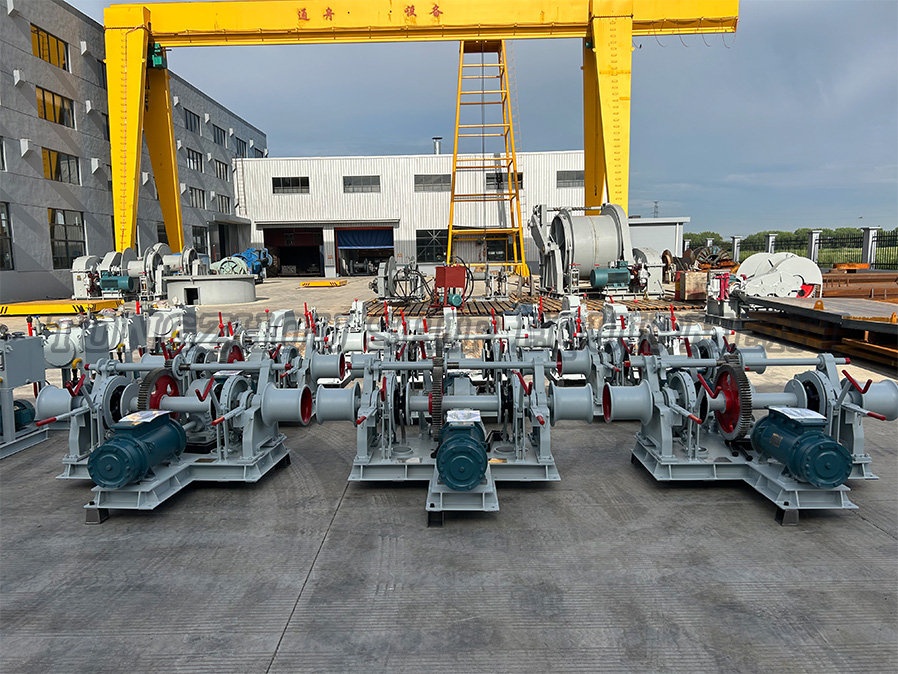
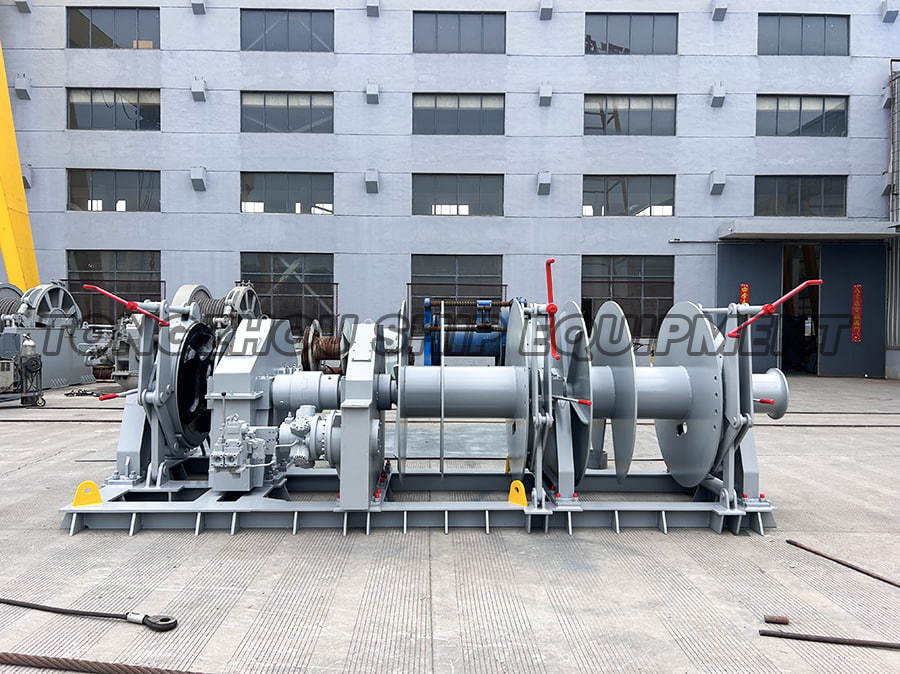
An anchor capstan is a type of mechanical winch used to handle the anchor line (rode) on a boat or ship. It is typically powered by either a manual, electric, or hydraulic system, and is used to pull in or let out the anchor rode. Capstans are commonly found on larger vessels and are used for heavy-duty anchoring operations.
Functions of an Anchor Capstan
- Rope Handling: The anchor capstan is primarily used for pulling the anchor rode in and out of the water, making anchoring and weighing anchor easier.
- Adjusting Tension: It helps maintain the right amount of tension in the anchor rode during operations to ensure the anchor holds securely.
- Continuous Operation: Unlike manual windlasses, capstans can operate continuously for extended periods without requiring breaks, which is ideal for larger vessels that anchor frequently.
What are Anchor Rodes?
Anchor rodes are the lines or chains used to connect the anchor to the vessel. The rode typically consists of a combination of chain and rope, providing the necessary strength and flexibility to anchor a vessel securely. The choice of anchor rode material is critical for the overall performance of the anchoring system.
Types of Anchor Rodes
- Chain Rodes: Made entirely of chain, these provide high durability and excellent holding power, especially in deeper waters and harsher conditions.
- Rope Rodes: Lighter and easier to handle, rope rodes are ideal for smaller vessels or situations where anchoring in shallow water is common.
- Combination Rodes: Combining both chain and rope, this type provides a balance of strength, weight, and flexibility for varying anchoring needs.
Key Factors to Consider When Choosing Anchor Rodes
- Material: The material of the anchor rode affects its weight, flexibility, and durability. Common materials include nylon, polyester, and galvanized steel.
- Length: The length of the anchor rode should be suitable for the vessel size and the depth of water where the anchor will be deployed. A typical recommendation is to have a rode length 5 to 7 times the depth of the water.
- Weight: Heavier anchor rodes are used for larger vessels, while lighter rodes are suitable for smaller boats.
Comparison of Anchor Capstans and Anchor Rodes
| Feature | Anchor Capstan | Anchor Rode |
|---|---|---|
| Function | Used to pull in or let out anchor rodes | Connects the anchor to the vessel, allowing for secure anchoring |
| Power Source | Manual, electric, or hydraulic | Not powered; relies on vessel's movement and manual operation |
| Material | Metal, with heavy-duty construction | Chain, rope, or a combination of both |
| Application | Mostly used on larger vessels | Used on all types of vessels, from small boats to large ships |
| Durability | High durability, but requires regular maintenance | Durability depends on material; chain rodes are the most durable |
Advantages of Anchor Capstans and Anchor Rodes
- Anchor Capstan: Provides mechanical assistance in heavy-duty anchoring operations, improving efficiency and reducing manual effort.
- Anchor Rode: The right choice of anchor rode ensures better holding power, reducing the risk of the anchor dragging and ensuring a more secure mooring.
Frequently Asked Questions
1. How do I choose between a manual and an electric anchor capstan?
Manual capstans are ideal for smaller vessels or occasional use, while electric capstans are better for larger vessels or frequent anchoring due to their higher power output and ease of use.
2. What is the best material for anchor rodes?
The best material for an anchor rode depends on your vessel size and the type of water conditions. For most vessels, a combination of chain and rope provides the best balance of strength and flexibility. However, if you are anchoring in deeper waters or harsh conditions, a full chain rode might be the best option.
3. Can I use just a rope anchor rode?
Yes, a rope anchor rode can be used, but it may not provide the same holding power as a chain rode, especially in deep water or during strong winds. A rope rode is best suited for smaller vessels or shallower waters.
4. How often should I maintain my anchor capstan?
Regular maintenance is necessary to keep your anchor capstan in top condition. This includes lubricating the moving parts, inspecting for corrosion, and ensuring the power source is working properly. It is recommended to inspect your capstan at least twice a year.

-
Corporate Email:
-
Sales Email:
-
Address:No. 16 Kesheng Road, Development Zone, Xinghua City, Jiangsu Province, China