English
  عربى
عربى  中文简体
中文简体 


A stockless anchor is the default choice for most commercial vessels because it stows neatly in the hawsepipe, develops reliable holding power in common seabeds, and can be handled by a compact windlass. If you are specifying, purchasing, or maintaining one, the practical questions are not about appearance but about fluke angle, shank strength, chain compatibility, and the anchoring system around it. This guide gives direct answers first, then the engineering and procurement details that matter at the dock and in a seaway.
Content
- What Is a Stockless Anchor and Why It Dominates Large Vessels?
- Stockless vs. Stocked Anchors: Key Differences in Handling and Holding
- How a Stockless Anchor Works During Anchoring and Retrieval
- Sizing, Holding Power, and Classification Rules
- Common Purchase Risks and Inspection Points
- Maintenance and Troubleshooting for Long Service Life
- FAQ
What Is a Stockless Anchor and Why It Dominates Large Vessels?
A stockless anchor is a pivoted-fluke anchor with no stock, which allows it to be drawn fully into a hawsepipe and handled by a relatively small windlass. Its two flukes pivot on a shank end, so when the anchor is dragged, the flukes dig in and the shank lies flat on the seabed. That geometry is why it is standard on ships where deck space, weight, and anchor handling speed all matter.
Core Components and Working Principle
The main parts are the shank, crown, flukes, tripping palms, and frequently a swivel or shackle assembly. The tripping palms force the flukes to rotate when the anchor is pulled, helping them bite into sand, mud, or gravel. Holding power depends on fluke area, anchor weight, and the angle between the flukes and the seabed. A well-designed stockless anchor can achieve a holding power of 4 to 8 times its weight in good sand, but that ratio falls sharply in rock, soft mud, or weed.
- Flukes carry the load and must be thick enough to resist bending.
- The shank transmits the load from the chain to the crown and must resist bending and fatigue.
- Tripping palms encourage rotation and help the anchor set rather than skip.
- The swivel reduces chain twist and allows the anchor to align with the pull direction.
Stockless vs. Stocked Anchors: Key Differences in Handling and Holding
The key difference is that a stocked anchor uses a crossbar to orient the flukes, while a stockless anchor relies on tripping palms and a pivoting crown. Stocked anchors can offer slightly better holding in very soft mud, but the stock makes them awkward to stow and impossible to draw into a normal hawsepipe. That single handling penalty explains why stockless anchors dominate commercial fleets.
| Feature | Stockless anchor | Stocked anchor |
|---|---|---|
| Stowage | Draws into hawsepipe or pocket; minimal deck space | Requires deck stowage or davit; stock projects beyond flukes |
| Handling | Works with standard windlass and chain stopper | Needs more manual attention or special stowage |
| Holding power | Excellent in sand and mud; sensitive to fluke angle | Good in soft mud; less effective on hard or rocky bottoms |
| Weight efficiency | High holding-to-weight ratio for its size | Generally lower holding-to-weight ratio |
| Typical use | Merchant ships, offshore vessels, large yachts | Small craft, traditional vessels, some fishing boats |
For a shipyard or owner, the decision is usually settled by the anchor handling arrangement. If the vessel has a hawsepipe and a windlass rated for the chain size, a stockless anchor is the practical choice. If the vessel is small enough to stow an anchor on deck and the bottom is consistently soft, a stocked anchor can still work, but it is rarely the first choice for commercial service.
How a Stockless Anchor Works During Anchoring and Retrieval
A stockless anchor works by converting chain tension into fluke rotation and penetration. As the vessel drops anchor, the crown hits the seabed first; the tripping palms then force the flukes to rotate until they dig in. During retrieval, the windlass hauls the chain, the shank lifts, and the flukes break out. The sequence is simple, but every step depends on the anchor handling equipment being matched to the anchor and chain.
Anchor Handling Equipment
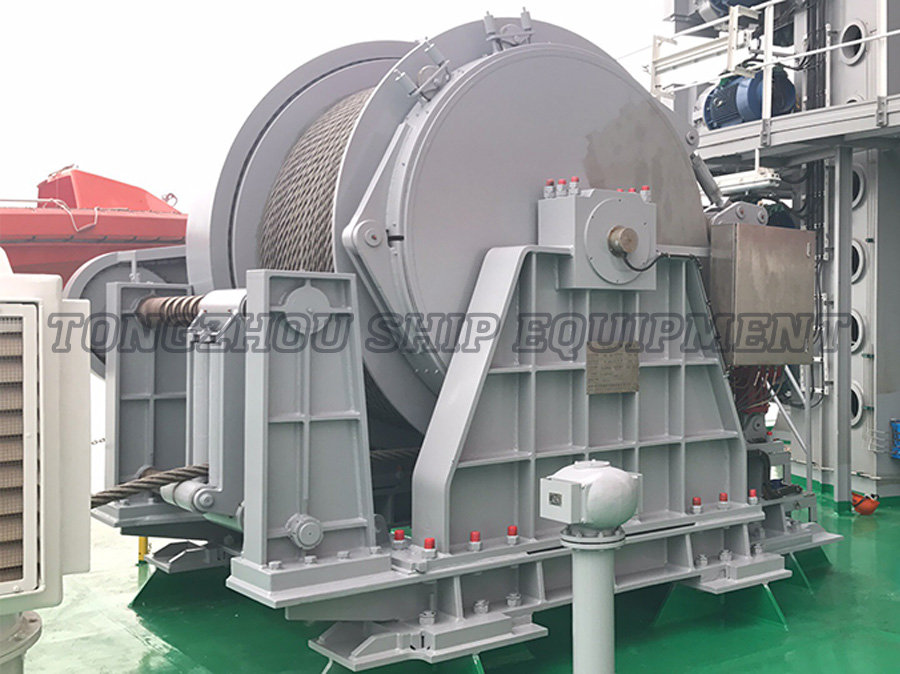
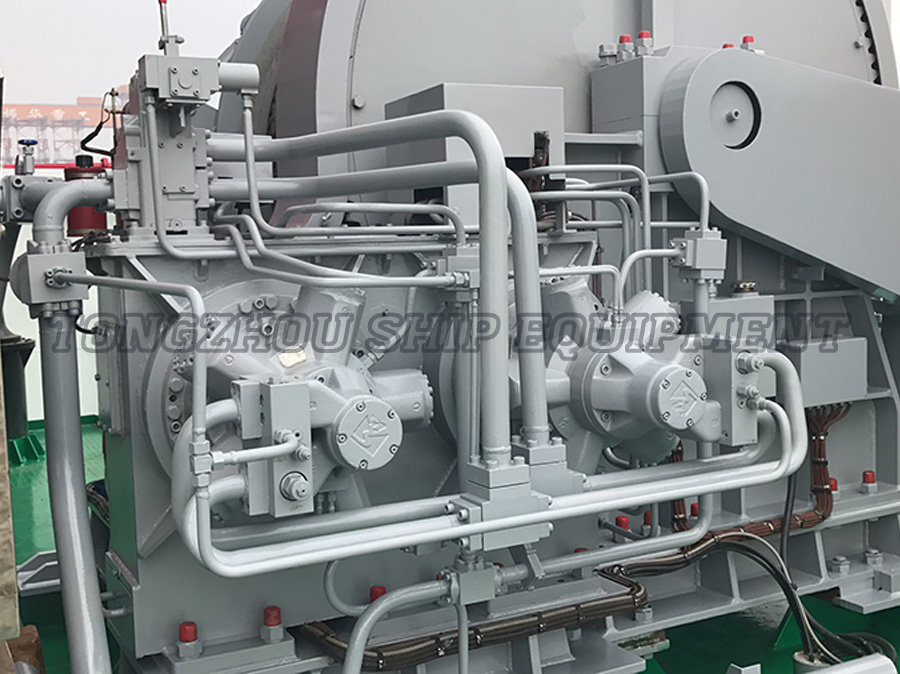
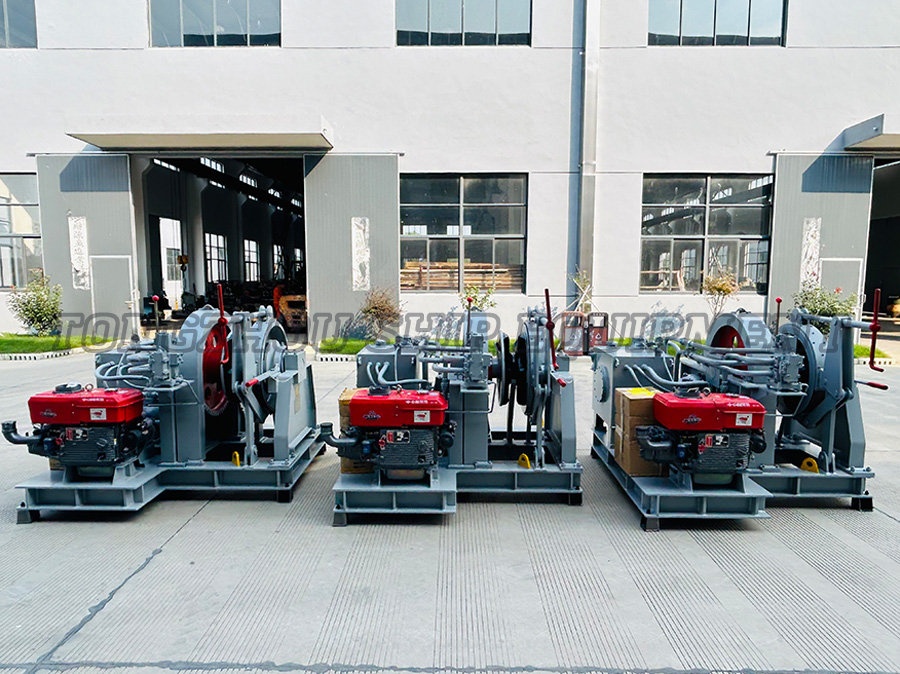
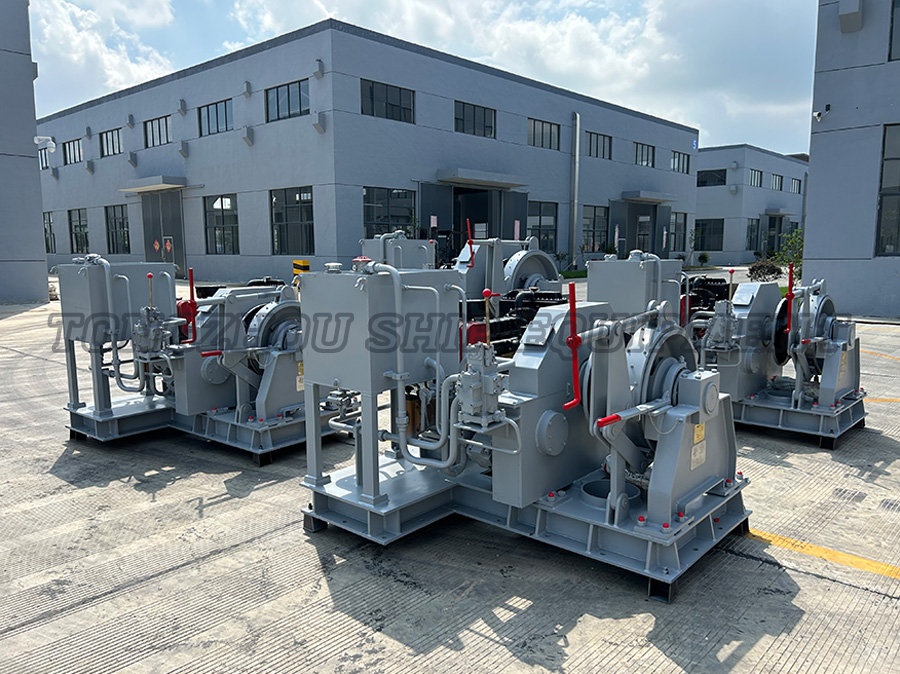
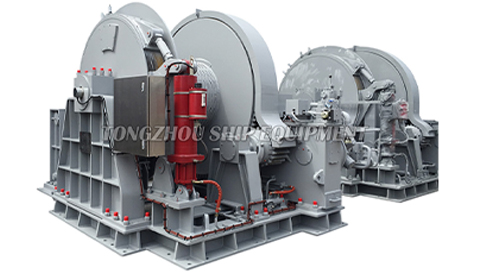
The windlass, chain stopper, and hawsepipe must be sized as a system. A hydraulic windlass is often chosen for large anchors because it delivers high torque at low speed and can control the chain speed precisely during setting and retrieval. In rough seas, that control reduces shock loads on the chain and the anchor. For vessels with limited power generation, an electric windlass may be more suitable, while diesel-powered units remain common where the vessel does not have a reliable electrical bus.
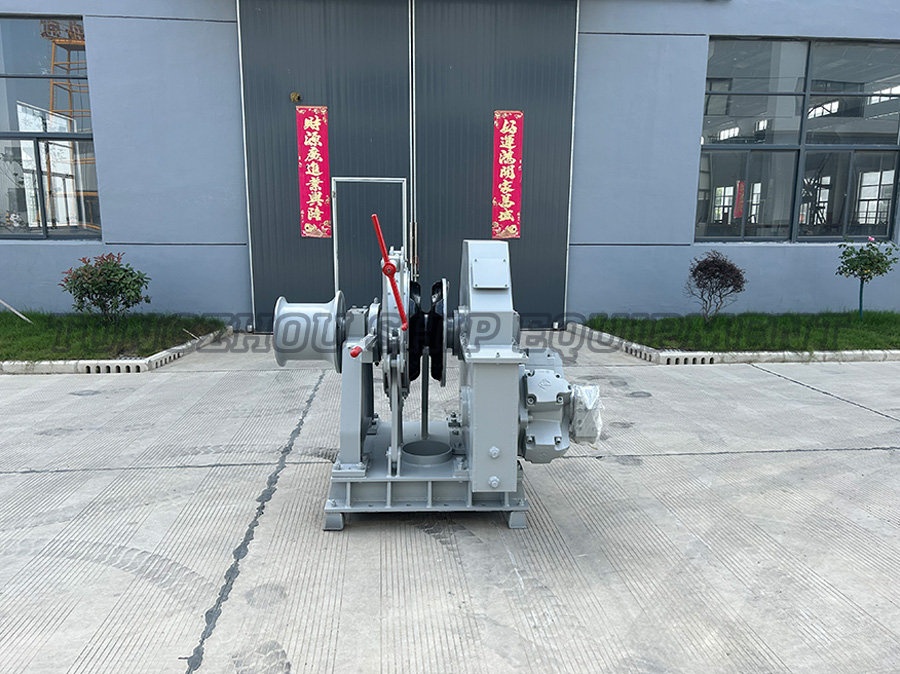
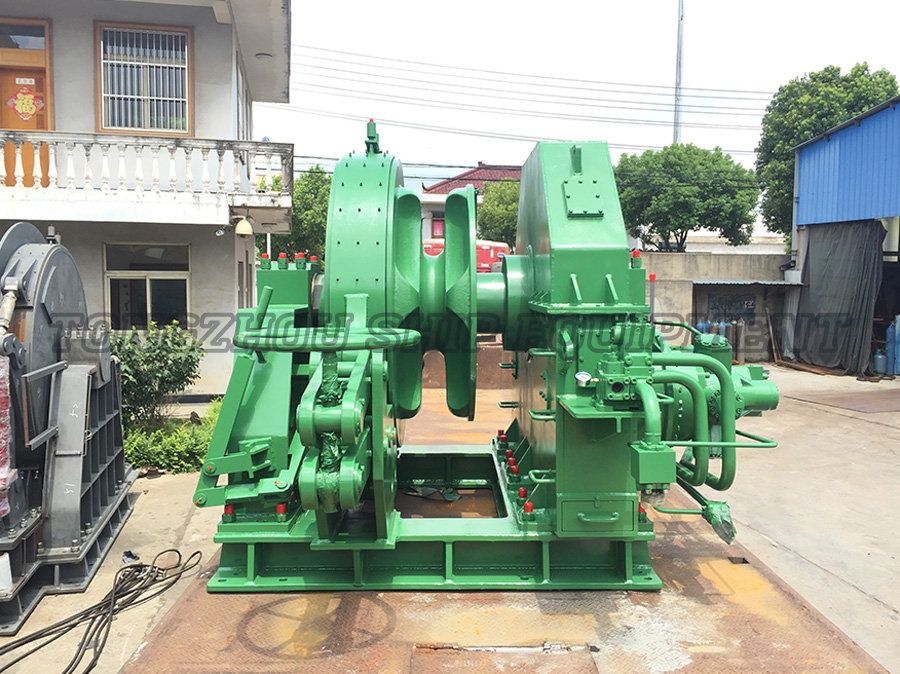 Hydraulic Windlass Category for Marine Anchor HandlingCategory lists Hydraulic Windlass 01–09 with Contact Us links; useful when sizing windlass, chain stopper, and hawsepipe as an integrated anchoring system.View Product →
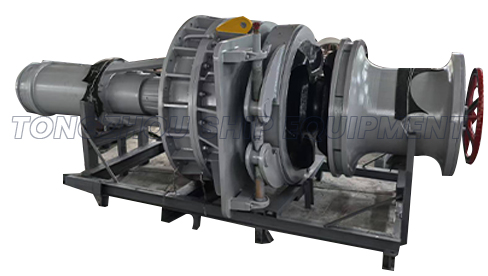
In practice, the anchor, chain, and windlass should be selected together. A chain stopper is not optional on most commercial vessels: it holds the chain when the anchor is housed and takes load off the windlass brake. A mismatch here can cause chain jumping, brake slip, or premature wear on the windlass wildcat. The site’s anchor chain handling equipment overview is useful when checking whether the chain path, stopper, and hawsepipe align with the anchor shank.
Retrieval Sequence
- Slack the chain slightly and release the chain stopper.
- Engage the windlass and haul in slowly until the chain is vertical.
- Wash the chain and anchor as they come aboard to remove mud and salt.
- House the anchor in the hawsepipe and secure the chain stopper.
- Apply the windlass brake and check that the anchor is fully seated.
Sizing, Holding Power, and Classification Rules
The correct stockless anchor size is determined by vessel displacement, equipment number, chain grade, and classification society rules, not by anchor weight alone. Most class societies publish an equipment number calculation that links displacement, windage area, and current to a required anchor mass and chain size. A larger anchor than required adds weight and cost; a smaller one may fail the class review and create a real safety risk.
| Input | Why it matters | Typical check |
|---|---|---|
| Vessel displacement | Drives equipment number and anchor mass | Use loaded displacement, not lightship |
| Block coefficient and windage | Affects required holding power in wind and current | Confirm with class society formula |
| Chain grade and diameter | Determines windlass size and stopper capacity | Match chain to anchor shank and wildcat |
| Seabed type | Changes holding power from excellent to poor | Review route and anchoring areas |
| Class notation | Sets minimum anchor weight and number | Follow rules for unrestricted or restricted service |
Holding power is usually expressed as a multiple of anchor weight. In hard sand, a good stockless anchor may reach 5 to 8 times its weight; in soft mud, it may be 2 to 4 times; on rock or coral, it may not set at all. That is why a second anchor or a different anchor type is sometimes carried for specific routes. For high-load anchoring, heavy-duty anchor drive units and reinforced shanks are used to handle the extra load without permanent deformation.
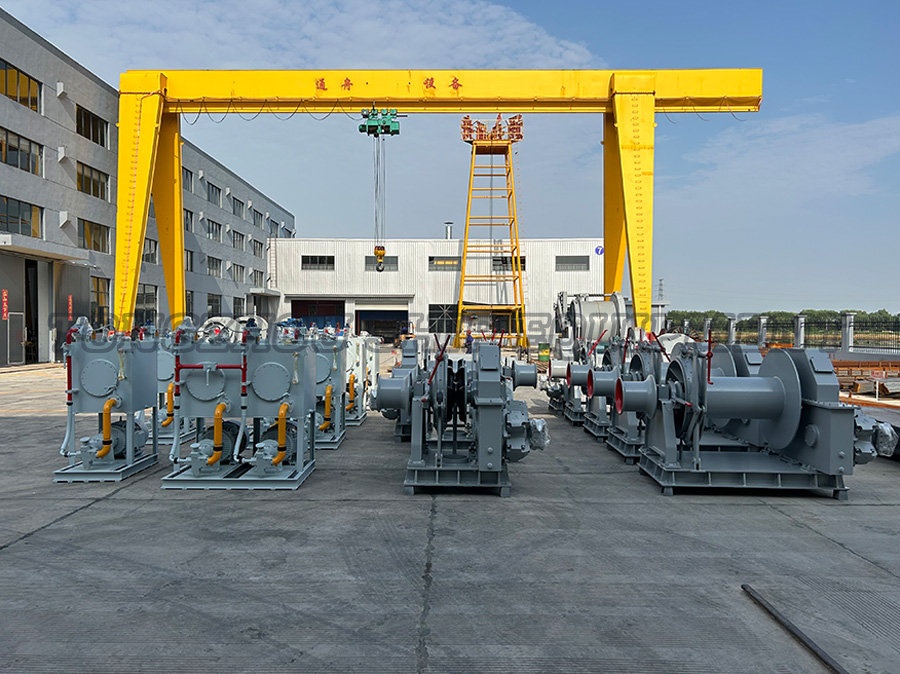
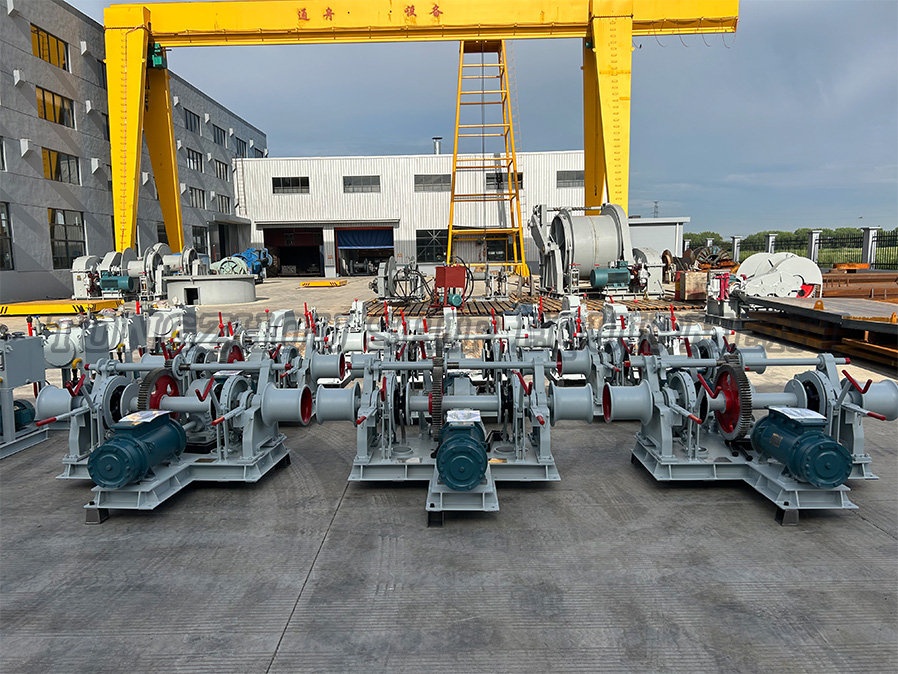 Electric Windlass Models for Marine Anchoring SystemsCategory lists Electric Windlass 01–09 with Contact Us links; useful when comparing electric drive options and planning adequate power, control, and maintenance.View Product →
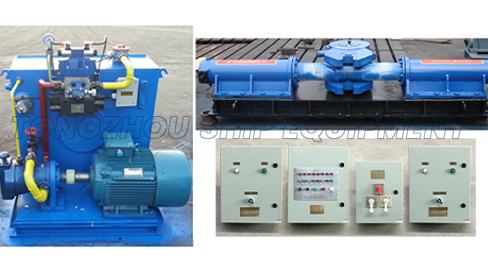
Electric windlasses are often selected when the vessel needs precise speed control and lower maintenance on deck. They can also reduce the number of hydraulic hoses and oil leaks, which matters on smaller vessels or those with limited engine room space. However, the electrical system must be sized for the starting current and continuous duty; undersized breakers and cables are common causes of windlass failure.
Common Purchase Risks and Inspection Points
The biggest procurement risks are undersized chain, mismatched windlass capacity, missing certification, and poor weld quality on the shank and crown. These problems often appear only after the vessel is in service, when the anchor is needed most. A thorough inspection before delivery is cheaper than a replacement at sea.
- Check the anchor certificate against the class society requirement and the vessel’s equipment number.
- Verify that the shank, crown, and flukes have no cracks, laps, or porosity, especially in weld areas.
- Confirm the chain diameter, grade, and length match the windlass wildcat and chain stopper.
- Inspect the swivel and shackle for freedom of movement and correct pin locking.
- Review the windlass holding brake capacity and the chain stopper load rating.
- Confirm that the hawsepipe allows the anchor to seat fully without binding.
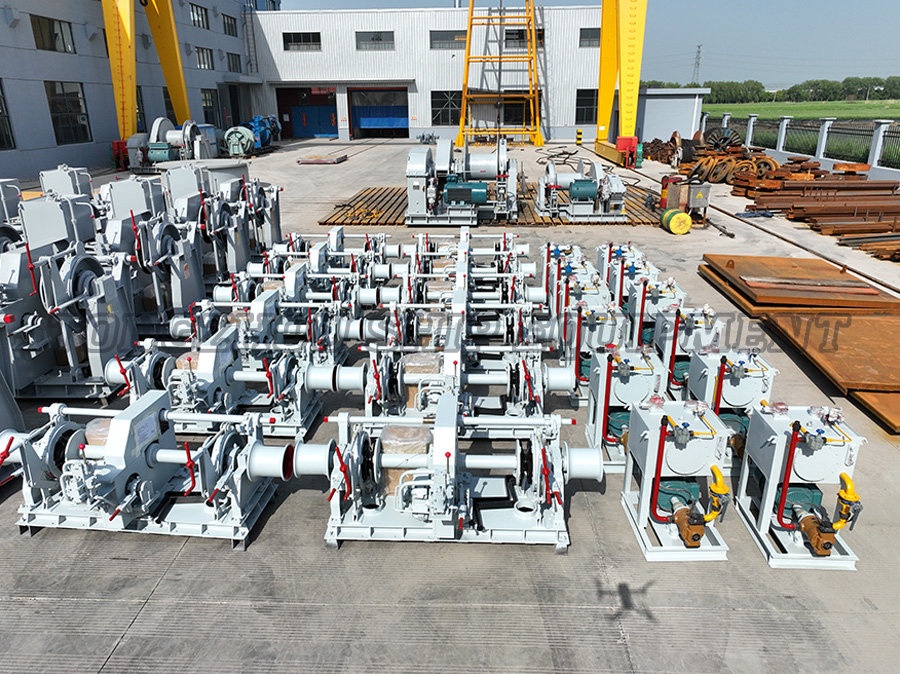
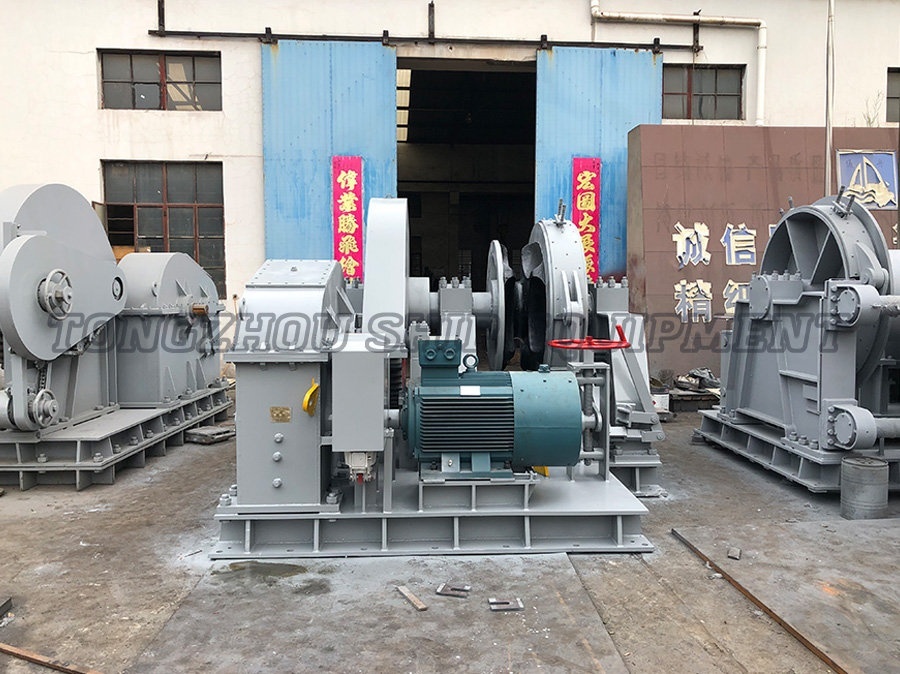
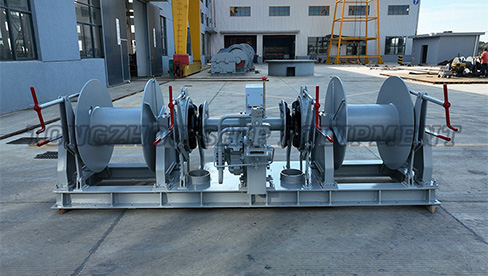 Combined Windlass and Mooring Winch Power Source VariantsCategory presents hydraulic, electric, and diesel combined windlass and mooring winch variants with Contact Us links; compare power sources for dual anchoring and mooring duty.View Product →
On vessels that anchor and moor frequently, a combined windlass and mooring winch can simplify deck layout and reduce the number of separate machines. It allows the same unit to handle anchor chain and mooring lines, but it also means the winch must be rated for both duties. The load case for mooring is often different from anchoring, so the brake and drum capacity must be checked separately.
Maintenance and Troubleshooting for Long Service Life
Regular inspection of the anchor, chain, and windlass is the most effective way to avoid anchoring failures. Most stockless anchor problems start small: a bent tripping palm, a stiff swivel, or a chain stopper that no longer grips. Left alone, these turn into refused anchorage or emergency recovery situations.
- Inspect the anchor after every heavy anchoring operation, especially the flukes and tripping palms.
- Check the swivel for corrosion and free rotation; grease or replace as needed.
- Measure chain link wear and elongation against the class society rejection criteria.
- Test the windlass brake and chain stopper at the required load.
- Clean and paint the anchor according to the coating system, but avoid coating the fluke edges if the class society prohibits it.
- Record all inspections and repairs for the vessel’s maintenance file.
FAQ
What is the difference between a stockless anchor and a stocked anchor?
A stockless anchor has no crossbar, so it can be drawn into a hawsepipe and handled by a standard windlass. A stocked anchor has a stock that helps orient the flukes but makes stowage and handling more difficult. Stockless anchors are preferred on commercial vessels for that reason.
How do I choose the right stockless anchor size?
Use the classification society’s equipment number calculation, which is based on vessel displacement, windage area, and service notation. The result gives a minimum anchor mass and chain size. Do not rely on anchor weight alone; the anchor must match the chain, windlass, and chain stopper.
Can a stockless anchor be used on small boats?
Yes, but it is not always the best choice. Small boats may have limited hawsepipe space and a windlass that cannot handle a heavy chain. In those cases, a lighter anchor type or a stocked anchor may be more practical, especially if anchoring is occasional and the seabed is soft.
To sum up, a stockless anchor is a system component, not a standalone piece of hardware. Its holding power depends on fluke geometry, seabed, chain size, and the windlass that handles it. Buyers who check the equipment number, certification, chain compatibility, and brake capacity before delivery avoid the most expensive anchoring problems later. If you are comparing options, start with the anchoring load case, then select the anchor, chain, and windlass as one package.