English
  عربى
عربى  中文简体
中文简体 
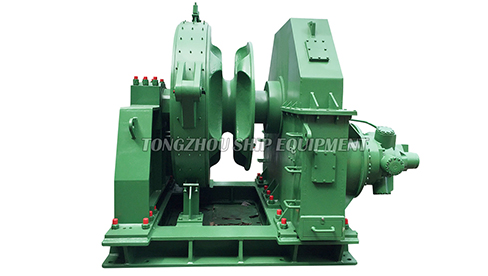
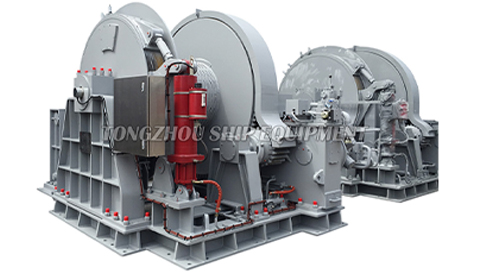
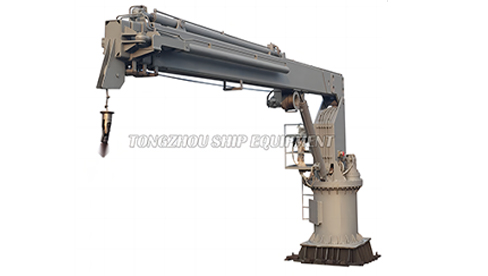
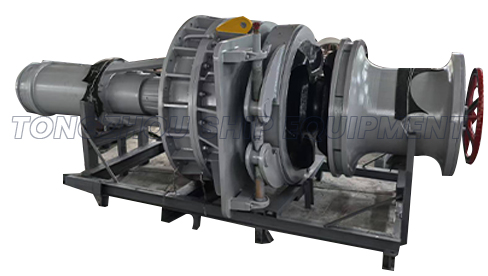


Fairleads on a boat are deck-mounted guides — typically rings, loops, or slotted fittings — that direct rope, line, or cable along a controlled path, preventing chafe, reducing friction, and ensuring that mooring lines, anchor rodes, and running rigging reach their destination cleats or winches at the correct angle. Without fairleads, lines wear through quickly, jam unpredictably, and create real safety hazards on the water.
If you have ever watched a line saw against the edge of a hull or a dock cleat until the fibers frayed, you have seen the exact problem that boat fairleads are designed to solve. These fittings are among the most underappreciated pieces of hardware on any vessel — small in size but significant in impact. Understanding what they are, how they work, and which type suits your boat can save you money on lines, prevent damage to your deck and hull, and make docking considerably safer.
This guide covers every dimension of the topic: definitions, operating principles, material comparisons, installation best practices, maintenance schedules, and answers to the questions boat owners ask most often.
Content
- What Are Fairleads on a Boat and How Do They Work?
- What Are the Different Types of Fairleads on a Boat?
- How Do Different Fairlead Types Compare?
- What Materials Are Boat Fairleads Made From?
- Where Are Fairleads Positioned on a Boat?
- How to Install a Fairlead on a Boat Correctly
- How to Maintain Boat Fairleads for Long Service Life
- How to Choose the Right Fairlead for Your Boat
- Frequently Asked Questions About Fairleads on a Boat
What Are Fairleads on a Boat and How Do They Work?
A fairlead is any fixed fitting that guides a line, rope, or cable in a specific direction by constraining its path through a hole, slot, ring, or roller. The word itself derives from the sailing term "fair" — meaning smooth, unobstructed, and free of tangles — combined with "lead," describing the direction a line travels. Together, a fairlead literally makes a line travel in a "fair" direction.
In practical terms, fairleads on a boat perform three mechanical functions simultaneously:
- Direction change: They redirect a line from one angle to another — for example, from the horizontal pull of a mooring post to the vertical drop of a cleat mounted flush on the deck.
- Chafe protection: By confining the line within a smooth, rounded surface, they prevent the sawing motion that occurs when rope runs over a raw hull edge, deck fitting corner, or stanchion base.
- Load distribution: The fitting spreads the mechanical stress of a tensioned line across a broader surface area than the line itself would contact on an unprotected edge, extending the life of both the line and the boat's structure.
The physics are straightforward: when a line under tension changes direction without a guide, the point of contact experiences enormous local stress. A line pulling at a 45-degree angle across a raw aluminum rail edge can lose 30–40% of its tensile strength at that contact point due to friction and abrasion. A well-fitted boat fairlead reduces that contact stress to near zero by presenting a smooth, low-friction surface across the full radius of the direction change.
What Are the Different Types of Fairleads on a Boat?
There are six primary types of fairleads used on boats, each engineered for a specific application, load range, and line type.
1. Bow Roller Fairleads
Bow roller fairleads are mounted at the very tip of the bow and carry the anchor rode — whether chain, rope, or a combination — over a rotating stainless steel or bronze roller. The roller eliminates friction almost entirely during anchoring and retrieval. Most bow rollers are rated for loads between 500 kg and 2,000 kg depending on construction, making them the highest-load fairlead on most recreational boats.
2. Deck-Mounted Ring or Eye Fairleads
These are the simplest form: a smooth ring or closed eye bolted to the deck through which a mooring or docking line runs. They are low-profile, inexpensive (typically $8–$35 per fitting), and suitable for lines up to about 20 mm in diameter. Their limitation is that loading the line from a wide angle can cause the ring edge to act as a chafe point rather than a guide.
3. Fairlead Cleats (Combined Fittings)
A fairlead cleat integrates the guiding function of a fairlead with the holding function of a cleat in a single fitting. This is particularly common on smaller powerboats and runabouts where deck space is limited. The line feeds through the fairlead section and wraps directly onto the adjacent cleat horns — reducing the number of deck penetrations and keeping the deck cleaner.
4. Roller Fairleads
Roller fairleads replace the fixed smooth surface with one or more rotating cylinders. This dramatically reduces friction and heat generation when lines are moving under load — essential for winch lines, spinnaker halyards, and any application where a line runs dynamically rather than statically. Roller fairleads are common on sailboat masts, bow pulpits, and windlass installations.
5. Hawse Pipe Fairleads
A hawse pipe is a tube through the hull or deck that guides the anchor chain from the windlass below deck to the bow above the waterline. Larger cruising boats and motor yachts use hawse pipe fairleads to keep the anchor chain entirely enclosed and away from the deck surface. They also prevent seawater from running below deck along the chain during retrieval.
6. Snatch Block and Turning Block Fairleads
On sailboats, turning blocks function as fairleads for running rigging — sheets, halyards, and control lines. A snatch block can be opened on one side to accept a line without threading, making it the fastest fairlead to rig and re-rig. These are rated to specific working loads, commonly between 200 kg and 3,000 kg for offshore sailing applications.
How Do Different Fairlead Types Compare?
Choosing the right fairlead for your boat depends on the application, line diameter, load, and whether the line moves dynamically or sits statically under tension. The table below summarizes the key differences.
| Type | Best Application | Typical Load Rating | Line Movement | Friction Level |
| Bow Roller | Anchor rode (chain/rope) | 500–2,000 kg | Dynamic | Very Low |
| Ring / Eye | Mooring and dock lines | 200–800 kg | Static / light dynamic | Low–Medium |
| Fairlead Cleat | Space-limited decks | 150–600 kg | Static | Medium |
| Roller Fairlead | Winch lines, halyards | 300–1,500 kg | Dynamic | Very Low |
| Hawse Pipe | Below-deck anchor chain | 1,000–5,000 kg | Dynamic | Low |
| Turning Block | Running rigging, sheets | 200–3,000 kg | Dynamic | Very Low |
Table 1: Comparison of the six main fairlead types by application, load capacity, line movement, and friction
What Materials Are Boat Fairleads Made From?
The material of a boat fairlead determines its corrosion resistance, weight, load capacity, and expected service life. Four materials dominate the market.
| Material | Corrosion Resistance | Strength | Weight | Relative Cost | Best Environment |
| 316 Stainless Steel | Excellent | Very High | Heavy | Medium–High | Saltwater, offshore |
| Bronze | Excellent | High | Heavy | High | Saltwater, traditional vessels |
| Nylon / Polyamide | Very Good | Medium | Very Light | Low | Freshwater, light-duty |
| Aluminum (anodized) | Good | Medium–High | Light | Medium | Racing, weight-critical |
Table 2: Material comparison for marine fairleads by corrosion resistance, strength, weight, cost, and environment
For saltwater use, 316-grade stainless steel is the practical choice for most boat owners. It offers the best balance of corrosion resistance, load capacity, and longevity — and unlike 304 stainless, it contains molybdenum, which significantly improves resistance to chloride-induced pitting in seawater environments. Bronze remains the gold standard for traditional and wooden vessel owners, but its higher cost and greater weight make it less common on modern fiberglass boats.
Where Are Fairleads Positioned on a Boat?
Fairleads are positioned wherever a line changes direction or crosses a deck surface — the placement is determined by the geometry of the boat, the position of cleats and winches, and the lines' intended travel paths.
- Bow: Bow roller fairleads handle the anchor rode. Closed chocks or ring fairleads on both port and starboard guide bow lines to the dock cleats below.
- Stern: Stern fairleads guide spring lines and stern dock lines from cleats at the transom. On powerboats, they prevent lines from chafing on the rub rail.
- Midship (amidships): Midship chock fairleads handle breast lines — the lines that hold the boat parallel to the dock at its widest point.
- Mast base and boom: On sailboats, turning block fairleads at the mast base route halyards and control lines to clutch stoppers and winches in the cockpit.
- Cockpit lead cars: Adjustable lead cars on sailboat genoa tracks are a type of fairlead — they position the sheet's lead angle to the winch to optimize sail trim for different wind conditions.
- Windlass: A fairlead immediately forward of the windlass ensures the anchor chain feeds onto the gypsy at the correct angle, preventing chain pile-up or jamming.
How to Install a Fairlead on a Boat Correctly
Correct installation of a boat fairlead is critical — a fitting that fails under load can cause a line to whip free with dangerous force, and a poorly bedded fitting creates a water intrusion point in the deck. The installation process is straightforward but requires attention to four key principles.
- Determine the correct lead angle first: Before drilling, physically run the line through the proposed position with the boat at the dock. The fairlead should be positioned so that the line arrives at the cleat or winch at an angle of less than 10–15 degrees off horizontal. Excessive angles create lateral loads the fitting was not designed for.
- Use a backing plate: All deck-mounted fairleads subject to significant load must be backed with a plate (stainless steel, aluminum, or fiberglass) of at least the same footprint as the fitting, installed below the deck. Without a backing plate, the fasteners will pull through a GRP (fiberglass) deck under load. A minimum backing plate area of 3–4 times the fitting's base area is a common guideline.
- Bed the fitting with marine sealant: Use a polysulfide or polyurethane marine sealant (not silicone, which does not bond well to fiberglass over time and cannot be painted over) under the base of the fitting to prevent water intrusion. Apply sealant to the bolt holes as well.
- Use the correct fastener grade: Use A4-grade (marine grade) stainless steel bolts, not A2 grade. In a saltwater environment, A2 stainless fasteners can begin showing corrosion within 12–18 months when embedded in wet deck cores.
- Torque fasteners correctly: Over-tightening compresses the sealant bead and can crack a GRP deck. Under-tightening allows movement that breaks the seal. Follow the fastener manufacturer's torque specifications for the bolt diameter being used.
How to Maintain Boat Fairleads for Long Service Life
Fairlead maintenance is simple but must be done regularly — salt crystals, UV exposure, and mechanical wear are the three forces working against every fitting on the deck.
- Rinse with fresh water after every saltwater use: Salt crystals that dry inside a roller or ring fairlead become abrasive and accelerate both metal and line wear. A 30-second rinse prevents months of damage.
- Inspect roller bearings quarterly: On roller fairleads and bow rollers, spin the roller by hand. It should turn freely with no grinding or lateral play. Grinding indicates contaminated or seized bearings; lateral play means a worn pin or bearing housing.
- Check the sealant bed annually: Probe around the base of each fitting with a thin tool. Any sign of deck softness, discoloration, or visible gap between the fitting base and deck means water has entered — address immediately to prevent core rot.
- Polish stainless fairleads annually: Use a metal polish to remove surface oxidation and tea-staining, which, while cosmetic on 316 stainless, can obscure early signs of crevice corrosion in weld zones.
- Lubricate roller pins with marine grease: Apply marine-grade waterproof grease to roller pins and pivot points at the start of each season, or every six months in year-round use.
- Inspect lines where they contact the fairlead: The line tells you what the fairlead is doing. If the line shows localized wear, glazing, or core exposure at the point of contact with the fairlead, the fitting is mis-sized, mis-positioned, or damaged.
How to Choose the Right Fairlead for Your Boat
Selecting the correct boat fairlead requires answering four questions before purchasing.
| Question | If Yes — Consider | If No — Consider |
| Does the line move dynamically under load? | Roller or turning block fairlead | Ring, eye, or chock fairlead |
| Is the boat used in saltwater? | 316 stainless or bronze | Nylon or anodized aluminum acceptable |
| Is deck space very limited? | Fairlead cleat combo | Separate fairlead and cleat |
| Is this for the anchor rode? | Bow roller or hawse pipe | Standard mooring chock or ring |
Table 3: Decision guide for selecting the correct fairlead type for a specific boat application
Line diameter is also a critical sizing factor. A fairlead's opening or throat should be at least 1.5 to 2 times the diameter of the line it guides. A 16 mm mooring line should pass through a fairlead with an opening no smaller than 24–32 mm. Undersized fairleads jam lines under load and create the chafe problem they are meant to prevent.
Frequently Asked Questions About Fairleads on a Boat
What is the difference between a fairlead and a cleat?
A fairlead guides a line — it directs the line's path but does not hold it. A cleat holds a line — it provides a fixed point to which the line is secured with figure-eight turns. They work together: the fairlead positions the line so it arrives at the cleat at the correct angle for a secure, non-jamming wrap. Many boats use both in sequence: fairlead first, cleat second.
Do all boats have fairleads?
Virtually all boats that use ropes, lines, or cables of any kind use fairleads in some form — though on very small runabouts and dinghies, the fairlead may be as simple as a molded-in guide on a cleat or a rubber grommet around a deck penetration. On larger sailboats and cruising powerboats, there may be 10 to 20 or more individual fairlead fittings handling different lines simultaneously.
Can a fairlead be used as a mooring point?
No. A fairlead is not a mooring point and should never be used as the primary attachment point for a mooring or dock line. Fairleads are designed to guide and redirect lines, not to bear the sustained static load of a moored vessel. Using a fairlead as a mooring point risks pulling the fitting from the deck and creating a structural hole. Always secure lines to properly installed cleats or bollards rated for the vessel's displacement.
How do I know if my fairlead is the wrong size?
The most common signs of a wrong-sized boat fairlead are: the line jams in the opening under load; the line shows uneven wear or glazing at the point of contact; the fitting vibrates or squeals under tension; or the line must be forced into the fairlead rather than feeding naturally. As a rule, the internal opening should be 1.5–2 times the diameter of the line passing through it.
What is the difference between an open fairlead and a closed fairlead?
An open fairlead (also called an open chock) has a gap or slot at the top, allowing a line to be dropped in laterally without threading from the end — fast to rig and release. A closed fairlead forms a complete ring or tube, which retains the line securely even if tension is suddenly released, making it safer in rough conditions or overnight mooring. Most offshore boats use closed fairleads for mooring lines and open ones for convenience on running rigging.
How often should fairleads be replaced?
A quality 316 stainless steel fairlead with proper maintenance can last the life of the boat — 20 to 30 years or more. Replace a fairlead when: visible cracks appear in the casting or weld zones; the roller no longer turns freely and cannot be restored by cleaning and lubricating; the fitting base is corroded through at deck level; or the fitting has been subjected to a shock load (e.g., a line snapping under load) that may have compromised its structural integrity even without visible damage.
Are fairleads used on powerboats and sailboats equally?
Both use fairleads, but the types differ. Powerboats primarily use mooring chocks, bow rollers, and hawse pipes — all guiding static or slow-moving dock and anchor lines. Sailboats use these same fittings plus an extensive system of turning blocks, lead cars, and clutch-to-winch routing fairleads that handle running rigging under dynamic loads during sailing. A typical 40-foot cruising sailboat may have 15 to 25 fairlead fittings of various types; a comparable powerboat may have 4 to 8.
Understanding what fairleads on a boat do — and choosing, installing, and maintaining them correctly — is one of those areas of seamanship that quietly determines how smoothly everything else aboard operates. A rope that runs fair runs safely, efficiently, and for far longer than one left to chafe against an unguided edge.
Whether you are fitting out a new boat, replacing worn hardware on an existing vessel, or simply trying to understand why your dock lines wear out so quickly, the answer almost always comes back to the same small but essential fitting: the boat fairlead.