English
  عربى
عربى  中文简体
中文简体 
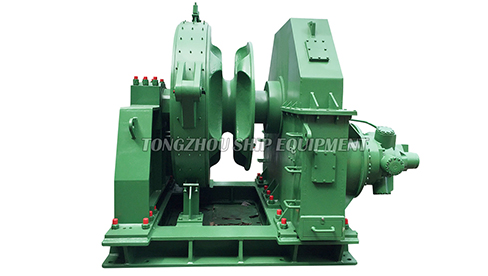
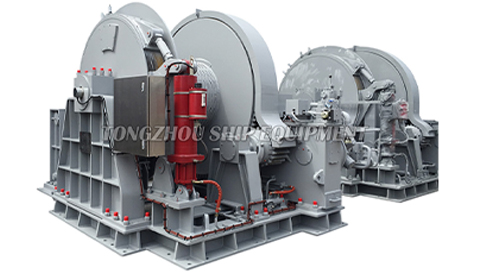
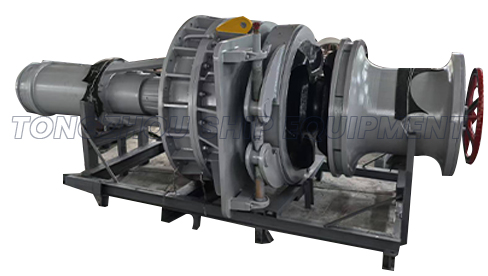
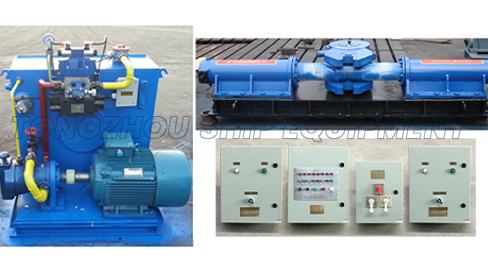
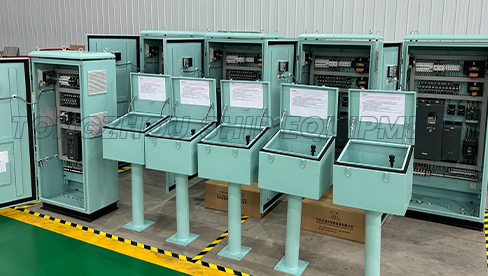
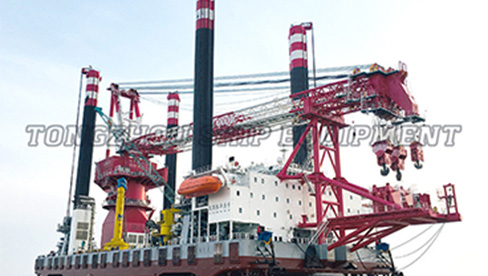


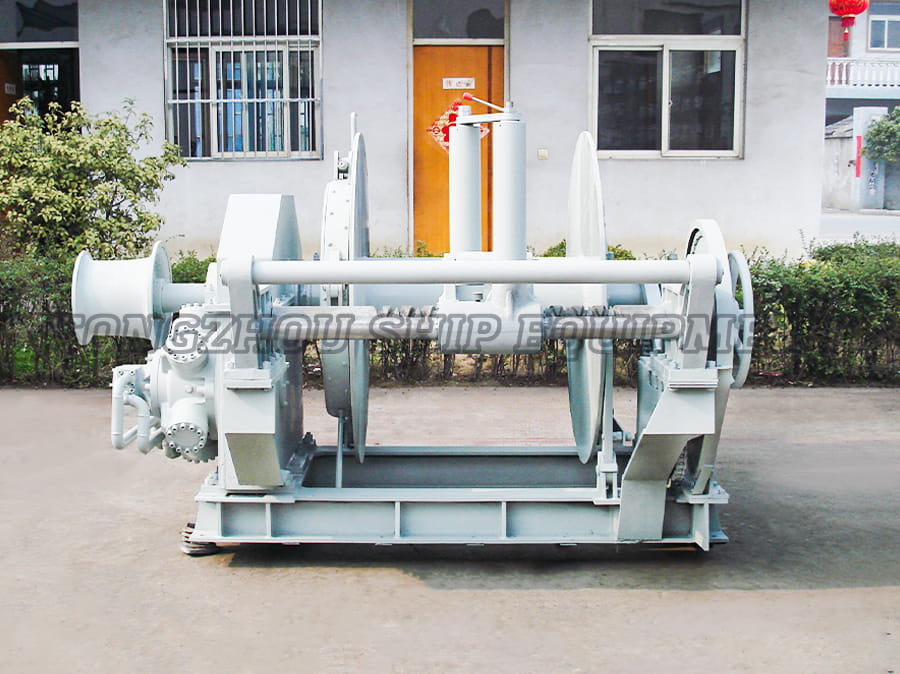
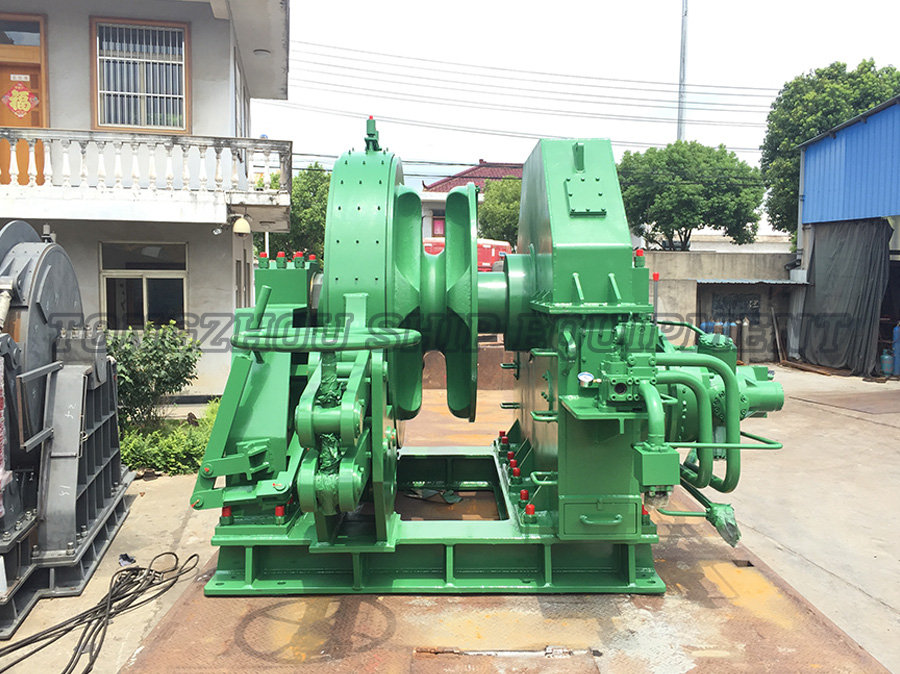
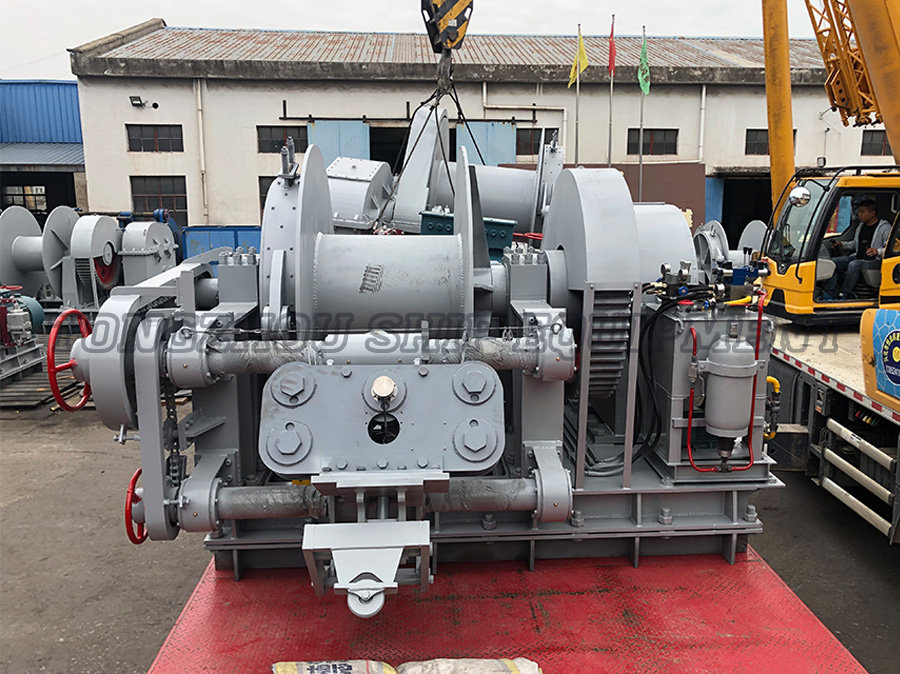
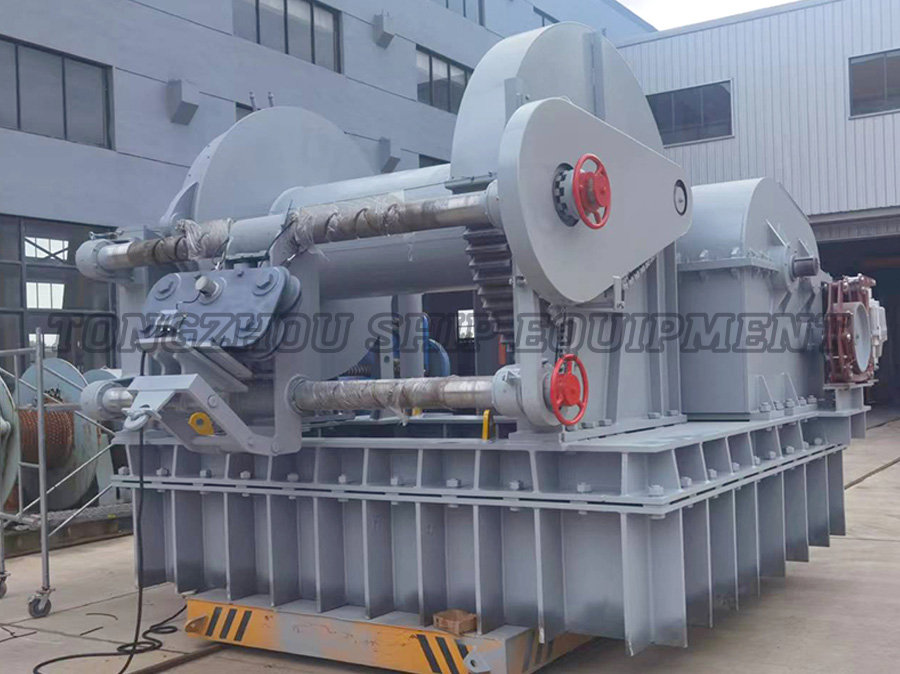
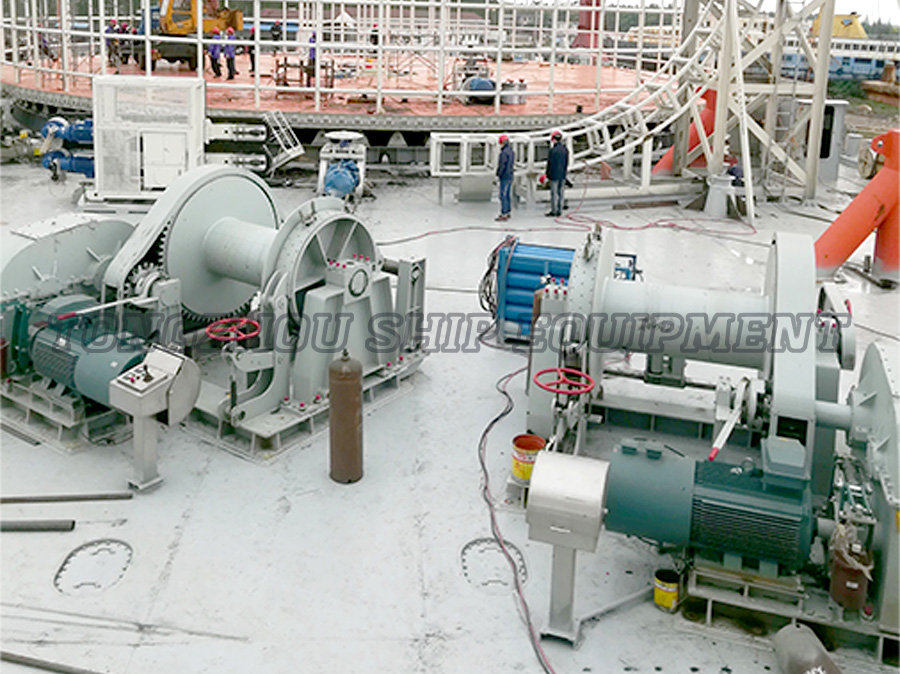
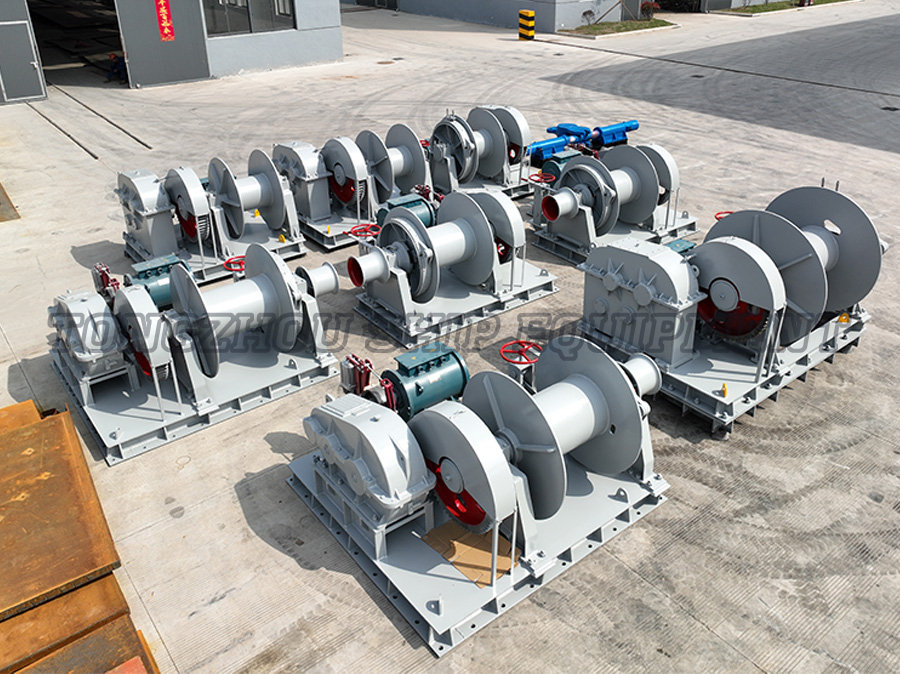
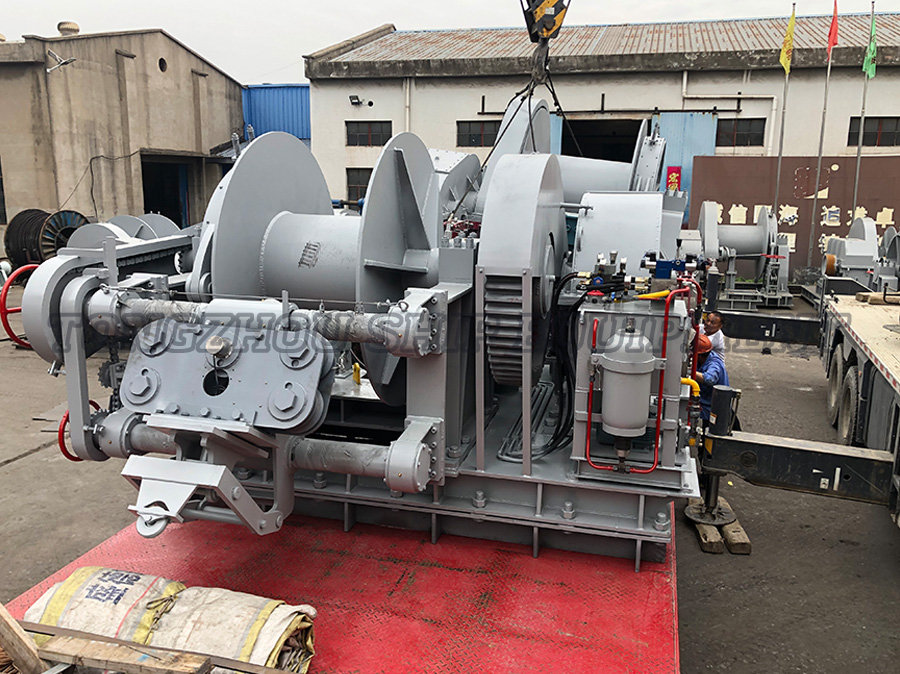
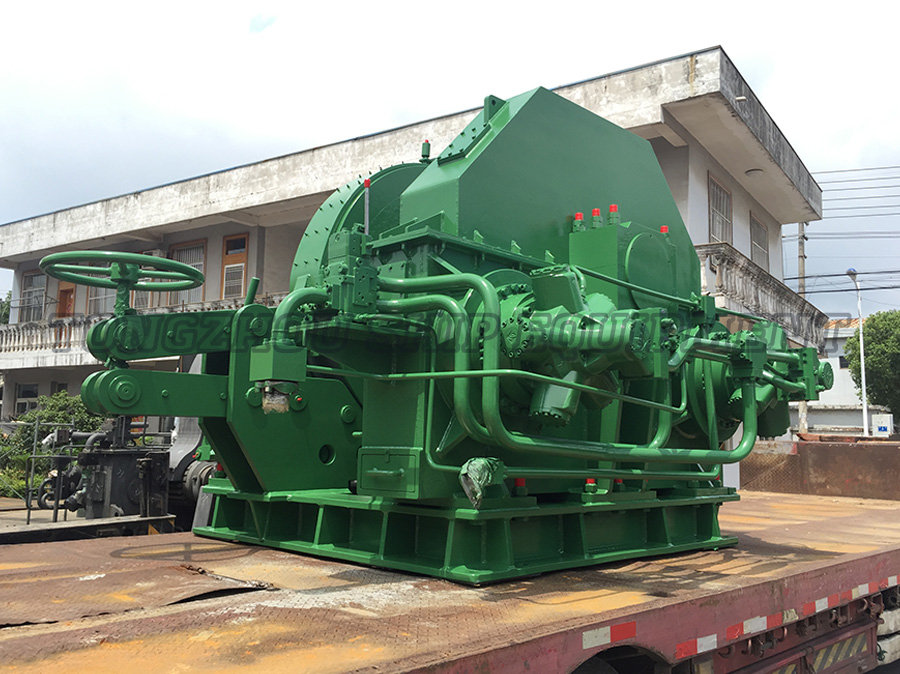
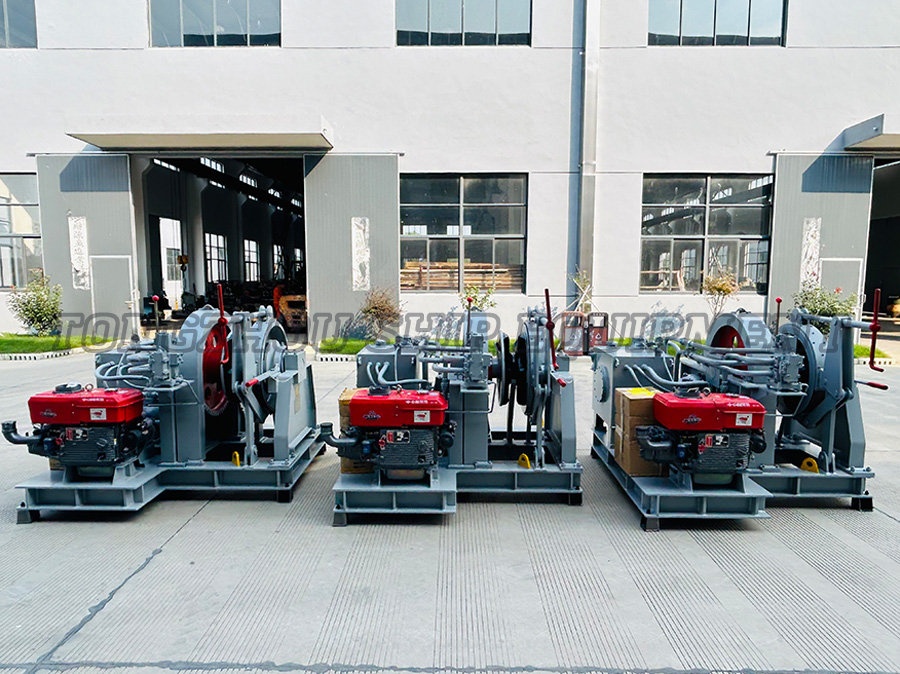
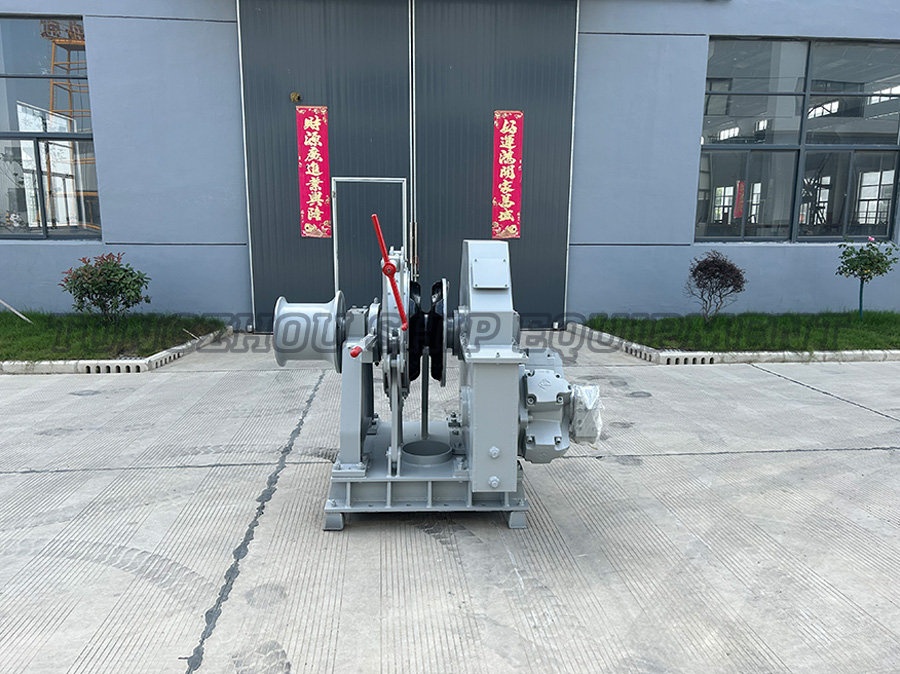
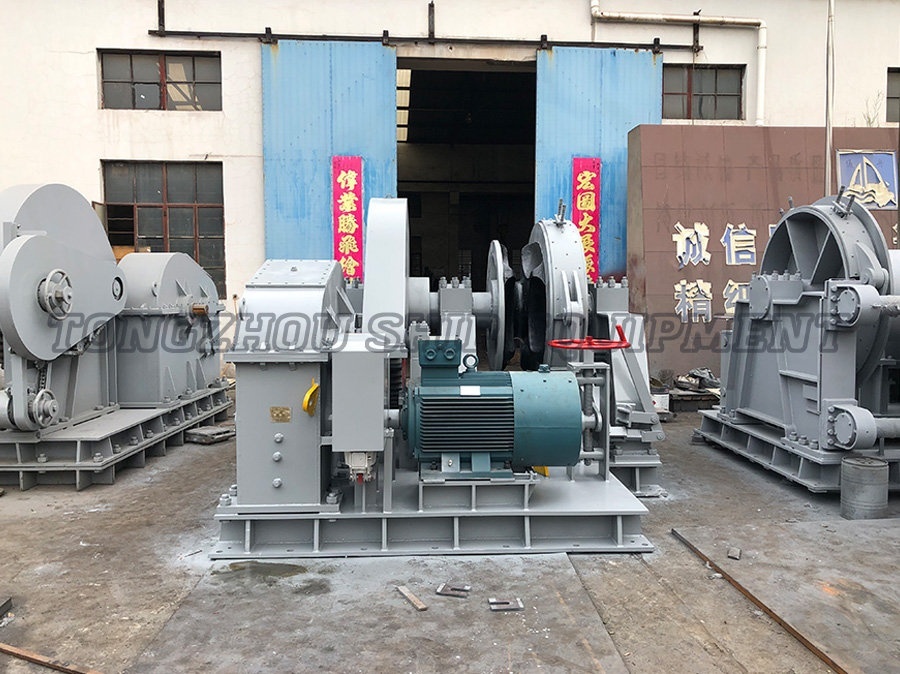
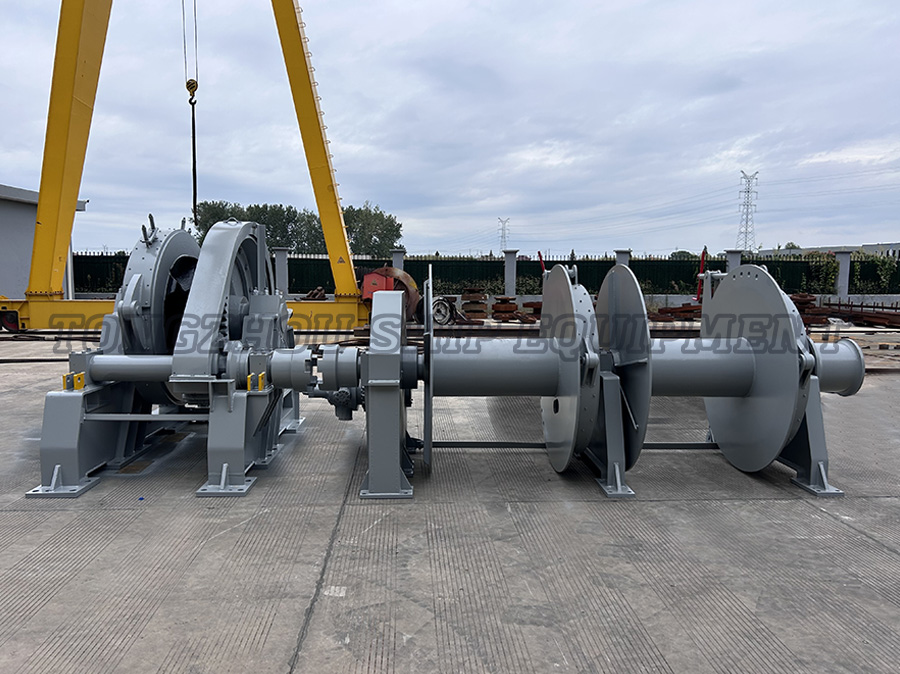
An anchor windlass is a motorized or manual mechanical device mounted on a vessel's bow that retrieves and deploys the anchor and its chain or rode by winding the line around a rotating drum or gypsy wheel. It transforms what would be an exhausting, time-consuming manual task — hauling hundreds of kilograms of anchor chain from the seabed — into a controlled, repeatable operation that one person can manage with a switch or lever.
For any vessel that anchors regularly — whether a 30-foot coastal cruiser or a 200-foot superyacht — the anchor windlass is one of the most operationally critical pieces of deck hardware aboard. According to the American Boat and Yacht Council (ABYC), anchoring accounts for roughly 60% of recreational boating overnight stops in U.S. waters, making the windlass a device that earns its cost on virtually every extended cruise. When a windlass fails at sea, retrieving even a moderately sized anchor and its chain by hand can be physically impossible for a short-handed crew — turning a routine anchorage departure into a genuine emergency.
This guide explains exactly what an anchor windlass is, how each type works, what specifications matter when selecting one, how to install and maintain it correctly, and how to avoid the most common mistakes boat owners make when purchasing windlass equipment.
Whether you are fitting out a new vessel, upgrading aging equipment, or simply trying to understand how the device on your bow actually works, everything you need is covered below.
Content
- How an Anchor Windlass Works: The Core Mechanism
- What Are the Different Types of Anchor Windlass?
- How to Size an Anchor Windlass: The Key Specifications
- How to Install an Anchor Windlass: Key Requirements
- How to Maintain an Anchor Windlass for Maximum Service Life
- Anchor Windlass vs. Capstan vs. Winch: What Is the Difference?
- Frequently Asked Questions About Anchor Windlasses
How an Anchor Windlass Works: The Core Mechanism
An anchor windlass works by converting rotational power — from an electric motor, hydraulic motor, or manual handle — into the linear pulling force needed to haul anchor chain or rope rode up from the seabed through the hawse pipe and into the chain locker below the bow deck.
The central working component of a windlass is the gypsy (also called a wildcat or chain wheel) — a sprocket-shaped drum with precisely machined pockets designed to engage the links of a specific chain caliber. As the gypsy rotates, it grips individual chain links, pulls them upward, and passes them over the top before dropping them into the chain locker below. This gypsy-to-chain engagement is the key mechanical interaction that differentiates a windlass from a simple winch.
- Gypsy (wildcat): The toothed drum that engages anchor chain. It is sized to a specific chain caliber — a gypsy designed for 8 mm chain will not correctly engage 10 mm chain, and mismatches cause chain to jump, jam, or wear prematurely.
- Rope drum (capstan drum): A smooth cylindrical drum alongside or above the gypsy for handling rope rode or mooring lines. Not all windlasses include a rope drum — some are chain-only designs.
- Clutch or stripper plate: A mechanism that holds chain in engagement with the gypsy during hauling and guides it off the gypsy and into the hawse pipe during deployment. A well-designed stripper prevents chain jamming on the gypsy — a common failure mode in cheaper windlass designs.
- Brake: Locks the gypsy when the windlass is not in use, preventing the anchor from freewheeling out. Brakes are either manual (a screw or lever) or automatic in some electric designs.
- Motor and gearbox: On electric models, a sealed motor (typically 12V or 24V DC) drives the gypsy through a reduction gearbox that converts high-speed motor rotation into the slow, high-torque rotation needed to haul heavy chain under load.
The power transmission efficiency of a well-designed electric anchor windlass is typically 70–85%, meaning that for every 1,000 watts drawn from the battery, 700–850 watts is converted to useful pulling force on the chain. Losses occur in the motor windings, gearbox friction, and chain-gypsy engagement inefficiency.
What Are the Different Types of Anchor Windlass?
Anchor windlasses are categorized by two independent variables: their orientation on deck (horizontal or vertical axis) and their power source (electric, hydraulic, or manual). Understanding both dimensions is essential before purchasing.
Horizontal Windlass vs. Vertical Windlass: Orientation Matters
| Feature | Horizontal Windlass | Vertical Windlass (Capstan) |
| Motor location | Above deck, integrated in body | Below deck — only gypsy/drum visible above |
| Deck footprint | Larger — full unit above deck | Compact — small low-profile head above deck |
| Installation complexity | Simpler — surface mount with cable access | More complex — requires adequate space below deck |
| Chain lead angle | Best with chain from directly ahead (bow roller) | Accepts chain from multiple lead angles (up to 360°) |
| Maintenance access | Easy — all components accessible above deck | Motor below deck; gypsy access from above |
| Typical vessel size | 25–50 ft sailboats, coastal powerboats | 40 ft and above, motoryachts, offshore vessels |
| Weather exposure | Full exposure — must be IP67 rated minimum | Motor protected below deck from spray and UV |
Table 1: Comparison of horizontal and vertical anchor windlass types by key installation, operational, and maintenance factors
Electric, Hydraulic, and Manual Windlasses: Power Source Comparison
| Power Source | Typical Pull Capacity | Current Draw | Best Application | Key Limitation |
| 12V Electric | 500–1,500 kg | 60–200A peak | Sailboats and powerboats 25–60 ft | High battery amp-hour drain; 30% duty cycle limit |
| 24V Electric | 1,000–3,000 kg | 40–120A peak | Larger sailboats and motoryachts 45–80 ft | Requires 24V battery bank; more expensive |
| Hydraulic | 1,500–8,000+ kg | Via hydraulic pump | Commercial vessels, superyachts, workboats | Complex installation; requires hydraulic system |
| Manual | 100–400 kg | Human power only | Small sailboats, dinghies, backup systems | Physically demanding; not practical for chain over 40 m |
Table 2: Anchor windlass power source comparison by pull capacity, current draw, best application, and limitations
For the majority of recreational boats between 25 and 55 feet, a 12V or 24V electric windlass is the standard choice. The 24V system draws half the current of an equivalent 12V unit for the same power output — significantly reducing voltage drop in the supply cable and allowing the use of smaller-gauge cable over longer runs from the battery to the bow. For vessels over approximately 50 feet with a main engine hydraulic system already in place, hydraulic windlasses offer continuous-duty operation without battery drain concerns.
How to Size an Anchor Windlass: The Key Specifications
Sizing an anchor windlass correctly is the most critical purchasing decision — an undersized windlass will overheat, trip its thermal breaker, and potentially burn out its motor during routine anchoring operations in deep water or strong current.
Rated Pull: The Primary Specification
The rated pull of a windlass (stated in kilograms or pounds) is the continuous pulling force it can sustain at its rated voltage. The industry standard recommendation, endorsed by the ABYC and ISO 8251 (Marine Equipment — Windlasses), is to select a windlass with a rated pull of at least three times the combined weight of the anchor and its chain rode.
For example: a 20 kg anchor with 50 meters of 8 mm chain (approximately 14 kg per 10 m = 70 kg of chain) gives a total rode weight of 90 kg. The minimum rated pull required would be 90 kg x 3 = 270 kg. In practice, most installers recommend sizing up further — to 4x or 5x the rode weight — to account for the additional load imposed by current drag, tide, and the mechanical friction of chain running through the hawse pipe.
Gypsy Chain Caliber: Non-Negotiable Matching
The gypsy must be matched exactly to the chain caliber and type in use on the vessel. Chain is specified by its wire diameter (e.g., 8 mm, 10 mm, 12 mm) and its grade (G30, G40, G43, or G70 — higher numbers indicate higher tensile strength). A gypsy machined for 8 mm G30 chain will not work correctly with 8 mm G43 chain because the link dimensions differ between grades even at the same wire diameter.
Chain size guidelines by vessel length, based on ABYC H-40 anchor system standards:
- Vessels under 30 ft: 6–8 mm chain typically appropriate
- Vessels 30–45 ft: 8–10 mm chain standard
- Vessels 45–60 ft: 10–12 mm chain recommended
- Vessels over 60 ft: 12–16 mm or larger depending on displacement
Duty Cycle: The Overlooked Specification
Most electric anchor windlasses are rated for an intermittent duty cycle — typically 30% duty cycle, meaning no more than 3 minutes of continuous operation in every 10 minutes. Exceeding this limit causes the motor windings to overheat, triggering the thermal cut-out breaker or, if the breaker itself fails, burning out the motor. In practice, the 30% duty cycle is sufficient for most anchoring operations — retrieving a typical 40 meters of chain from 10–12 meters of water takes approximately 2–3 minutes at normal haul speed. Problems arise when anchoring in deep water (30+ meters) or when the anchor is fouled and extended motor run time is needed to break it out.
How to Install an Anchor Windlass: Key Requirements
Correct anchor windlass installation determines whether the unit performs reliably for decades or fails within its first season — the three most common installation errors are undersized electrical cable, inadequate deck reinforcement, and incorrect chain lead angle.
Electrical Cable Sizing: The Most Critical Installation Detail
A 12V windlass drawing 150 amps at peak load requires supply cable capable of carrying that current with minimal voltage drop over the full run from the battery to the bow. ABYC E-11 (AC and DC electrical systems on boats) specifies a maximum allowable voltage drop of 3% for critical systems. For a 12V windlass on a 40-foot boat with a battery-to-bow run of approximately 8 meters (16 meters round trip), maintaining less than 3% voltage drop at 150 amps requires cable of at least 50 mm² (1/0 AWG) cross-sectional area. Undersized cable causes excessive voltage drop, reducing motor power and generating dangerous heat in the cable insulation.
Key electrical installation requirements:
- Dedicated circuit breaker or fuse at the battery: The supply cable must be protected by a fuse or circuit breaker rated to the cable's current-carrying capacity — not the windlass's rated current — installed as close to the battery as possible (within 72 inches / 1.8 m, per ABYC E-11).
- Dedicated battery or separate high-capacity battery bank: Drawing 100–200 amps from the house battery bank during anchoring significantly depletes charge. Many installations include a dedicated windlass battery in the anchor locker, maintained by the charging system.
- Waterproof deck gland or sealed cable entry: All cable penetrations through the deck must be sealed against water ingress with a marine-grade deck gland — ungasketed penetrations are a leading source of below-deck water entry in bow areas.
Deck Reinforcement and Backing Plate
An anchor windlass subjects the deck to enormous point loads — both the static weight of the unit and the dynamic shock loads when the anchor snubs on a rode in rough weather. ABYC H-40 requires that windlass mounting structures be capable of withstanding a load equal to twice the maximum pull capacity of the windlass. For a 1,000 kg windlass, this means a 2,000 kg load capacity in the mounting structure. On fiberglass vessels, this virtually always requires a structural backing plate (aluminum, stainless steel, or marine-grade plywood encapsulated in fiberglass) of at least the same footprint as the windlass base, bonded and bolted to the underside of the deck. Through-bolting with backing plate is the only acceptable mounting method — never wood screws or pop rivets alone.
Chain Lead Angle
The chain must enter the gypsy at the correct lead angle — within approximately 10–15 degrees of the horizontal plane of the gypsy's rotation. Chain that enters at too steep an angle (too vertical) will pile up on one side of the gypsy and cause jamming; chain entering too horizontally will not engage the gypsy pockets correctly and may jump off under load. The bow roller position relative to the windlass mounting position must be verified during the design phase of installation — moving the windlass position is far easier before holes are cut than after.
How to Maintain an Anchor Windlass for Maximum Service Life
Anchor windlass maintenance is straightforward but must be consistent — the combination of saltwater immersion, UV exposure, and high mechanical loads makes the bow the most hostile environment on any vessel for deck hardware.
- Rinse with fresh water after every saltwater use: Salt crystals that dry inside the gypsy pockets and on the stripper plate are abrasive and accelerate both metal and chain wear. A 60-second freshwater rinse after each anchoring session prevents months of cumulative corrosion. This is especially important for stainless steel internal components where crevice corrosion in dried salt deposits can initiate within weeks in warm climates.
- Lubricate the gypsy shaft and brake assembly every 3–6 months: Use waterproof marine-grade grease on all pivot points, the gypsy shaft bearing, and the brake cam mechanism. Avoid petroleum-based greases that attack rubber seals — use PTFE or silicone-based grease on any components with rubber elements.
- Inspect and re-grease the motor shaft seal annually: The shaft seal between the motor and the gypsy is the primary barrier against water entry into the motor housing. A compromised shaft seal allows water to reach the motor windings, causing corrosion and eventual motor failure. Many windlass manufacturers recommend replacing the shaft seal every 3–5 years as preventive maintenance.
- Check electrical connections bi-annually: The high-current connections at the solenoid contactor and at the motor terminals are vulnerable to corrosion from salt air. Corroded connections increase resistance, reduce effective voltage at the motor, and generate heat. Clean with electrical contact cleaner, coat with anti-corrosion spray (such as lanolin-based products), and torque to specification.
- Inspect the chain for wear annually: Chain wear is measured by stretch — a new 8 mm chain link measures precisely 24 mm inside length; a chain that has stretched to 27 mm (12.5% elongation) should be replaced before it begins to jump the gypsy. A chain wear gauge (available at marine chandleries for under $20) makes this measurement quick and objective.
- Test the thermal cut-out under controlled conditions: Run the windlass under load for progressively longer intervals once per season to confirm the thermal protection trips at the correct temperature. A cut-out that trips too early indicates failing thermal contacts; one that never trips at all has failed open — leaving the motor unprotected against overheating.
Anchor Windlass vs. Capstan vs. Winch: What Is the Difference?
These three terms are frequently confused, even by experienced mariners — they describe related but mechanically distinct devices with different purposes.
| Device | Primary Function | Chain Handling | Rope Handling | Typical Location |
| Anchor windlass | Deploy and retrieve anchor and chain | Yes — via toothed gypsy | Optional — via rope drum | Bow deck |
| Capstan | Haul lines and mooring ropes under tension | No (smooth drum only) | Yes — rope wraps drum and is tailed by hand | Bow or stern deck |
| Sheet / halyard winch | Tension and hold sailing sheets and halyards | No | Yes — rope wraps drum, manually or self-tailing | Cockpit, mast, cabin top |
Table 3: Comparison of anchor windlass, capstan, and sailing winch by primary function, chain/rope handling ability, and deck position
The key distinction is the gypsy: only a windlass has one. The gypsy's toothed pockets are what enable positive engagement with anchor chain — a smooth capstan drum can wrap rope but will not grip chain links reliably. Some vertical windlasses include both a gypsy and a smooth capstan head above it on the same shaft, effectively combining both functions — these are often called "combination windlass-capstan" units and are popular on larger cruising vessels.
Frequently Asked Questions About Anchor Windlasses
Can I use an anchor windlass to hold the vessel at anchor, not just retrieve the chain?
No — an anchor windlass should never be used as a holding device while at anchor. The windlass is designed for the intermittent duty of retrieving and deploying the rode, not for the continuous static load of holding a vessel in current, wind, or wave action. The holding load of an anchored vessel should always be taken on the anchor chain itself via a chain stopper, chain hook, or mooring cleat — not on the windlass gypsy or brake. Using the windlass as a holding device overloads the brake mechanism and the gypsy bearings, causing premature failure and potentially releasing the anchor unexpectedly.
What is a chain stopper and why is it needed with a windlass?
A chain stopper is a deck-mounted device — typically a hinged pawl or guillotine bar — that locks the anchor chain in place by gripping a chain link, transferring the holding load from the windlass to the vessel's deck structure through the stopper mounting bolts. Once the anchor is set and the desired scope is deployed, the chain stopper is engaged and the windlass brake released, so the windlass carries no ongoing load. According to ISO 8251, a chain stopper rated to the same holding load as the anchor system's design load is a required component of a complete anchoring installation — not an optional accessory.
Why does my windlass motor trip its breaker during retrieval?
The most common causes of a windlass tripping its thermal breaker during use are: exceeding the duty cycle (running the motor for more than 3 minutes continuously), undersized supply cable causing voltage drop that forces the motor to draw higher current than its rated load, a fouled or mud-encrusted anchor requiring far more pull than normal, or a motor that is beginning to fail internally. Before diagnosing a motor problem, always measure the supply voltage at the windlass terminals while it is under load — if the voltage drops below 10.5V (for a 12V system) or 21V (for a 24V system) under load, the supply cable or connection is the problem, not the motor. Addressing cable undersizing is far cheaper than a motor replacement.
How much chain should I carry on my windlass?
The standard rule of thumb for anchoring scope is 5:1 to 7:1 chain-to-depth ratio for all-chain rodes in typical conditions — meaning anchoring in 10 meters of water requires 50–70 meters of chain deployed. Adding safety margin for deeper anchorages and the chain remaining in the locker during maximum deployment, most cruising vessels carry between 50 and 100 meters of chain as a primary rode. The ABYC H-40 anchor system guidelines recommend a minimum of 45 meters (150 feet) of chain as primary rode for recreational vessels in open anchorages. Your windlass chain locker and gypsy capacity must be verified against the total chain weight you plan to carry — most windlass manufacturers publish chain capacity specifications for each model.
Is it safe to run the windlass while the engine is off?
It depends on your battery capacity and how much chain you need to retrieve. A 12V windlass drawing 150 amps for 3 minutes consumes approximately 7.5 amp-hours from the battery — a relatively small draw for a well-sized house bank. However, in practice, anchoring operations often involve multiple short retrieval runs as the crew motors slowly forward to reduce chain tension, and cumulative draw can be significant. Most experienced cruisers run the engine at a low rpm (just above idle) while retrieving the anchor — not to power the windlass directly, but to recharge the battery as the windlass operates and to provide steerage control as the vessel drifts over the anchor position.
How long should an anchor windlass last?
A quality anchor windlass from a reputable marine manufacturer, correctly installed and maintained, should provide 15 to 25 years of reliable service on a recreational cruising vessel. The motor is typically the first component to require replacement — usually after 10–15 years of regular use — and on most quality windlasses, replacement motors are available separately without requiring a full unit replacement. The gypsy and mechanical housing, if kept free of corrosion through regular fresh water rinsing and lubrication, routinely outlast multiple motor replacements. The leading causes of premature windlass failure are undersized electrical installation, salt corrosion from neglected maintenance, and mechanical overload from operating beyond the rated pull capacity.
An anchor windlass is one of those pieces of marine equipment that is easy to overlook when it works well and impossible to ignore when it fails. Getting the specification right — matching pull capacity to rode weight, gypsy to chain caliber, and electrical supply to current demand — is the work done before purchase. Getting the installation right ensures the unit performs as designed under real conditions. And getting the maintenance right is what turns a 10-year windlass into a 25-year windlass.
For any vessel that depends on anchoring — whether coastal daysailing or extended blue-water cruising — a correctly specified, properly installed, and well-maintained anchor windlass is not a luxury. It is the piece of equipment that makes independent anchoring practical, safe, and repeatable for a crew of any size.