English
  عربى
عربى  中文简体
中文简体 
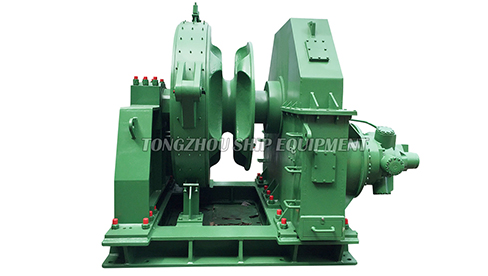
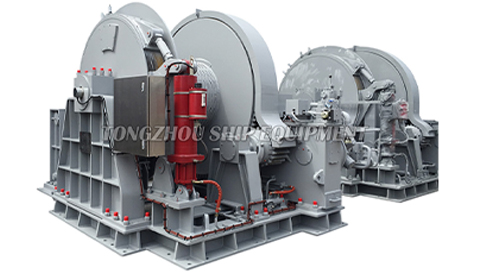
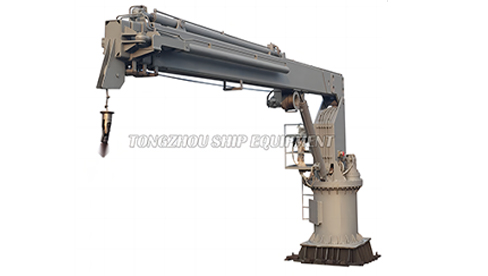
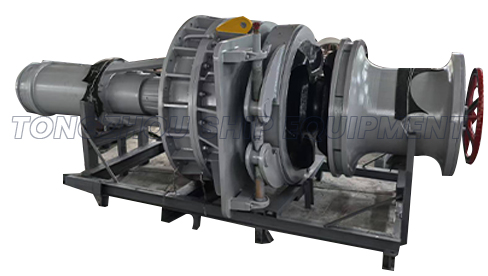
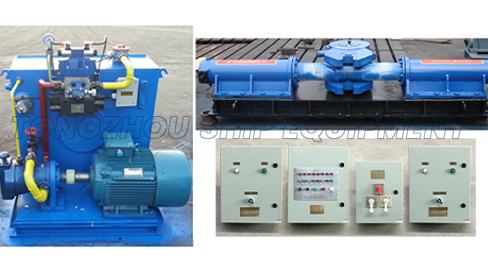
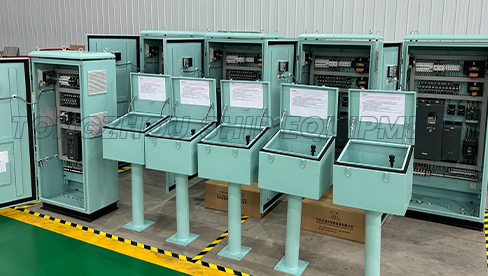
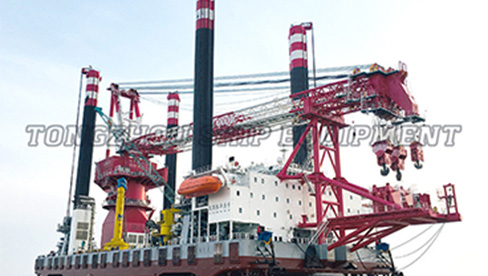


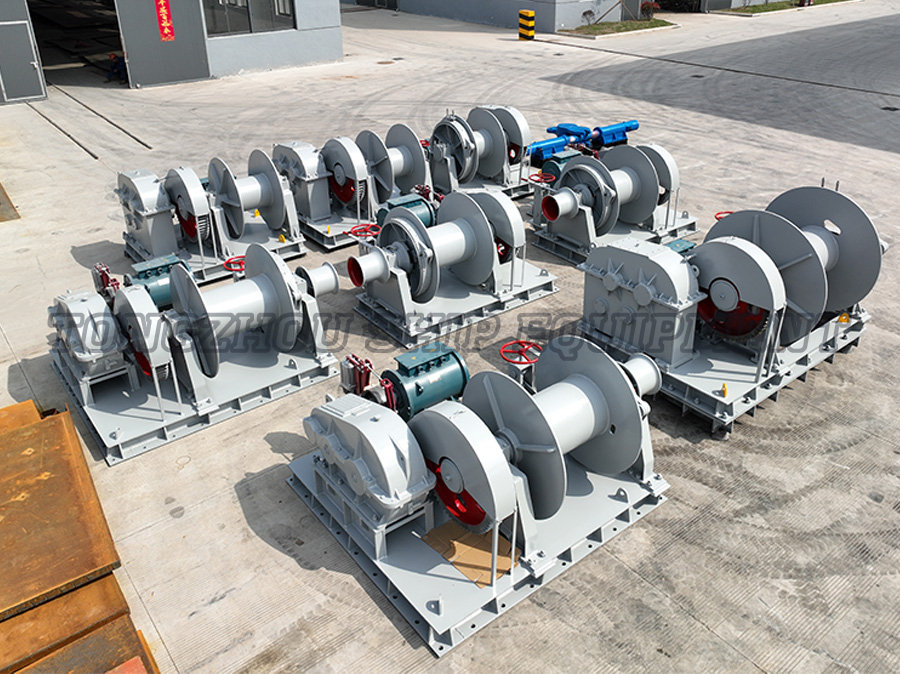
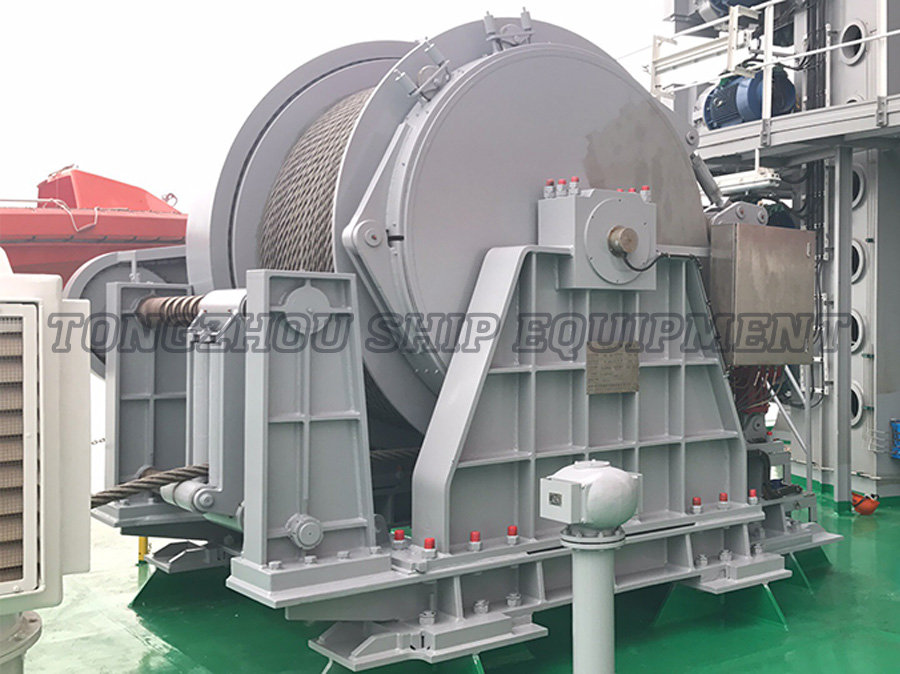
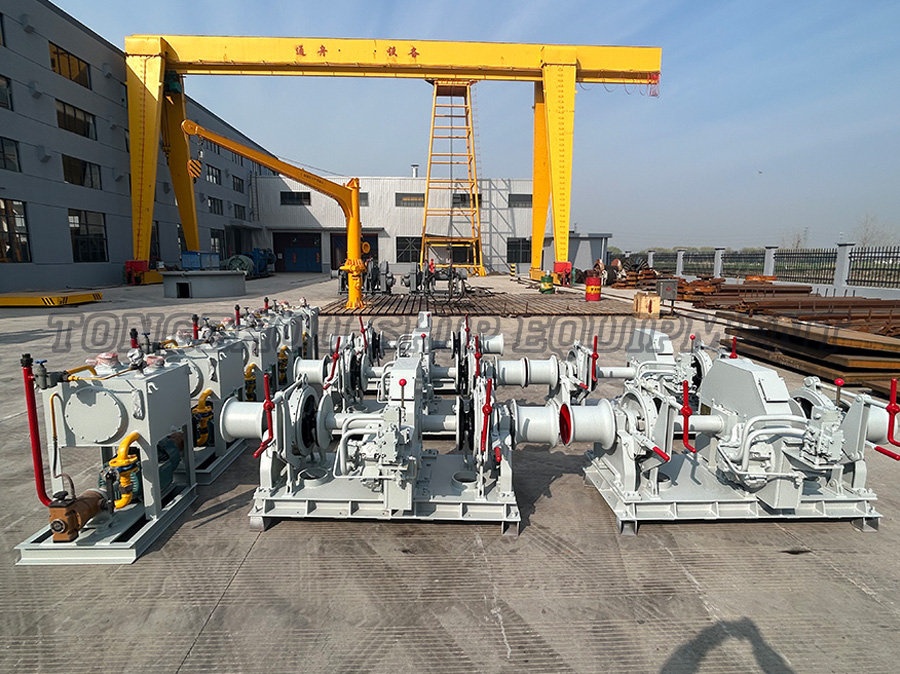
A windlass anchoring system is a mechanical or electro-mechanical device mounted on a vessel's bow that controls the raising and lowering of an anchor and its chain or rope rode. For any boater operating a vessel over 25 feet, a windlass is not a luxury — it is a critical safety and efficiency tool. Without it, deploying or retrieving a 15 kg anchor with 30 meters of chain by hand is physically exhausting, time-consuming, and potentially dangerous in challenging sea conditions.
This guide covers everything you need to know about windlass anchoring systems — how they work, which type suits your vessel, how to size and install one correctly, maintenance best practices, and answers to the most frequently asked questions.
Content
- How Does a Windlass Anchoring System Work?
- Which Type of Windlass Anchoring System Is Right for Your Vessel?
- How to Size a Windlass Anchoring System Correctly
- Why Proper Installation of a Windlass Anchoring System Matters
- How to Maintain a Windlass Anchoring System for Long-Term Reliability
- What Features Should You Look for in a Modern Windlass Anchoring System?
- Frequently Asked Questions: Windlass Anchoring Systems
- Q: Can a windlass be used as a mooring winch?
- Q: How long can I run my electric windlass continuously?
- Q: My windlass motor runs but the chain doesn't move — what's wrong?
- Q: What is the correct scope when anchoring?
- Q: Can I use rope rode with a windlass designed for chain?
- Q: Is 12V or 24V better for my windlass?
- Q: How do I know when my windlass gypsy needs replacing?
- Why Investing in the Right Windlass Anchoring System Pays for Itself
How Does a Windlass Anchoring System Work?
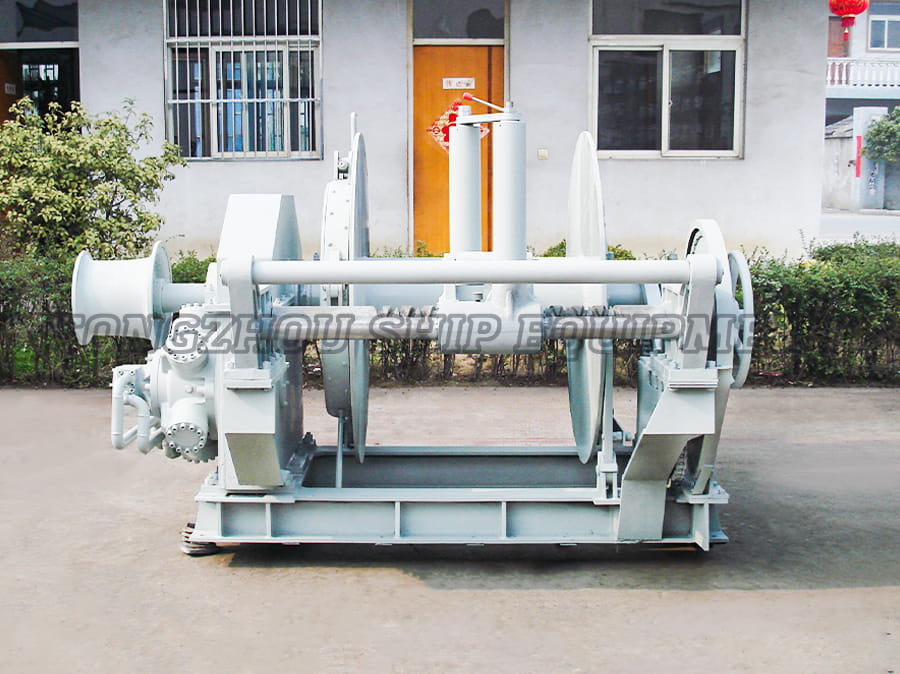
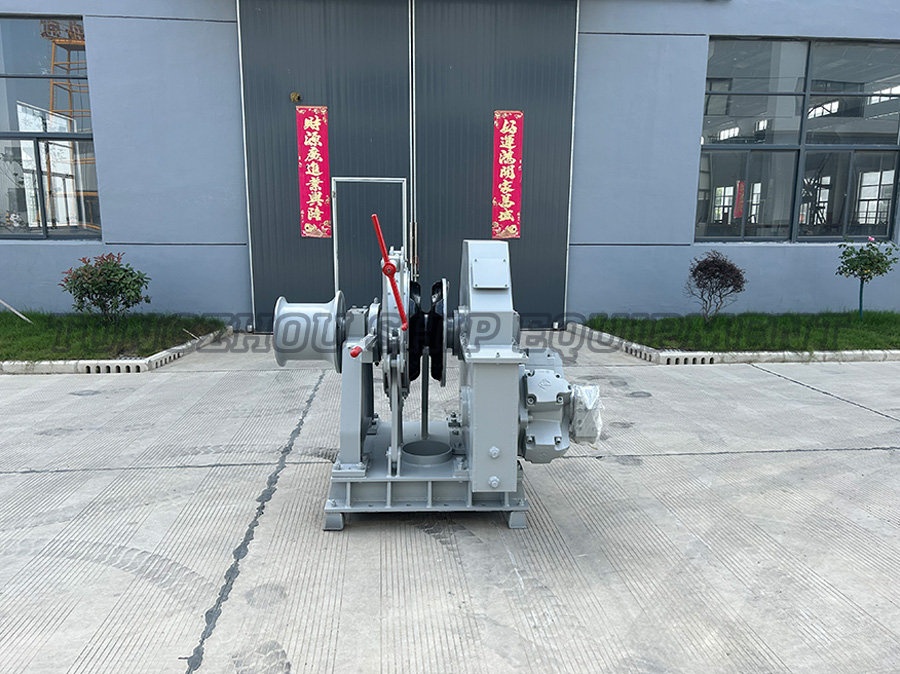
A windlass anchoring system works by using a motorized drum or gypsy (a wildcat sprocket) to grip and feed anchor chain or rope rode, applying mechanical advantage to handle loads that would be impossible for a single person to manage manually.
The key components of every windlass system include:
- Gypsy/Wildcat: The sprocket wheel machined to match a specific chain size (e.g., G4, G7 chain). It grips each chain link positively so there is no slip.
- Drum: Used for rope rode; smooth surface allows the rope to wrap and feed without damage.
- Motor: Electric (12V or 24V DC) or hydraulic, providing the pulling power (rated in kilograms or pounds).
- Clutch/Brake: Allows free fall of the anchor for rapid deployment and holds the chain securely when not under power.
- Deck-mounted controls: Foot switches or remote controls enable hands-free operation from the bow.
- Chain locker: The below-deck storage space where the chain falls and stows itself.
When the motor is energized, the gypsy rotates and either pays out (deploys) or retrieves the anchor chain. Modern units can pull at speeds of 25–40 meters per minute under no-load conditions, slowing to 8–15 meters per minute under the rated working load.
Which Type of Windlass Anchoring System Is Right for Your Vessel?
The right windlass type depends primarily on your vessel size, anchor weight, chain size, and how you typically anchor. There are four main categories to consider.
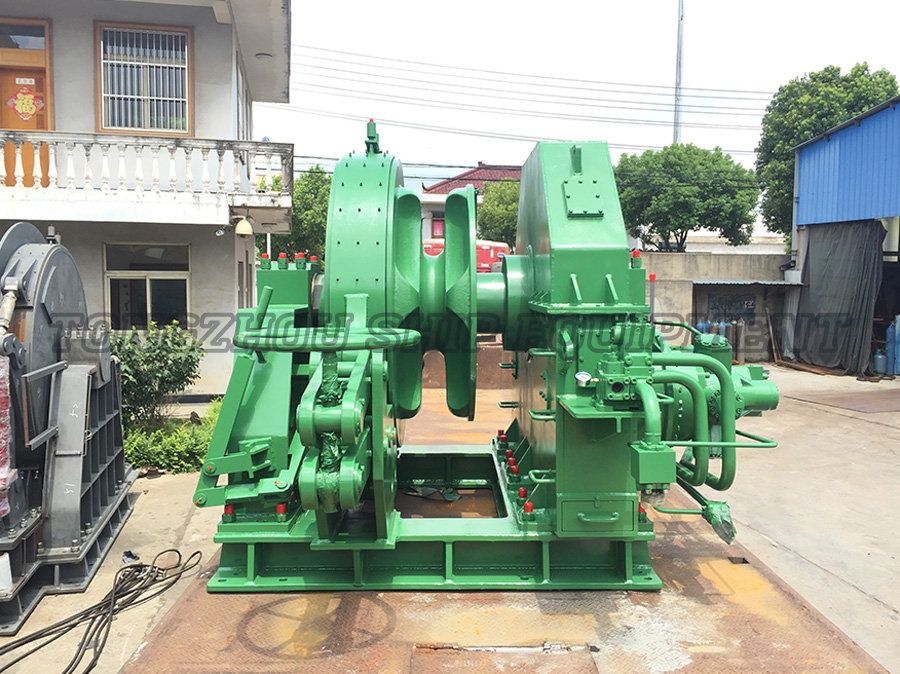
1. Vertical vs. Horizontal Windlass
This is the most fundamental design choice. The difference lies in the orientation of the motor shaft and the resulting deck footprint and installation requirements.
| Feature | Vertical Windlass | Horizontal Windlass |
| Motor Location | Below deck | On deck |
| Deck Profile | Very low (compact) | Higher profile |
| Chain Lead Angle | Vertical (over bow roller) | Horizontal (from hawse pipe) |
| Installation Complexity | Moderate (requires deck access) | Simpler (all topside) |
| Best Suited For | Sailboats, powerboats 30–60 ft | Powerboats, motor yachts |
| Typical Pull Capacity | 500–3,500 kg | 300–2,500 kg |
Table 1: Vertical vs. Horizontal Windlass — Key differences to guide your selection
2. Electric vs. Hydraulic Windlass
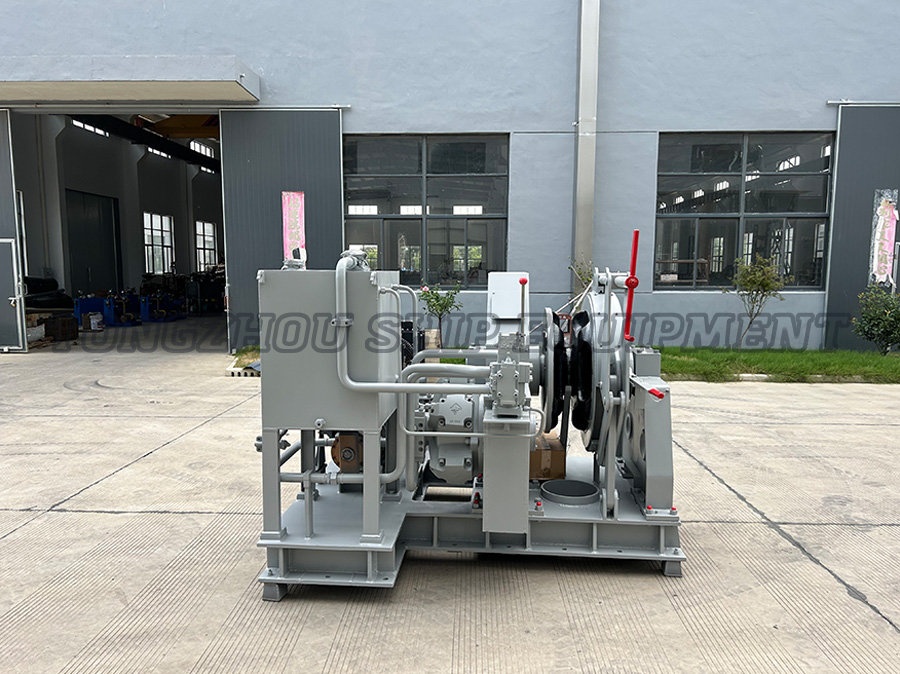
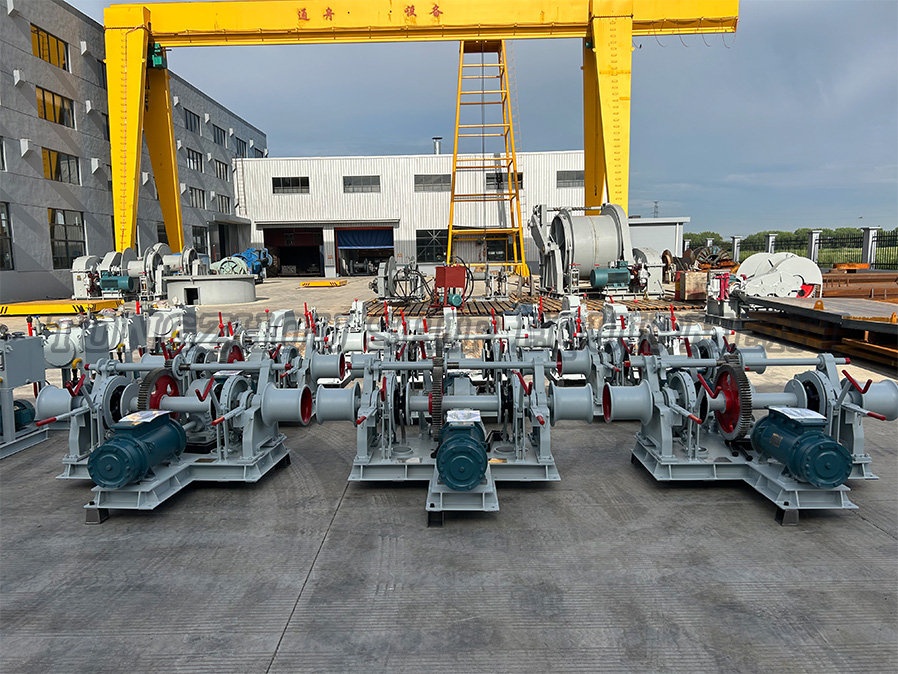
Electric windlasses dominate the recreational boating market because they are simpler to install and maintain. Hydraulic units are preferred for large commercial vessels or yachts over 20 meters because they offer sustained duty cycles without overheating.
- Electric windlass (12V/24V): Best for vessels up to ~18 meters. A 12V unit drawing 100A can pull roughly 500–800 kg. Upgrading to 24V doubles efficiency and is strongly recommended for boats over 12 meters.
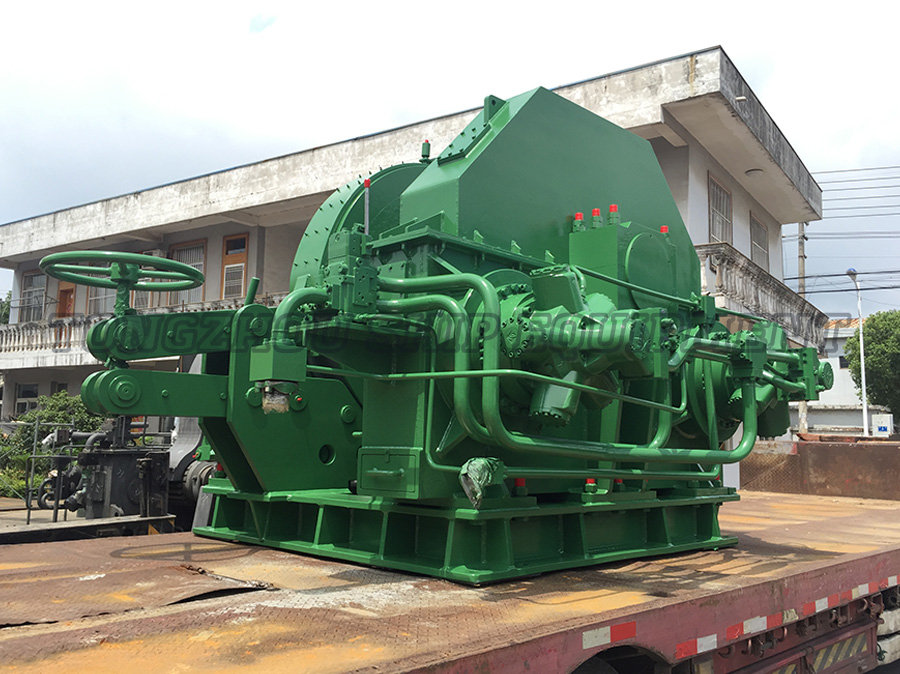
- Hydraulic windlass: Powered by the vessel's hydraulic system. Can run continuously without thermal cutout. Required for anchor systems over 2,500 kg working load. Common on large trawlers, expedition yachts, and commercial craft.
3. Manual Windlass
Manual or hand-operated windlasses are still used on small sailboats under 8 meters and as backup systems. They rely entirely on human effort — typically using a handle for the gypsy — and are practical only for anchors under 8 kg with short chain lengths. They cost significantly less (typically $150–$500) but provide no convenience benefit for larger vessels.
How to Size a Windlass Anchoring System Correctly
Correct sizing is the single most important factor in windlass selection. An undersized windlass will trip its thermal breaker, wear prematurely, and fail when you need it most — such as during a weather change requiring quick relocation.
Step 1 — Calculate Your Total Ground Tackle Weight
Add the weight of your anchor plus the entire chain rode you intend to retrieve. As an example:
- Anchor: 15 kg
- Chain: 40m × 1.6 kg/m (8mm G4 chain) = 64 kg
- Total ground tackle weight: 79 kg
Step 2 — Apply the 3× Safety Multiplier
Industry standard practice is to select a windlass with a working load capacity of at least 3 times the total ground tackle weight. This accounts for dynamic loading in surge conditions, mud suction on a well-set anchor, and system inefficiencies.
Example: 79 kg × 3 = 237 kg minimum working load → Select a windlass rated at 300 kg or above.
Step 3 — Match the Gypsy to Your Chain Size
Every windlass gypsy is machined for a specific chain diameter and grade. Using 8mm chain in a gypsy calibrated for 10mm chain will cause slipping, chain jumping, and potential catastrophic failure. Always match chain size precisely — this is non-negotiable.
| Vessel Length | Anchor Weight | Chain Size | Min. Windlass Capacity | Recommended Voltage |
| 8–10 m | 6–10 kg | 6 mm | 300 kg | 12V |
| 10–13 m | 10–16 kg | 8 mm | 500–700 kg | 12V or 24V |
| 13–16 m | 16–25 kg | 10 mm | 1,000–1,500 kg | 24V |
| 16–20 m | 25–40 kg | 12 mm | 1,500–2,500 kg | 24V |
| 20 m+ | 40 kg+ | 13–16 mm | 2,500 kg+ | Hydraulic |
Table 2: Windlass sizing reference by vessel length — values are general guidelines; always verify with your ground tackle calculations
Why Proper Installation of a Windlass Anchoring System Matters
Improper installation is the leading cause of windlass failure and represents a real safety risk at sea. A windlass that pulls free from the deck under load can damage the hull, injure crew, or leave you without anchoring capability in an emergency.
Deck Mounting and Backing Plate
Every windlass anchoring system must be mounted on a properly reinforced surface. For fiberglass decks, a marine-grade aluminum or stainless steel backing plate of at least 6 mm thickness should be installed below the deck. The plate distributes the load over a wider area, preventing the mounting bolts from pulling through the laminate.
Key installation requirements:
- Use grade 316 stainless steel hardware for all fasteners — never galvanized steel in a marine environment.
- Seal all deck penetrations with marine-grade polysulfide or polyurethane sealant to prevent water ingress.
- Ensure the chain lead angle between the bow roller and gypsy does not exceed 10–15 degrees to prevent chain jamming.
- The chain locker drop tube should align directly below the gypsy for clean chain self-stowing.
Electrical Wiring for Electric Windlass Systems
Electrical errors are responsible for the majority of windlass malfunctions and fire risks. Critical requirements include:
- Wire gauge: Use the correct AWG/mm² cable for your run length. A 12V windlass drawing 100A with a 6-meter cable run requires minimum 35mm² (2 AWG) cable. Undersized wiring causes voltage drop, heat buildup, and nuisance tripping.
- Circuit protection: Install an appropriately rated manual reset circuit breaker (not a fuse) as close to the battery as possible.
- Dedicated battery: For boats over 12 meters, consider a dedicated windlass battery wired directly to the system. This prevents anchor retrieval from draining the start battery.
- Solenoid relay: Always wire through a solenoid relay. Never run full windlass current through deck switches — they are low-current control switches only.
How to Maintain a Windlass Anchoring System for Long-Term Reliability
A well-maintained windlass anchoring system can last 15–25 years. Neglect leads to corrosion, seized clutches, worn gypsies, and motor failure — often at the worst possible moment.
Routine Maintenance Schedule
| Interval | Task |
| After every use | Rinse windlass thoroughly with fresh water to remove salt and sand |
| Monthly | Inspect clutch operation, check all fasteners for tightness, test foot switches |
| Every 6 months | Lubricate the gypsy shaft and drum bearings with waterproof marine grease |
| Annually | Full strip-down inspection, check motor brushes (if applicable), inspect wiring and connections for corrosion |
| Every 3–5 years | Replace seals and O-rings; inspect gypsy for wear and replace if chain fit is loose |
Table 3: Recommended windlass maintenance intervals to maximize service life
Pro tip: Never use WD-40 as a lubricant on windlass internals — it is a water displacer, not a long-term lubricant. Use a dedicated waterproof marine grease on all bearing surfaces and a corrosion-inhibiting spray (such as a PTFE-based product) on exposed metal surfaces.
What Features Should You Look for in a Modern Windlass Anchoring System?
Modern windlass anchoring systems have evolved significantly over the past decade. High-quality units now offer features that dramatically improve safety and convenience.
- Chain counter integration: Displays exactly how much chain has been deployed, allowing precise scope setting (typically 5:1 in normal conditions, 7:1 in strong winds). This is arguably the most useful operational feature after the basic raise/lower function.
- Auto-stop at zero: Automatically stops the motor when the anchor reaches the bow roller, preventing the chain from running through and potentially damaging the gypsy or windlass housing.
- Thermal overload protection: Automatically cuts power before the motor overheats during extended use. Essential for safety and motor longevity.
- Free-fall clutch: Allows rapid anchor deployment by disengaging the motor and letting the chain run free under gravity. Can deploy 30 meters of chain in under 10 seconds.
- NMEA 2000 / wireless remote compatibility: Premium units integrate with onboard electronics and can be operated from the helm or a handheld remote, enabling single-handed anchoring.
- Brushless motor: Newer brushless DC motors are significantly more efficient, quieter, and require far less maintenance than traditional brush motors, with typical service intervals extending from 2–3 years to 10+ years.
Frequently Asked Questions: Windlass Anchoring Systems
Q: Can a windlass be used as a mooring winch?
No. A windlass anchoring system is designed specifically for vertical or near-vertical chain loads. Using it to pull lateral mooring lines puts the motor, gypsy, and mounting under stress they are not designed for, risking damage and potential hull structural damage.
Q: How long can I run my electric windlass continuously?
Most electric windlasses are rated for intermittent duty — typically a maximum of 1–3 minutes under rated load before requiring a 5–10 minute cooling period. For retrieving long chain runs, operate in cycles: retrieve 10–15 meters, pause for 60 seconds, repeat. Check your specific unit's duty cycle specification; some heavy-duty models offer 5-minute continuous ratings.
Q: My windlass motor runs but the chain doesn't move — what's wrong?
The most common cause is a disengaged clutch. Check that the clutch/brake is fully locked in the "retrieve" or "deploy" position. If the clutch is engaged and the chain still slips, the gypsy may be worn and no longer properly gripping the chain links. Inspect for worn or deformed chain links that may prevent engagement with the gypsy sprocket.
Q: What is the correct scope when anchoring?
Scope is the ratio of anchor rode deployed to the depth of water (measured from the bow roller). Using all-chain rode, a minimum scope of 4:1 is required, with 5:1–7:1 recommended in normal conditions. In strong wind or storm conditions, extend to 7:1–10:1. For mixed chain-rope rode, use minimum 7:1. A chain counter on your windlass anchoring system makes maintaining correct scope precise and effortless.
Q: Can I use rope rode with a windlass designed for chain?
Most modern windlasses include both a gypsy (for chain) and a drum (for rope), or can be fitted with a combination gypsy that handles both. If your windlass only has a gypsy with no drum, it cannot reliably handle rope rode — the chain profile will not grip smooth rope correctly. Check your windlass model specifications before switching to a rope or combination rode.
Q: Is 12V or 24V better for my windlass?
For vessels under 10 meters with short chain runs, 12V is adequate. For boats over 12 meters, 24V is strongly recommended. At the same power output, a 24V system draws half the current of a 12V system, enabling use of smaller (less expensive) wiring, reducing voltage drop losses, and generating less heat. The efficiency improvement over long cable runs is substantial — on a 10-meter cable run at 100A, a 12V system loses approximately 2 volts, reducing motor performance by ~17%.
Q: How do I know when my windlass gypsy needs replacing?
Inspect the gypsy pockets (the recesses that engage with chain links). If the metal shows more than 10–15% wear (the pockets look rounded rather than sharply defined), or if the chain slips or skips during operation, the gypsy requires replacement. A worn gypsy not only reduces performance but can cause uncontrolled chain release — a serious safety hazard.
Why Investing in the Right Windlass Anchoring System Pays for Itself
A properly specified, installed, and maintained windlass anchoring system transforms anchoring from one of the most demanding tasks on a vessel into a straightforward, one-person operation. More importantly, it dramatically reduces the physical fatigue and risk associated with anchor handling in poor conditions.
The investment ranges from approximately $400–$700 for a basic 12V unit suitable for a small sailboat, to $1,500–$4,000 for a quality mid-range system for a 12–15 meter cruiser, to $6,000–$15,000+ for large yacht and commercial-grade hydraulic systems. When amortized over a 15–20 year service life, the cost per year is modest relative to the safety and convenience delivered.
The key takeaways for selecting your system:
- Calculate ground tackle weight first; apply the 3× multiplier to determine minimum windlass capacity.
- Match the gypsy precisely to your chain size and grade — never mix.
- Choose 24V for any vessel over 12 meters to maximize efficiency and reduce wiring costs.
- Invest in professional installation or follow manufacturer guidelines precisely, paying special attention to backing plates and wiring.
- Commit to regular maintenance — a rinsed, greased, and inspected windlass will outlast one that is ignored by a decade or more.
Whether you are a weekend sailor, a liveaboard cruiser, or a commercial operator, the right windlass anchoring system is one of the most impactful upgrades you can make to your vessel's safety, capability, and ease of operation.