English
  عربى
عربى  中文简体
中文简体 


The best anchor winch for small boats is one that matches your boat's displacement, deck layout, and anchoring depth — for most vessels under 7 meters (23 feet), a 12V electric windlass with 700 to 1,000 watts of motor power, a working load of 150 to 250 kg, and built-in chain/rope compatibility is the correct starting point. Manual anchor winches remain a viable, cost-effective option for very small boats and occasional users, but the physical effort of hand-retrieving a 7 kg anchor with 30 meters of chain from 8 meters of water convinces most small-boat owners to upgrade to electric within a season or two. This guide covers every type, specification, installation consideration, and maintenance requirement so you can make an informed decision before spending a dollar.
Content
- Why Small Boat Owners Are Switching to Anchor Winches
- What Are the Main Types of Anchor Winches for Small Boats?
- Anchor Winch for Small Boats: Complete Type Comparison
- How to Read Anchor Winch Specifications: What the Numbers Actually Mean
- How to Size an Anchor Winch for Your Small Boat
- How to Install an Anchor Winch on a Small Boat: Step by Step
- Manual vs Electric Anchor Winch for Small Boats: Which Is Worth the Investment?
- How to Maintain an Anchor Winch on a Small Boat
- Frequently Asked Questions About Anchor Winches for Small Boats
- Can I install an anchor winch on a small aluminum or fiberglass boat without professional help?
- What happens if my anchor winch fails while the anchor is deployed?
- How much battery capacity does an anchor winch consume on a small boat?
- What IP rating should an anchor winch for a small boat have?
- Should the anchor winch be used to hold the boat against a strong current?
- How do I know if my anchor winch gypsy is worn out?
- Conclusion: Choosing and Installing the Right Anchor Winch for Your Small Boat
Why Small Boat Owners Are Switching to Anchor Winches
Retrieving a heavy anchor and chain by hand is one of the most physically demanding and dangerous tasks in recreational boating — an anchor winch eliminates that effort entirely while dramatically improving the speed and safety of anchoring operations.
Consider a typical scenario: a 6-meter center-console boat anchored in 6 meters of water with a 7 kg plow anchor and 30 meters of 8mm galvanized chain. The total weight of the anchor ground tackle at maximum scope is approximately 16 to 22 kg of dead weight, plus the drag of pulling chain up through the water column. Hauling this by hand while the boat drifts, the engine idles, and waves move the bow is exhausting — and potentially dangerous if a crew member loses grip or trips on deck.
An electric anchor winch for small boats handles the entire retrieval process with the press of a button, typically at a line speed of 20 to 40 meters per minute. The practical benefits extend well beyond convenience:
- Safety: Hands stay away from running chain and moving parts. A controlled, steady retrieval rate prevents chain pile-ups on deck that create trip hazards.
- Solo boating capability: A single-handed operator can anchor and retrieve without leaving the helm, using a remote foot switch or wireless remote. This is transformative for solo fishermen and cruisers.
- Consistent scope control: Paying out exactly the right amount of rode (the anchor line plus chain) is easier when the winch controls the rate of deployment, reducing the risk of under-scoping in strong currents.
- Reduced anchor damage: Controlled lowering prevents the anchor from free-falling and bending flukes or damaging the seabed environment.
- Resale value: Boats equipped with a working electric windlass command measurably higher resale prices — industry data suggests a 3 to 7% premium for small vessels in the 5 to 9 meter range.
What Are the Main Types of Anchor Winches for Small Boats?
Anchor winches for small boats fall into four categories — manual hand winches, 12V electric horizontal windlasses, 12V electric vertical windlasses, and hydraulic windlasses — with each type suited to a specific boat size, budget range, and usage intensity.
Type 1: Manual Hand Anchor Winch
A manual hand winch is the right choice for very small boats under 4.5 meters or for occasional light-duty anchoring where the anchor weighs under 4 kg and chain length is under 15 meters. These units use a hand crank with a gear reduction mechanism that multiplies the operator's input force by a factor of 3 to 8:1, making anchor retrieval physically manageable. They require no electrical system, no wiring, and no maintenance beyond rinsing with fresh water. However, they are still physically demanding for heavier ground tackle and offer no remote-operation capability. Price range: USD 60–200.
Type 2: 12V Electric Horizontal Windlass
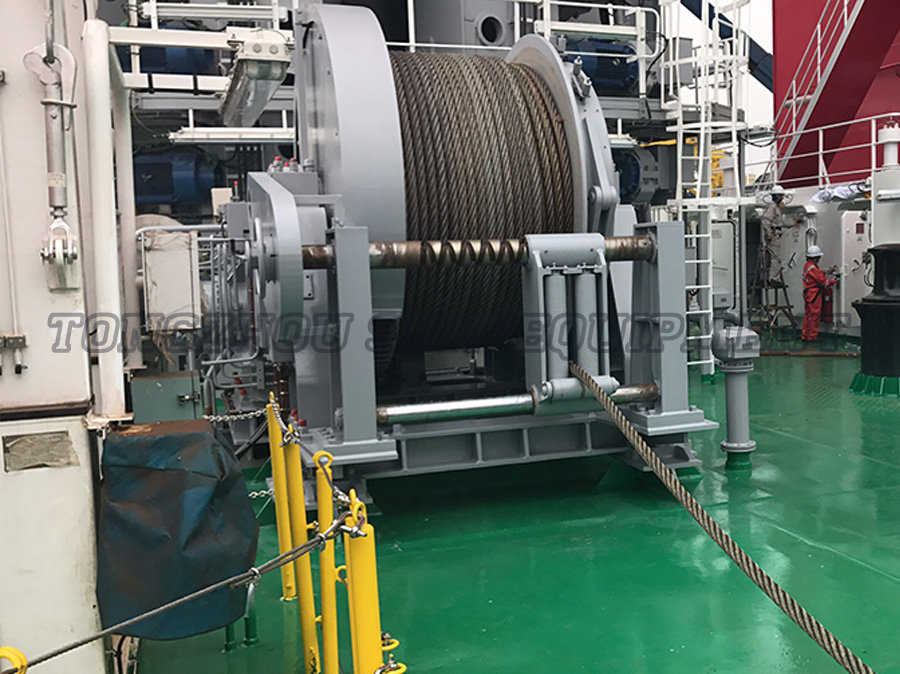
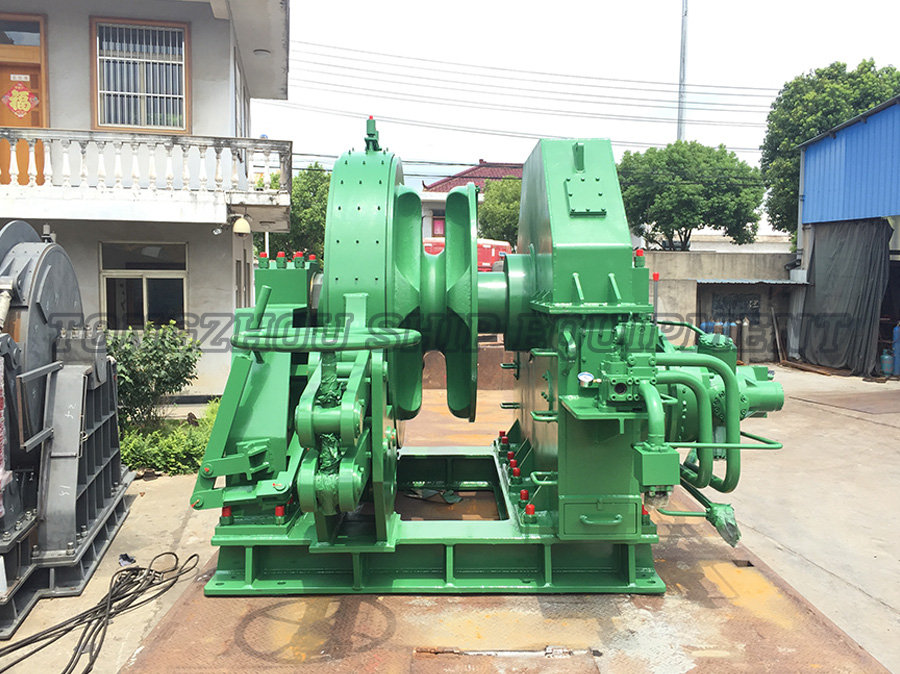
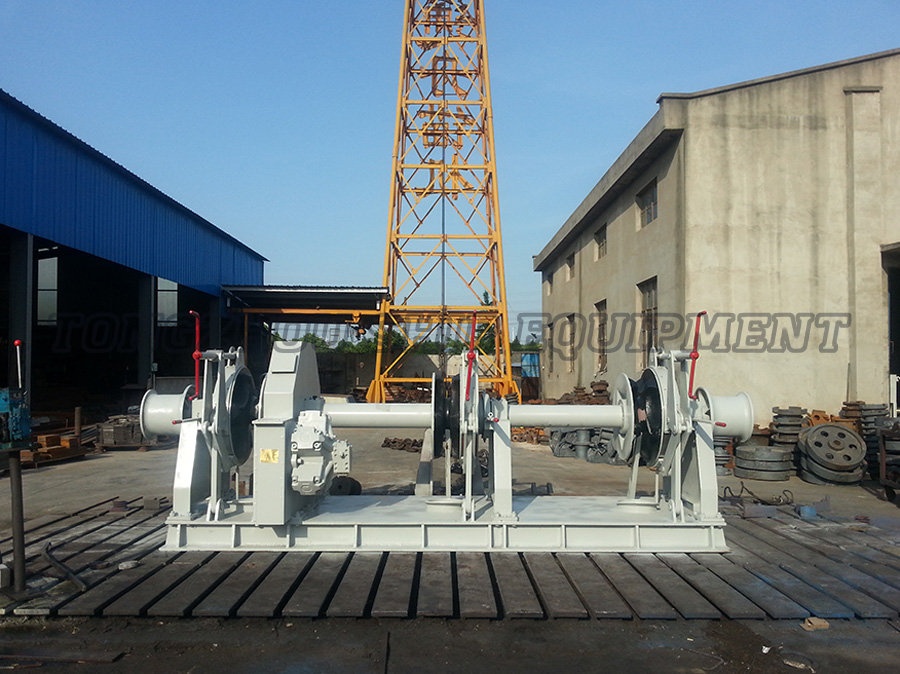
A 12V horizontal electric windlass is the most popular anchor winch for small boats in the 4.5 to 8 meter range because its low-profile design minimizes deck clutter and it handles both rope and chain combinations effectively. In a horizontal windlass, the drum and gypsy (chain wheel) rotate on a horizontal axis. The motor and gearbox are mounted below deck, leaving only a slim head unit exposed on the bow. This configuration suits fiberglass runabouts, center-console boats, and small cruising sailboats particularly well. Typical specifications: 700–1,200W motor, 150–300 kg working load, 25–40 m/min line speed. Price range: USD 280–800.
Type 3: 12V Electric Vertical Windlass
A 12V vertical windlass mounts entirely above deck with the motor shaft running vertically, making it easier to install on boats with limited under-deck access — a critical advantage for aluminum tinnies, inflatables with rigid floors, and center-console boats with sealed bow compartments. The vertical design typically offers a larger, more powerful gypsy than horizontal equivalents in the same price bracket, handling heavier chain sizes (10–12mm) and larger anchors (8–15 kg) more reliably. Typical specifications: 800–1,500W motor, 200–400 kg working load. Price range: USD 350–1,200.
Type 4: Hydraulic Windlass
Hydraulic anchor winches are rated for continuous-duty operation under extreme loads and are the correct choice for larger small boats (8+ meters) in demanding offshore or commercial environments — but they are significant overkill for typical recreational use under 7 meters. Powered by the boat's existing hydraulic pump (typically the steering system), they can generate enormous pulling forces of 500 kg to several tonnes continuously without motor overheating. The installation complexity and cost (USD 1,500–5,000+) make hydraulic systems impractical for most small-boat applications.
Anchor Winch for Small Boats: Complete Type Comparison
Comparing all four anchor winch types side by side reveals that the 12V electric horizontal windlass delivers the best balance of performance, installation simplicity, and price for the vast majority of small recreational boats.
| Winch Type | Working Load | Power Source | Boat Size Suited | Installation Difficulty | Price Range (USD) |
| Manual hand winch | Up to 80 kg | Human effort | Under 4.5 m | Very easy | 60 – 200 |
| 12V Horizontal electric | 150 – 300 kg | 12V DC battery | 4.5 – 8 m | Moderate | 280 – 800 |
| 12V Vertical electric | 200 – 400 kg | 12V DC battery | 5 – 9 m | Easy to Moderate | 350 – 1,200 |
| Hydraulic windlass | 500 kg+ | Hydraulic pump | 8 m and above | Complex | 1,500 – 5,000+ |
Table 1: Comparison of the four main anchor winch types for small boats by working load, power source, suitable boat size, installation complexity, and price range.
How to Read Anchor Winch Specifications: What the Numbers Actually Mean
Working load rating, motor wattage, line speed, and chain/rope compatibility are the four specifications that determine whether an anchor winch will perform reliably on your specific boat — and all four are routinely misunderstood by first-time buyers.
Working Load Rating
The working load (also called rated pull or maximum pull) is the maximum continuous force the winch can exert in kilograms or pounds. For an anchor winch for a small boat, the working load should be at least 3 times the total weight of the anchor plus chain at maximum deployment. For a 7 kg anchor with 30 meters of 8mm chain (approximately 10 kg of chain), the total ground tackle weight is 17 kg — requiring a working load of at least 51 kg. In practice, always choose a winch rated for at least 5 to 7 times the ground tackle weight to account for suction in soft mud, current loads, and component longevity. A 150–200 kg rated winch is the practical minimum for that example.
Motor Wattage and Current Draw
Motor wattage directly determines pulling power and heat tolerance under sustained use — and the current draw at peak load (typically 80–150 amps for a 700–1,200W motor at 12V) determines the wire gauge and circuit breaker sizing required for installation. A 1,000W motor running at 12V draws approximately 83 amps under rated load. Under stall conditions (anchor stuck in mud), current draw can spike to 180–250 amps for brief periods. This is why windlass wiring must use marine-grade tinned copper cable rated well above continuous operating current: typically 35–50mm² cable runs for most small-boat installations, with a 150-amp waterproof circuit breaker inline.
Line Speed
Line speed is measured in meters per minute and describes how quickly the winch retrieves the anchor rode at rated load. A speed of 20 m/min at rated load means retrieving 30 meters of chain from 10 meters of depth takes approximately 90 seconds under normal conditions. Faster is not always better: very high line speeds (50+ m/min) can cause chain to pile up in the locker before it settles properly, leading to jams on the next deployment. For small boats, 20 to 35 m/min at rated load is the practical optimum.
Chain and Rope Compatibility
Every anchor winch gypsy (chain wheel) is machined to fit a specific chain grade and size — installing the wrong chain in a gypsy designed for a different pitch causes skipping, jamming, and accelerated wear on both the chain and gypsy. Common small-boat chain sizes are 6mm, 8mm, and 10mm. The windlass specification must match your chain exactly. Most small-boat windlasses accept combination rode (rope plus a short leader of chain), but verify that the drum is designed for both rope and chain rather than chain-only, as some gypsies lack a smooth drum section for rope.
How to Size an Anchor Winch for Your Small Boat
Boat length and displacement are the primary inputs for sizing an anchor winch — under-sizing causes motor burnout and gear failure within a season, while over-sizing wastes money and adds unnecessary weight to the bow.
| Boat Length | Approx. Displacement | Anchor Weight | Chain Size | Min. Winch Working Load | Recommended Motor |
| Under 4.5 m (15 ft) | Under 500 kg | 2 – 4 kg | 5 – 6 mm | 80 – 120 kg | Manual or 500W electric |
| 4.5 – 6 m (15–20 ft) | 500 – 1,500 kg | 4 – 7 kg | 6 – 8 mm | 150 – 200 kg | 700 – 900W electric |
| 6 – 7.5 m (20–25 ft) | 1,500 – 3,000 kg | 7 – 10 kg | 8 – 10 mm | 200 – 300 kg | 900 – 1,200W electric |
| 7.5 – 9 m (25–30 ft) | 3,000 – 6,000 kg | 10 – 15 kg | 10 – 12 mm | 300 – 450 kg | 1,200 – 1,800W electric |
Table 2: Anchor winch sizing guide for small boats by boat length, displacement, anchor and chain size, minimum working load rating, and recommended motor wattage.
How to Install an Anchor Winch on a Small Boat: Step by Step
Installing an electric anchor winch on a small boat is a manageable DIY project for anyone comfortable with basic marine electrical work — the three critical elements are correct mounting position, properly sized wiring, and a dedicated circuit breaker sized to the motor's peak draw.
Step 1: Choose the Mounting Position
Mount the windlass as close to the bow as practical while ensuring the chain falls cleanly into the anchor locker below. The ideal position aligns the chain pipe (hawse pipe) directly below the gypsy so retrieved chain drops straight down without piling or jamming. Allow clearance on both sides of the unit for maintenance access. Avoid mounting where standing water pools — even IP67-rated windlasses benefit from drainage around the base.
Step 2: Reinforce the Mounting Surface
The mounting surface must be reinforced with a backing plate to distribute the enormous loads the windlass transmits to the deck — an unbacked fiberglass deck will crack or delaminate under the stress of retrieving a stuck anchor. For fiberglass decks, a 6–10mm aluminum or stainless steel backing plate at least twice the footprint of the windlass base is standard. Coat all bolt holes with epoxy resin before insertion to seal the laminate against water ingress.
Step 3: Run the Correct Wiring
Run dedicated positive and negative cables directly from the battery (or battery bank) to the windlass — never tap into the boat's existing distribution panel, as the windlass current demands will cause voltage drop and fuse failures. For a 1,000W windlass drawing 83 amps continuously and up to 180 amps at stall, use a minimum of 35mm² marine-grade tinned copper cable for cable runs under 3 meters, and 50mm² for runs of 3 to 6 meters. Each additional meter of cable introduces approximately 0.015V of voltage drop per 10 amps of current — excessive voltage drop at the motor terminals reduces pulling power and causes overheating.
Step 4: Install the Circuit Breaker
Install a waterproof manual reset circuit breaker as close to the battery as possible — within 300mm of the battery terminal is the marine-industry standard (ABYC E-11). Size the breaker to the motor's maximum rated draw, not the continuous draw: a 1,000W motor with a stall current of 180 amps requires at minimum a 150-amp circuit breaker (breakers are typically not sized to stall current, as stall events are brief). A manual-reset breaker serves dual purpose as an isolation switch for maintenance and theft deterrence.
Step 5: Install the Control Switch and Optional Accessories
Most small boat anchor winches include a control panel with up/down buttons wired via a low-current control circuit. Install the panel at the helm where it is visible and reachable. Additionally consider: a deck-mounted foot switch on the bow for hands-free operation during anchoring, a wireless remote for solo operation from any position on the boat, and a rode counter that measures deployed chain length electronically — an invaluable safety feature that prevents over- or under-scoping.
Manual vs Electric Anchor Winch for Small Boats: Which Is Worth the Investment?
The break-even point between a manual and electric anchor winch is approximately 30 to 50 anchoring operations — most small boat owners exceed this within a single season, making the electric option the better long-term value in almost every case.
| Feature | Manual Hand Winch | 12V Electric Windlass |
| Purchase cost | USD 60 – 200 | USD 280 – 1,200 |
| Physical effort per use | High (especially for heavy tackle) | Minimal (button press) |
| Solo operation | Difficult (leaves helm unattended) | Excellent (foot switch or remote) |
| Retrieval time (30m chain) | 4 – 8 minutes | 60 – 90 seconds |
| Electrical installation required | None | Yes (dedicated circuit) |
| Maintenance requirements | Minimal (rinse, grease gears annually) | Low (rinse, check terminals, annual service) |
| Maximum anchor/chain weight | Up to 8 kg anchor | Up to 15+ kg anchor |
| Boat resale value impact | Minimal | Positive (3 – 7% premium) |
| Best suited to | Occasional use, very small boats, low budget | Regular use, solo boating, comfort focus |
Table 3: Side-by-side comparison of manual hand winch vs 12V electric windlass for small boats across cost, effort, speed, installation, and suitability factors.
How to Maintain an Anchor Winch on a Small Boat
An anchor winch operating in a saltwater marine environment requires fresh water rinsing after every use and an annual service to remain reliable — neglecting this maintenance schedule is the primary cause of premature windlass failure.
- After every use — fresh water rinse: Flush the gypsy, drum, and all external surfaces with fresh water immediately after saltwater use. Salt crystallization in the gypsy grooves accelerates chain wear and corrodes the alloy housing. A 30-second rinse with a deck hose extends component life significantly.
- Monthly — electrical connection check: Inspect all terminal connections at the motor, junction box, and control panel for green corrosion (verdigris). Clean corroded terminals with a wire brush and apply marine-grade corrosion inhibitor spray. Loose or corroded terminals are responsible for the majority of windlass electrical failures.
- Annually — gypsy and drum lubrication: Remove the gypsy and drum according to the manufacturer's instructions. Clean all mating surfaces, inspect for wear on the gypsy pockets (the recesses that engage chain links), and apply waterproof marine grease to the shaft and any exposed gear surfaces. Replace the gypsy if pocket depth has worn by more than 20%.
- Annually — motor brush inspection (brushed motors): Brushed DC motors have carbon brushes that wear with use. Most manufacturers specify replacement at 50% brush wear. On boats used weekly throughout a season, plan for brush inspection every 2 to 3 years and replacement every 4 to 6 years under normal use.
- Before storage — full dry-out and corrosion protection: Before winter lay-up, remove the gypsy, dry all components thoroughly, and apply a light coat of corrosion-inhibiting oil to metal surfaces. If the boat is stored outdoors, cover the windlass with a fitted UV-resistant canvas cover to protect seals and plastic components from sun degradation.
Frequently Asked Questions About Anchor Winches for Small Boats
Can I install an anchor winch on a small aluminum or fiberglass boat without professional help?
Yes, for most DIY-capable boat owners. The mechanical installation — mounting the winch and running the hawse pipe — requires basic drilling and sealing skills. The electrical work requires confidence with 12V marine wiring, an understanding of cable sizing, and familiarity with circuit protection requirements. If you are uncomfortable running high-current DC wiring or calculating voltage drop, having a marine electrician complete the electrical portion while you handle the mechanical installation is a practical and cost-effective compromise.
What happens if my anchor winch fails while the anchor is deployed?
Always carry a backup retrieval method. Most electric windlasses include a manual override handle that fits into a socket on the motor shaft, allowing hand-cranking in an emergency. Confirm that your unit includes this feature before purchasing and practice using it before you actually need it. Additionally, always carry a boat hook and gloves for emergency manual chain hauling if both the motor and override fail simultaneously — an uncommon but not impossible scenario.
How much battery capacity does an anchor winch consume on a small boat?
A typical retrieval cycle of 30 meters at rated load takes approximately 90 seconds and draws around 80–100 amps during that time. The total charge consumed per retrieval cycle is roughly 80 amps x (1.5 minutes / 60) = 2 amp-hours (Ah) per retrieval. On a 100Ah house battery, this is a 2% discharge per anchoring cycle — negligible impact for occasional use. However, boats that anchor and retrieve 5 to 10 times per day (typical for fishing or island-hopping) consume 10–20Ah per day from the windlass alone, which is significant for small boats without charging systems running continuously.
What IP rating should an anchor winch for a small boat have?
For open-deck installation on a small recreational boat in any saltwater or exposed freshwater environment, a minimum IP67 rating (dustproof and immersion-proof to 1 meter for 30 minutes) is the industry standard for quality windlasses. IP56 (dust-protected and wave-splash resistant) is acceptable for sheltered freshwater-only applications. Avoid any windlass rated below IP56 for deck installation — the marine environment is far more corrosive and moisture-laden than the IP rating tests simulate.
Should the anchor winch be used to hold the boat against a strong current?
No. The anchor winch is designed for retrieval and deployment — not for holding loads. Once the anchor is set and the correct scope of rode is deployed, the load of holding the boat should be transferred entirely to a bow cleat or samson post via a snubber line. Running the winch motor continuously against a holding load will overheat and burn out the motor within minutes. The windlass motor duty cycle for small-boat units is typically rated for 60 seconds of continuous operation, not sustained holding load.
How do I know if my anchor winch gypsy is worn out?
The clearest sign of gypsy wear is chain skipping during retrieval — the chain fails to engage properly in the gypsy pockets and slips or jumps rather than feeding smoothly. Visually, worn gypsy pockets will show visible rounding or flattening of the pocket edges rather than sharp, defined recesses. If chain skipping begins, stop using the windlass under load immediately — a slipping chain under tension can snap free suddenly and cause serious injury. Replace the gypsy (a relatively inexpensive spare part for most windlass models) before the next anchoring trip.
Conclusion: Choosing and Installing the Right Anchor Winch for Your Small Boat
The right anchor winch for a small boat is one that is correctly sized for the ground tackle, properly installed with appropriately rated wiring and circuit protection, and maintained with regular rinsing and annual servicing — these three factors determine whether your windlass lasts two seasons or two decades.
For boats between 4.5 and 7.5 meters, a 12V electric horizontal or vertical windlass rated at 150 to 300 kg working load, powered by a 700 to 1,200W motor, and wired with 35–50mm² marine-grade cable on a dedicated circuit represents the practical sweet spot of performance, cost, and installation simplicity. Manual winches remain appropriate for very small boats or extreme budget constraints, but the speed, safety, and solo-operation advantages of electric drive make the upgrade worthwhile within the first season for most users.
Installing an anchor winch on a small boat is one of the most impactful upgrades available in terms of day-to-day enjoyment and onboard safety. Once you have operated a reliable electric windlass through a season of anchoring, returning to manual retrieval feels as inconceivable as returning to hand-cranking a starter engine. Choose the right unit for your boat's size, install it correctly, and maintain it consistently — and it will serve you reliably for a decade or more of coastal adventure.