English
  عربى
عربى  中文简体
中文简体 
News
 HOME / NEWS / Industry News / What Is an Anchor Windlass? A Complete Guide to Types, Functions & Selection
 What Is an Anchor Windlass? A Complete Guide to Types, Functions & Selection
 2026.04.02
 Industry News
An anchor windlass is a mechanical or electro-mechanical device installed on a vessel's deck that is used to lower (deploy) and raise (retrieve) the anchor and its chain or rope. It provides the mechanical advantage necessary to handle heavy ground tackle that would otherwise be impossible or dangerous to manage by hand, especially on larger boats. The windlass is a critical piece of marine equipment that directly affects anchoring safety, efficiency, and crew wellbeing.
Whether you are outfitting a small sailboat, a mid-size cruiser, or a large commercial vessel, understanding how an anchor windlass works — and choosing the right one — is essential seamanship knowledge.
Content
- How Does an Anchor Windlass Work?
- Key Components of an Anchor Windlass
- Types of Anchor Windlass
- Anchor Windlass Type Comparison
- Why Do You Need an Anchor Windlass?
- How to Choose the Right Anchor Windlass
- Anchor Windlass Installation: Key Considerations
- Anchor Windlass Maintenance Guide
- Anchor Windlass vs Capstan: What Is the Difference?
- Anchor Windlass Safety Tips
- Frequently Asked Questions (FAQ)
- Conclusion
How Does an Anchor Windlass Work?
The fundamental principle behind any anchor windlass is mechanical advantage. A motor (electric, hydraulic, or manual) drives a rotating drum or gypsy (also called a wildcat) that grips the anchor chain or rope and moves it in the desired direction.
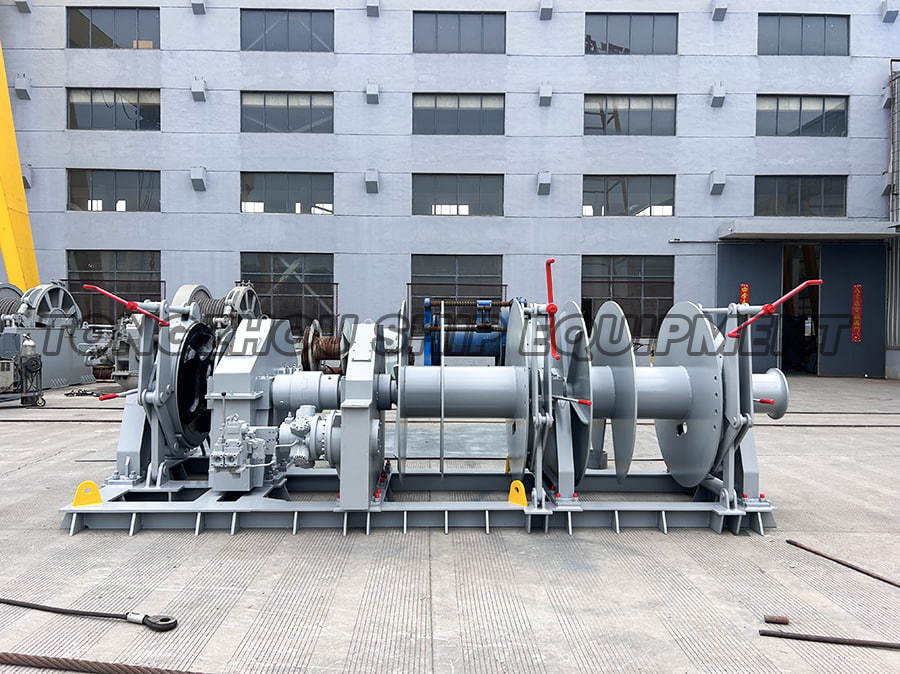
The gypsy is a special sprocket-like wheel with pockets machined to fit a specific chain size. When the motor turns the gypsy, the chain links engage and are either fed down through the hawse pipe into the sea or hauled back up and stowed in the anchor locker. A separate smooth drum, called the capstan drum or warping drum, is often present on the same unit for handling dock lines or other running rigging.
Modern windlasses incorporate a chain stopper or clutch mechanism that locks the chain securely when at anchor, preventing the load from falling back on the motor. This is a crucial safety feature that protects the windlass from shock loads.
Key Components of an Anchor Windlass
Understanding the parts of a windlass anchor system helps you operate and maintain it correctly:
| Component | Function |
| Gypsy / Wildcat | Sprocket wheel that grips and moves the anchor chain |
| Capstan / Warping Drum | Smooth drum for handling rope, dock lines, or halyards |
| Motor | Electric or hydraulic power source driving the gypsy |
| Clutch / Brake | Locks or releases the chain; prevents drift when anchored |
| Hawse Pipe | Deck fitting that guides chain down to anchor locker |
| Chain Counter | Measures how much chain has been deployed or retrieved |
| Control Panel / Foot Switches | Operator interface to control up/down movement |
Types of Anchor Windlass
Anchor windlasses come in several distinct types, each suited to different vessel sizes, budgets, and operational requirements. The four main categories are:
1. Horizontal Anchor Windlass
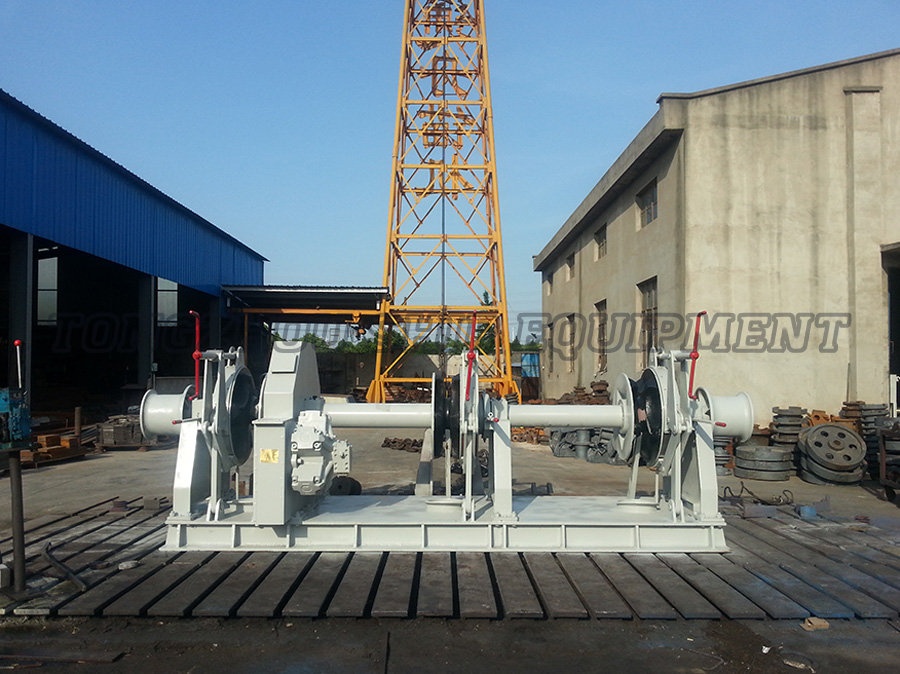
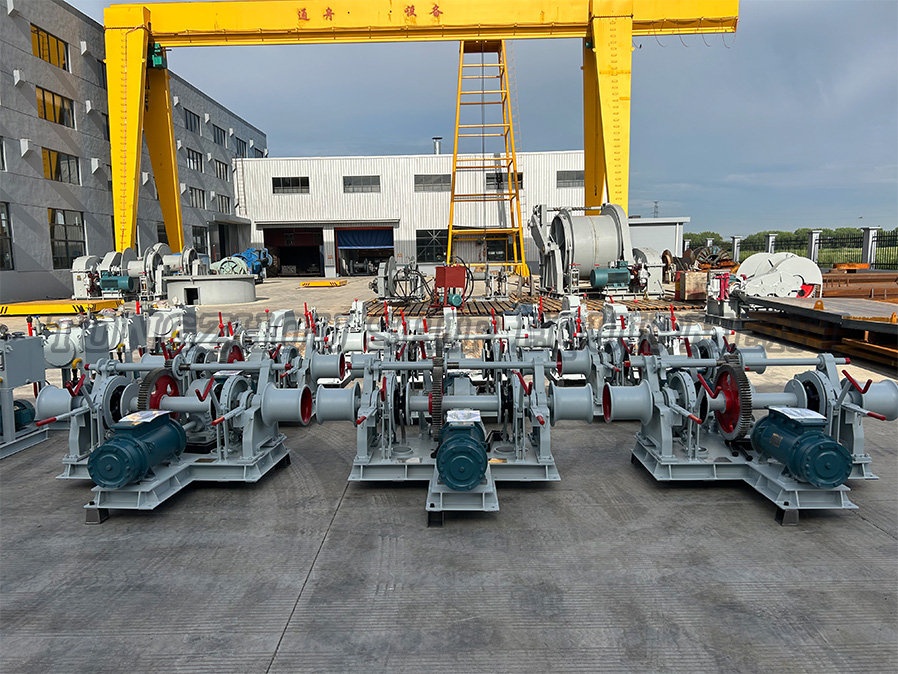
In a horizontal windlass, the drum and gypsy rotate on a horizontal axis. The motor is typically housed below deck, making the topside profile very low and clean. Horizontal models are popular on sailboats and power cruisers where deck aesthetics and bow cleanliness matter. They generally have excellent pulling power and are simple to operate, with the chain running horizontally across the gypsy before dropping down the hawse pipe.
2. Vertical Anchor Windlass (Capstan Style)
A vertical windlass has its gypsy or capstan rotating on a vertical axis, similar to a traditional capstan. Most of the mechanism is installed below deck, with only the drum visible topside. This design requires a larger opening in the deck but frees up considerable horizontal deck space. Vertical windlasses are favored on powerboats with limited bow space and on commercial vessels. Chain can feed more freely, reducing jamming risk.
3. Electric Anchor Windlass
The most common type on recreational vessels today, an electric anchor windlass runs on 12V or 24V DC power from the boat's battery bank. It is activated by deck-mounted foot switches, a remote control panel, or even wireless remote. Electric windlasses are easy to install, relatively affordable, and sufficient for most pleasure boats up to around 50–60 feet. Their main limitation is high current draw — a typical unit can pull 80–150 amps — which demands a healthy battery and appropriately sized wiring.
4. Hydraulic Anchor Windlass
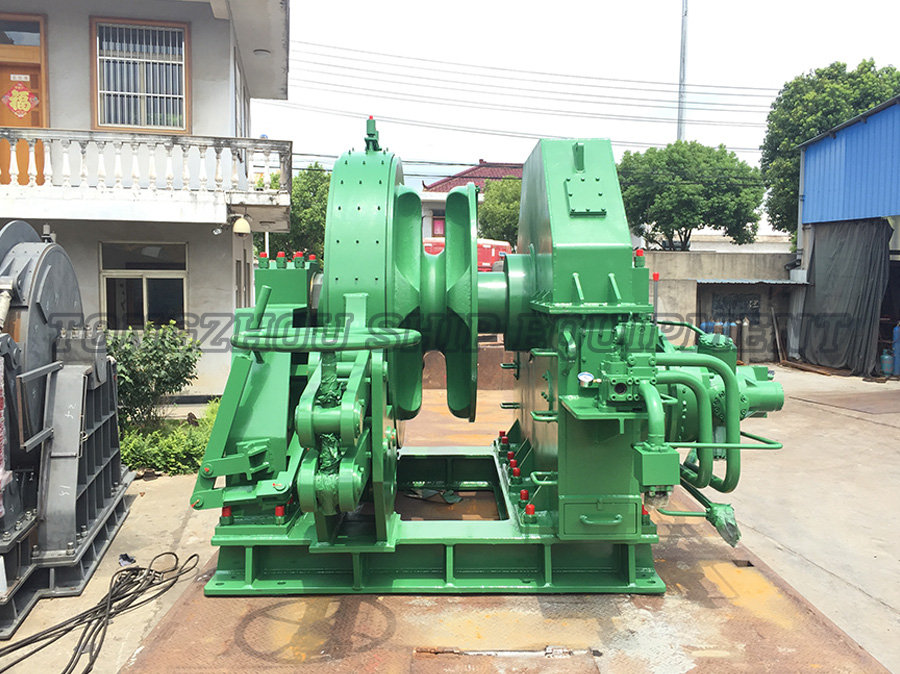
A hydraulic windlass is powered by the vessel's hydraulic system, typically driven by an engine-mounted pump. Hydraulic units produce enormous, sustained pulling power — making them the standard choice for large yachts, commercial ships, and working vessels. They can be operated continuously without overheating, unlike electric models. However, installation is more complex and costly, and they depend on the engine running.
5. Manual Anchor Windlass
A manual windlass uses human effort applied through a handle or lever to rotate the gypsy. It requires no power source and is simple and reliable, making it a good backup system or choice for very small vessels. However, hauling a 15 kg anchor plus 40 meters of chain by hand is exhausting work — manual windlasses are practical only for small, light ground tackle.
Anchor Windlass Type Comparison
| Type | Power Source | Best For | Pros | Cons |
| Horizontal Electric | 12V / 24V DC | Sailboats, mid-size cruisers | Low profile, easy install | High current draw |
| Vertical Electric | 12V / 24V DC | Powerboats, narrow bows | Saves deck space, less jamming | Requires large deck cut-out |
| Hydraulic | Engine hydraulic pump | Large yachts, commercial | Massive power, continuous use | Complex, needs engine running |
| Manual | Human effort | Small boats, daysailers | No power needed, reliable | Physically demanding |
Why Do You Need an Anchor Windlass?
Many boaters, especially those new to cruising, underestimate just how physically demanding anchoring can be without a windlass. Consider a typical scenario: a 45-foot cruising yacht carrying a 20 kg anchor with 60 meters of 10mm chain. The total ground tackle weight can exceed 80–100 kg. Hauling that by hand in any sea state is not just exhausting — it is genuinely dangerous. A windlass addresses this in multiple ways:
- Safety: Eliminates the risk of back injuries and crew overboard incidents during manual hauling.
- Speed: A quality windlass retrieves chain at 20–40 meters per minute, far faster than any human.
- Consistency: The windlass applies steady, controlled tension, reducing the risk of dragging or damaging the seabed.
- Solo sailing: Allows single-handed sailors to anchor safely without needing a second person on the bow.
- Emergency retrieval: In urgent situations (weather change, dragging anchor), a windlass lets you recover tackle quickly.
How to Choose the Right Anchor Windlass
Selecting the correct anchor windlass for your vessel involves several critical parameters. Getting these wrong can result in an undersized unit that fails in demanding conditions.
1. Rated Pull / Working Load
The most important specification is rated pull, measured in kilograms (kg) or pounds (lbs). A common rule of thumb is to select a windlass with a rated pull of at least three times the total weight of your ground tackle (anchor + chain + rope). This safety margin accounts for the additional load imposed by current, wind, and wave action when breaking out a well-set anchor.
For example, if your anchor and chain weigh 30 kg combined, you need a windlass rated for at least 90 kg of working load.
2. Chain Size and Type Compatibility
The gypsy must be matched exactly to your chain's diameter and link profile. Common sizes include 6mm, 8mm, 10mm, and 13mm chain. A gypsy designed for 8mm chain will not work properly with 10mm chain — the links will jam or slip. If you use a combination of rope and chain (rope rode), you also need a windlass with a suitable rope drum or capstan.
3. Voltage and Power Supply
For electric windlasses, match the unit's voltage to your vessel's electrical system — typically 12V for smaller boats and 24V for larger vessels where longer cable runs would cause excessive voltage drop on a 12V system. Always check the maximum amp draw and size your wiring and circuit breaker accordingly. Undersized wiring is a common cause of windlass failures and potential fires.
4. Deck Orientation and Space
Measure your available deck space carefully. A horizontal windlass needs more fore-and-aft deck space but a smaller through-deck hole. A vertical windlass requires a larger deck opening but occupies less horizontal footprint. Consider also the position of bow cleats, forestay chainplate, and anchor roller when planning your installation.
5. Material and Corrosion Resistance
Marine windlasses must resist the harshest environment on earth. Look for units with 316-grade stainless steel or powder-coated aluminum housings. Internal components should be sealed against water ingress. IP rating (Ingress Protection) indicates how waterproof the unit is — a minimum of IP56 is recommended for any windlass that will be exposed to spray and rain.
Anchor Windlass Installation: Key Considerations
Proper installation is just as important as choosing the right unit. A poorly installed windlass can damage your deck, fail under load, or create an electrical hazard. Key points include:
- Mounting surface: The windlass base must be mounted on a solid, reinforced deck area. Many installations require a backing plate below deck to distribute load.
- Wiring: Use marine-grade tinned copper wire. Run cables as short as possible and as close to the battery bank as practical to minimize voltage drop.
- Circuit protection: Install a correctly rated circuit breaker or fuse as close to the battery as possible.
- Chain alignment: The chain must feed cleanly from the anchor roller over the gypsy and down the hawse pipe without sharp angles that would cause wear or jamming.
- Chain stopper: Always install a dedicated chain stopper or snubber to take the load off the windlass when anchored. The windlass is not designed to hold the load indefinitely.
Anchor Windlass Maintenance Guide
Regular maintenance extends the life of your anchor windlass and ensures it works when you need it most. A basic maintenance schedule should include:
| Frequency | Task |
| After every use | Rinse the windlass with fresh water to remove salt and debris |
| Monthly | Inspect gypsy for wear, check clutch operation, test electrical connections |
| Seasonally | Lubricate moving parts with waterproof grease, inspect wiring for chafe |
| Annually | Full service — disassemble, re-grease bearings, check motor brushes if applicable |
Anchor Windlass vs Capstan: What Is the Difference?
These two terms are often confused. While they share similar functions, there are meaningful differences:
| Feature | Windlass | Capstan |
| Axis of Rotation | Horizontal (traditional windlass) | Vertical |
| Primary Use | Anchor chain and rope hauling | Dock lines, mooring ropes, halyards |
| Chain Handling | Designed for it with gypsy wheel | Primarily for rope; some have a gypsy |
| Deck Footprint | Larger horizontal footprint | Compact; mostly below deck |
| Typical Location | Bow of vessel | Bow or cockpit |
In modern usage, many vertical anchor windlasses are casually called capstans, and many units combine both a gypsy for chain and a capstan drum for rope on the same shaft. The distinction is becoming less strict in recreational marine terminology.
Anchor Windlass Safety Tips
- Never put your hands near the gypsy while the windlass is running. Chain movement is fast and unpredictable.
- Always use a chain stopper when anchored. Never leave the windlass holding the anchor load alone for extended periods.
- Do not run the windlass dry — always ensure there is adequate lubrication in bearings and seals.
- Monitor motor temperature during prolonged use. Most electric windlasses have a thermal cutout that will shut the motor down if it overheats. Allow adequate cool-down time.
- Wear gloves and keep feet clear of the chain as it runs. A running chain can sever fingers or trap feet in seconds.
- Fit a deck washdown hose nearby so you can rinse mud and debris from the chain as it comes aboard — this reduces wear on the gypsy and keeps the anchor locker clean.
Frequently Asked Questions (FAQ)
Q: What size anchor windlass do I need for my boat?
A: A general rule is to choose a windlass with a working load at least three times the combined weight of your anchor and chain. For a 40-foot cruising yacht with a 16 kg anchor and 50 m of 8mm chain (approx. 25 kg), a windlass rated at 120 kg or more is appropriate.
Q: Can I use my anchor windlass to hold the boat at anchor?
A: No. The windlass motor and gearbox are not designed for continuous static load. Always use a dedicated chain stopper, cleat, or snubber to hold the anchor load. The windlass should only be under load when actively hauling or lowering.
Q: How much current does an electric anchor windlass draw?
A: Current draw varies widely by model and load, but most 12V electric windlasses draw between 80 and 200 amps at full load. Always check the manufacturer's specifications and ensure your battery, wiring, and circuit breaker are rated to handle the peak demand.
Q: What is the difference between a windlass gypsy and a drum?
A: A gypsy (or wildcat) is a toothed sprocket specifically shaped to grip the individual links of an anchor chain. A drum (or capstan drum) is a smooth or lightly grooved cylinder intended for wrapping rope. Many windlasses incorporate both on the same shaft.
Q: How often should I service my anchor windlass?
A: At a minimum, rinse with fresh water after every use, perform a visual inspection monthly, lubricate and inspect wiring seasonally, and carry out a full service (disassembly, re-greasing, motor inspection) at least once annually or as per manufacturer guidance.
Q: Is a 12V or 24V windlass better?
A: 24V windlasses draw half the current of equivalent 12V models for the same power output, allowing thinner wiring over long cable runs with less voltage drop. For boats over about 40 feet, 24V systems are generally preferred. Smaller boats with short cable runs can use 12V effectively.
Q: Can I fit a windlass to any boat?
A: In principle, yes — if the bow structure can support the installation loads and the electrical system can provide sufficient power. However, very small boats (under about 20 feet) may not have the deck reinforcement or battery capacity for a powered windlass, and a manual windlass may be more practical.
Conclusion
An anchor windlass is far more than a convenience — for most cruising vessels, it is a fundamental safety system. By understanding how windlasses work, the different types available, what specifications matter, and how to maintain the equipment properly, you can make a confident, well-informed purchase decision and anchor safely in virtually any conditions.
Whether you choose a horizontal electric windlass for a bluewater sailboat, a vertical electric model for a powerboat, or a hydraulic windlass for a large cruising yacht, the key is matching the unit's rated pull, chain compatibility, and power supply to your specific ground tackle system and vessel requirements.
Invest in quality, install it correctly, maintain it regularly, and your anchor windlass will serve you reliably for many seasons of safe and enjoyable anchoring.

-
Corporate Email:
-
Sales Email:
-
Address:No. 16 Kesheng Road, Development Zone, Xinghua City, Jiangsu Province, China