English
  عربى
عربى  中文简体
中文简体 
News

What types of vessels are electric windlasses suitable for?
 2025.12.19
 Industry News
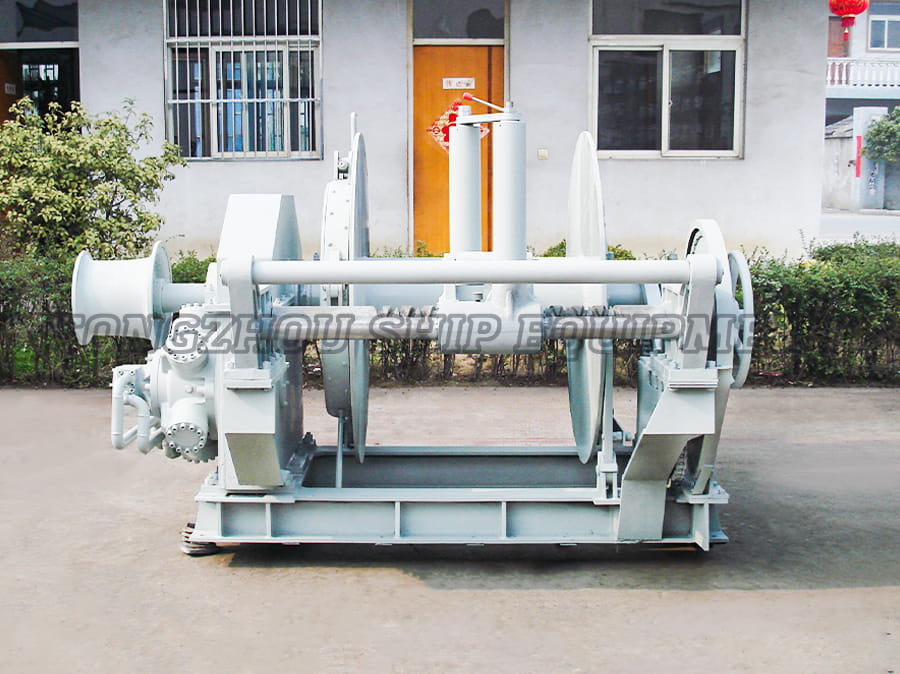
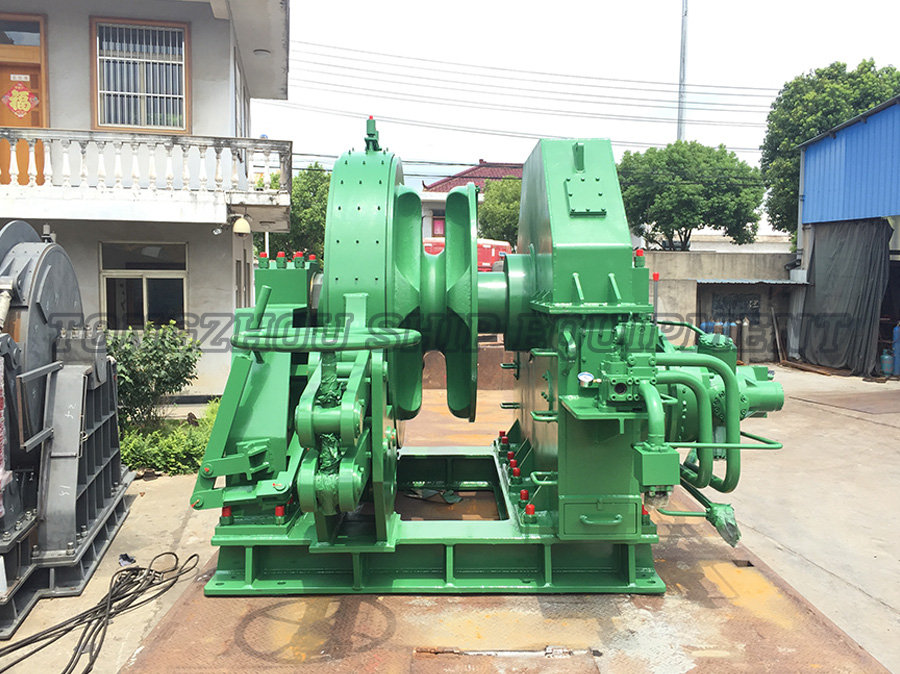
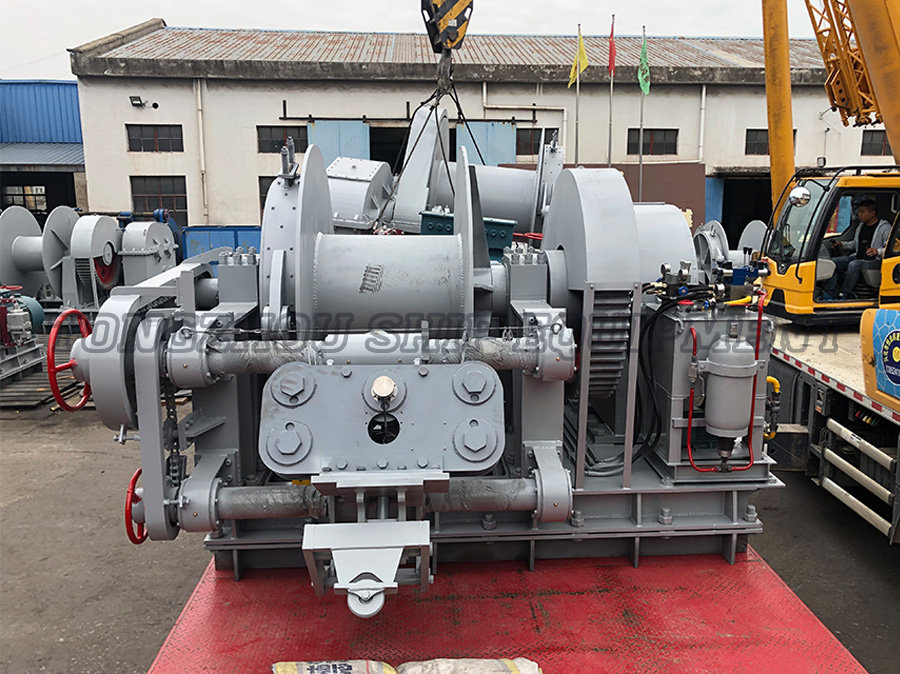
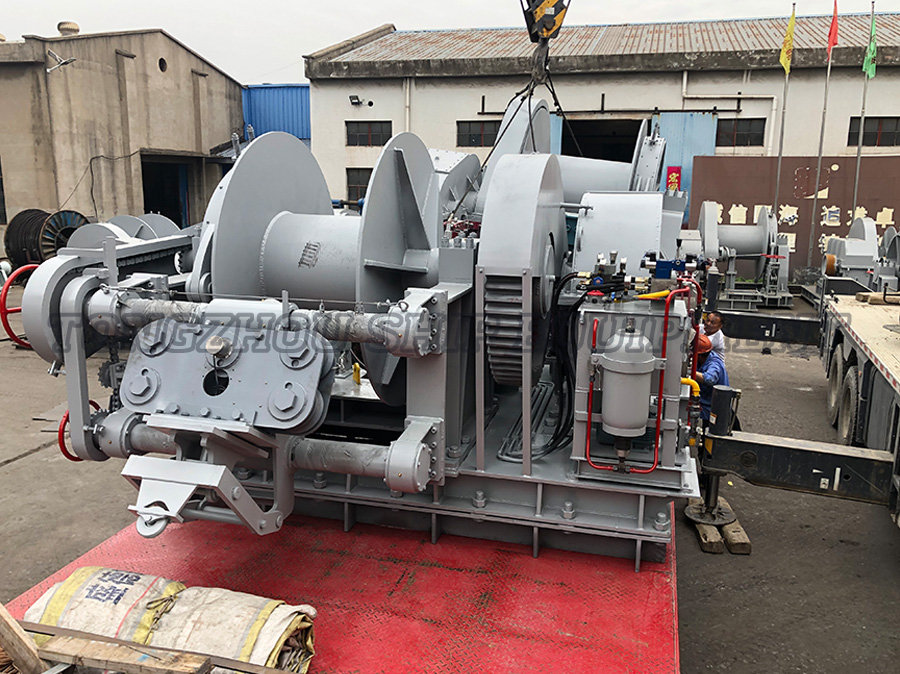
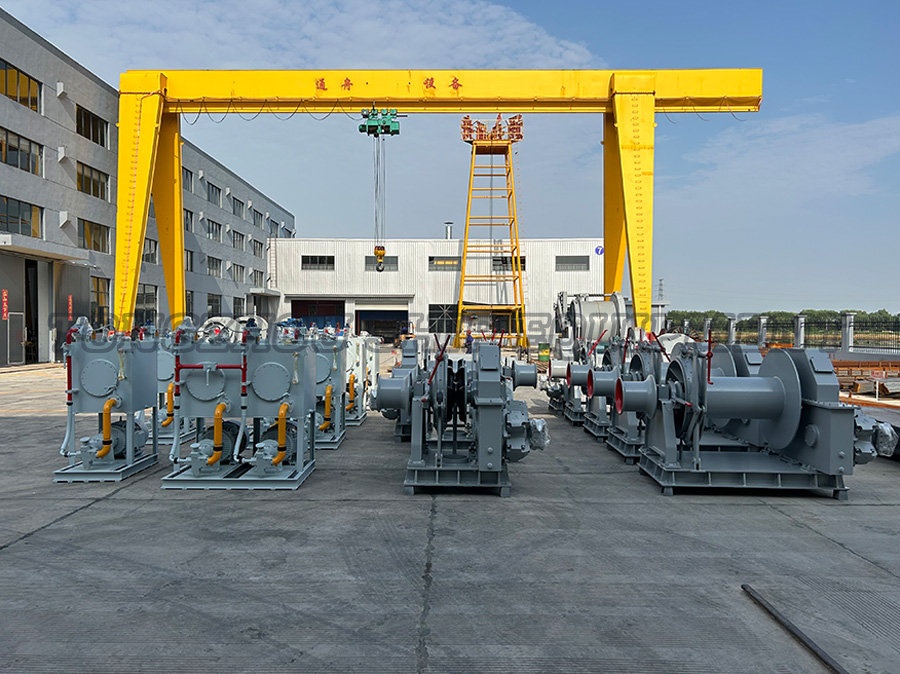
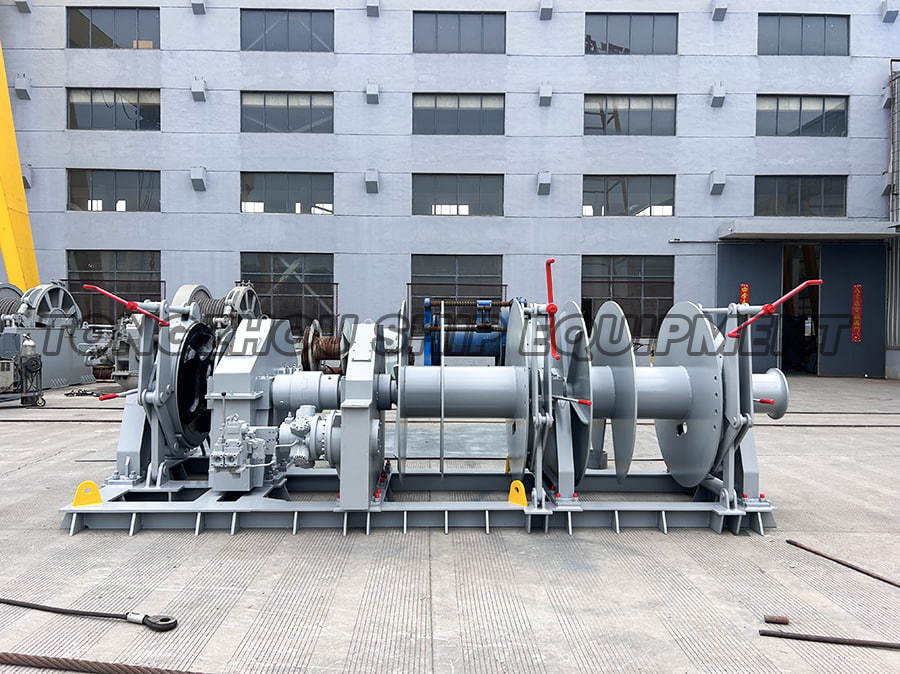
Electric Windlass is a modern anchoring solution that simplifies the process of raising and lowering an anchor on various types of vessels. Unlike manual windlasses, electric models use motorized power to handle heavier anchors with minimal effort, improving safety and efficiency on board.
Content
Types of Vessels Suitable for Electric Windlass
1. Recreational Yachts and Sailboats
Electric windlasses are particularly popular among yacht and sailboat owners. These vessels often require frequent anchoring in marinas or coastal areas. An electric windlass provides the convenience of effortless anchor handling, which is especially useful for solo sailors or small crews.
2. Motorboats and Cabin Cruisers
For motorboats and cabin cruisers, electric windlasses help manage heavier anchors that manual operation would struggle with. These vessels often carry large anchors to ensure secure mooring in various conditions, making electric windlasses a practical and safety-enhancing addition.
3. Commercial and Workboats
Small commercial vessels, including fishing boats and workboats, benefit from electric windlasses when precise positioning and frequent anchoring are required. Electric systems reduce manual labor and improve operational efficiency, allowing crews to focus on other critical tasks.
4. Mega Yachts and Superyachts
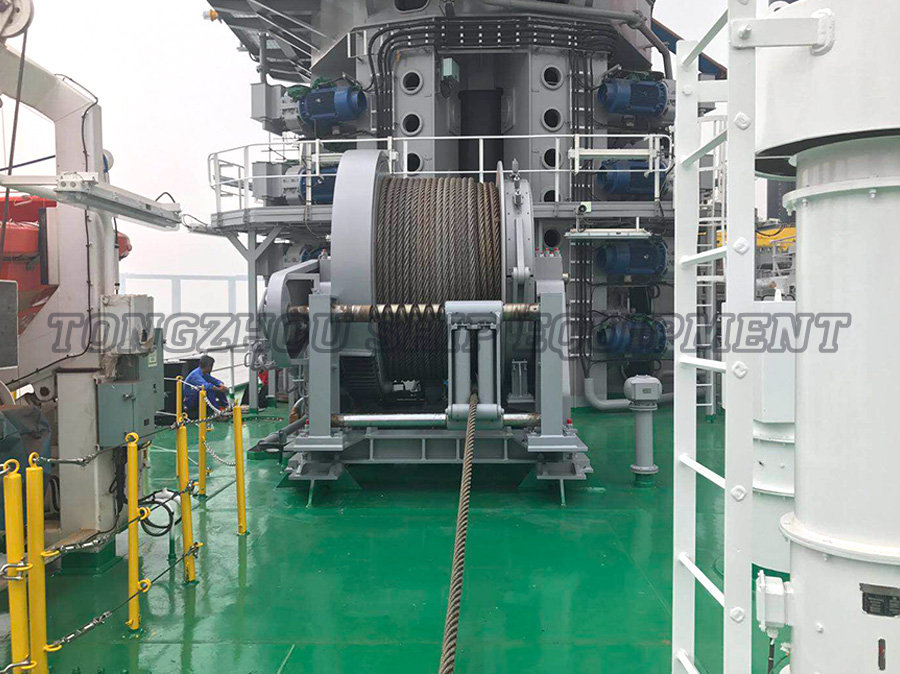
Large luxury vessels, such as mega yachts and superyachts, often carry anchors weighing several hundred kilograms. Electric windlasses on these ships are designed for high load capacity and durability, ensuring smooth anchoring even under challenging conditions.
Advantages of Using an Electric Windlass
- Effortless Operation: Electric windlasses eliminate the physical strain of manual anchor handling.
- Increased Safety: Reduces the risk of injury during anchoring.
- Time-Saving: Faster anchor deployment and retrieval compared to manual systems.
- Enhanced Control: Allows precise anchor positioning even in difficult conditions.
- Durable and Reliable: Built for long-term use on different types of vessels.
Comparison with Manual Windlass
Unlike manual windlasses, which rely on human effort and are best suited for small boats, Electric Windlass can handle larger anchors and heavier loads. This makes electric models ideal for medium to large vessels, providing consistent performance without crew fatigue.
Installation Considerations
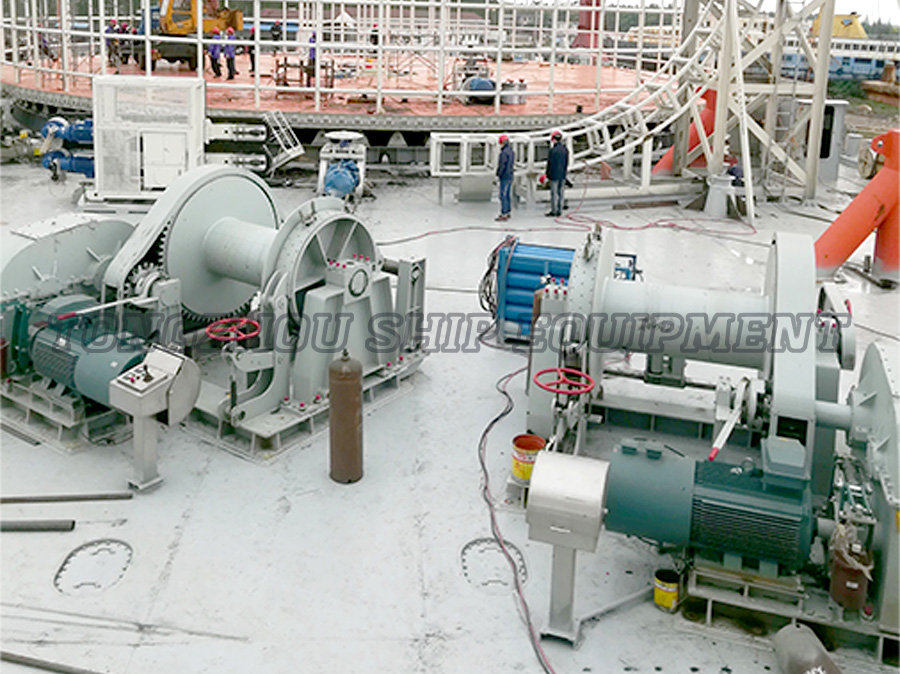
Electric windlasses require proper installation to ensure safety and functionality. Key factors include:
- Correct placement on the deck to distribute load efficiently.
- Secure electrical connections compatible with the vessel’s power system.
- Regular maintenance of motor and gears to prevent malfunctions.
Frequently Asked Questions (FAQ)
Q1: Can an electric windlass be installed on any boat?
While electric windlasses can be installed on most vessels, the size, weight, and anchoring needs of the boat determine the appropriate model. Small boats may require a lighter, low-capacity windlass, whereas large yachts need high-capacity systems.
Q2: How much power does an electric windlass consume?
The power consumption depends on the model and anchor size. Typical systems operate on 12V or 24V DC and are designed to work efficiently with the vessel’s battery system.
Q3: Is maintenance complicated?
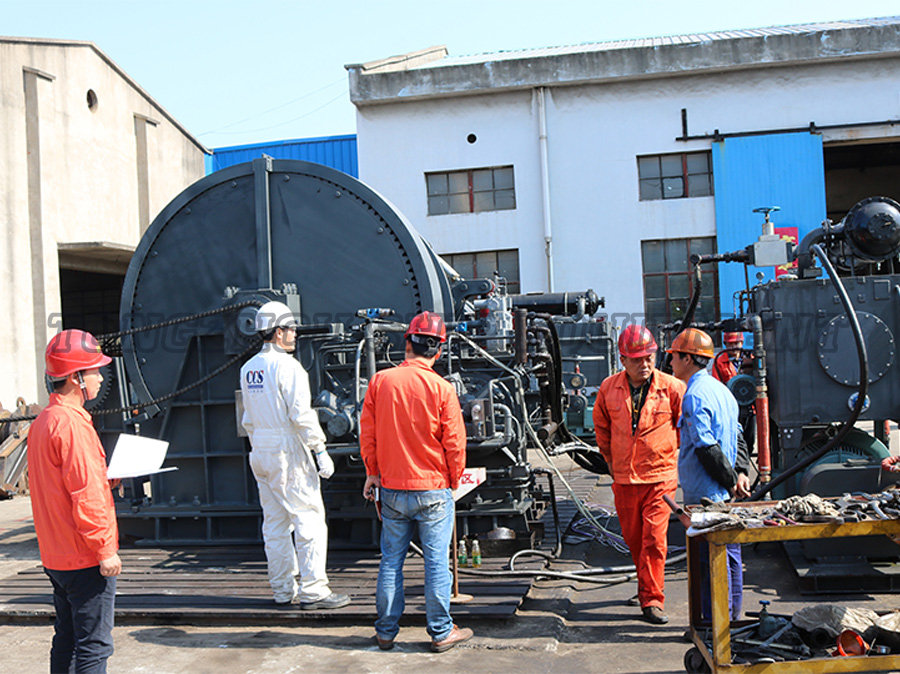
Maintenance is relatively straightforward, involving periodic lubrication, checking electrical connections, and inspecting gears for wear. Regular care ensures long-term reliability.
Q4: Are electric windlasses weather-resistant?
Yes, most electric windlasses are built with corrosion-resistant materials such as stainless steel and marine-grade coatings, making them suitable for harsh marine environments.
Conclusion
Electric windlasses are versatile anchoring solutions suitable for a wide range of vessels, from recreational yachts and sailboats to large commercial ships and superyachts. They enhance safety, convenience, and efficiency, making anchoring tasks effortless and reliable. Choosing the right electric windlass depends on vessel size, anchor weight, and operating requirements, ensuring optimal performance for every maritime adventure.

-
Corporate Email:
-
Sales Email:
-
Address:No. 16 Kesheng Road, Development Zone, Xinghua City, Jiangsu Province, China