English
  عربى
عربى  中文简体
中文简体 
News

Is It Necessary for Small Boats to Install an Electric Windlass?
 2025.12.24
 Industry News
As recreational boating, coastal fishing, and leisure sailing continue to grow worldwide, more small boat owners are reconsidering traditional anchoring methods. One of the most debated upgrades is whether installing an Electric Windlass is truly necessary for small vessels. While electric windlasses were once considered equipment reserved for large yachts and commercial boats, technological advancements and compact designs have made them increasingly accessible to smaller boats.
Understanding whether a small boat truly benefits from an Electric Windlass requires evaluating safety, convenience, cost, vessel size, and usage scenarios. By comparing manual anchoring systems with electric solutions, boat owners can make a more informed decision.
Content
- What Is an Electric Windlass?
- Traditional Anchoring vs Electric Windlass on Small Boats
- Advantages of Installing an Electric Windlass on Small Boats
- Potential Drawbacks of Electric Windlass for Small Boats
- Boat Size and Windlass Compatibility
- Cost-Benefit Comparison
- Common Applications Where Electric Windlass Is Especially Useful
- Installation Considerations for Small Boats
- Environmental and Operational Factors
- FAQ: Electric Windlass for Small Boats
- Future Trends in Electric Windlass Technology
- Final Considerations for Small Boat Owners
What Is an Electric Windlass?
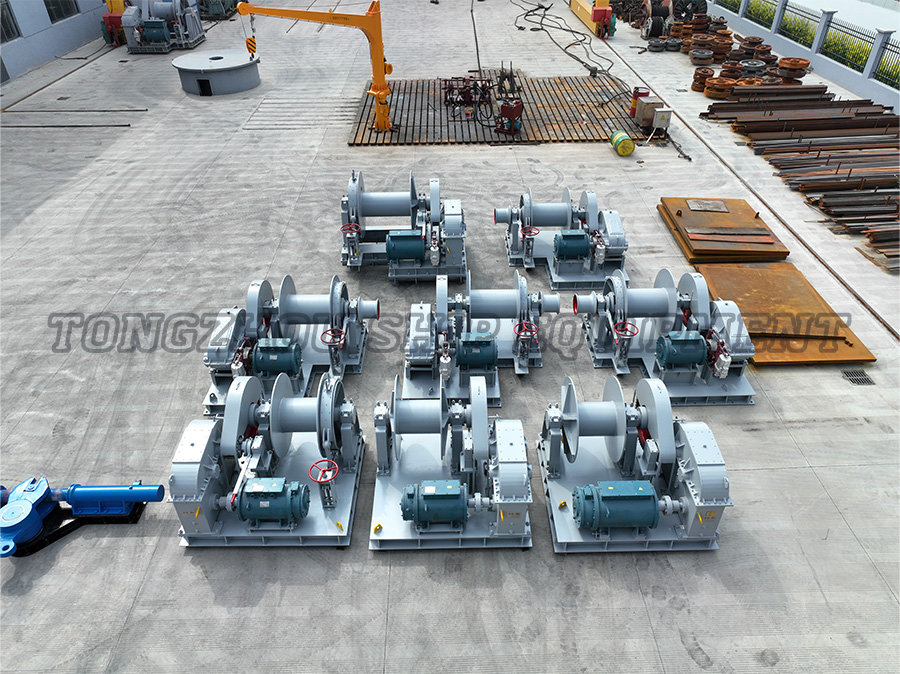
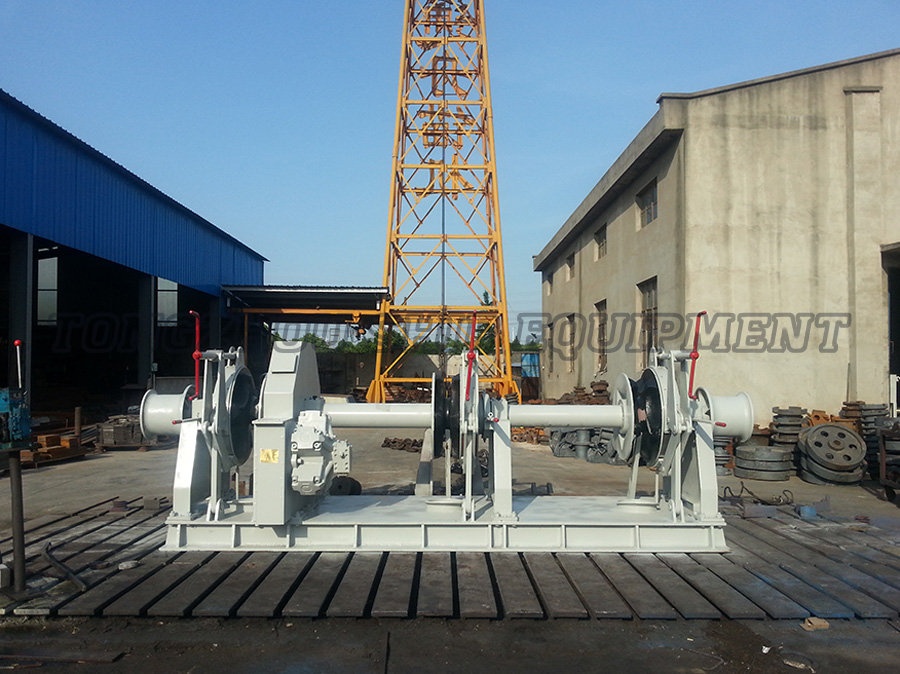
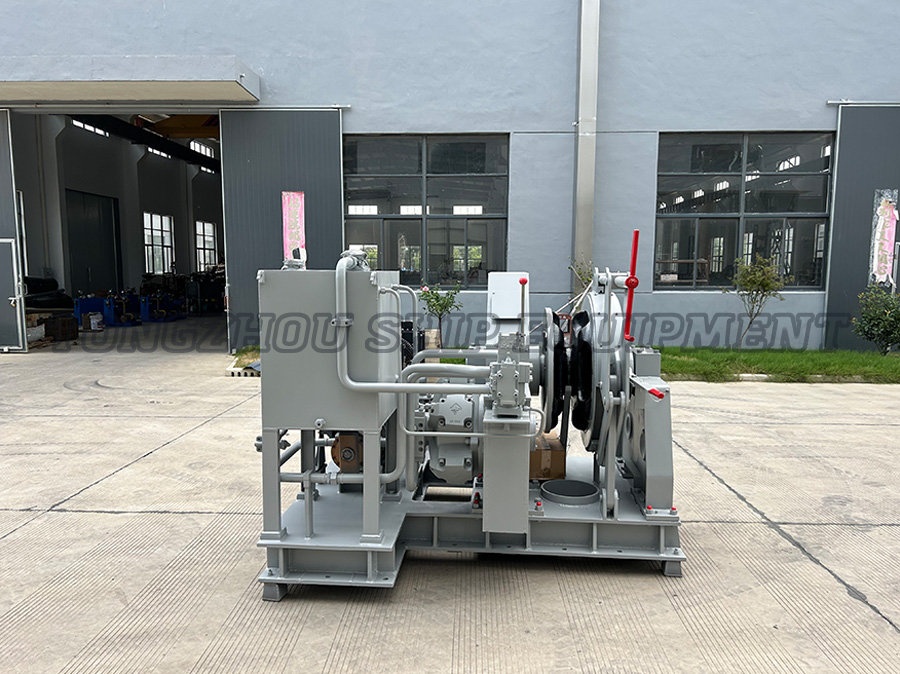
An Electric Windlass is a powered anchoring device that uses an electric motor to deploy and retrieve an anchor and chain or rope. It is typically mounted on the bow of the boat and controlled via a switch, foot pedal, or remote control.
Key Components of an Electric Windlass
- Electric Motor – Provides the power to raise and lower the anchor
- Gypsy or Drum – Grips the chain or rope during operation
- Control System – Foot switches, handheld remotes, or helm-mounted controls
- Circuit Protection – Breakers and relays for electrical safety
- Mounting Base – Secures the windlass to the deck
Modern Electric Windlass models are designed to be compact, corrosion-resistant, and efficient, making them suitable even for boats under 30 feet.
Traditional Anchoring vs Electric Windlass on Small Boats
Manual Anchoring Systems
Many small boats rely on manual anchoring methods, where the anchor is lowered and retrieved by hand. While simple and cost-effective, manual systems have limitations:
- Physically demanding, especially in deep water
- Risk of back strain or injury
- Difficulty handling heavy anchors or chain
- Less precise anchor control in strong currents or wind
Electric Windlass Systems
By contrast, an Electric Windlass automates anchor handling, offering consistent and controlled operation. Even on small boats, this can dramatically improve the anchoring experience.
- Reduced physical effort
- Improved safety on deck
- Faster anchoring and retrieval
- Better control in adverse conditions
Advantages of Installing an Electric Windlass on Small Boats
Enhanced Safety
Safety is one of the strongest arguments for installing an Electric Windlass. Small boats are more affected by waves, wakes, and sudden movements. Handling an anchor manually on the bow increases the risk of slips, falls, or losing balance.
An Electric Windlass allows operators to deploy and retrieve anchors with minimal time spent leaning over the bow, significantly reducing onboard accidents.
Reduced Physical Strain
Anchors, chains, and wet rope can be surprisingly heavy. Repeated manual anchoring may cause fatigue, back pain, or joint stress—especially for older boaters or solo operators.
With an Electric Windlass, physical exertion is minimized, making boating more accessible and enjoyable for a wider range of users.
Improved Anchoring Precision
Electric systems offer smoother and more controlled anchor deployment. This precision helps ensure proper anchor setting, which is particularly valuable in crowded anchorages or challenging seabed conditions.
Single-Handed Operation
Many small boats are operated solo or with minimal crew. An Electric Windlass enables one-person anchoring, allowing the operator to remain in control of the vessel while managing the anchor efficiently.
Time Efficiency
Quick anchoring and retrieval can be critical in changing weather or tidal conditions. Electric systems significantly reduce anchoring time compared to manual handling.
Potential Drawbacks of Electric Windlass for Small Boats
Initial Cost
The upfront cost of purchasing and installing an Electric Windlass can be a concern for small boat owners. Expenses include:
- Windlass unit
- Electrical wiring and breakers
- Professional installation (if required)
However, long-term convenience and safety benefits often outweigh the initial investment.
Electrical System Requirements
Small boats with limited battery capacity must ensure their electrical system can support an Electric Windlass. Proper wiring, adequate battery capacity, and charging systems are essential.
Maintenance Needs
Although modern electric windlasses are designed for marine environments, they still require routine maintenance, including cleaning, lubrication, and corrosion inspection.
Boat Size and Windlass Compatibility
Boats Under 20 Feet
For very small boats, manual anchoring may still be sufficient in calm waters. However, lightweight and compact Electric Windlass models can still be beneficial for frequent anchoring or deeper waters.
Boats Between 20–30 Feet
This size range represents the fastest-growing market for electric windlasses. Boats in this category often carry heavier anchors and travel further offshore, making electric anchoring highly practical.
Weight and Anchor Considerations
Selecting the correct Electric Windlass depends on:
- Total anchor and rode weight
- Boat displacement
- Typical anchoring depth
- Expected wind and current loads
Cost-Benefit Comparison
Manual Anchoring Costs
- Lower initial cost
- No electrical requirements
- Higher physical effort
- Increased risk of injury
Electric Windlass Investment
- Higher upfront expense
- Greater safety and comfort
- Enhanced resale value of the boat
- Long-term convenience
For many owners, the upgrade to an Electric Windlass transforms the overall boating experience.
Common Applications Where Electric Windlass Is Especially Useful
- Frequent anchoring during fishing trips
- Anchoring in deep or rocky waters
- Solo boating or short-handed crews
- Boaters with physical limitations
- Extended cruising or overnight anchoring
Installation Considerations for Small Boats
Deck Strength and Space
The mounting area must be structurally reinforced to handle anchoring loads. Compact Electric Windlass designs help accommodate limited deck space.
Rope and Chain Compatibility
Windlasses are designed for specific rope and chain sizes. Choosing the correct gypsy ensures reliable operation.
Professional vs DIY Installation
While some experienced boat owners handle installation themselves, professional installation ensures electrical safety and optimal performance.
Environmental and Operational Factors
Small boats operating in tidal zones, strong currents, or windy anchorages benefit significantly from electric anchoring systems. The controlled deployment of an Electric Windlass helps prevent anchor drag and improves holding power.
FAQ: Electric Windlass for Small Boats
Is an Electric Windlass necessary for all small boats?
Not all small boats require an Electric Windlass, but it becomes increasingly beneficial with frequent anchoring, deeper waters, or heavier ground tackle.
Can a small boat battery handle an Electric Windlass?
Yes, most modern systems are compatible with standard marine batteries when properly installed with correct wiring and circuit protection.
Does installing an Electric Windlass increase boat value?
An Electric Windlass is often seen as a premium feature and can enhance resale appeal, particularly for cruising-oriented buyers.
Is maintenance complicated?
Routine maintenance is straightforward and typically includes rinsing with fresh water, checking electrical connections, and periodic lubrication.
What size Electric Windlass is suitable for a small boat?
The correct size depends on anchor weight, chain diameter, and boat displacement. Manufacturers provide sizing guides to ensure proper selection.
Future Trends in Electric Windlass Technology
Advancements in motor efficiency, wireless controls, and lightweight materials are making Electric Windlass systems even more suitable for small boats. Integration with onboard electronics and smart anchoring systems continues to expand their appeal.
Final Considerations for Small Boat Owners
While a manual anchoring system may suffice for occasional use, the growing availability of compact and efficient Electric Windlass models makes them a practical upgrade for many small boat owners. Enhanced safety, reduced physical effort, and improved anchoring control contribute to a more enjoyable and confident boating experience.
For those who anchor frequently or value convenience and safety, installing an Electric Windlass on a small boat is increasingly seen not as a luxury, but as a smart and forward-looking investment.


-
Corporate Email:
-
Sales Email:
-
Address:No. 16 Kesheng Road, Development Zone, Xinghua City, Jiangsu Province, China