English
  عربى
عربى  中文简体
中文简体 
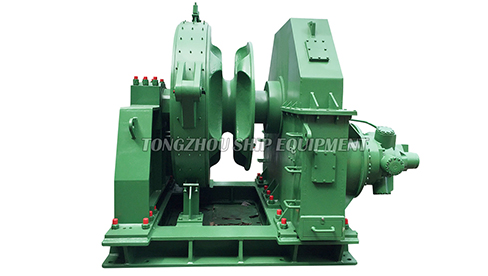
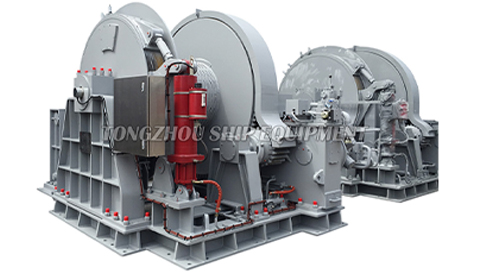
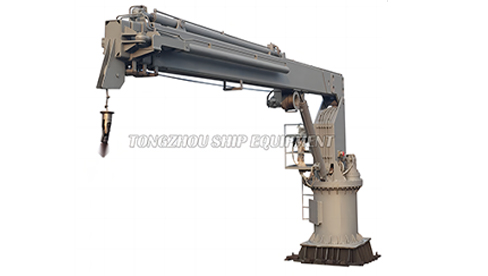
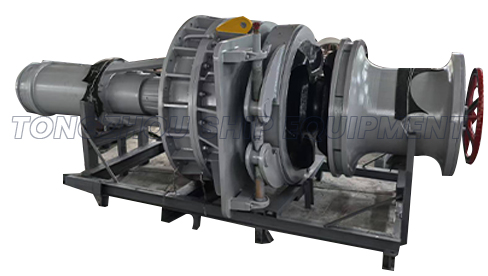
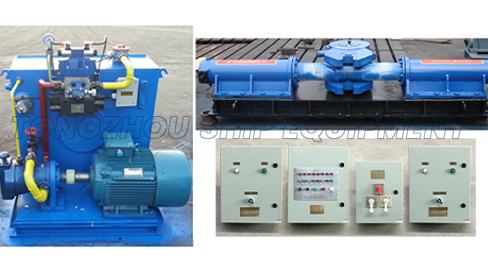

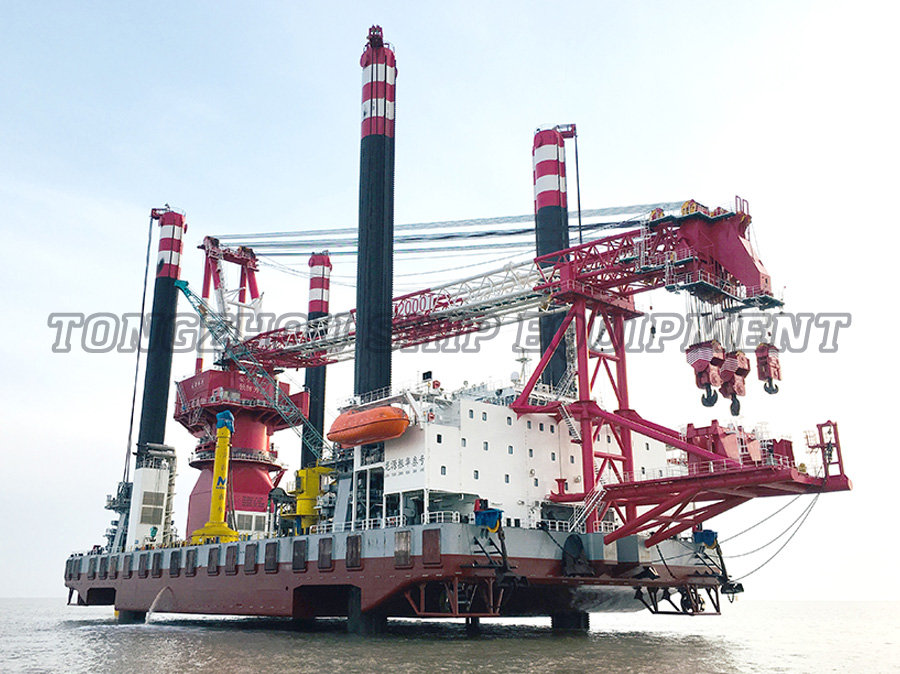
Specification
| Equipment Category | Custom deck machinery, offshore handling systems, integrated units |
| Design Basis | Project requirement, vessel layout, operational profile |
| Rated Load Range | Customized, typically 1 t – 300 t |
| Power System | Hydraulic, electric, electro-hydraulic, or hybrid |
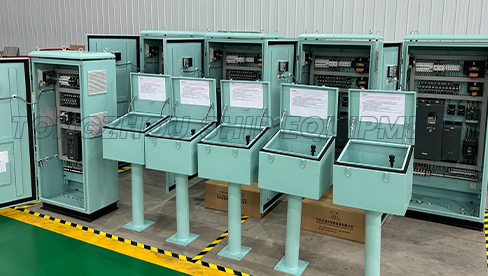
| Control System | Local control, remote control, PLC, or integrated automation |
| Operating Environment | Offshore, open deck, coastal, or special marine conditions |
| Surface Treatment | Marine-grade coating, galvanizing, or customized protection |
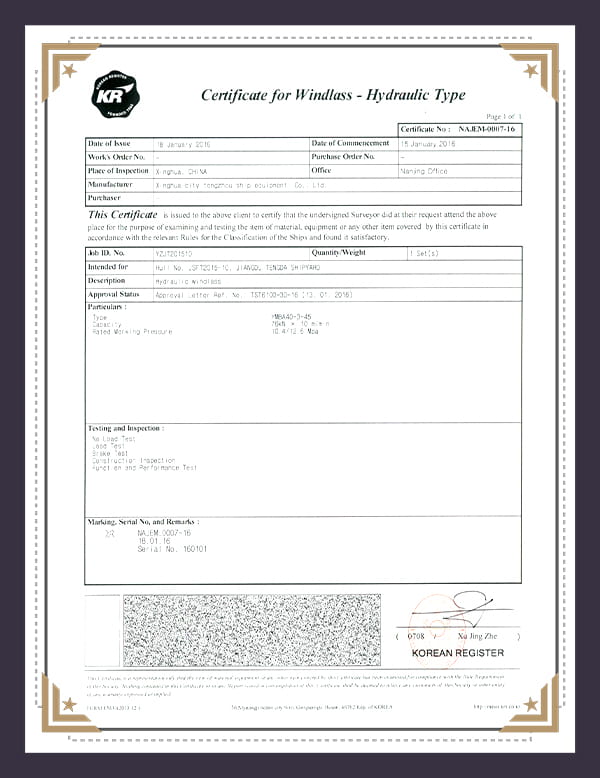
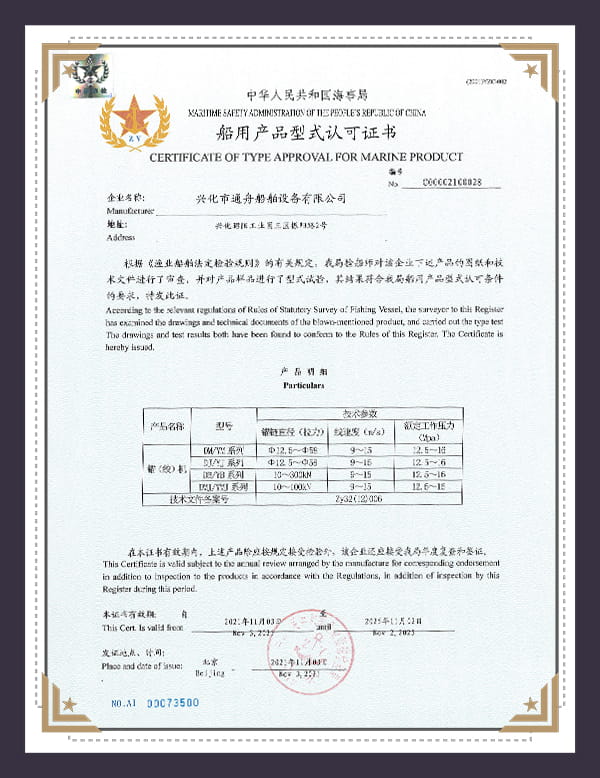
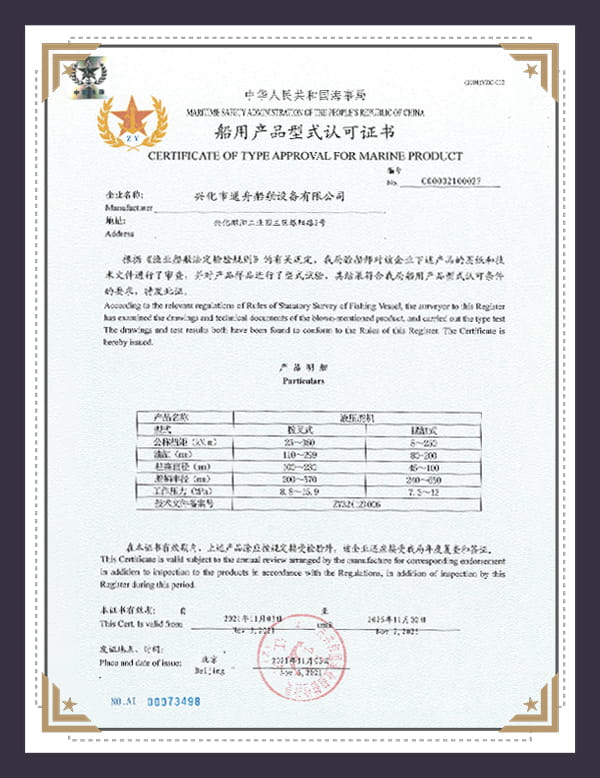
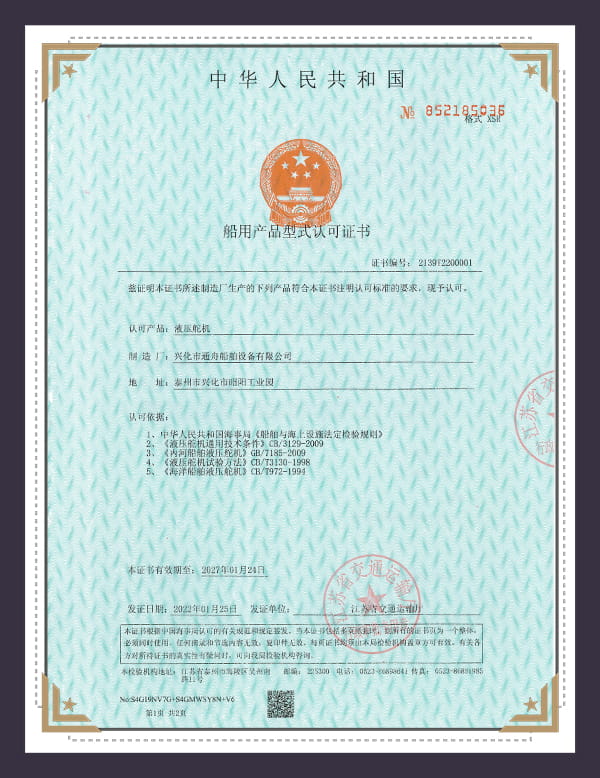
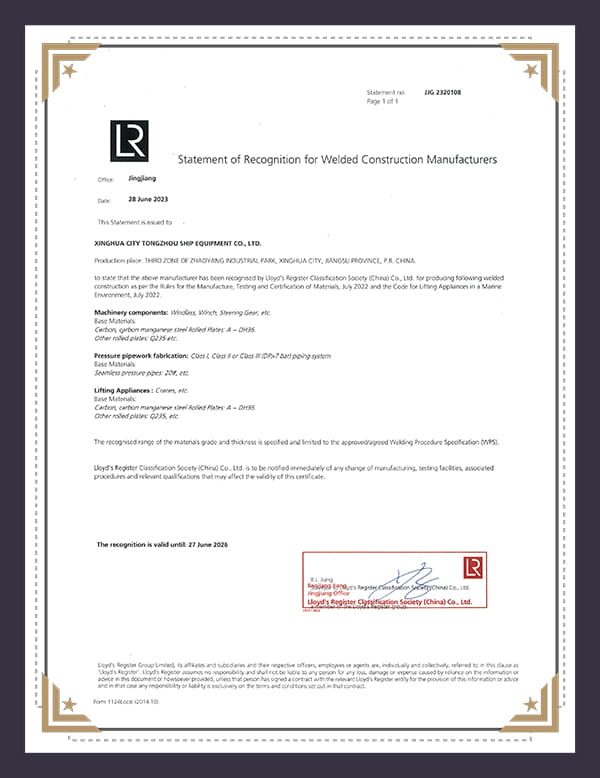
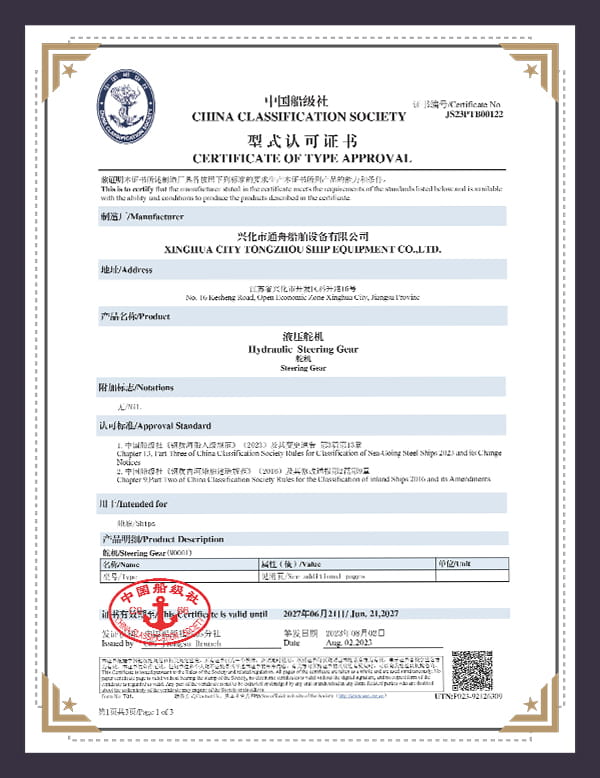
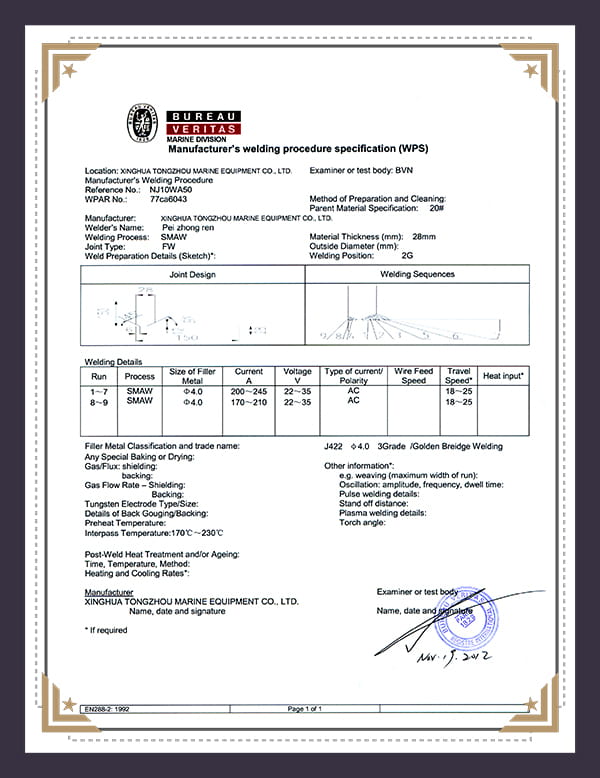
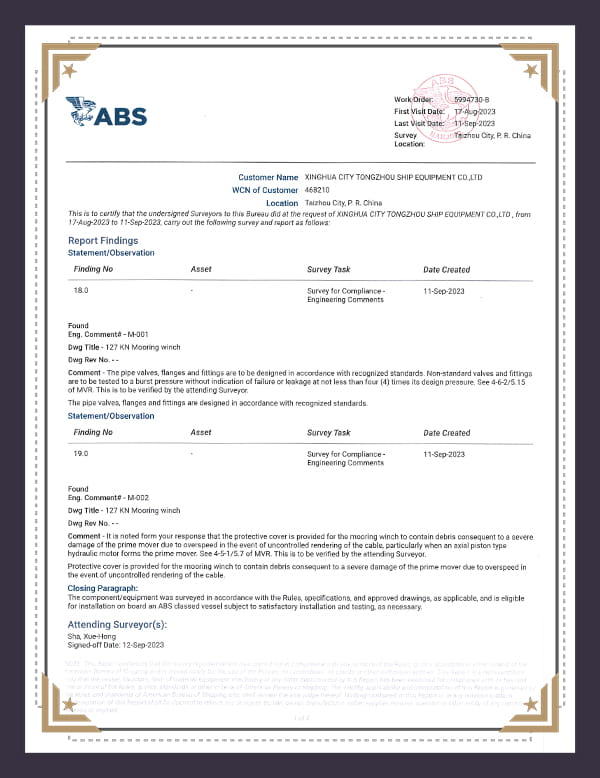
| Compliance | Project-specified standards and classification requirements |
Application
Project Specific Marine Equipment is widely used in demanding marine and offshore scenarios where standard solutions are insufficient. Typical applications include:
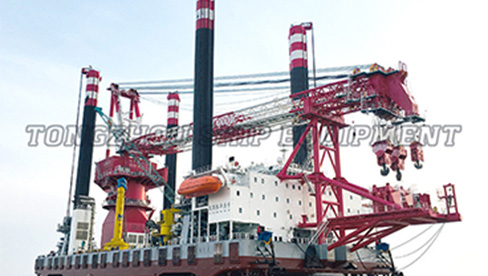
- Offshore installation and construction projects
- Subsea cable and pipeline handling operations
- Heavy-lift and special cargo transportation vessels
- Research, survey, and exploration ships
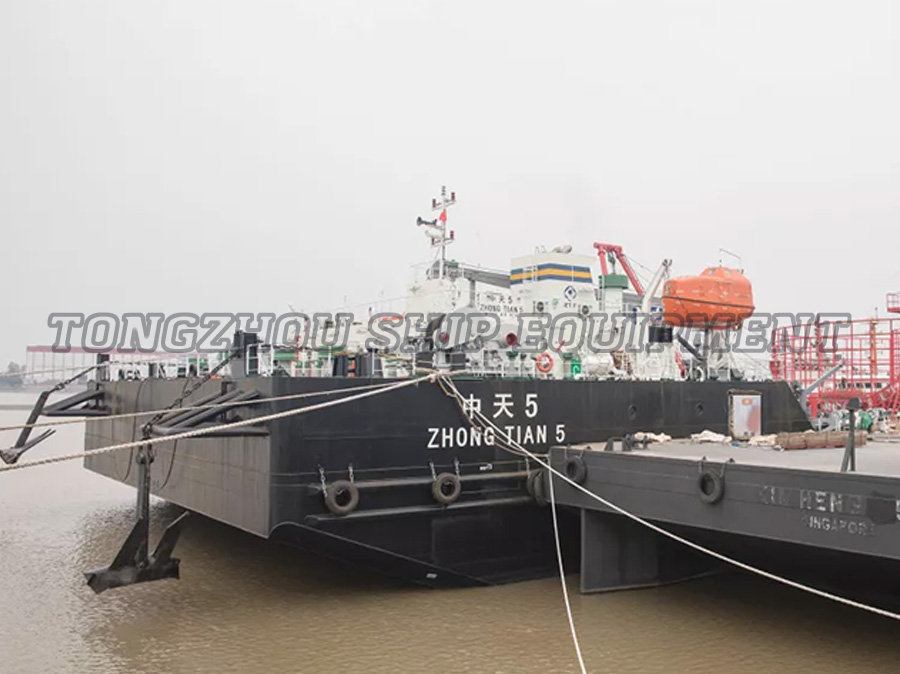
- Customized mooring and positioning systems
- Special mission vessels and prototype platforms
Each application is evaluated individually to ensure the equipment matches operational workflows and safety requirements.
Advantages
Compared with standard marine machinery, project-specific solutions offer clear operational benefits:
- Exact fit to project and vessel requirements
- Optimized performance for defined tasks
- Improved safety through dedicated design
- Efficient use of deck space and load capacity
- Flexible integration with existing onboard systems
- Reduced operational compromises during complex missions
- Scalable concepts allowing future modifications
Materials and Structure
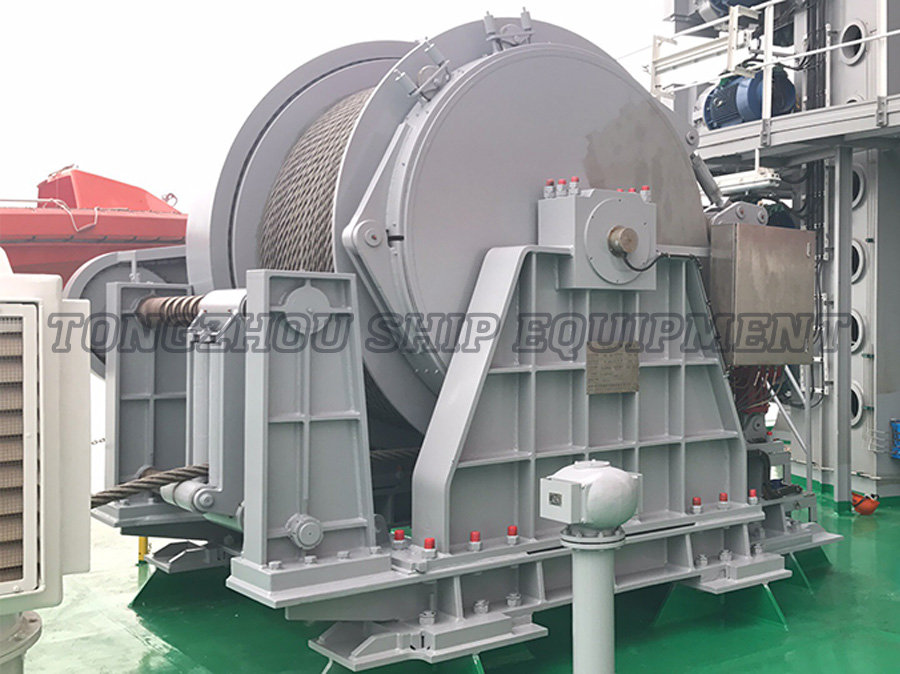
Project Specific Marine Equipment is manufactured using carefully selected materials based on load demands, environmental exposure, and service life expectations. Structural components are typically fabricated from high-strength marine steel or alloy steel to ensure stability under dynamic loads.
Critical mechanical parts are reinforced and fatigue-optimized, while hydraulic and electrical components are chosen for reliability in harsh marine conditions. Protective surface systems such as multi-layer marine coatings or galvanizing provide long-term corrosion resistance.