English
  عربى
عربى  中文简体
中文简体 
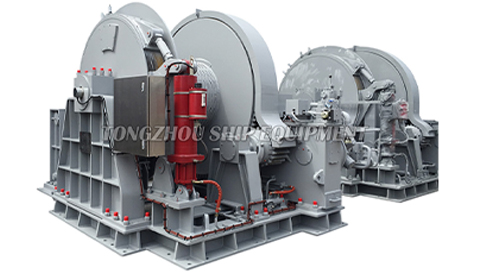
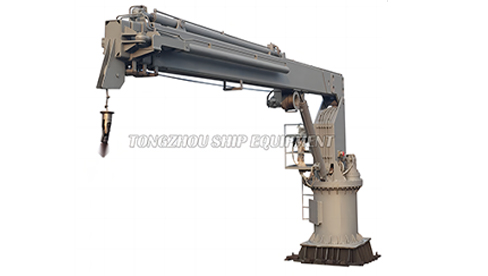
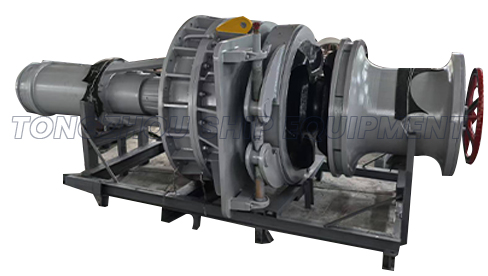
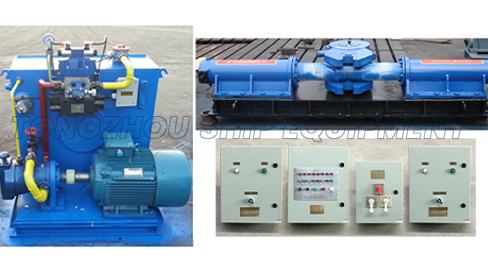

Specification
| Rated Pull Capacity | 40 kN to 700 kN depending on configuration |
| Line Compatibility | Steel wire ropes, synthetic ropes, chain lines, or hybrid cables |
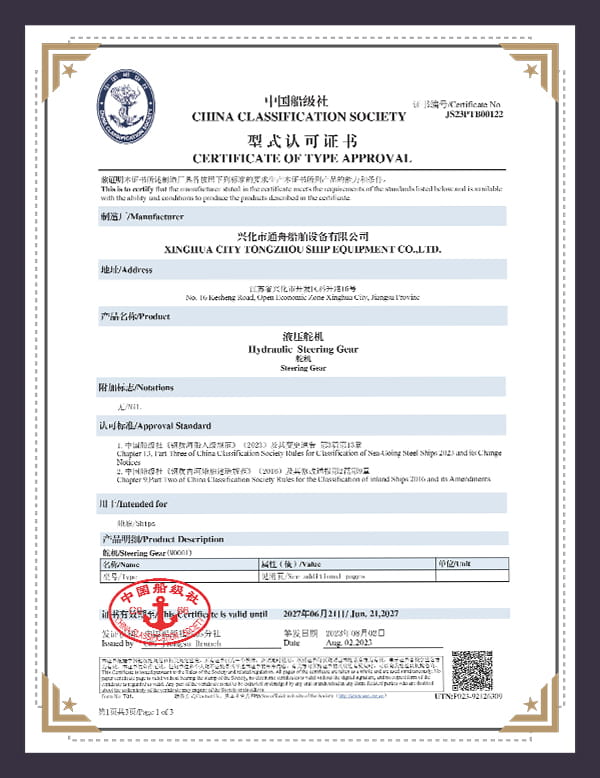
| Drive Type | Hydraulic motor or electric motor with planetary or bevel gearbox |
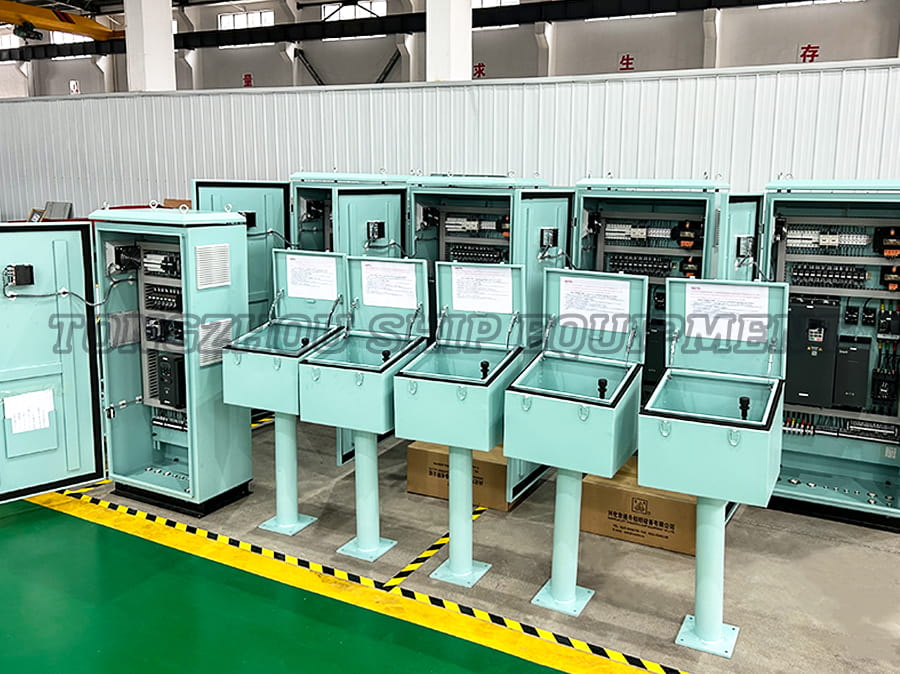
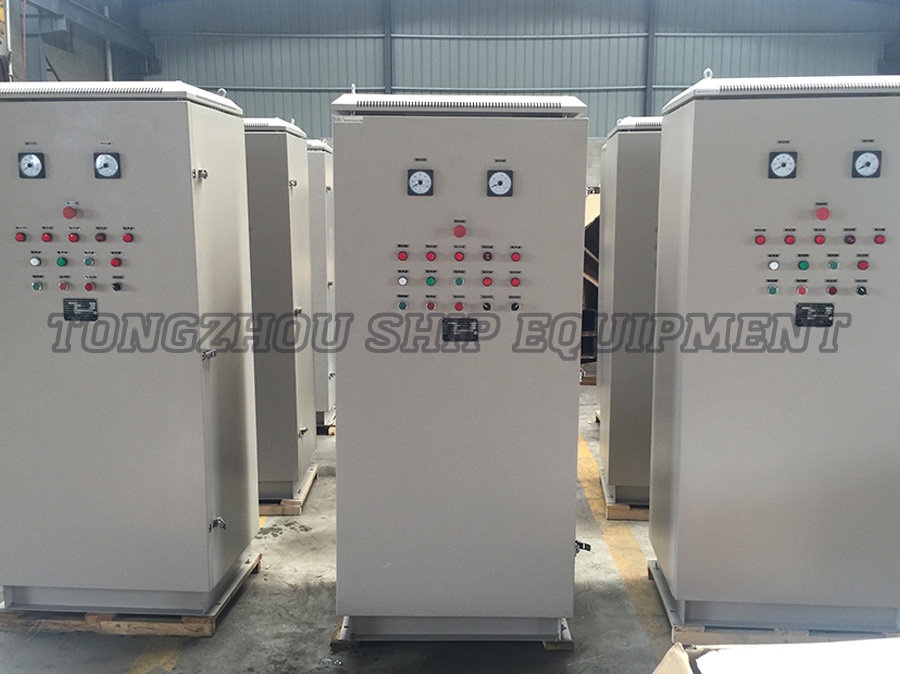
| Control Mode | Manual control, local control, remote control, or integrated bridge control |
| Speed Range | 0–15 m/min, adjustable depending on line and tension |
| Brake System | Hydraulic or mechanical disc brake with emergency stop |
| Duty Cycle | Continuous heavy-duty operation with minimal performance degradation |
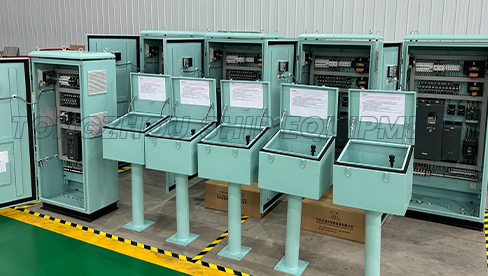
| Environmental Protection | Marine-grade coating, corrosion-resistant components, and sealed housings |
Application
Marine pulling machinery is used across a wide spectrum of marine operations requiring precise and safe line control:
- Mooring of commercial vessels, tankers, bulk carriers, container ships, and passenger vessels
- Offshore support vessels handling dynamic positioning and mooring tasks
- FPSOs and floating platforms with multiple lines requiring controlled tension
- Tugboats and harbor service vessels assisting berthing and unberthing of large ships
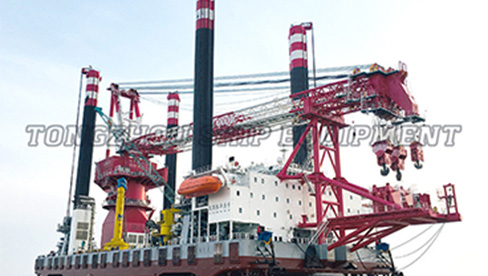
- Marine construction and offshore installation projects requiring temporary or permanent pulling and mooring solutions
Advantages
The main advantages of marine pulling machinery include:
- Consistent and controlled pulling force, reducing line stress and risk of failure
- High reliability and durability for heavy-duty and continuous operations
- Precise control over speed, tension, and load distribution
- Compact and modular design facilitating deck integration
- Versatility to handle multiple line types and diameters
These advantages enhance vessel safety, operational efficiency, and line longevity, making these systems indispensable for modern marine operations.
Material and Structure
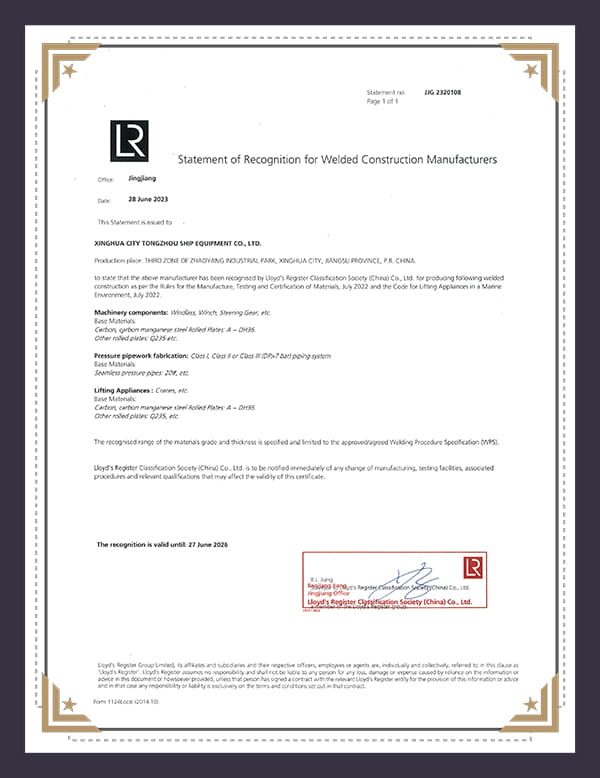
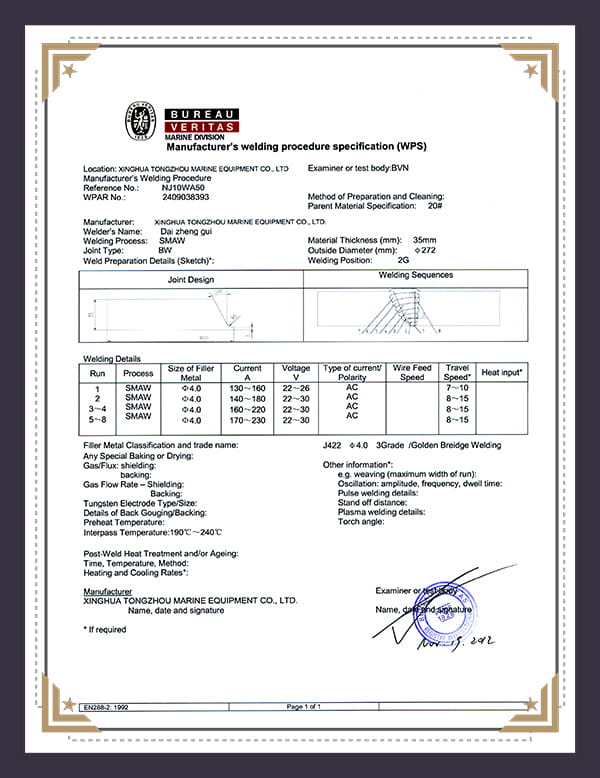
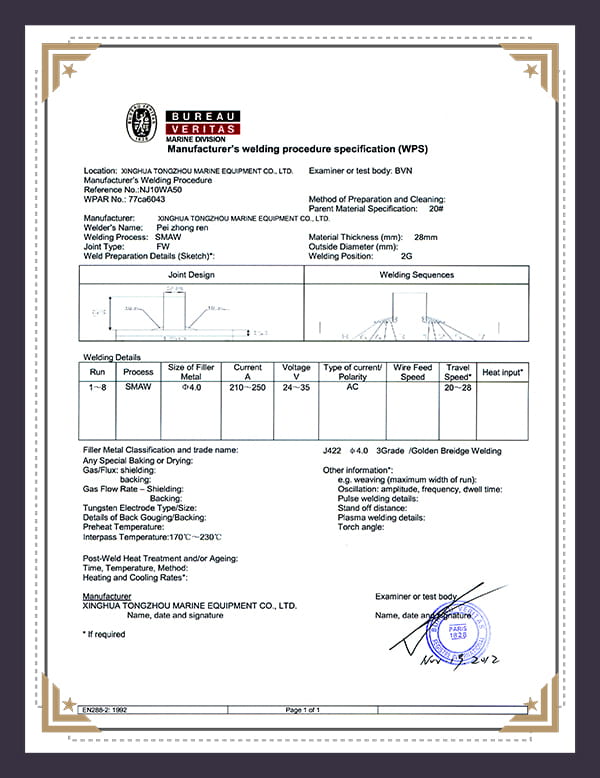
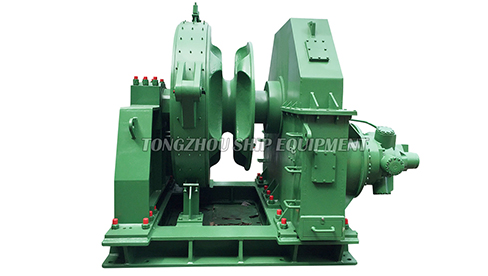
The structural frame is constructed from high-strength steel or cast alloy to resist bending, torsion, and fatigue loads during heavy pulling operations. Shafts, gears, and drive components are precision-machined and heat-treated for consistent torque transmission and durability.
Bearing systems are designed to withstand both axial and radial forces, while marine-grade seals and coatings protect against seawater, dust, and other contaminants. The combination of structural robustness and precision mechanics ensures reliable performance in harsh offshore environments.