English
  عربى
عربى  中文简体
中文简体 

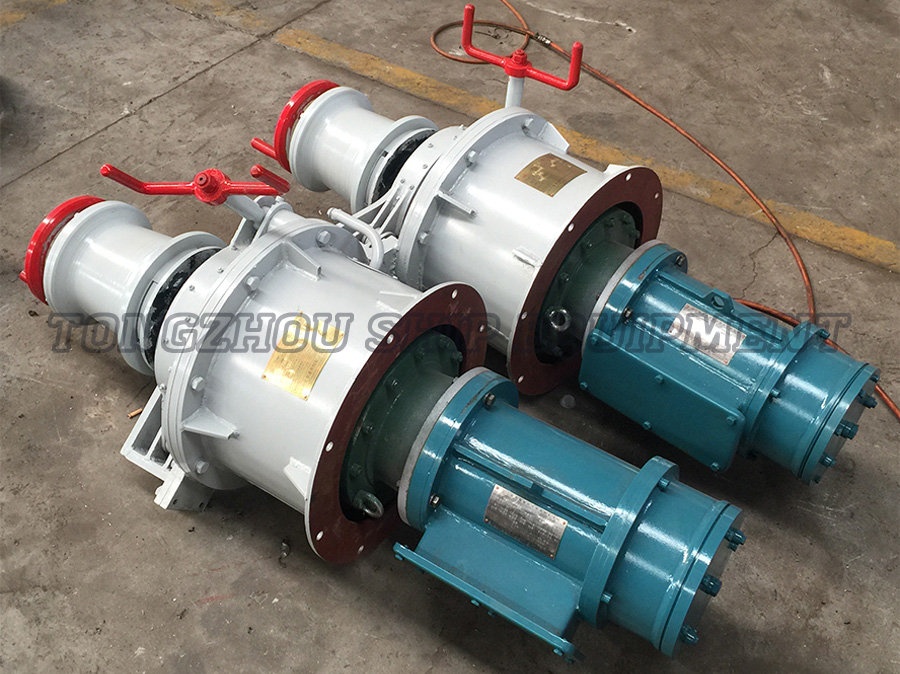
Specification
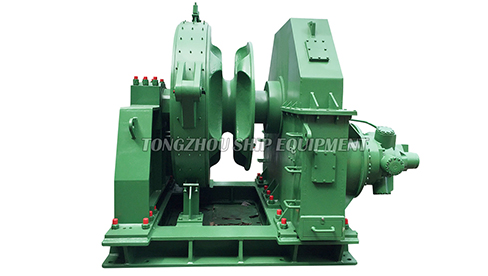
| Rated Torque Output | 2,000 Nm to 12,000 Nm, depending on configuration |
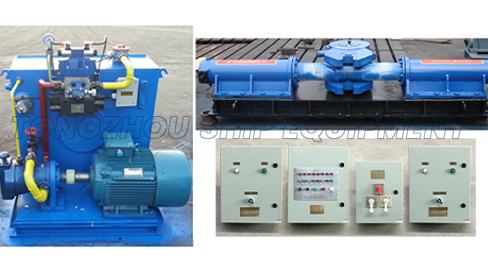
| Drive Type | Hydraulic motor or electric motor with gearbox |
| Axis Orientation | Vertical output shaft |
| Duty Cycle | Intermittent or continuous heavy-duty operation |
| Control Interface | Local control, remote control, or integrated system |
| Mounting Type | Deck-mounted or integrated structural mounting |
| Environmental Protection | Marine-grade sealing and corrosion protection |
Application
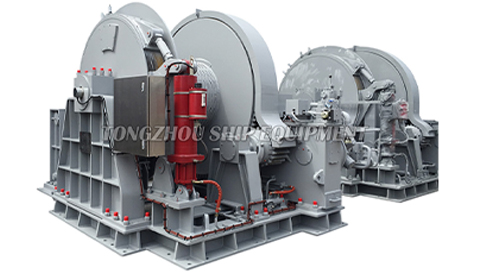
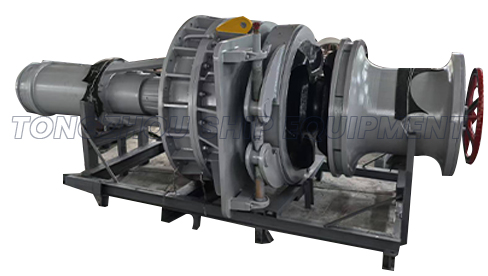
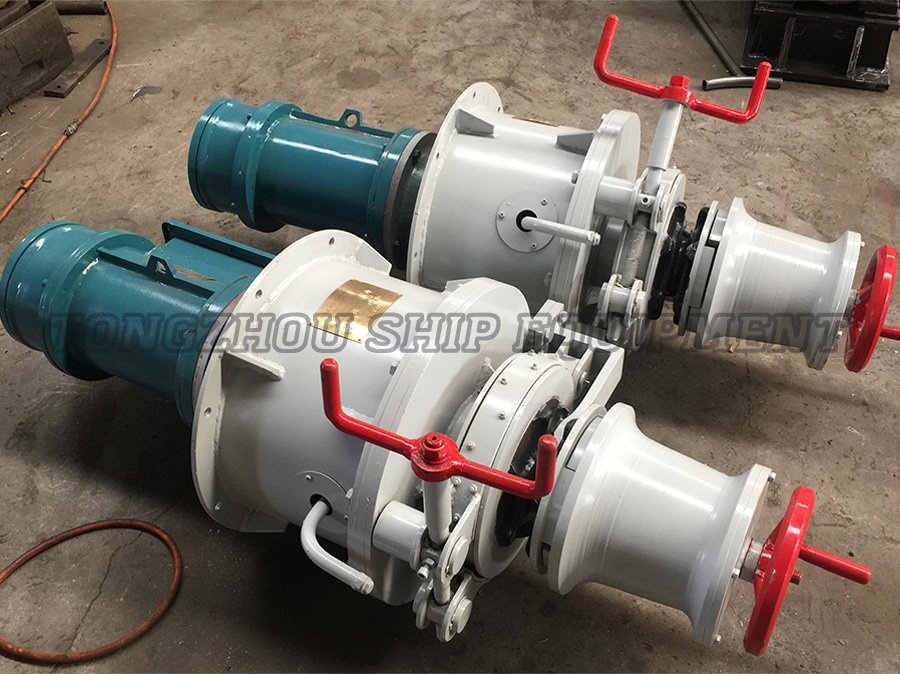
Vertical axis anchor drives are used in a variety of marine and offshore anchoring systems where efficient torque transmission and compact layout are required.
- Commercial cargo vessels and bulk carriers with integrated anchoring systems
- Offshore support and anchor handling vessels
- Workboats and service vessels operating in confined deck spaces
- Marine construction platforms requiring precise anchor control
- Special-purpose vessels with customized anchoring layouts
In many installations, vertical axis anchor drives are combined with chain wheels, windlass systems, or anchor handling units to form a complete anchoring solution.
Advantages
The vertical axis configuration provides several functional advantages over alternative drive arrangements.
- Efficient power transmission with reduced mechanical losses
- Compact installation footprint on deck
- Improved load alignment between drive and anchor mechanism
- Reduced vibration and smoother torque delivery
- Suitable for high-load and frequent anchoring operations
These advantages contribute to improved reliability, easier system integration, and enhanced operational safety.
Material and Structure
The housing of vertical axis anchor drives is typically manufactured from high-strength steel or cast alloy material to withstand high torque and axial loads. Internal components such as gears and shafts are precision-machined and heat-treated to ensure durability under continuous load cycles.
Bearing arrangements are designed to support both radial and axial forces generated during anchoring operations. Advanced sealing systems protect internal components from seawater ingress, dust, and contaminants.
External surfaces are finished with marine-grade coating systems to enhance corrosion resistance and extend service life in offshore environments.