English
  عربى
عربى  中文简体
中文简体 
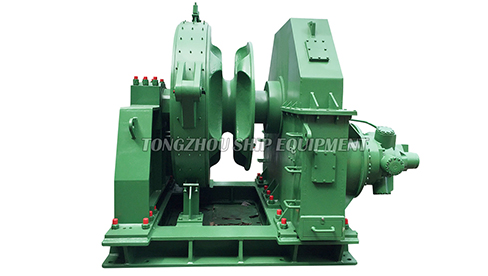
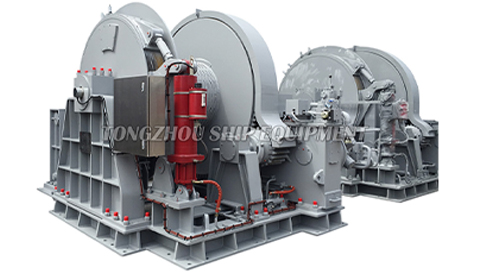
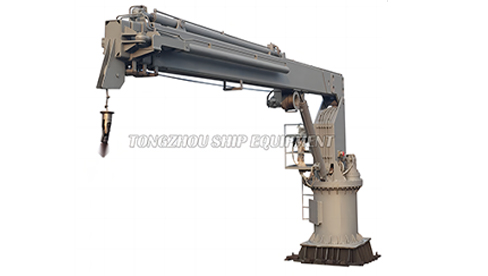
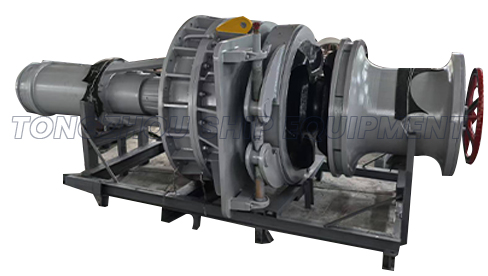
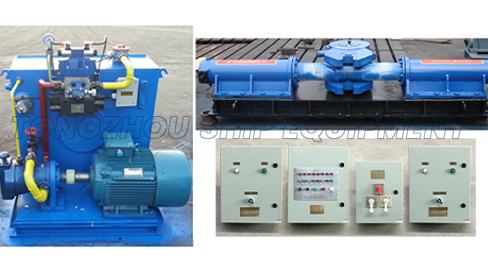
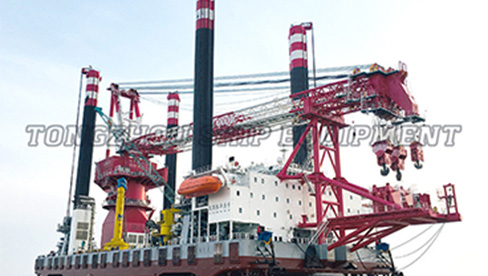


A ship fairlead is a reinforced deck or bulwark fitting that guides mooring lines or anchor chain through a fixed path, preventing chafing and distributing load. Without a properly designed fairlead, a mooring line can cut through deck edges in heavy weather, and an anchor chain can tear a bulwark open. This guide explains what a fairlead does, which types exist, how to select the right one, and how to maintain it so the rest of your deck machinery keeps operating safely.
Content
What Does a Ship Fairlead Do?
A ship fairlead does three essential jobs: it changes the direction of a line, it reduces friction-related wear, and it protects the crew and the hull from sudden line failure. A fairlead is not a load-storing device; it simply guides the line while transferring lateral and vertical forces to the ship structure.
On a mooring deck, the fairlead is usually positioned so the line runs straight to the mooring line handling equipment. If the line has to turn around a corner or pass through a bulwark, the fairlead becomes the contact point. For anchor handling, a chain fairlead guides the anchor chain between the windlass and the stowage position, keeping the chain angle stable enough for smooth hauling.
Main Types of Ship Fairleads
The four common types of ship fairleads are closed fairleads, open fairleads, roller fairleads, and multi-roller fairleads; each suits a different loading direction and rope type.
| Type | Typical Location | Best Application | Key Advantage |
|---|---|---|---|
| Closed fairlead | Bulwarks and hull shells | Simple mooring lines with a small lead angle | Low cost, high strength, no moving parts |
| Open fairlead | Mooring decks near the rail | Quick line release or hook-up | Top opening lets the crew drop a line in or out fast |
| Roller fairlead | Side decks and towing areas | Lines that change direction while under heavy load | Roller cuts friction and prevents chafing |
| Multi-roller / pedestal fairlead | Large vessels, tugs, offshore vessels | Large-diameter fibre or wire ropes | Distributes wear and reduces bending stress |
We produce closed, open, roller, and multi-roller fairleads with cast or fabricated steel bodies, sized to the line diameters your deck machinery is rated for.
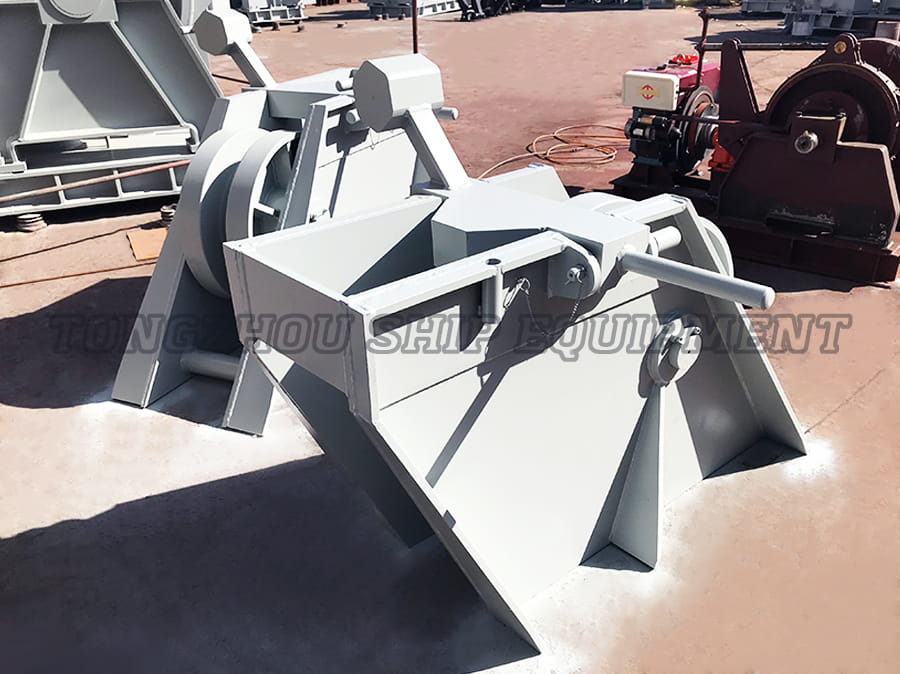
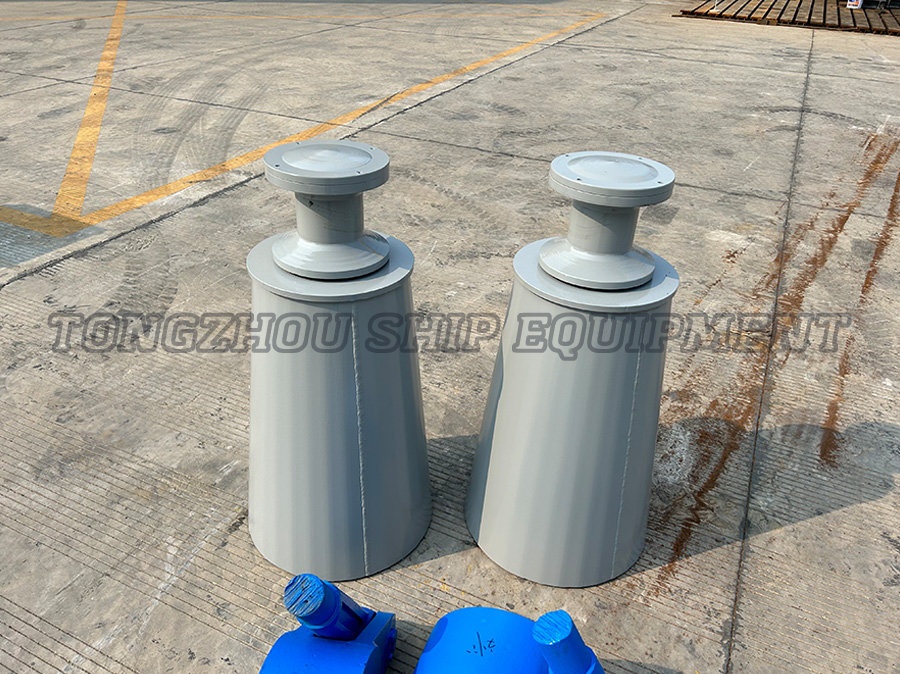 Marine Fairlead with Roller Options for Mooring and TowingThis deck-mounted device guides ropes and chains smoothly during mooring and towing. Roller types reduce friction and extend line life. Material and load rating determine suitability for long vessel service.View Product →
Materials, Ratings, and Manufacturing Considerations
Material choice and load rating decide whether a fairlead survives a 20-year vessel life or fails at the first storm-mooring peak. The base body is normally carbon steel or stainless steel, with hot-dip galvanizing or paint protecting the external surface; load-bearing rollers use hardened steel with sealed bearings.
Common materials
- Cast steel: strong, impact-resistant, suitable for heavy mooring and anchor chain applications.
- Stainless steel (e.g., 304 or 316): resists corrosion, used on yachts, workboats, and areas with high salt exposure.
- Carbon steel with hot-dip galvanizing: economical and durable for inland or less aggressive marine environments.
Load ratings and classification
The working load limit of a fairlead must be higher than the break strength of the line it guides, because a fairlead sees both the tension in the line and the reaction force from the change in direction. Classification societies such as CCS, BV, ABS, LR, DNV, NK, KR, and BKI require that structural deck fittings meet their rules before installation on classed vessels. When you order, request the test certificate and material certificate together with the drawings.
For anchor chain guidance, the fairlead bore is matched to chain diameter and the drop angle to the chainlocker. A CNC-machined and welded body is preferred over cast bodies in small series because it gives us faster delivery and easier dimensional control.
How to Choose the Right Ship Fairlead
Choosing the right fairlead comes down to five factors: line diameter, load direction, mounting position, line material, and classification society requirements.
- Measure the maximum line diameter, not the average working line. The fairlead opening should clear a spliced eye or a wire socket with at least 10% margin.
- Determine the load direction: vertical, horizontal, or a compound angle. A plain closed fairlead can take radial load in any direction, while a roller fairlead is optimized for in-line rotation.
- Choose the mounting position: bulwarks need a compact fitting with a backing plate; deck installations need a pedestal or base plate with proper drainage.
- Check the line material: fibre ropes require smooth radii and low-friction surfaces, whereas wire ropes require harder radii and grooves that withstand crushing.
- Confirm the classification rule and test standard for the vessel class. A fairlead that passes DNV stamping is not automatically acceptable to ABS or BV.
Minimum opening ratio used in our design practice
| Rope type | Goal | Recommended minimum ratio |
|---|---|---|
| Synthetic fibre rope | Let the splice and thimble pass without pinching | 3:1 |
| Wire rope | Prevent bending fatigue at the contact point | 4:1 |
| Anchor chain | Allow the chain to slide without catching on studs | Match chain nominal diameter with bore radius; opening width 1.5–2 times chain diameter |
If a windlass is used for both anchoring and mooring, the fairlead arrangement has to satisfy both jobs. You can read more about that evaluation in our article on whether a marine windlass can be used for both anchoring and mooring.
For anchoring systems, the fairlead is positioned ahead of the chain stopper so the chain can be locked off when the anchor is stowed. The chain stopper works with the fairlead to protect the windlass from shock loads.
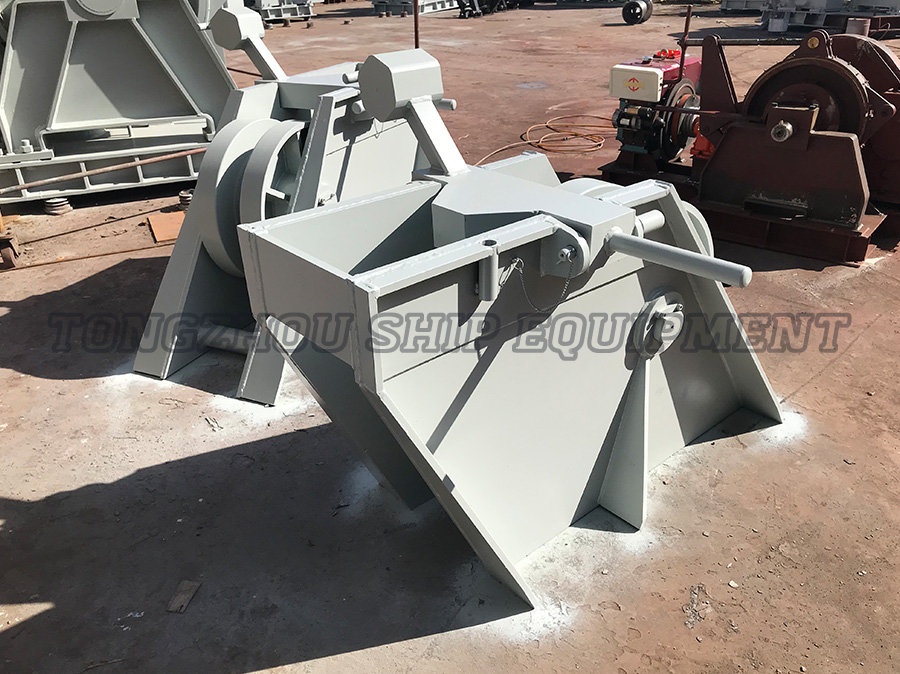 Marine Chain Stopper with Locking Mechanism for Anchor SystemsThis chain stopper secures the anchor chain and relieves windlass strain during anchoring. It protects the windlass from shock loads when the anchor is stowed, ensuring reliable operation in rough seas.View Product →
Installation, Inspection, and Maintenance
A fairlead fails most often because of poor bedding, corrosion at weld seams, and worn roller bearings, not because of sudden overload. The mounting base must sit flush on the deck or bulwark plate so the load spreads over the whole footprint; shims can close local gaps, but excessive shimming weakens the connection.
Installation
- Clean the contact surface to bare metal and apply a zinc-rich primer before welding or bolting.
- Align the guide radius with the winch drum or windlass gypsy so the line does not scrape the edge of the fairlead.
- Use a backing plate on thin bulwarks to prevent deformation under load.
Inspection and maintenance
- Inspect monthly for hairline cracks around welds and for groove wear; a worn groove reduces the breaking strength of the line.
- Check roller bearings for free rotation and replace them when there is noticeable play or corrosion.
- Keep the line-contact surface coated with marine grease to reduce friction; avoid grease on the rope itself because it attracts abrasive particles.
- After a heavy weather or mooring failure event, perform a full thickness check of the mounting plate and compare the measured values with the original drawings.
FAQ: Fairlead in Ship Deck Machinery
The questions below appear most often in procurement and installation discussions.
Can a ship fairlead be used for both anchoring and mooring?
Yes, if the opening radius suits the anchor chain as well as the mooring rope. The fairlead must be checked for both line sizes and for the different load angles created by the anchor windlass and the mooring winch.
What is the difference between a fairlead and a chock?
A chock is a fixed-mould opening in the hull or bulwark, while a fairlead can include rotating rollers, a pedestal, or an adjustable guide. In daily language the terms are often used interchangeably, but in technical drawings a chock is usually the simpler item.
Do ship fairleads need classification society approval?
Yes, for classed vessels. The fairlead is considered a hull fitting; classification rules for mooring and anchoring equipment apply. Unclassed workboats can use recommended standard designs, but the load certificate should still be supplied with the equipment.
Can a fairlead be retrofitted on a vessel in service?
Yes, but the fastening foundation has to be checked against the original structural drawings. Adding a fairlead on a thin bulwark often requires a reinforcing collar or a backing plate.
How long does a ship fairlead last?
With correct material selection and regular maintenance, a thicker cast or fabricated fairlead lasts the life of the hull, typically more than 20 years. Rollers and bearings are replaceable wearing parts.
A ship fairlead is not just a steel block; it is the load path between the mooring line and the hull. Getting the type, material, rating, and installation angle right protects the crew, the line, and the whole deck machinery package. Our fairleads are manufactured with the same documentation and load testing as our windlasses and winches, so the complete system arrives with one source of responsibility.