English
  عربى
عربى  中文简体
中文简体 
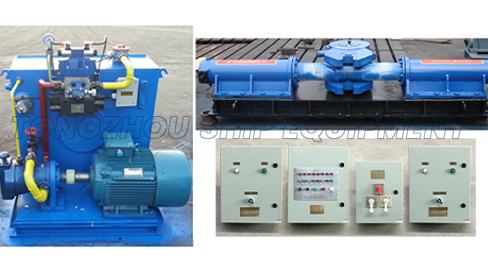

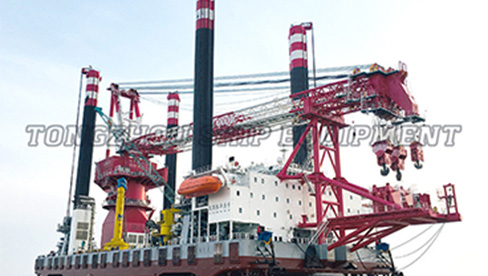


A single bitt bollard is a vertical steel or iron mooring post that provides a simple, strong point for securing a ship’s line. It is particularly effective on berths where tidal changes cause the mooring line angle to become steep, because the single post allows the eye or loop to slide along the bitt without catching on a crossbar. In short, if you need a dependable, easy-to-use bollard for a commercial dock, shipyard, or small-craft harbour, the single bitt design is a practical starting point.
Content
What Is a Single Bitt Bollard?
A single bitt bollard is a mooring fitting made of one vertical post, usually cast or fabricated from steel, fixed to a wharf or deck and used to hold mooring lines by looping the line around the post or dropping a line’s eye over it. The bitt head is the upper part that receives the line; its shape is flared or slightly tapered so a loop can be dropped over it quickly and removed just as easily. Because there is no second bitt or crossbar, the line can bear at almost any vertical angle, which is the single bitt design’s main structural advantage.
Key Design Characteristics
The design of a single bitt bollard is driven by load capacity, line angle, and corrosion resistance. Most units are made from cast carbon steel, ductile iron, or fabricated steel, then hot-dip galvanized or painted with a heavy-duty marine coating for use in saltwater. The bollard is anchored to the quay or deck with stud bolts or embedded anchors, and the base plate is thick enough to spread line loads into the supporting concrete or steelwork.
| Parameter | Typical Range | Why It Matters |
|---|---|---|
| Material | Cast steel, ductile iron, mild steel | Cast products handle impact; fabricated units offer lower cost for moderate loads. |
| Safe working load | 15 kN to 600 kN | Must exceed the maximum mooring line tension expected at the berth. |
| Height | 250 mm to 600 mm | Determines the vertical angle and must suit the deck freeboard of berthed vessels. |
| Surface protection | Hot-dip galvanizing, epoxy paint | Prevents corrosion in marine environments and reduces maintenance time. |
| Base type | Flat base with anchor holes, or embedded | Embedded bases minimize protrusion but require careful casting. |
A single bitt bollard is often paired with a fairlead or chock so the line leads onto the bollard at a controlled angle and does not chafe against a quay edge.
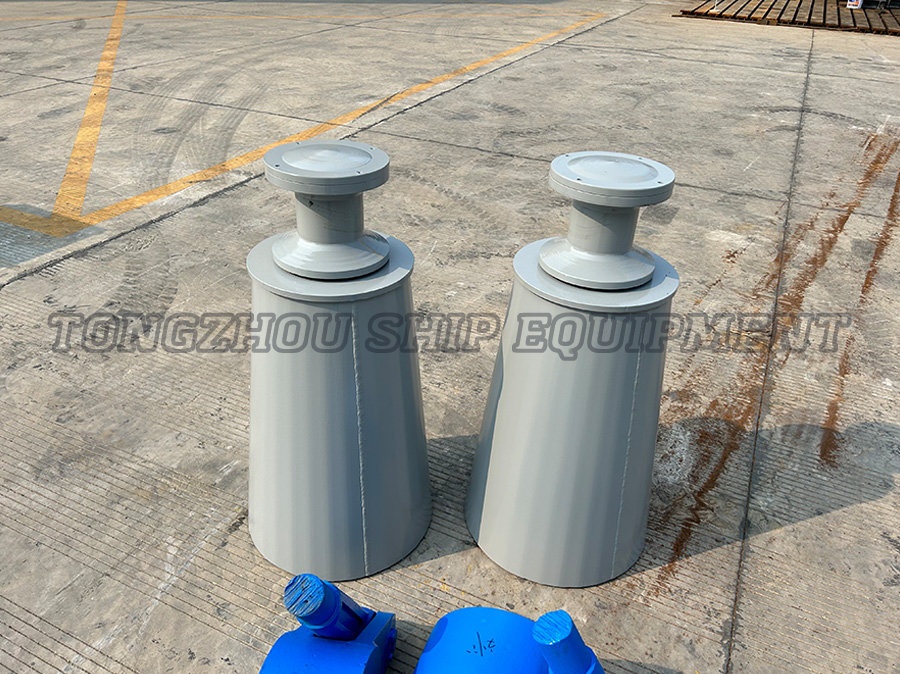 Marine Fairlead for Guided Mooring LinesThis deck-mounted fairlead directs ropes or chains smoothly, reducing friction and wear. It suits vessels from merchant ships to offshore platforms and is built from corrosion-resistant marine-grade materials.View Product →
Single Bitt vs Other Bollard Types
Single bitt bollards offer a key advantage over double bitt and T-head models: they accept a line from a wider vertical angle and are easier to lasso. Double bitt bollards have two posts and are better for controlling multiple lines, but they can create higher chafing risk at steep angles. T-head bollards provide a very secure belay point but do not tolerate a sharply rising line well. Kidney and cleat bollards are designed for small craft and low-load applications.
| Type | Best Suited For | Limitation |
|---|---|---|
| Single bitt | Tidal berths, steep mooring angles, rapid line handling | Less convenient for multiple lines on one post |
| Double bitt | Commercial vessels, multiple spring lines | Narrow vertical angle; loop can jam between posts |
| T-head | Heavy ships, permanent berths | Line cannot ride vertically without snagging |
| Kidney | Small craft, yacht harbours | Low load capacity |
| Cleat | Light application, temporary tie-up | Not for large vessel lines |
Where Single Bitt Bollards Work Best
Single bitt bollards are most effective in areas with large tidal ranges, steep mooring angles, and mixed vessel traffic. When the water level drops or rises, the mooring line angle changes quickly; a single vertical post allows the line to ride up and down smoothly, reducing snap loads and chafe. This is why many ferry terminals, fishing harbours, and bulk loading piers specify single bitt units.
- Berths with high tidal variation: line angles can become steep and still clear the bollard head.
- Small to medium commercial vessels: crews can drop a line loop over the bitt quickly without threading through a narrow gap.
- Quay corners and narrow approaches: a single bollard can be positioned close to the edge without interfering with other fittings.
- Retrofit projects: a single bitt has a compact footprint and can be installed where a larger double bitt structure would be costly.
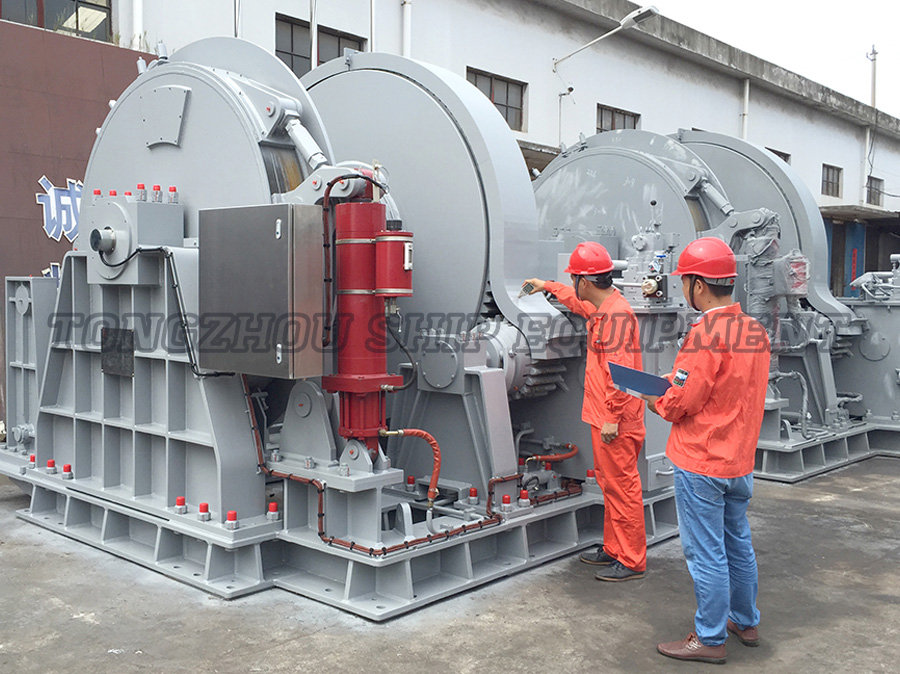
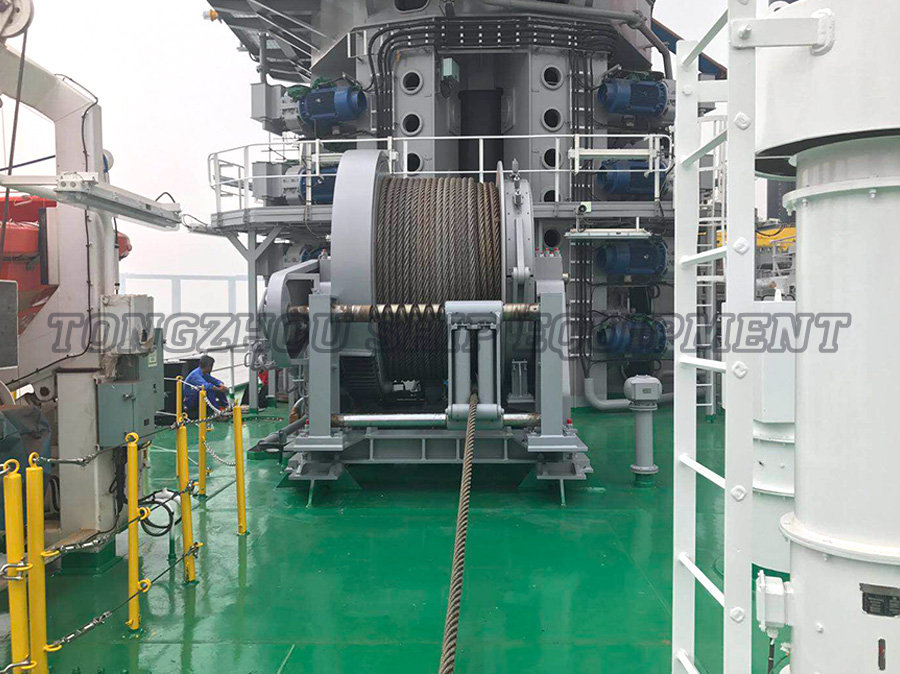
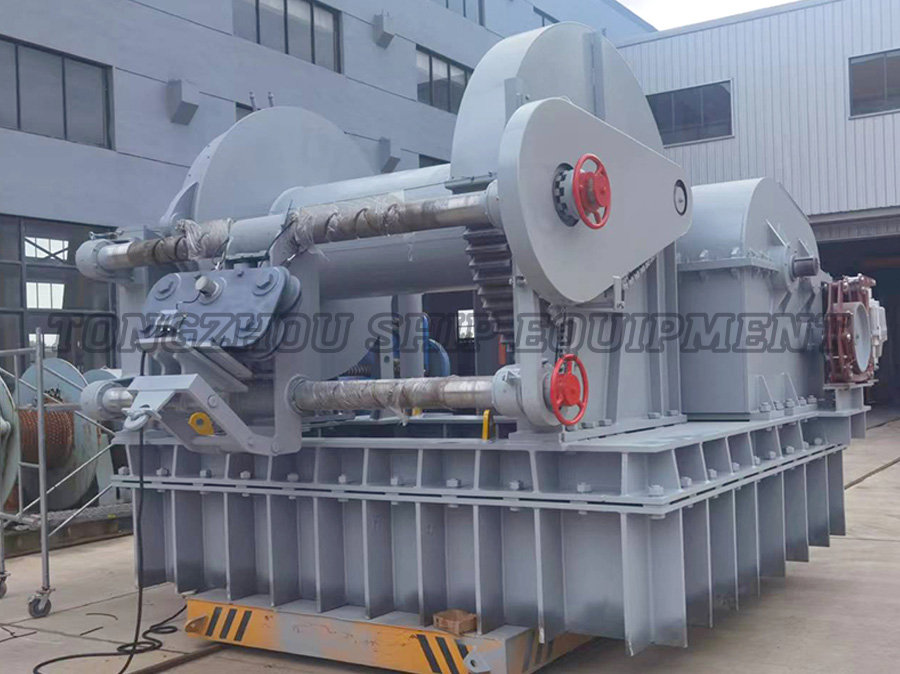
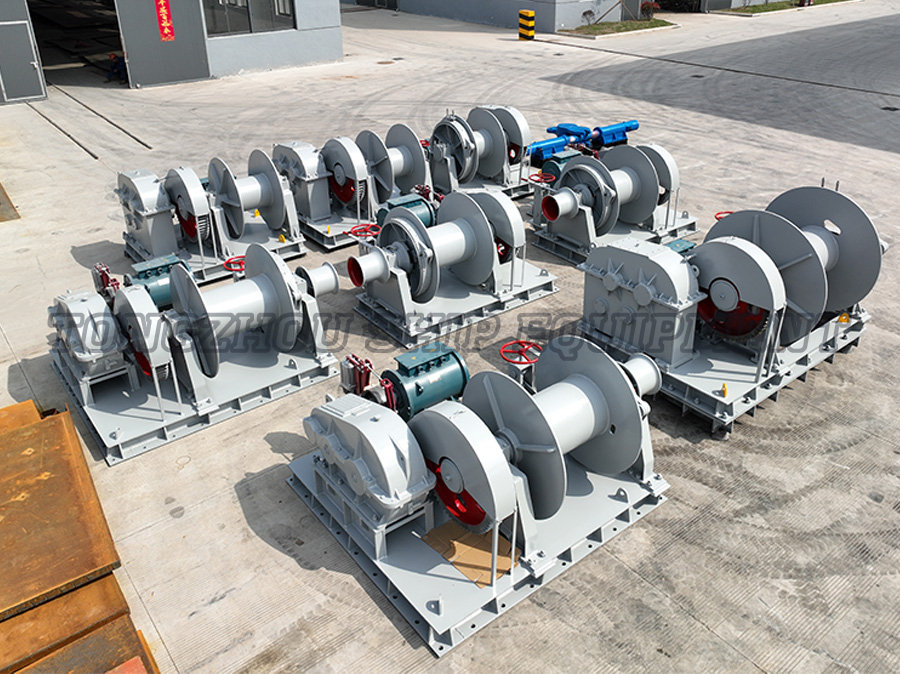
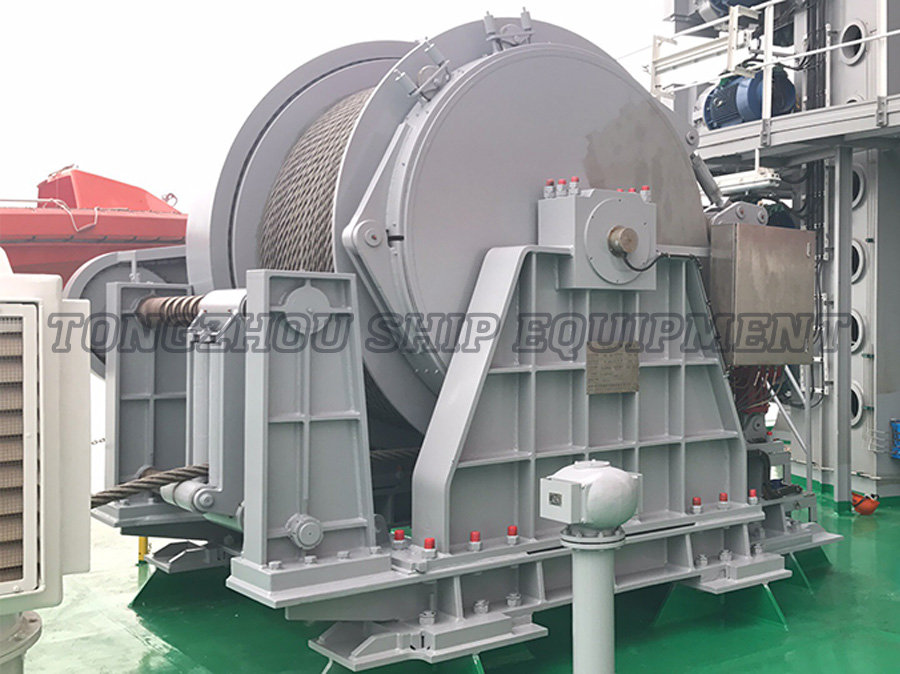
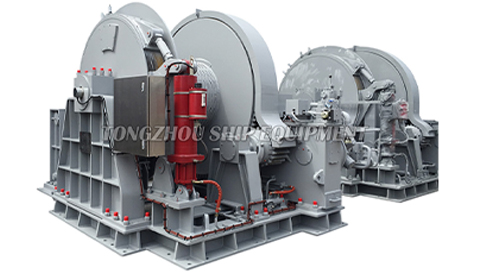
These bollards work as part of a complete mooring package that includes shipboard mooring line handling devices, fairleads, and winches. For deep-sea vessels, a combined windlass and mooring winch on the ship is often used in conjunction with the shore bollard to control line tension during loading and unloading.
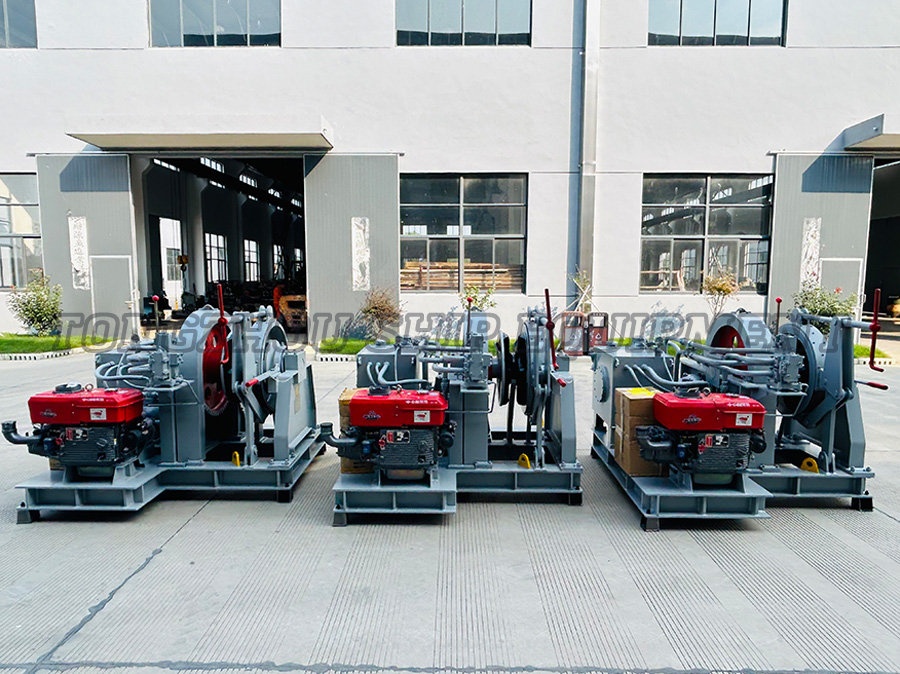
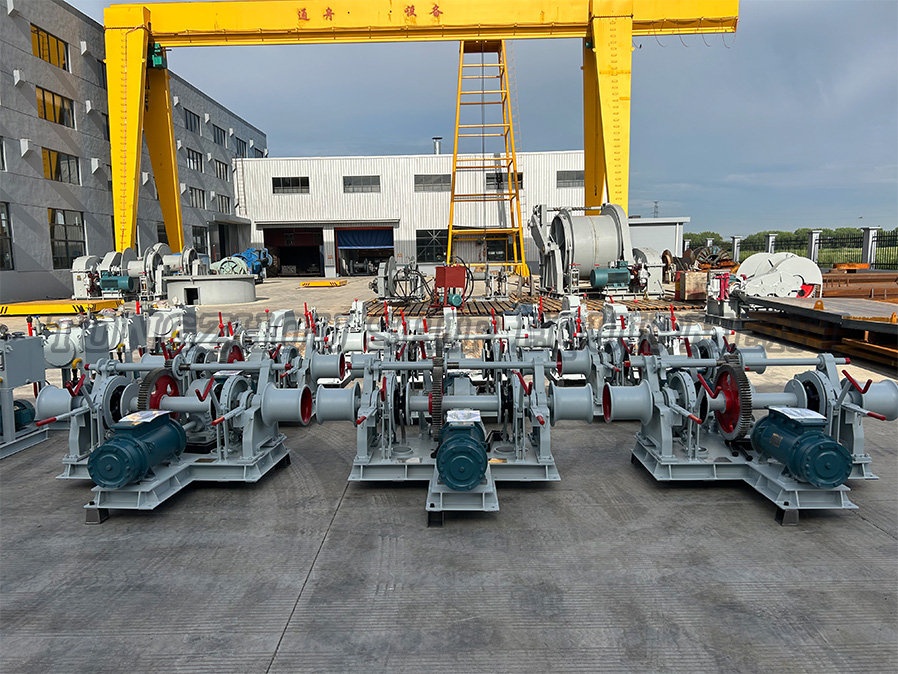
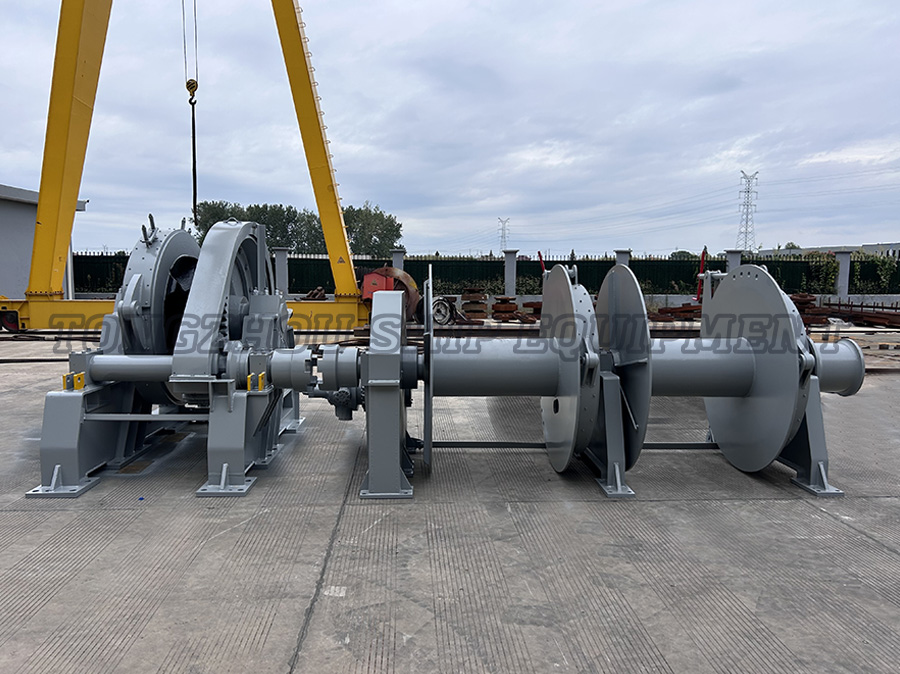
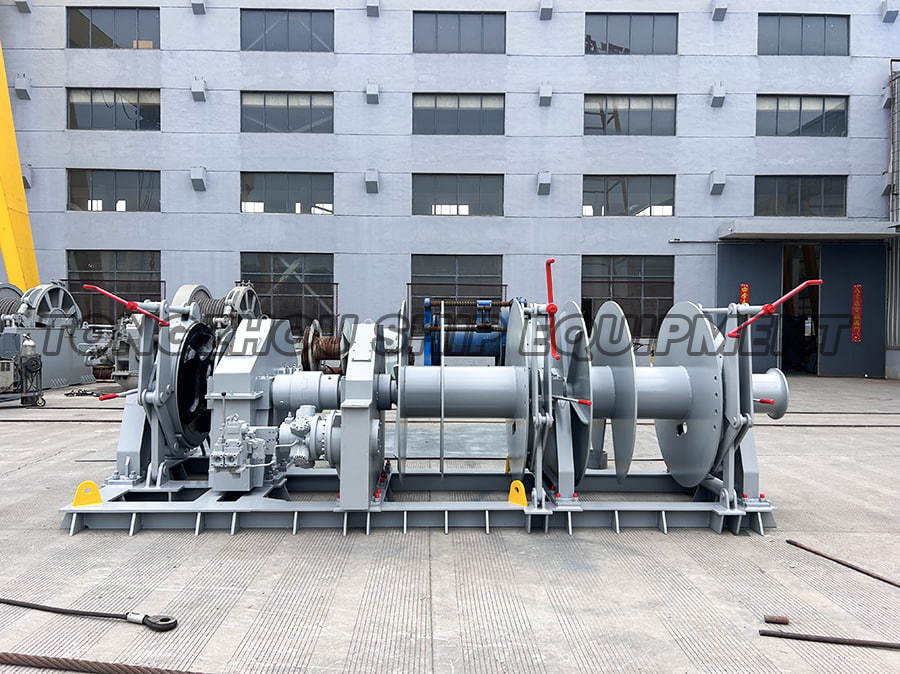
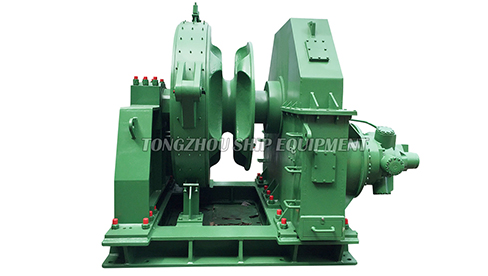
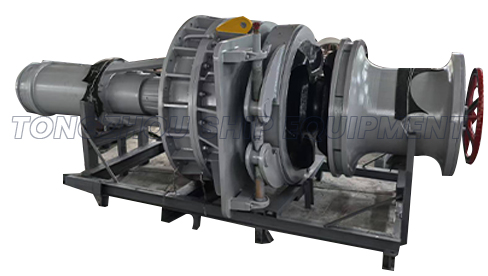
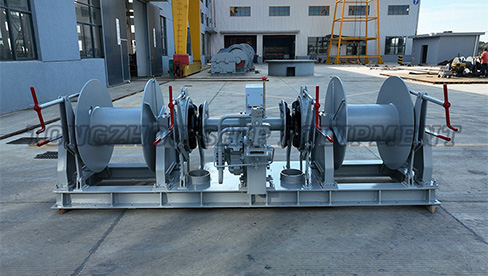 Hydraulic or Electric Combined Windlass and Mooring WinchThis combined anchoring and mooring system is available in hydraulic, electric, or diesel versions with a wide load range. It integrates with shore bollards to control line tension during cargo operations.View Product →
How to Select the Right Single Bitt Bollard
Selection begins with calculating the required safe working load (SWL), not by choosing the largest bollard you can find. An oversized bollard may crack the quay foundation if the load path is not properly engineered. Start by determining the maximum expected line pull, which depends on vessel displacement, wind and current forces, and the number and angle of mooring lines.
- Determine the vessel’s maximum mooring line tension at the berth.
- Choose a bollard SWL that is at least 1.5 times the expected maximum line tension.
- Check the line angle: the bollard must accept the steepest angle that will occur at low or high tide.
- Match the bollard material to the environment: cast steel for impact-prone locations, ductile iron for general marine use.
- Verify the base design and anchor bolts against the concrete or steel deck capacity.
- Mention applicable standards — ISO 3913 (shipbuilding — bollards), OCIMF guidelines, or national harbour specifications.
Also consider the space around the bollard. The line should be able to swing through at least 90 degrees horizontally without contacting an adjacent fitting. If multiple bollards are required, spacing is usually ten to fifteen times the line diameter, but local port rules often dictate exact distances.
Installation and Maintenance
Most single bitt bollards are installed on reinforced concrete or steel structures using anchor bolts, and maintenance is limited to visual checks and corrosion touch-up. Before pouring concrete, embedded bollards must be positioned so that the bitt head faces the expected line approach. For through-bolted units, the deck must be strong enough to resist both horizontal shear and uplift caused by the line’s vertical component.
- Torque anchor bolts to the manufacturer’s specification and re-check after the first month of service.
- Inspect the bollard surface every six months for cracks, deformation, or weld defects.
- Wash off salt deposits and touch up scratched coating immediately to prevent localised corrosion.
- Repair or replace any bollard that shows permanent deformation or loss of cross-section thicker than 10%.
Frequently Asked Questions
What is the difference between a single bitt and a double bitt bollard?
A single bitt bollard uses one vertical post; a double bitt bollard uses two closely spaced posts joined at the top. Single bitts allow the mooring line to move over the top at steep angles, while double bitts provide better separation for multiple lines but are less tolerant of changes in vertical line angle.
Can a single bitt bollard be used for small craft?
Yes. Small yachts and workboats can use lightweight single bitt bollards, often made of fabricated steel or aluminium. The key is to match the SWL to the vessel’s line strength and not exceed the bollard’s rated load during fastening.
Why does a single bitt bollard work better in tidal areas?
Because there is no crossbar or second post, the mooring line can slide vertically along the bitt as the vessel rises and falls with the tide. This lowers peak loads, reduces chafing, and keeps the line securely in place without the need for a stopper.
Do single bitt bollards need a crossbar?
No. The absence of a crossbar is a deliberate feature. A crossbar would trap the line when the angle changes sharply. Some designs have a small horizontal pin to prevent the loop from lifting off under slack conditions, but it is optional and usually not fitted on dedicated single bitt bollards.
A single bitt bollard is a small but critical piece of marine infrastructure. Choosing the correct load rating, material, and foundation details prevents mooring failures at the quayside. For new projects, work with a supplier that understands the entire mooring chain — from the bollard and fairlead on the pier to the windlass and mooring winch on the vessel — so that every component works well together.