English
 عربى
 中文简体

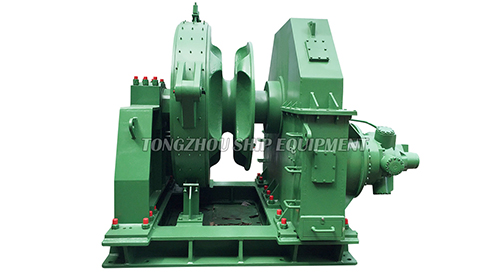
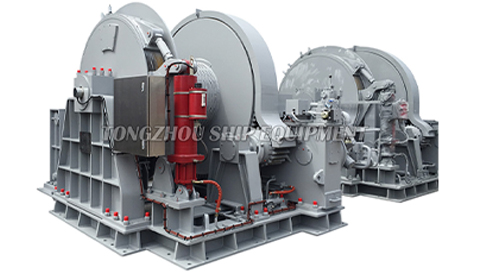
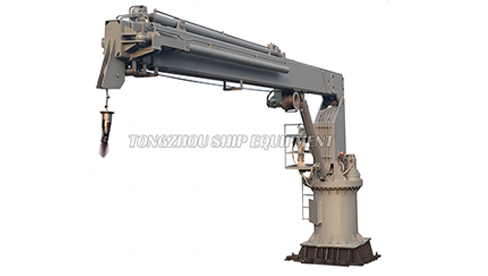
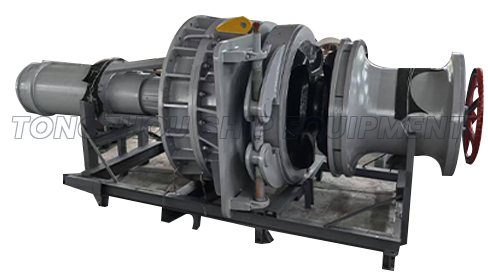
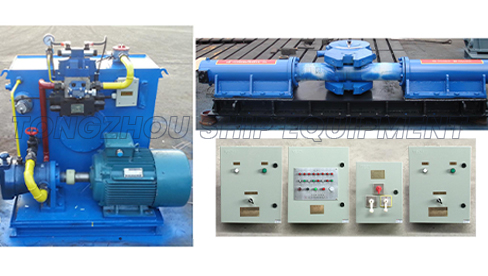
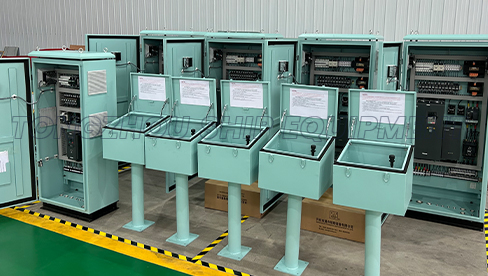
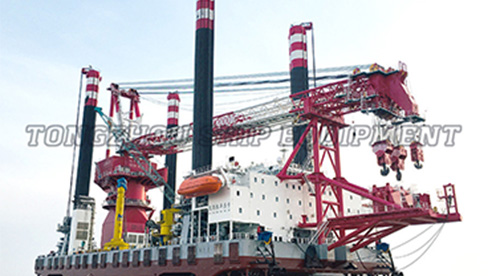


A slewing crane is a lifting machine that rotates around a vertical axis so the load can be placed anywhere within the crane's working radius without moving the ship, truck, or foundation. For a vessel, the practical answer is simple: if the crane must spot loads over the side, onto a quay, or between deck positions, specify slewing; if it only lifts in one fixed arc, a stiff-boom or telescopic crane is usually lighter, cheaper, and easier to certify. The rest of the specification—capacity, torque, drive, and class—should be built from the load chart, not from a single headline number.
Content
What Defines a Slewing Crane?
Slewing is rotation about a vertical axis. A slewing crane therefore combines a load-hoisting system with a slewing bearing, a jib or boom, and a control system that allows the operator to place the hook at a specific radius and angle. On deck, that rotation is what turns a crane from a simple hoist into a positioning tool.
The main structural groups are the pedestal or column, the slewing ring and drive, the jib, the hoist winch, the luffing system, and the power unit. Hydraulic cranes use a hydraulic motor and gearbox on the slewing ring; electric cranes use a motor and brake; diesel cranes carry their own engine and hydraulic pump. The control interface may be a pendant, a radio remote, or a cabin, depending on duty and visibility.
Two terms are often confused. Slewing speed is the angular velocity of the crane, usually measured in revolutions per minute. Slewing torque is the moment required to start and stop that rotation under load, wind, and vessel list. A crane with a generous load chart but marginal slewing torque will feel unsafe in a beam sea, because the operator cannot arrest the load smoothly.
Slewing vs Non-Slewing: The Procurement Question
Choose slewing when the working area is two-dimensional; choose non-slewing when the lift is repetitive and deck space is tight. A non-slewing crane may be a better commercial choice for a small workboat that only lifts its own stores, because it avoids the slew ring, the slewing brake, and the extra class scrutiny that comes with a rotating structure.
Slewing cranes earn their cost in three situations: quayside or ship-to-ship transfer, where the hook must reach beyond the hull; offshore supply and platform work, where the crane must follow a moving target; and general deck service, where the operator needs to spot a load onto a specific pallet or hatch without warping the vessel.
- Use slewing for over-the-side lifts, hose handling, and stores transfer.
- Use non-slewing for fixed-arc engine room or provision cranes.
- Compare the load chart at the required radius, not at the hook.
- Check the slewing brake and emergency lowering function before purchase.
Common Slewing Crane Configurations
The most common vessel configuration is a pedestal-mounted jib crane with a hydraulic slewing ring, a luffing cylinder, and a hoist winch. Port jib cranes use the same principle but are usually larger, faster, and mounted on a rail or fixed quay foundation. Offshore cranes add heave compensation or constant-tension control, while compact deck cranes may use an electric slewing motor for lower maintenance.
For a manufacturer, the useful split is by drive and duty rather than by name. A 2000 kN-class crane and a small stores crane may both slew, but they do not share bearings, brakes, or control philosophy. Buyers should ask for a general arrangement drawing, the load chart, and the slew torque calculation—not just a capacity figure.
 Ship Deck and Offshore CranesExplore ship deck and offshore cranes with knuckle, telescopic, and lattice boom configurations for cargo handling and offshore lifting duties.View Product →
Core Selection Criteria
Start with the load chart at the worst-case radius, then work backward to slew torque, duty class, and certification. A crane that meets the maximum load only at minimum radius is not the same as a crane that meets the working load at the required outreach.
| Parameter | What to verify | Practical effect |
|---|---|---|
| Rated capacity and load curve | Capacity at actual radius, boom length, and hook height | A 20 t crane may lift only 5 t at 12 m; using the headline number can overload the pedestal. |
| Slewing torque and speed | Start/stop torque under full load, wind, and list | Low torque causes load drift and difficulty spotting the hook. |
| Duty class | ISO/FEM duty cycle, starts per hour, average load | A light-duty crane used continuously will overheat hydraulics and wear the slew ring early. |
| Drive type | Hydraulic, electric, or diesel; hazardous-area rating | Drive choice changes response, maintenance, noise, and power supply requirements. |
| Certification | Class society approval for the intended vessel flag | Without the right certificate, the crane cannot be installed on a classed vessel. |
| Structural interface | Pedestal bolt pattern, deck reinforcement, weld details | Poor foundation design transfers vibration into the deck and shortens slew ring life. |
Hydraulic, Electric, or Diesel Drive?
Hydraulic drive is the default for heavy slewing cranes, electric drive is the cleanest option when ship power is reliable, and diesel drive is the only practical choice where no electrical supply exists. The decision should follow the vessel's power balance, not the crane catalogue alone.
| Drive | Best fit | Main trade-off |
|---|---|---|
| Hydraulic | High load, frequent slewing, offshore and deck service | Needs a hydraulic power unit, oil cooling, and disciplined contamination control. |
| Electric | Harbour, inland, and smaller vessels with stable power | Motor and brake size grow quickly with load; less tolerant of frequent starts. |
| Diesel | Barges, remote sites, and vessels without adequate electrical capacity | Fuel, exhaust, noise, and engine maintenance add operating cost. |
On a hydraulic crane, the power unit is not a commodity. It determines oil temperature, filtration, and the response of the slewing motor. Specify the reservoir volume, cooler rating, and filtration level against the actual duty cycle rather than the crane's nominal pressure.
 Marine Hydraulic Power Unit RangeBrowse Hydraulic Power Unit 01–09 for marine deck machinery, with inquiry links for matching hydraulic power, filtration, and installation needs.View Product →
Installation, Structure, and Class Approval
Installation starts with the deck foundation, not with the crane. The pedestal must transfer the overturning moment into the deck without exceeding allowable stress or causing local buckling. That usually means reinforced plating, insert plates, or a dedicated foundation tied into longitudinal structure.
Class approval is a design constraint, not a formality. A crane on a classed vessel must be surveyed for its lifting appliance, and the survey will examine the load chart, the slewing brake, the limit switches, the emergency lowering system, and the structural connection. If the vessel changes flag or class, the crane documentation may need review.
For deck-mounted lifting equipment, the interface between the crane base and the ship structure deserves the same attention as the crane itself. Misalignment of the slewing ring, uneven bolt preload, or a foundation that flexes under load will show up as noise, oil leakage, and premature bearing failure.
Maintenance, Safety, and Common Failure Points
Slewing cranes fail most often at the slew ring, the hydraulic system, and the electrical control interface—not at the hook. A maintenance plan that focuses on those three areas will prevent most unplanned downtime.
- Check slew ring bolts for preload and corrosion at every scheduled inspection.
- Lubricate the slewing bearing and gear teeth with the specified grease, not a general-purpose substitute.
- Sample hydraulic oil and change filters on condition, not only on calendar hours.
- Test the slewing brake, overload protection, and emergency lowering before each operation.
- Inspect limit switches, pendant cables, and radio remote batteries.
- Record oil temperature and pressure trends to detect pump wear early.
Safety functions are not accessories. The overload limiter, slewing brake, and emergency lowering valve must be tested under load, because a crane that cannot stop a swinging load is a hazard regardless of its capacity.
FAQ
What is the difference between slewing and luffing?
Slewing rotates the crane around a vertical axis. Luffing raises or lowers the jib to change the working radius. Most deck cranes need both: luffing to reach the load, and slewing to place it.
How do I choose the right slewing crane capacity?
Use the load chart at the maximum radius and the worst expected list and wind. Add the weight of the hook block, slings, and any below-the-hook device. Then confirm the pedestal and deck can take the resulting overturning moment.
Is a hydraulic slewing crane better than an electric one?
Hydraulic drive generally gives smoother slewing and higher torque density for heavy loads. Electric drive is cleaner and simpler where ship power is stable and the duty cycle is light. The right answer depends on load, usage, and power availability.
What certification should a slewing crane have?
It should carry approval from the class society required by the vessel's flag and trade. Common approvals include CCS, ABS, BV, DNV, LR, NK, and KR. The certificate should match the crane's actual configuration, not a generic model sheet.
Bottom Line
Specify a slewing crane from the load chart at the working radius, then verify slew torque, duty class, drive type, and class approval. Hydraulic drive remains the practical choice for heavy deck service; electric drive suits lighter, cleaner operations; diesel drive covers vessels without reliable power. Get the foundation and the certification path right at the start, and the crane will spend its life lifting rather than waiting for repair.