English
 عربى
 中文简体

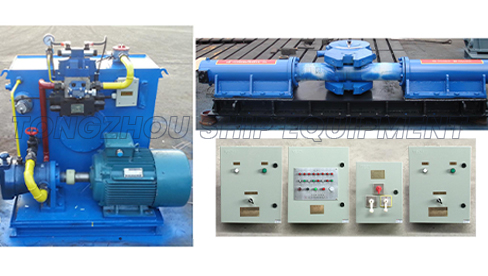
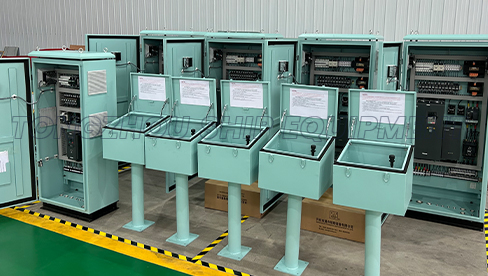
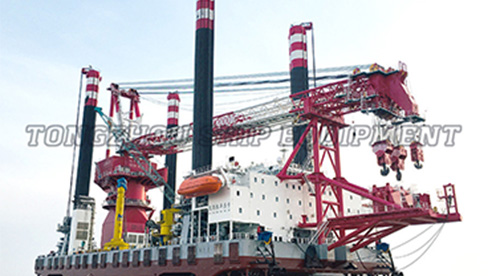


If you are comparing rudder quotations and the steering gear torque figures come back 40% apart, the discrepancy is usually not the supplier. It is the rudder type written into the specification. A 38 m² semi-balanced rudder hung on a skeg and a 38 m² spade rudder look identical on a drawing sheet, yet they load the rudder stock in completely different ways: the spade carries most of its area behind the stock and needs a smaller actuator, while the skeg-hung blade is supported at its lower edge and transfers load into the hull through a pintle.
The answer in one line: rudder types are defined by two independent axes. The first is how the blade is supported — fully balanced, semi-balanced, or unbalanced. The second is the blade profile — flat plate, streamlined spade, horn, flap, or a high-lift special. The support arrangement decides how much torque your steering gear must produce. The profile decides how much side force the blade generates and how it behaves when the wheel goes hard over.
Get those two axes confused and you buy the wrong actuator, the wrong stock diameter, and a rudder that either feels heavy at 30 degrees or oscillates at small angles because it is over-balanced.
Content
- The Main Rudder Types at a Glance
- Balanced, Semi-Balanced and Unbalanced: The Support Axis
- Blade Shapes: Spade, Horn, Flap and High-Lift
- How Rudder Type Drives Steering Gear Selection
- Matching Rudder Type to Vessel and Trade
- Rules, Tolerances and Documentation to Verify
- Procurement Pitfalls That Cost Money Later
- FAQ
The Main Rudder Types at a Glance
Five families cover almost every rudder afloat today, and the fastest way to sort a specification is to match it against their support arrangements and typical torque demand.
| Rudder type | Support arrangement | Typical vessels | Steering torque trend | Main trade-off |
|---|---|---|---|---|
| Spade (fully balanced) | Blade cantilevered on the stock only, no bottom support | Container ships, ferries, yachts, most new tonnage | Lowest for a given blade area | Excellent response, no protection from grounding |
| Semi-balanced (skeg-hung) | Lower pintle bearing on a fixed skeg, part of the blade ahead of the stock | Fishing vessels, coasters, harbour tugs | Moderate to high | Skeg shields blade and propeller, more drag and more parts |
| Unbalanced (horn) | Blade hung on a fixed horn or rudder post, top and bottom pintles | Older single-screw cargo ships, some tugs | Highest for the same blade area | Simple, robust, heavier gear and poorer astern behaviour |
| Flap / articulated | Main blade plus a hinged trailing flap | Ferries, Ro-Ro, manoeuvring-critical vessels | Similar torque, much higher lift | More linkages and pins to maintain |
| High-lift special | Bulbous blade or propeller-nozzle mounting | Inland push boats, tugs, workboats | Case-specific | Usually needs model testing to confirm gains |
Balanced, Semi-Balanced and Unbalanced: The Support Axis
Balance ratio — the share of blade area sitting ahead of the rudder stock — is the single number that changes your steering gear size the most.
The ratio works simply. Area ahead of the stock produces a moment that opposes the moment from the area behind it, so the actuator fights a smaller net force. Practical ranges used in commercial design are fairly consistent:
- Fully balanced spade: roughly 20% to 25% of blade area ahead of the stock. Lower ratios make the helm heavy; pushing past about 30% risks over-balance, where the rudder tends to drive itself to full angle and can vibrate at small angles.
- Semi-balanced skeg: typically 10% to 20%, because the skeg already absorbs part of the load.
- Unbalanced horn: little or no area ahead of the stock, so the full hydrodynamic force is converted into torque.
For a purchaser, the practical consequence is straightforward. If a yard swaps a spade rudder for a skeg-hung rudder of the same blade area without re-checking the actuator, the steering gear can end up running at 80% to 90% of its rated pressure just to hold course in a beam sea. That leaves no margin for the 35-degree hard-over requirement and shortens pump life.
Blade Shapes: Spade, Horn, Flap and High-Lift
Spade rudder
The spade is the default choice for new commercial tonnage, and for good reason: it produces the highest lift for its area and the lowest torque for its size.
Because nothing supports the blade at the bottom, the rudder stock carries the full bending moment plus torque. That means a thicker stock, a heavier upper bearing arrangement and a carefully machined cone or keyed connection. Sections are normally streamlined foils in the region of 18% to 21% thickness, with a blunt trailing edge to avoid cavitation. The trade-off is ground protection — if the vessel takes the bottom, the blade or stock usually takes the damage.
Horn rudder
The horn rudder remains common on older single-screw cargo ships and on some workboats, and it is chosen for robustness rather than efficiency.
A fixed horn structure ahead of the blade carries the lower pintle, so the stock sees far less bending. Torque is high, astern performance is poorer because the horn blocks the flow when the propeller reverses, and the whole assembly adds resistance. On a refit, replacing a horn rudder with a semi-balanced skeg type is often one of the cheaper fuel-saving changes, provided the actuator and stock are re-checked.
Semi-balanced skeg rudder
The semi-balanced skeg rudder is the standard answer wherever the propeller and blade need physical protection — fishing vessels working shoal grounds, small coasters, and harbour craft that regularly come alongside.
It sits between the other two on torque and gives predictable steering because the skeg stabilises the flow into the blade. The pintle bearing is the maintenance point to watch: clearance is usually specified in the class-approved drawing, and a worn pintle shows up as rudder vibration at small angles long before it shows up as heavy steering.
Flap and articulated rudders
A flap rudder adds a hinged trailing section that deflects further than the main blade, and it can raise lift substantially at the same rudder angle — useful when a ferry has to hold a narrow channel in a cross wind.
Torque does not automatically increase, because the flap also delays stall on the main blade. What does increase is part count. Linkages, pins and stops need inspection intervals written into the planned maintenance system, and the flap angle must be set during commissioning to match the class-approved geometry.
High-lift and special types
Bulbous rudders with a streamlined bulb at the blade leading edge, and rudders mounted behind a propeller nozzle, belong in this group.
They are selected case by case, usually after CFD or model testing, because the gain depends on the hull form and the wake field. On inland push boats and tugs, the extra lift directly improves stopping distance in a lock — a safety argument, not just an efficiency one.
How Rudder Type Drives Steering Gear Selection
Once the rudder type is fixed, the steering gear follows from the torque, and the two mainstream hydraulic arrangements cover almost the whole commercial range.
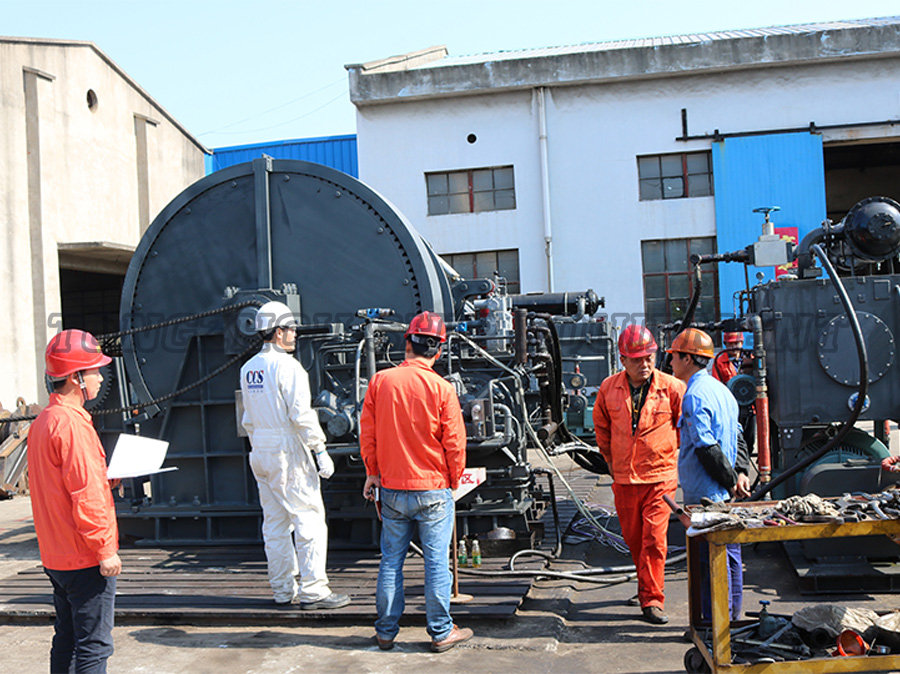
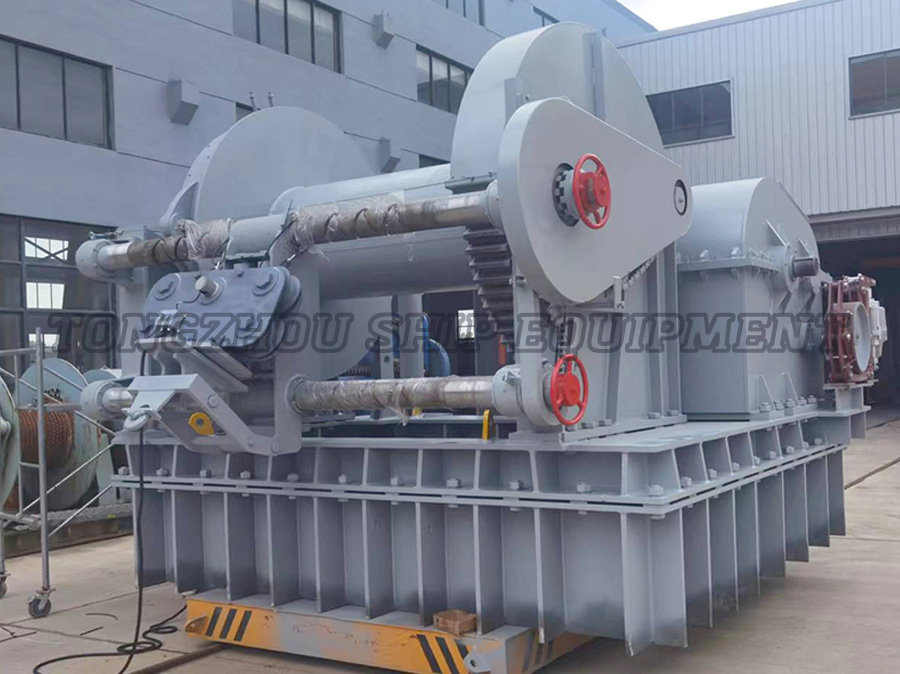
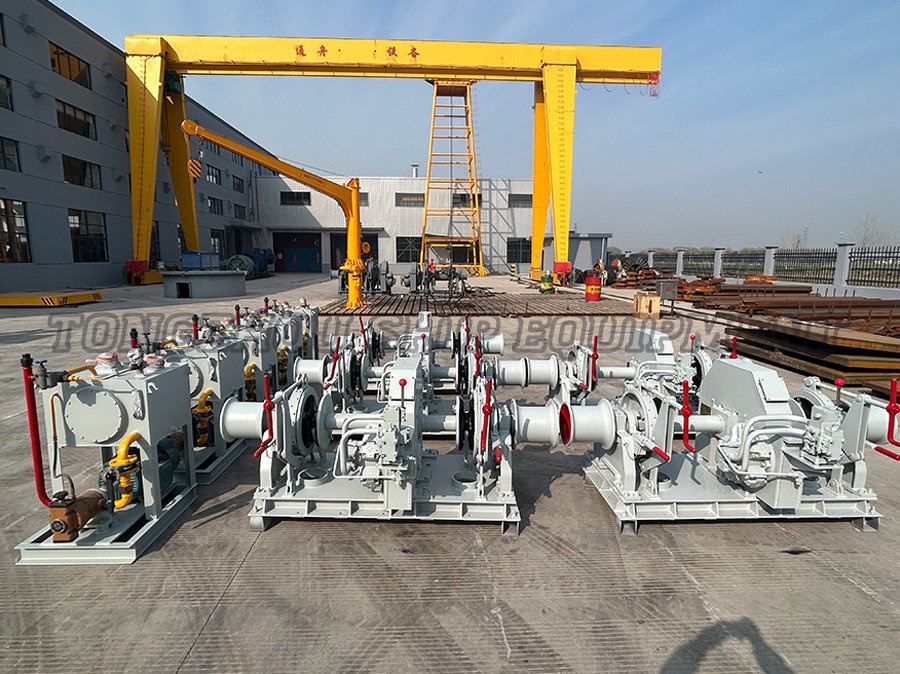
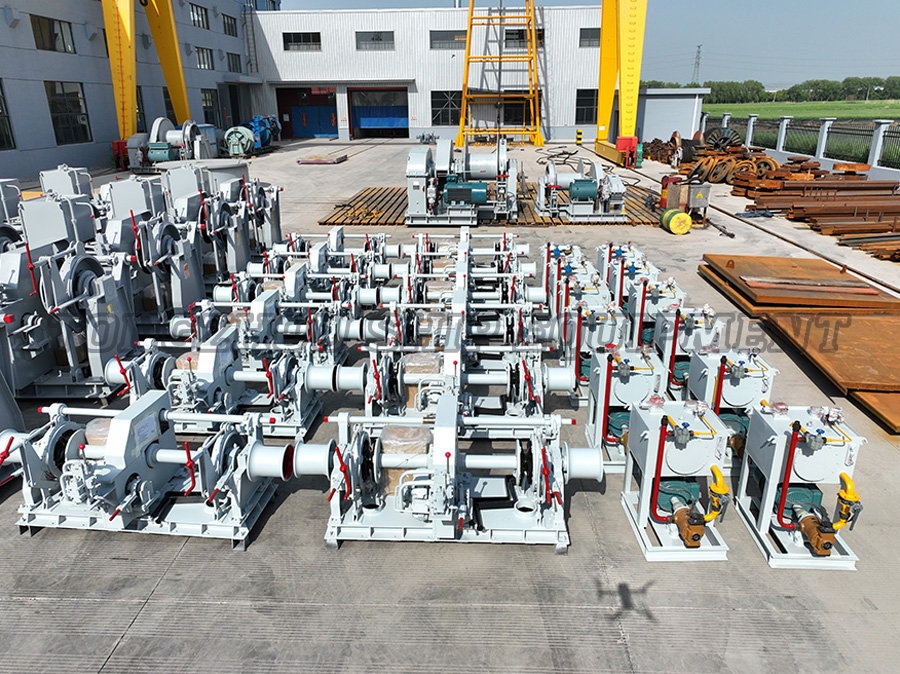
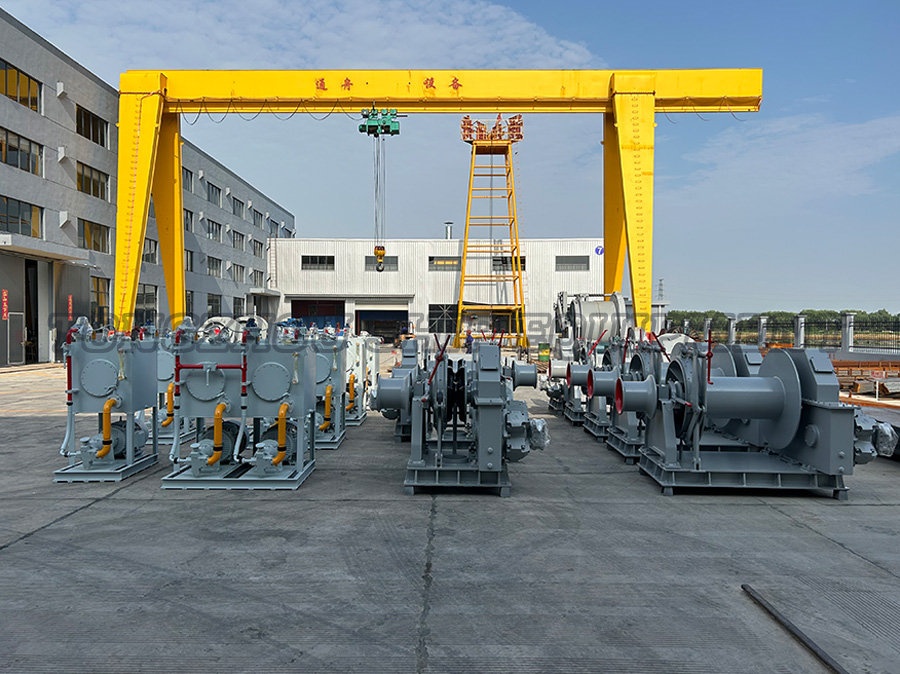
The fork-type (also called rotary vane or fork) actuator turns the rudder stock through a fork and tiller arrangement and is normally the choice for larger single rudders, with output covering roughly 25 kN·m up to about 1350 kN·m. It keeps the rudder angle range generous and tolerates the higher torques that unbalanced and large spade rudders demand. Typical installations of this kind are described here: fork-type actuation devices.
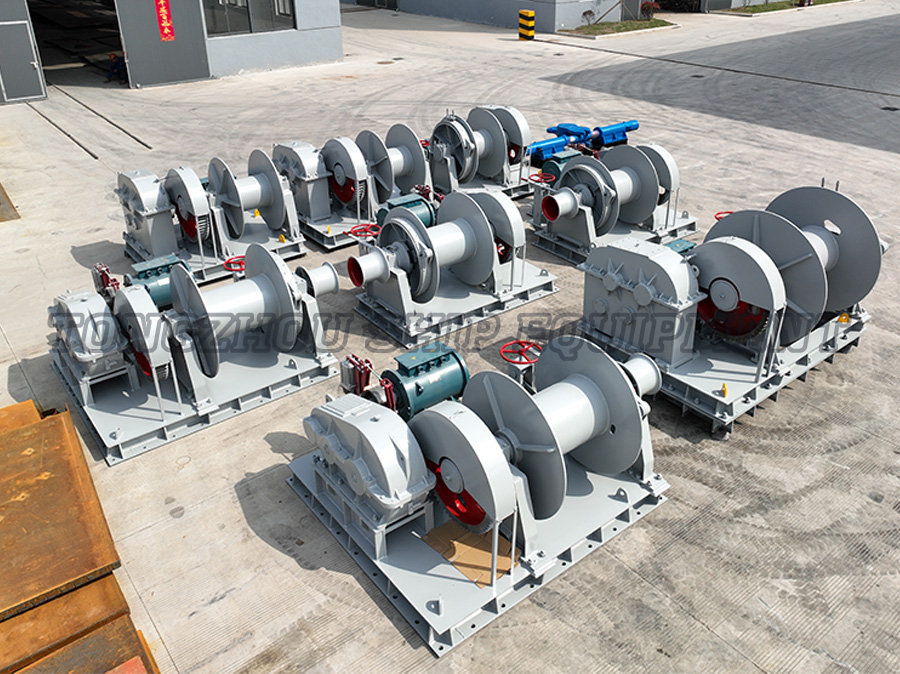
The swing-cylinder arrangement uses one or two hydraulic cylinders pushing a tiller arm, and it suits smaller rudders, twin-rudder installations and spaces where a compact footprint matters. Output ranges in the region of 8 kN·m to 600 kN·m are common.
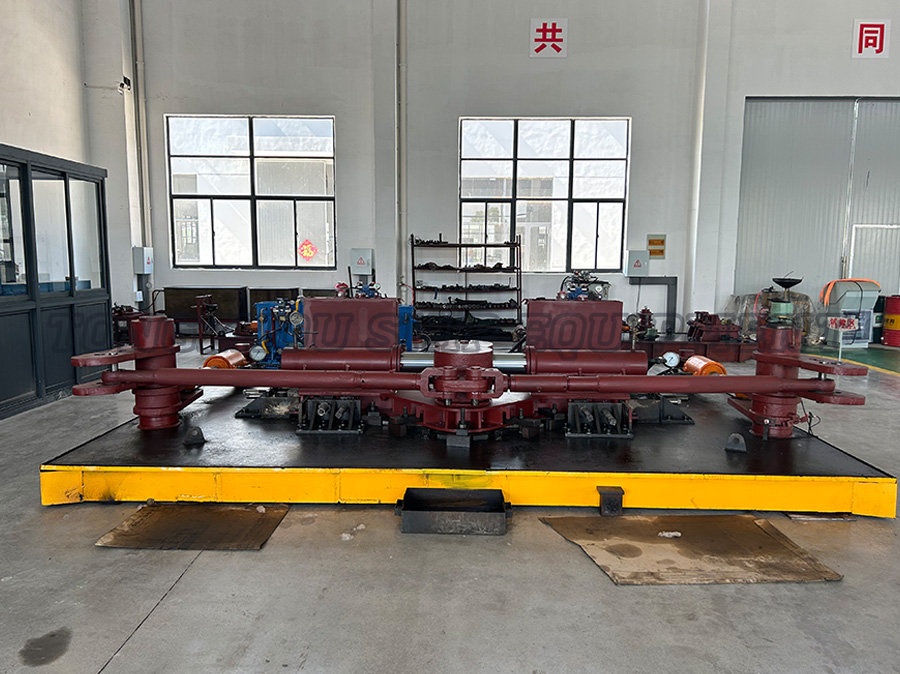 Fork Type Hydraulic Steering Gear for Marine VesselsBrowse forked hydraulic steering gear variants for marine and aviation rudder control, with supplier contact links and model listings 01 through 09.View Product →
Matching Rudder Type to Vessel and Trade
Vessel type and trading pattern narrow the choice faster than any other input.
- Container ships and large ferries: fully balanced spade rudder, sometimes with a flap, sized for a 35-degree hard-over at service speed.
- Fishing vessels and small coasters: semi-balanced skeg rudder for grounding and propeller protection, with a pintle bearing that can be inspected afloat where possible.
- Harbour and ocean tugs: high-lift flap or nozzle-mounted rudders, often combined with a steering gear sized for sustained high torque rather than peak torque.
- Twin-screw workboats and small craft: compact swing-cylinder steering gear, because two rudders rarely need the torque of one large spade.
- Sailing and motor yachts: spade rudder, thin foil sections, low balance ratio to keep feel at the helm.
For smaller rudders and confined engine rooms, cylinder-based actuation of the kind used in swing motion drive units is often the practical route, because it lets the gear be moved into the space that is actually available.
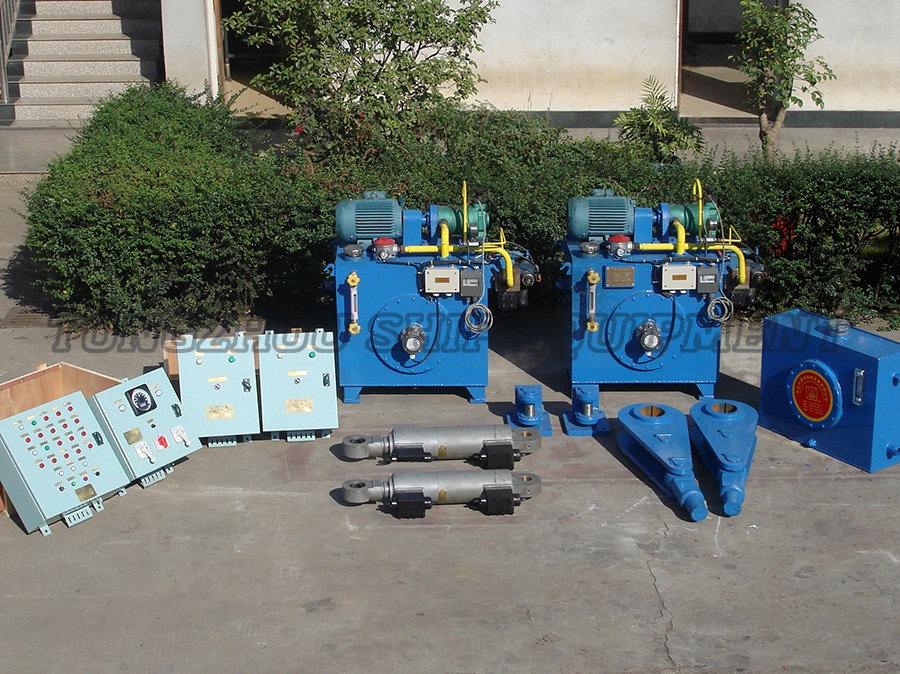 Swing Cylinder Hydraulic Steering Gear for Marine SteeringProduct page for swashplate swing-cylinder steering gear, showing variants 01-07 and contact options; suits large vessels needing compact, high-torque rudder control.View Product →
Rules, Tolerances and Documentation to Verify
Two documents decide whether a rudder and its steering gear will be accepted: the class-approved rudder drawing and the steering gear type approval certificate.
SOLAS Regulation II-1/29 sets the operating envelope that any type must meet: the main steering gear must move the rudder from 35 degrees on one side to 35 degrees on the other at maximum service speed, and the auxiliary gear, where fitted, must achieve 15 degrees each way within a defined time. Class rules built on the IACS unified requirements then govern stock scantling, horn strength and the hydraulic system's pressure and redundancy.
Three checks are worth building into the purchase order:
- Stock diameter calculation: confirm the material factor and the design torque used, and that the calculation matches the rudder type actually ordered — not an earlier revision of the drawing.
- Angle and feedback calibration: rudder angle indicators and limit switches should be set against the mechanical stops, with the electrical zero recorded in the commissioning report.
- Sea trial torque measurement: measured torque that differs from the predicted figure by more than about 10% is normally a trigger to re-check blade geometry, balance ratio and bearing clearance.
Welds on the stock-to-blade connection and on the horn or skeg assembly are normally subject to ultrasonic or dye penetrant examination, and the reports belong in the delivery documentation alongside the material certificates.
Procurement Pitfalls That Cost Money Later
Most rudder problems that surface after delivery trace back to a handful of decisions made at quotation stage.
- Comparing rudders by blade area alone. Area says nothing about torque; balance ratio and profile do.
- Ignoring over-balance. A rudder that steers too easily at small angles can hunt, load the gear unevenly and wear the pintle or upper bearing.
- Reusing an existing actuator on a rudder change. A new blade profile with a higher lift coefficient can exceed the old gear's pressure margin even though the area is unchanged.
- Skipping the interface drawing. Stock taper, keyway, tiller fit and bearing centres must be agreed between rudder and steering gear suppliers before either is manufactured.
- Assuming class approval covers the whole assembly. Rudder, stock, horn and steering gear may each hold separate approvals; the combination still needs checking against the vessel's class notation.
FAQ
Which rudder type is the most efficient?
A fully balanced spade rudder generally produces the highest lift for the least torque, which is why it dominates new commercial tonnage. Efficiency in the hydrodynamic sense is not the same as suitability, though — a spade gives no protection if the vessel works in shoal water.
What does "balanced" actually mean on a rudder?
It refers to the share of blade area positioned forward of the rudder stock axis. That area creates an opposing moment, so a balanced rudder needs less torque to turn for the same blade size. Balance ratios in the region of 20% to 25% are typical for spade rudders.
Can I replace a horn rudder with a spade rudder?
Yes, and it is a common refit, but the stock, bearings, steering gear and hull structure all have to be re-checked. A spade puts bending loads into the stock that the horn previously carried, so the stock and upper bearing arrangement usually change as well.
How much rudder angle should the steering gear deliver?
SOLAS requires the main steering gear to swing the rudder 35 degrees to each side at maximum service speed, with an auxiliary means of 15 degrees each way as a fallback. Many designers set the mechanical stops slightly beyond this so the electrical limits always trigger before metal contact.