English
  عربى
عربى  中文简体
中文简体 
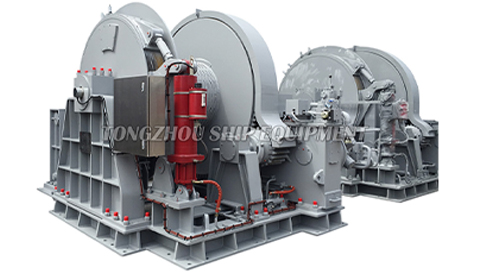
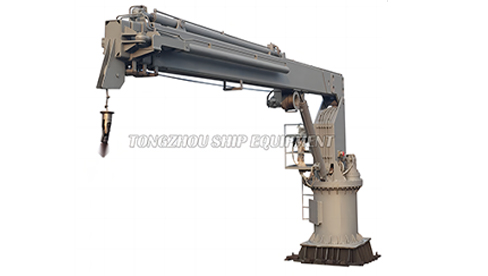
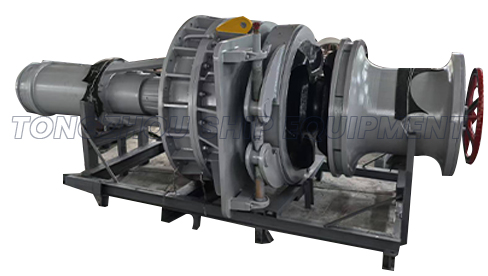
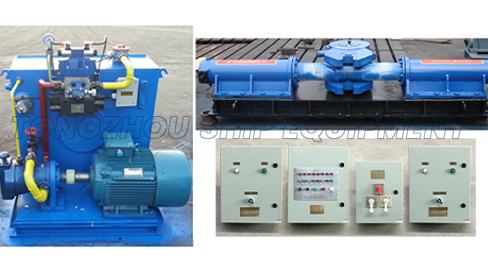

Specification
| Torque Output | 100 Nm to 120,000 Nm |
| Rotation Range | 0掳 to 360掳 continuous or limited rotation |
| Drive Type | Electric, hydraulic, pneumatic, or hybrid |
| Speed | 0.1 RPM to 100 RPM adjustable per application |
| Control Interface | Manual, PLC, or integrated feedback systems |
| Power Supply | AC, DC, or fluid-powered options |
| Housing Material | High-strength steel or aluminum alloys |
| Protection & Safety | Overload sensors, torque limiters, and emergency stops |
Application
Rotary Actuation Mechanisms are widely used across industries for precise rotational control under load:
- Industrial automation including robotic arms and assembly lines
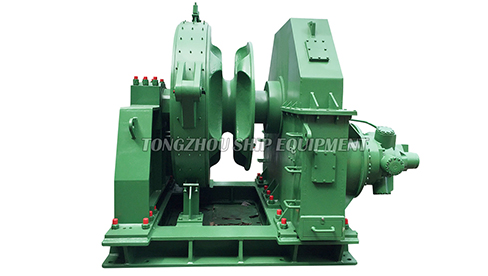
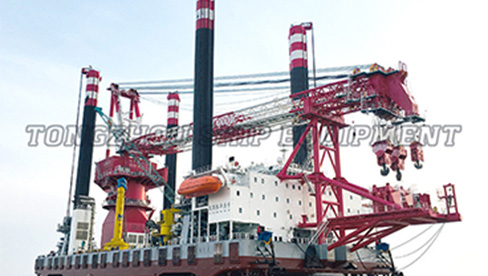
- Marine applications for winches, anchor drives, and rotational deck equipment
- Construction machinery requiring accurate rotational positioning
- Mining equipment for continuous rotation of conveyors and heavy tools
- Energy sector, including wind turbine yaw drives and hydroelectric gate actuators
- Aerospace ground support systems requiring precise rotation of components
Advantages
Key benefits of Rotary Actuation Mechanisms include:
- High torque capacity for demanding loads
- Precise angular positioning with minimal backlash
- Durable under continuous operation in harsh environments
- Flexible integration with hydraulic, electric, or pneumatic systems
- Built-in safety features for operator and equipment protection
- Compact design with high power density
- Reduced maintenance due to high-quality materials and precision assembly
Materials and Structure
The mechanisms are built using high-strength steel or aluminum alloy housings for structural integrity. Internal gears, shafts, and bearings are precision-machined to ensure smooth torque transmission. Heavy-duty seals protect internal components from dust, moisture, and contaminants. Lubrication systems are optimized for long service intervals, and optional coatings provide corrosion resistance for marine or industrial environments.