English
  عربى
عربى  中文简体
中文简体 

Specification
| Rated Pull Capacity | 50 kN to 900 kN depending on model |
| Line Compatibility | Steel wire ropes, synthetic ropes, composite cables, and hybrid lines |
| Drive Type | Hydraulic or electric motor with rotary gearbox |
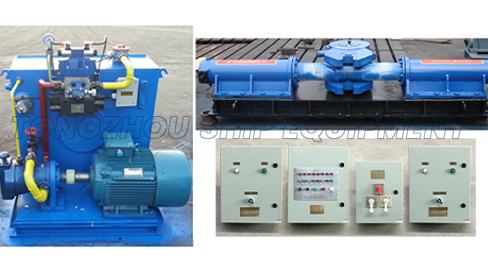
| Control Mode | Local, remote, or integrated bridge system |
| Rotational Speed | 0–20 RPM, adjustable according to line type and tension |
| Brake System | Hydraulic or mechanical disc brake with fail-safe and emergency stop |
| Duty Cycle | Continuous heavy-duty operation under high torque loads |
| Environmental Protection | Marine-grade coatings, corrosion-resistant materials, sealed housings, IP65 or above |
Application
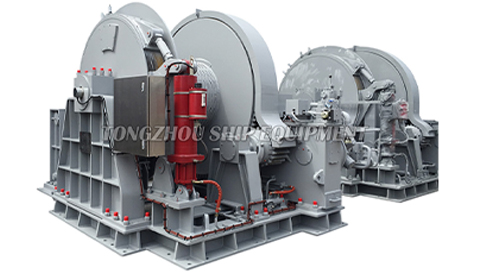
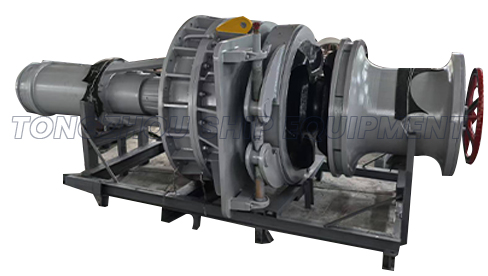
Rotary Pulling Mechanisms are used in a variety of marine and offshore operations, including:
- Mooring large commercial ships, tankers, and container vessels
- Offshore support vessels and FPSOs for precise tension control of multiple mooring lines
- Tugboats performing towing and docking operations with controlled line deployment
- Anchor handling vessels requiring accurate rotation and tension of heavy anchor chains
- Marine construction and offshore projects where precise cable and rope handling is essential
Advantages
Rotary Pulling Mechanisms offer several operational advantages:
- Continuous rotary motion provides smoother line handling compared to linear pullers
- High torque capability enables handling of heavy loads safely
- Adjustable rotational speed and torque for precise control over tension
- Durable construction ensures long-term reliability in harsh marine environments
- Compatible with multiple line types and diameters
These advantages reduce line wear, improve operational safety, and increase overall efficiency in deck operations.
Material and Structure
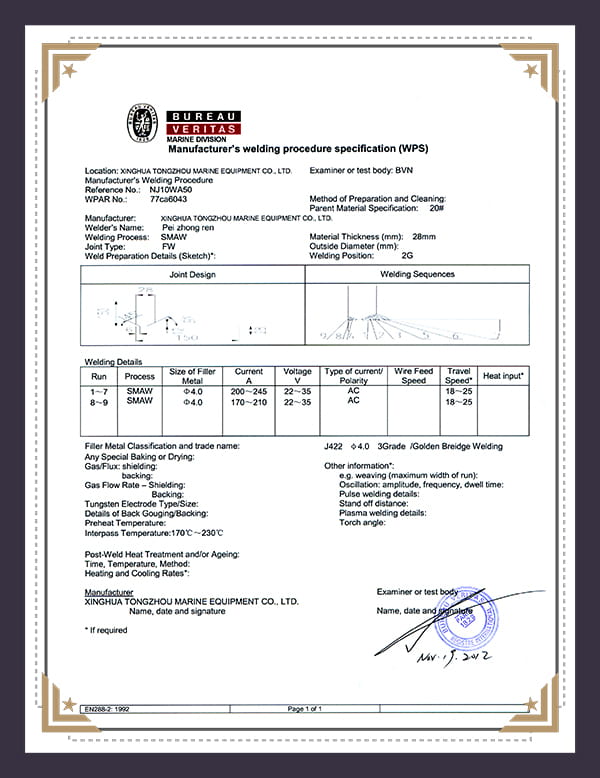
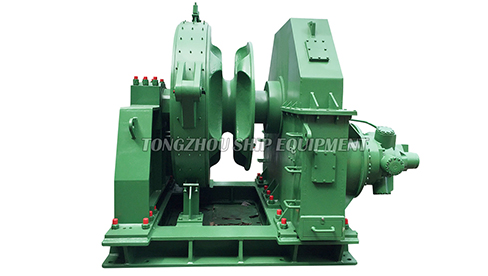
The main frame is fabricated from high-strength steel or cast alloy to withstand torsional and bending stresses. Shafts, gears, and rotary components are precision-machined and heat-treated for durability under continuous high-torque loads.
Bearings are designed for combined axial and radial loading, while high-performance seals protect against seawater and debris. Marine-grade coatings ensure corrosion resistance, prolonging service life even in offshore or coastal environments.