English
  عربى
عربى  中文简体
中文简体 

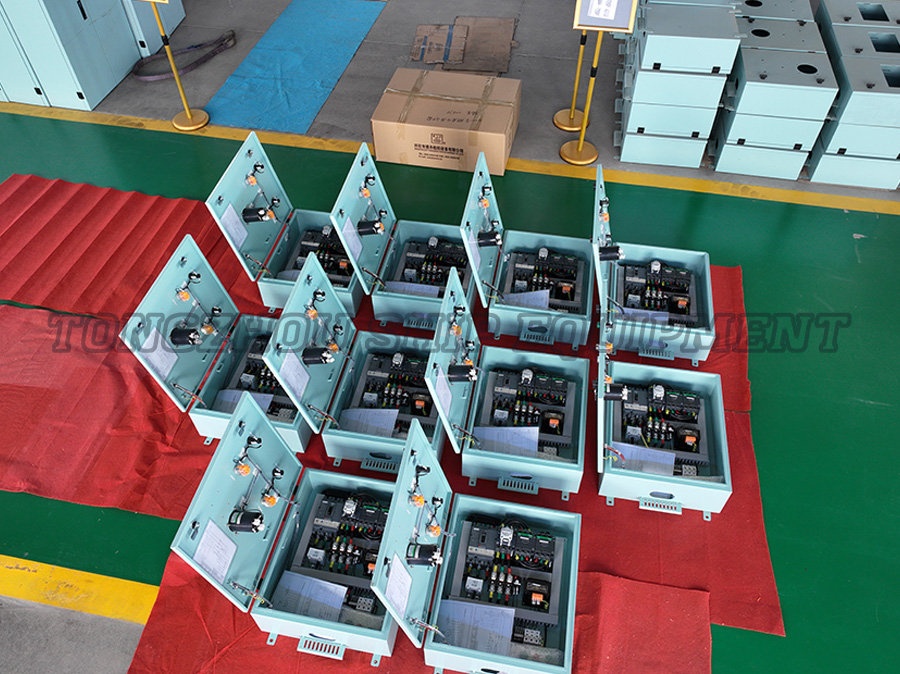
Specification
| Operating Voltage | 24V DC / 110V DC / 230V AC |
| Communication Protocols | CAN Bus, Modbus, Profibus, Ethernet IP, NMEA2000 |
| Temperature Range | -25°C to +55°C |
| Humidity Rating | 0–95% non-condensing |
| Ingress Protection | IP54 / IP65 |
| Signal Types | Analog, Digital, Pulse, Frequency |
| Actuation Capacity | Up to 500A per module |
| Mounting Options | Panel, Rack, Bulkhead, DIN Rail |
Application
Marine Automation Hardware is widely applied across various ship systems, including:
- Propulsion and engine control systems
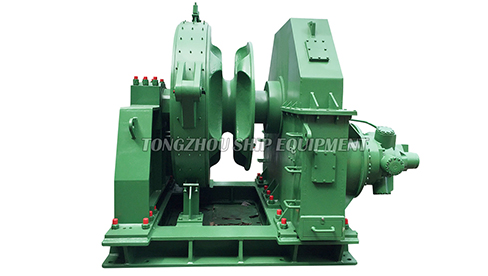
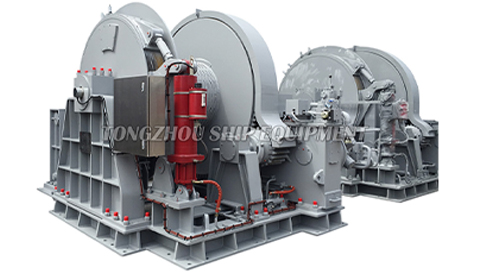
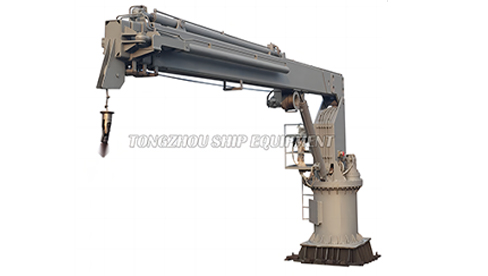
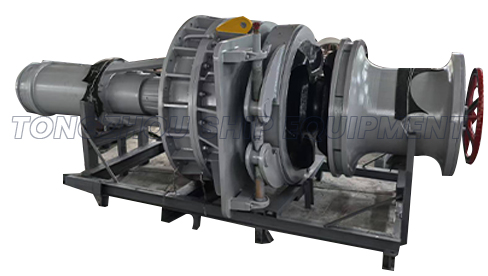
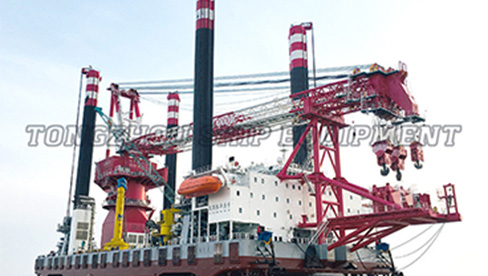
- Deck machinery automation, including winches, cranes, and lifting devices
- Power distribution and energy management systems
- Navigation and communication system integration
- Ballast water management and pump station control
- Environmental and safety monitoring systems
These components provide real-time data collection, automatic regulation, and system interlocking, ensuring safe and efficient vessel operation under different sea conditions.
Advantages
Marine Automation Hardware provides multiple benefits that enhance ship performance:
- High operational reliability with marine-grade components
- Centralized control and monitoring reduce operator workload
- Improved energy efficiency through optimized motor and system management
- Enhanced safety via fault detection, alarms, and emergency overrides
- Reduced human error and improved compliance with maritime regulations
- Scalable and modular design for future upgrades or system expansion
- Integration capability with digital ship management systems
Materials and Structure
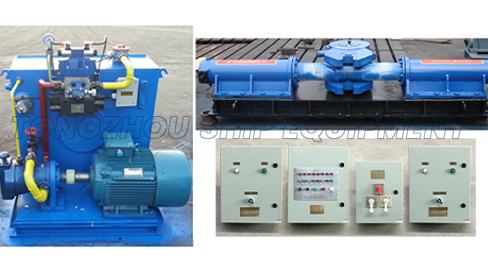
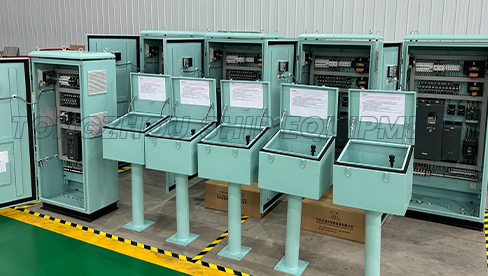
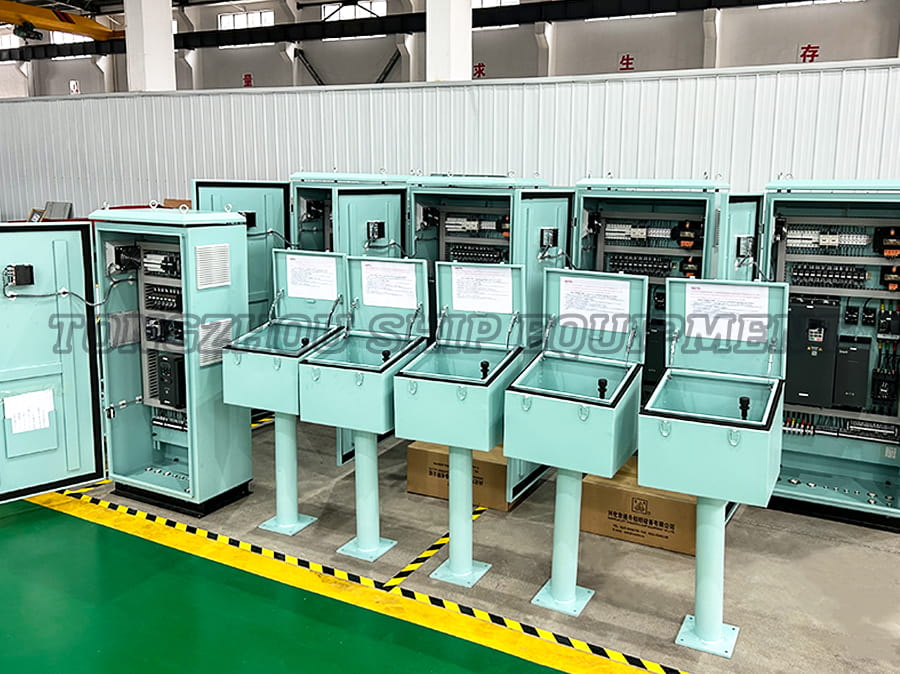
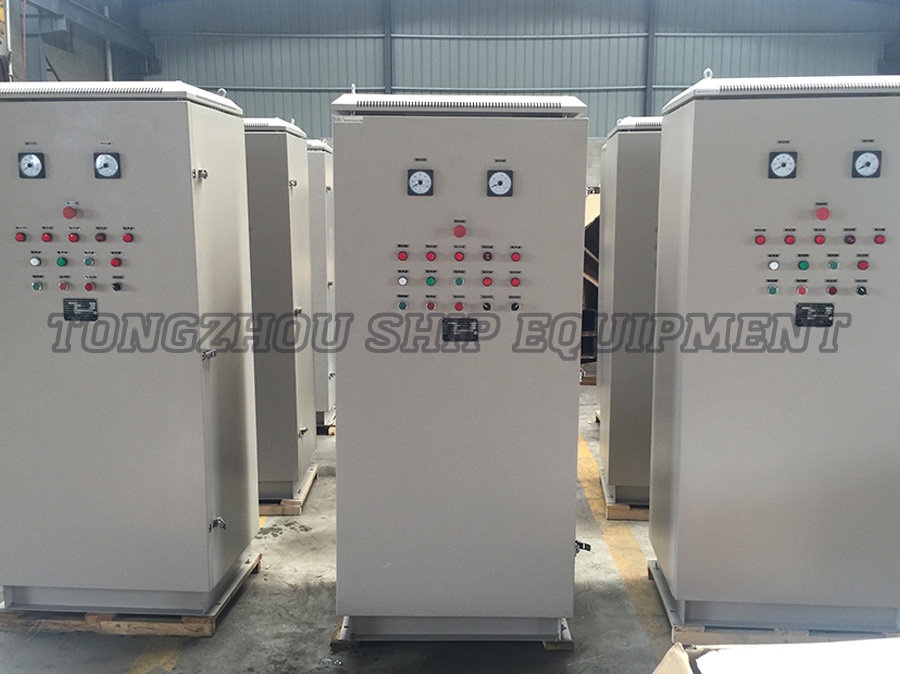
Marine Automation Hardware is built to withstand harsh marine environments. Typical materials include corrosion-resistant stainless steel, anodized aluminum, and marine-grade plastics. Enclosures feature IP-rated sealing to prevent water ingress, dust, and mechanical damage. Internal structures are modular, allowing easy access to relays, actuators, and controllers. Wiring channels and cable ducts are provided to maintain organized connections and ensure safety.
The hardware is engineered to resist vibration, salt spray, and extreme temperatures, ensuring continuous operation and longevity in maritime settings.