English
  عربى
عربى  中文简体
中文简体 

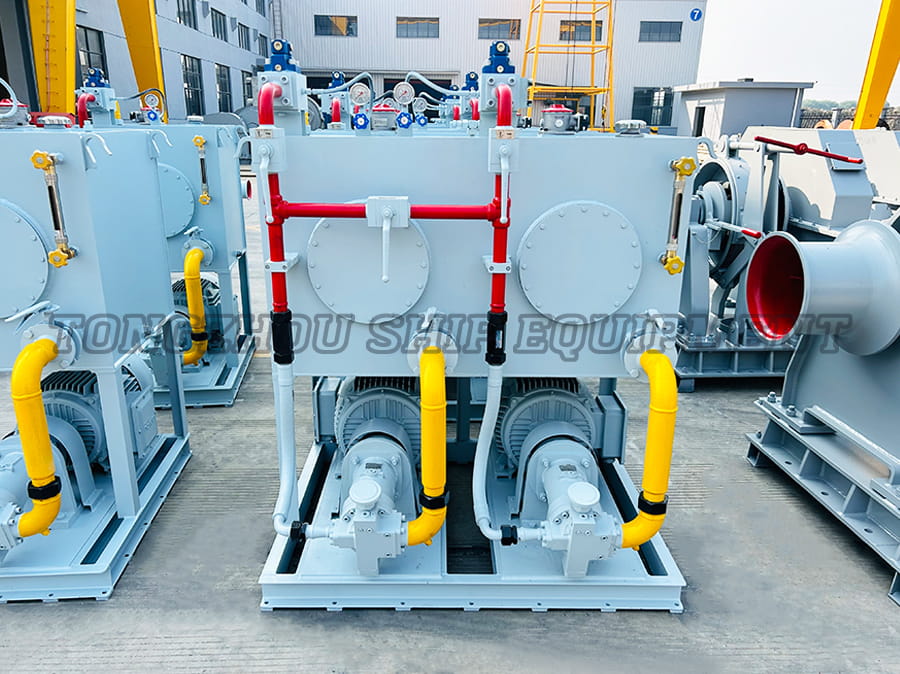
Specification
| System Type | Marine Power Monitoring and Control Unit |
| Input Voltage | AC 110V / 220V / 380V / 440V |
| Frequency | 50 Hz / 60 Hz |
| Generator Control | Automatic Start / Stop / Load Sharing |
| Communication | Modbus, CAN, Ethernet |
| Monitoring Parameters | Voltage, Current, Power, Frequency |
| Operating Temperature | -15掳C to 55掳C |
| Protection Level | IP54 / IP65 (Optional) |
Application
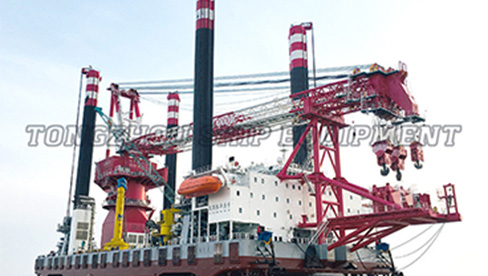
Marine Power Management Units are essential in a wide range of marine and offshore applications:
- Commercial vessels such as cargo ships, tankers, and container ships
- Offshore platforms and floating production units
- Passenger ships, ferries, and cruise vessels
- Naval and patrol vessels
- Yachts and high-end leisure boats
- Marine hybrid and electric propulsion systems
They ensure continuous power availability while maintaining operational safety and energy efficiency.
Advantages
Marine Power Management Units offer significant operational and economic benefits:
- Optimized power distribution and load balancing
- Reduced fuel consumption through efficient generator management
- Improved system reliability and redundancy
- Protection against overload, blackout, and voltage fluctuations
- Real-time monitoring and intelligent alarms
- Flexible integration with existing marine electrical systems
- Support for hybrid and energy storage solutions
Materials and Structure
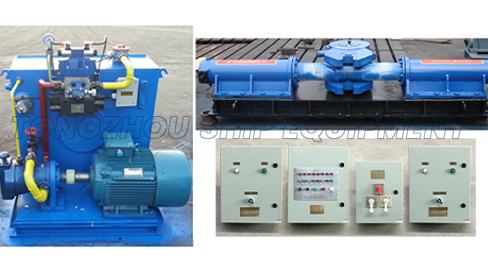
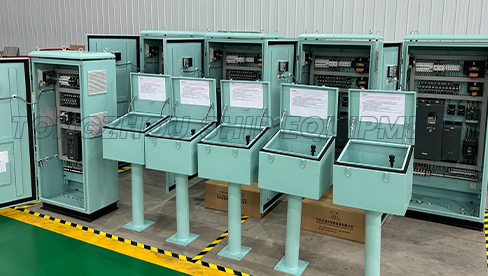
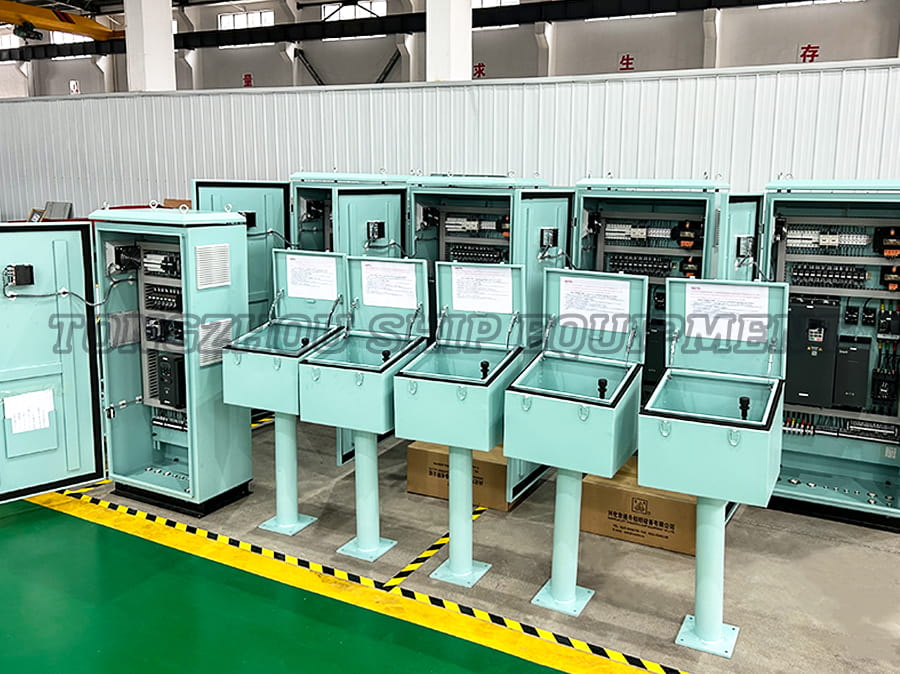
The units are housed in marine-grade steel or aluminum enclosures with anti-corrosion surface treatment. Internal components include industrial-grade control boards, high-accuracy sensors, and reinforced wiring terminals designed to withstand vibration and thermal stress.
The modular structure allows for easy expansion and maintenance, while sealed enclosures protect sensitive electronics from moisture, salt spray, and dust commonly found in marine environments.